

Does a BPA free kids bath toy really make bath time safer?
A BPA free kids bath toy can help reduce exposure to bisphenol A, but BPA-free labeling is only one part of choosing safer bath toys. Parents should also consider whether a toy is made from non-toxic materials, whether it is appropriate for the child's age, and how easily it can be cleaned and dried to reduce mold growth. For babies and toddlers, the safest bath toys are durable, easy to clean, free from concerning chemicals, and designed without small parts that create choking hazards.
BPA Free Kids Bath Toy Benefits: Why Safety Matters
⏱ 6 min read
Bath time should feel joyful, not stressful. Yet many parents worry about hidden chemicals, slippery toys, and the mold that can develop inside poorly designed bath toys. Choosing a BPA free kids bath toy is one practical step toward a more safety-conscious bath routine, but material quality, cleanability, age suitability, and proper storage matter just as much. This guide explains what BPA-free really means, how to compare materials, what to look for in non-toxic bath toys, and how to keep bath toys cleaner between uses.
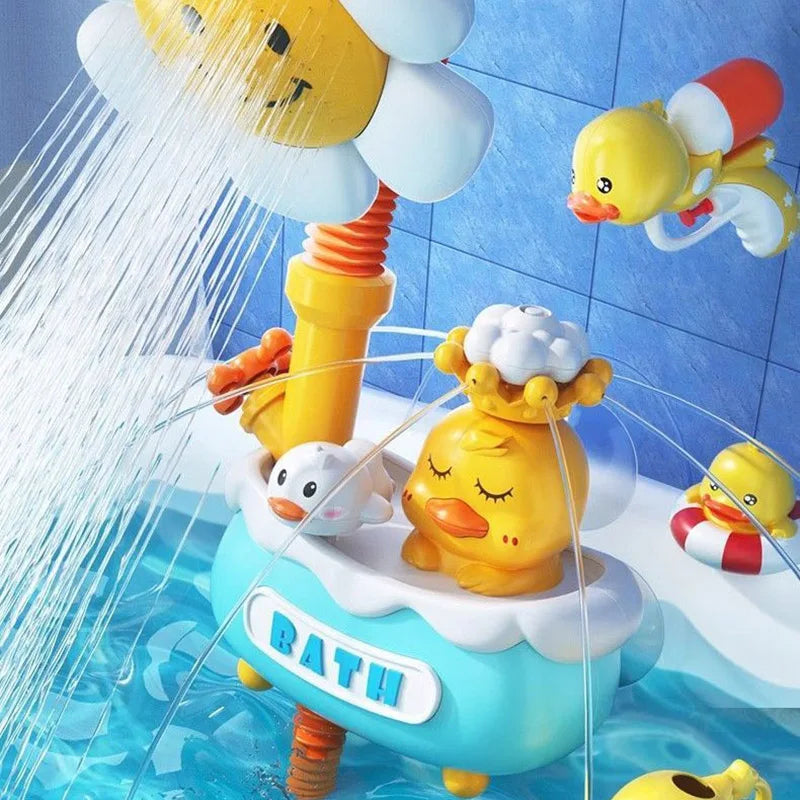
A BPA free kids bath toy can combine interactive sensory play with thoughtful material choices.
Why BPA-Free Materials Protect Your Child
One of the main benefits of BPA free bath toys is reducing a child's exposure to bisphenol A, a chemical that has been used in some plastics and resins. Because young children may touch, chew, or mouth their toys, many parents prefer products made without BPA as part of a broader approach to choosing safer children's products.
However, BPA-free does not automatically mean that a toy is completely non-toxic or mold-resistant. Parents should look beyond a single label and consider the full material composition, construction, cleaning requirements, and intended age range. A well-designed bath toy should be durable, easy to wash, and free from features that allow water to remain trapped inside.
What BPA, PVC, and Phthalates Mean in Children's Bath Toys
BPA, PVC, and phthalates are different substances, so a BPA-free label does not necessarily address every material concern. BPA is commonly associated with certain plastics and resins, while PVC is a type of plastic that may use additives to improve flexibility. Phthalates are a group of chemicals that have historically been used as plasticizers in flexible plastics.
When shopping for non toxic bath toys for toddlers, parents can look for clear material information and products that avoid unnecessary chemical additives. It is also worth checking whether the manufacturer provides safety testing or compliance information appropriate for the market where the toy is sold.
- BPA-free: Indicates that the product is made without intentionally using bisphenol A.
- PVC-free: Indicates that the product does not use polyvinyl chloride.
- Phthalate-free: Indicates that specified phthalates are not used in the product.
- Non-toxic: A broad marketing term that should be supported by specific material and safety information rather than treated as a guarantee on its own.
Why Food-Grade Silicone Is a Popular Safe Alternative
Food-grade silicone is popular in baby and children's products because it is flexible, durable, and generally resistant to heat and moisture. Silicone bath toys can also be easier to clean than toys with narrow openings or sealed cavities that trap water.
That said, silicone is not automatically the best choice for every child or every bath toy. Parents should still check the manufacturer's age recommendations, inspect toys regularly for damage, and choose products with designs that can be cleaned thoroughly. For any material, the overall construction and maintenance routine are important parts of safe use.
Families exploring safer routines can also find complementary resources in Health & Safety collections.
Best BPA-Free Bath Toys for Kids: Top Picks Reviewed
The best BPA free bath toys for kids are not necessarily the ones with the most features. A strong choice combines material transparency, age-appropriate design, easy cleaning, durability, and a low risk of trapping stagnant water. The right option also depends on whether you are shopping for a baby who mouths toys, a toddler who wants interactive play, or a child who needs more engaging sensory activities.
Best Overall BPA-Free Bath Toy
Best for: Families looking for a balance of material-conscious design, interactive play, and everyday usability.
Look for a BPA-free toy with a simple construction, rounded edges, no easily detachable small parts, and surfaces that can be rinsed and dried thoroughly. Interactive features can add value when they are easy to clean and do not create hidden water reservoirs.
Best Silicone Bath Toy for Babies
Best for: Younger babies who frequently explore toys by touching and mouthing them.
A soft silicone bath toy can be a practical option because it is comfortable for small hands and can withstand frequent washing. Choose a product specifically labeled for the child's age and inspect it regularly for tears, cracks, or other damage. For babies, avoid toys with small detachable pieces and always supervise water play.
Best Interactive Bath Toy for Toddlers
Best for: Toddlers who enjoy cause-and-effect activities and need extra motivation to participate in bath time.
Interactive toys that spray, pour, squeeze, or move water can turn bath time into sensory play. The best designs encourage participation without sacrificing cleanability. If a toy contains a water chamber, parents should pay particular attention to whether it can be emptied and dried completely after each use.
Best Mold-Free Bath Toy Option
Best for: Parents who prioritize easy hygiene and want to minimize the risk of trapped water.
No bath toy can be considered completely mold-proof simply because it is labeled BPA-free. The most practical mold-resistant designs are those with open construction, removable parts, or no internal cavities where water can collect. Easy access for cleaning and complete drying between baths are just as important as the material itself.
| Best for | What to prioritize | Key safety consideration |
|---|---|---|
| Overall use | BPA-free materials, durable construction, easy cleaning | Check age suitability and inspect for damage |
| Babies | Soft, simple, non-toxic materials | Avoid small detachable parts and supervise play |
| Toddlers | Interactive sensory features | Choose designs that can be emptied and cleaned |
| Mold-conscious families | Open or fully cleanable construction | Dry completely between uses |
How We Chose the Safest BPA-Free Bath Toys
When comparing the safest bath toys for babies and toddlers, we look beyond BPA-free labeling. A product can have an appealing material claim but still be difficult to clean or unsuitable for a young child's developmental stage. Our evaluation approach focuses on the factors parents can verify before buying and throughout the toy's usable life.
Material Safety and Certifications
We prioritize products with clear material information and transparent safety claims. Parents should look for specific statements about BPA, PVC, and phthalates where relevant, along with applicable product safety testing or compliance information. A manufacturer's willingness to provide clear material details is a useful trust signal.
Mold Resistance and Easy Cleaning
We favor bath toys that do not trap standing water and can be rinsed, emptied, and dried thoroughly. Toys with sealed cavities or tiny openings require extra attention because moisture can remain inside even when the outside appears clean. Easy-to-clean construction is a key consideration when evaluating mold free bath toys safety.
Age Appropriateness and Design
We consider whether the toy matches the child's developmental stage, grip, and likely play behavior. For babies, that means avoiding small detachable components and choosing designs appropriate for mouthing. For toddlers, interactive features can add sensory and learning value, provided the toy remains easy to clean and safe to handle.
Parents can use these same criteria as a practical checklist when learning how to choose safe bath toys: verify materials, check the recommended age, inspect construction, consider cleaning requirements, and follow the manufacturer's care instructions.
How Sensory Bath Toys Support Development
Sensory bath toys can turn ordinary water play into an opportunity to explore touch, sight, movement, and cause and effect. When children squeeze, pour, spray, or watch water move through a toy, they are experimenting with simple physical concepts while practicing coordination.
The developmental value of sensory bath toys can vary by age. Babies may benefit from safe opportunities to grasp and explore different textures, while toddlers can begin experimenting with pouring, filling, emptying, and predicting what will happen next. Older preschoolers may use bath play to practice simple problem-solving and imaginative storytelling.
- Fine motor practice: Squeezing, grasping, pouring, and manipulating toys can strengthen hand coordination.
- Cause-and-effect learning: Children learn that their actions can change how water moves or behaves.
- Sensory exploration: Water, texture, temperature, and movement create rich opportunities for supervised exploration.
- Positive routines: Engaging play can help children associate bathing with a predictable and enjoyable part of the day.
For families interested in extending learning through play, complementary products can be explored in Sensory Toys .
BPA-Free vs Traditional Bath Toys
Comparing bath toys based only on whether they are BPA-free can leave out important safety and hygiene factors. A better comparison considers material composition, construction, cleanability, durability, and the likelihood of trapped moisture.
Silicone vs Plastic Bath Toys
| Feature | Silicone Bath Toys | Plastic Bath Toys |
|---|---|---|
| Material feel | Soft, flexible, and comfortable for small hands | Often firmer and more rigid |
| Cleaning | Often easy to wash, depending on design | Varies widely by construction |
| Durability | Generally flexible and resistant to cracking under normal use | Can be highly durable, depending on plastic type |
| Material considerations | Look for clearly specified, high-quality silicone | Check whether the product is BPA-free and whether other material information is provided |
| Best for | Babies and children who prefer soft, flexible toys | A broad range of interactive bath play |
BPA-Free vs Mold-Prone Bath Toys
| Feature | BPA-Free, Easy-to-Clean Design | Mold-Prone Design |
|---|---|---|
| Material safety | Made without intentionally added BPA | May or may not be BPA-free |
| Water retention | Designed to drain, empty, or dry more easily | May trap water inside sealed cavities |
| Hygiene | Accessible surfaces are easier to rinse and inspect | Hidden moisture can be difficult to detect |
| Maintenance | Simple cleaning and drying routine | Requires frequent inspection and careful drying |
| Buying priority | Consider material safety and cleanability together | Avoid designs that cannot be thoroughly emptied or cleaned |
For parents searching for the best non toxic bath toys, the strongest option is one that combines transparent materials with a construction that supports good hygiene. BPA-free labeling is valuable, but it should be viewed as one part of a broader safety checklist.
Smart Tips for Safer Bath Play
Choosing a BPA free kids bath toy is only the beginning. Good cleaning, drying, storage, and supervision habits help keep bath toys safer throughout their lifespan. These baby bath toy safety tips can also reduce the chance of hidden moisture and premature wear.
How to Clean and Dry Bath Toys Properly
- Rinse toys with clean water after every bath to remove soap and bath-product residue.
- Drain or empty any toy that can hold water before storing it.
- Allow toys to air-dry completely in a well-ventilated location.
- Clean according to the manufacturer's instructions and use only cleaning methods suitable for the material.
- Inspect internal openings, spray holes, and seams regularly for buildup or discoloration.
- Do not assume that a toy is clean simply because its outside surface looks clean.
When to Replace Old Bath Toys
Replace a bath toy when it develops cracks, tears, peeling surfaces, persistent discoloration, a damaged seal, or an odor that remains after appropriate cleaning. Toys that repeatedly retain water inside and cannot be cleaned effectively should also be discarded rather than kept in circulation.
For younger children, inspect toys frequently because damaged surfaces can become harder to clean and may create additional safety concerns. If you are unsure whether a toy is still suitable, follow the manufacturer's care and replacement guidance.
Adding well-designed bath accessories from Baby Bath Accessories can further improve convenience while supporting a more organized bathing routine.
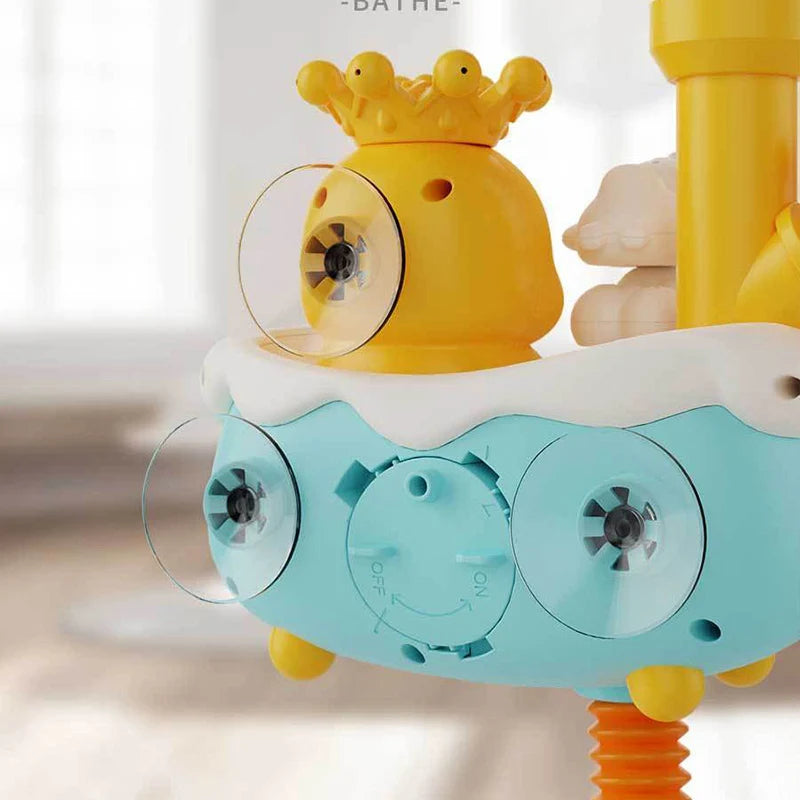
Interactive bath play can make sensory exploration more engaging while supporting a fun, supervised routine.
Frequently Asked Questions
Are BPA-free bath toys safe for babies?
BPA-free bath toys can be a safer material choice because they are made without intentionally using bisphenol A, but BPA-free labeling alone does not guarantee that a toy is completely safe. Parents should also check the recommended age, avoid small detachable parts, look for clear material information, and choose toys that can be cleaned and dried thoroughly. Always supervise babies during bath play.
What does BPA-free mean in baby toys?
BPA-free means the product is made without intentionally using bisphenol A, a chemical associated with certain plastics and resins. When considering BPA-free baby toys, parents should remember that the label addresses BPA specifically and does not automatically mean the product is free from every other chemical or material concern. Checking the full material information is a better approach.
What materials are best for non-toxic bath toys?
There is no single material that is best for every child, but many parents prefer clearly specified materials such as high-quality silicone or BPA-free plastics from reputable manufacturers. The safest choice also depends on construction: a toy that is easy to clean, drain, and dry may be preferable to one that traps water, regardless of the material.
What are the safest bath toys for babies?
The safest bath toys for babies are age-appropriate, durable, easy to clean, and free from small detachable parts that could create a choking risk. Parents may also prefer BPA-free and clearly labeled materials, along with simple designs that do not trap stagnant water. Bath toys should always be used under active adult supervision.
How can parents prevent mold in bath toys?
To reduce mold growth, rinse bath toys after use, empty any trapped water, clean them according to the manufacturer's instructions, and allow them to dry completely before storing. Open designs or toys that can be fully disassembled are often easier to maintain than sealed toys with inaccessible cavities.
How often should bath toys be cleaned or replaced?
Rinse bath toys after every use and clean them more thoroughly according to the manufacturer's care instructions. Inspect them regularly for mold, buildup, cracks, tears, odors, or other damage. Replace toys that cannot be cleaned effectively or that show signs of deterioration rather than continuing to use them.
Related Guide: Water Spraying Bath Toy Features That Keep Kids Engaged





