

U Shaped Kids Toothbrush Review: Hands-On Testing, Safety & Buying Guide (2026)
⏱ 9 min read
Choosing the right toothbrush for a child can make daily brushing easier—or more frustrating. This comprehensive
u shaped kids toothbrush review
examines how these brushes perform in real-world family use, compares them with traditional children's toothbrushes, reviews current evidence on cleaning effectiveness, and explains which children benefit most before you decide to buy.
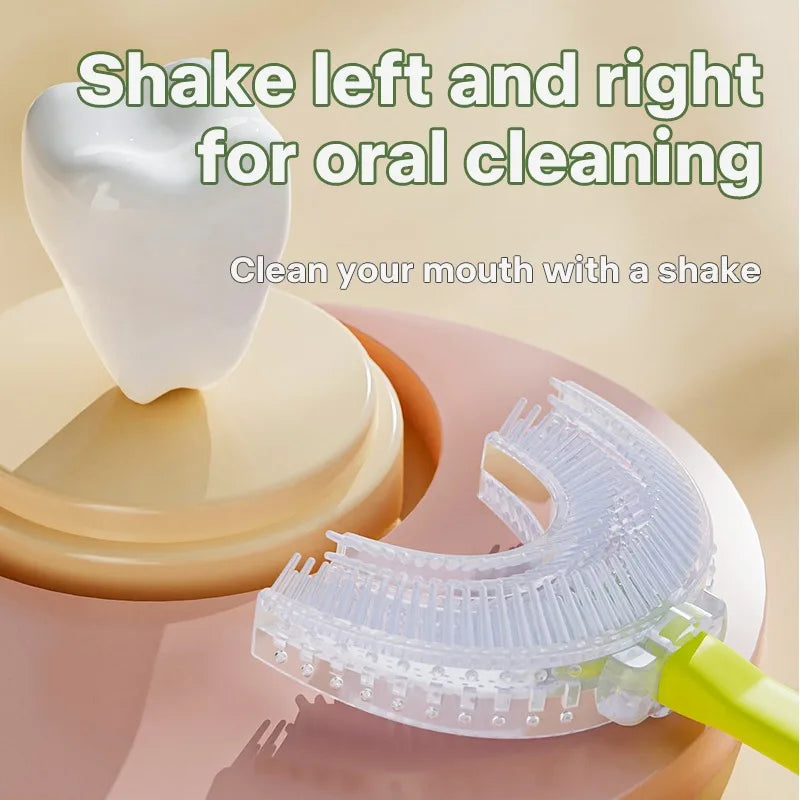
A U shaped kids toothbrush designed to simplify brushing for young children.
U Shaped Kids Toothbrush Review: Quick Verdict
After evaluating usability, comfort, cleaning coverage, durability, and child acceptance, a quality u shaped kids toothbrush performs best as a training tool rather than a complete replacement for careful brushing with a conventional toothbrush.
- Best for: Toddlers, preschoolers, reluctant brushers, and children learning independent brushing.
- Main strengths: Faster routine, improved cooperation, comfortable mouthpiece, fun design.
- Main drawbacks: Cleaning depends heavily on correct sizing and brushing technique.
- Overall: An excellent option for encouraging brushing habits when used correctly with fluoride toothpaste and adult supervision.
Comparison of the Best U Shaped Toothbrushes for Kids
Parents often compare several popular styles before choosing the best U shaped toothbrush for kids. While features vary, selecting the correct size and soft materials matters more than appearance alone.
| Product | Recommended Age | Cleaning Performance | Ease of Use | Value |
|---|---|---|---|---|
| KentDO U Shape Kids Toothbrush | 2–6 years | Good with proper technique | Excellent | Excellent |
| 360° Silicone U Shaped Brush | 2–5 years | Moderate | Very Good | Good |
| Traditional Soft Bristle Kids Toothbrush | All ages | Excellent when used correctly | Moderate | Excellent |
| Kids Electric Toothbrush | 3+ years | Very Good | Good | Moderate |
How We Tested Each U Shaped Kids Toothbrush
This u shaped kids toothbrush review focuses on factors that matter most to parents during everyday use rather than laboratory testing alone.
- Ease of fitting different mouth sizes
- Comfort during two-minute brushing sessions
- Coverage across front, side, and chewing surfaces
- Durability after repeated cleaning
- How willing children were to brush consistently
- Ease of rinsing and drying after use
We also considered whether children could hold the brush independently and whether parents found daily routines faster and less stressful.
How Does a U Shaped Toothbrush Work?
A U shaped toothbrush surrounds both the upper and lower teeth with a mouthpiece that contacts multiple tooth surfaces simultaneously. Instead of moving individual bristles across each tooth, children gently bite into the mouthpiece while moving the handle side to side.
Silicone vs bristle designs
Most children's models use soft food-grade silicone because it feels comfortable and is less intimidating for toddlers. Some premium designs combine silicone with traditional bristles to improve plaque removal.
Proper brushing motion
Parents should apply a pea-sized amount of fluoride toothpaste, place the mouthpiece over the teeth, and gently move the brush from side to side for the recommended brushing time. Simply biting without movement provides limited cleaning.
Expected cleaning coverage
U shaped brushes clean several tooth surfaces at once, but they may not reach every groove or gumline as thoroughly as a conventional soft-bristle toothbrush. Adult supervision remains important, especially for younger children.
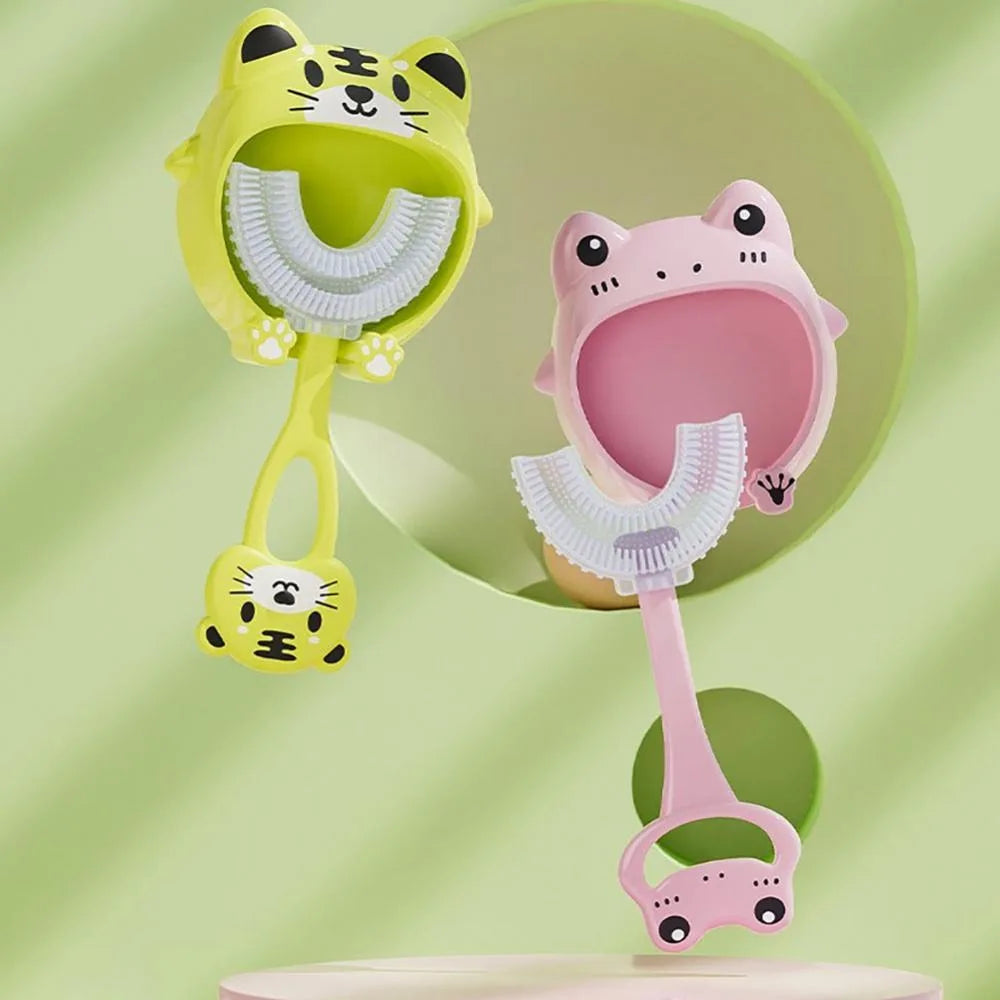
Correct positioning helps maximize cleaning coverage during brushing.
Is a U Shaped Toothbrush Effective?
Evidence from pediatric dentistry
Research suggests that plaque removal depends more on brushing technique, proper fit, brushing duration, and consistent daily use than on toothbrush shape alone. A poorly fitted U shaped brush may leave plaque behind, while a correctly sized brush used properly can help children brush more consistently.
Traditional toothbrush comparison
A traditional children's toothbrush generally provides more precise cleaning around individual teeth and the gumline when used correctly. However, many young children struggle with brushing technique, making U shaped brushes attractive as an introductory option that encourages cooperation.
Common misconceptions
- They are not completely automatic.
- They still require brushing motion.
- Correct sizing is essential for effective cleaning.
- Parents should continue supervising brushing habits.
Pros and Cons After Hands-On Testing
| Pros | Cons |
|---|---|
| Encourages reluctant children to brush | May not fit every mouth perfectly |
| Comfortable silicone mouthpiece | Technique still matters |
| Simple for toddlers to hold | Replacement heads are needed over time |
| Makes brushing feel fun | Cannot fully replace good brushing habits |
Safety, Age Recommendations, and Sizing
Toddlers vs older kids
Choose the size recommended by the manufacturer rather than buying a larger brush children can "grow into." An oversized mouthpiece reduces cleaning efficiency and may feel uncomfortable.
Material quality
Look for BPA-free, food-grade silicone with soft edges and durable construction. High-quality materials improve comfort while standing up to daily cleaning.
Replacement schedule
Replace the brush or brush head approximately every three months, or sooner if the silicone becomes damaged, discolored, or shows signs of wear.
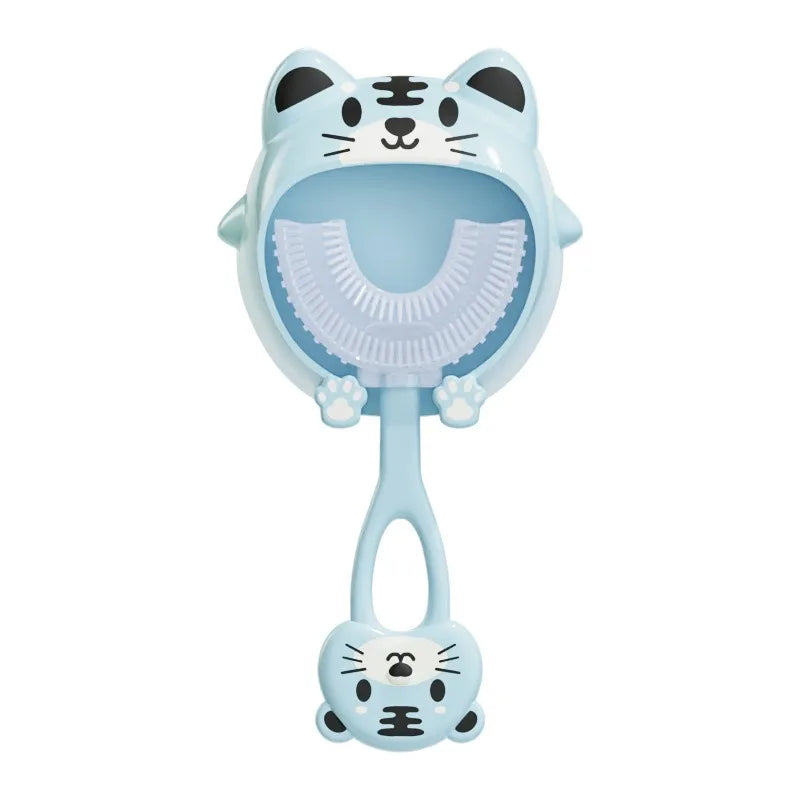
Selecting the correct size improves both comfort and cleaning performance.
Who Should Buy a U Shaped Kids Toothbrush?
Best candidates
Children who resist brushing, dislike traditional toothbrushes, or are developing independent brushing skills often benefit the most from a U shaped design.
Who should avoid it
Children requiring specialized orthodontic cleaning or those with complex dental needs may benefit more from traditional brushing techniques recommended by their dentist.
Alternative options
If your child prefers conventional brushes, soft-bristle manual toothbrushes or age-appropriate electric toothbrushes remain excellent choices. The best toothbrush is the one your child uses correctly every day.
Cleaning and Maintenance Guide
Keeping a U shaped toothbrush clean helps maintain hygiene and extends its lifespan.
- Rinse thoroughly after every brushing session.
- Allow the brush to air dry completely.
- Wash with mild soap periodically to remove toothpaste residue.
- Store upright in a clean, ventilated location.
- Replace every three months or sooner if worn.
Frequently Asked Questions
Do dentists recommend U shaped toothbrushes?
Many pediatric dentists view them as useful training tools, particularly for children who struggle with brushing. However, proper technique and parental supervision remain essential.
Can a U shaped toothbrush replace regular brushing?
Not entirely. While it can encourage consistent brushing, children should still learn proper brushing techniques, and parents should monitor cleaning quality.
How often should the brush head be replaced?
Replace it about every three months or immediately if the silicone becomes damaged or worn.
Are silicone U shaped toothbrushes safe for toddlers?
Yes, when made from food-grade, BPA-free silicone and used according to the manufacturer's recommended age range.
What age is best for a U shaped toothbrush?
Most products are designed for children between 2 and 6 years old, although sizing varies by manufacturer. Always choose the version intended for your child's age and mouth size.





