

Is a diaper backpack for daily errands really worth it?
Yes. A diaper backpack for daily errands keeps diaper backpack essentials organized, evenly distributes weight across both shoulders, and makes everyday diaper bag essentials easy to reach without slowing you down. Compared with traditional tote diaper bags, a backpack leaves your hands free for pushing a stroller, carrying groceries, or helping a toddler safely cross the street.
Whether you're heading to daycare, running errands, or stopping at the park, a well-organized diaper backpack helps you avoid overpacking while ensuring the items you use most are always within reach.
- Better weight distribution than most shoulder bags
- Hands-free convenience for active parents
- Dedicated compartments reduce clutter
- Ideal for newborns, infants, and toddlers with simple packing adjustments
⏱ 6 min read
Diaper Backpack for Daily Errands: What to Pack and Where
Running out for groceries, daycare pickup, or a quick coffee shouldn't feel like preparing for an all-day trip. Yet many parents still struggle with overstuffed bags, forgotten essentials, and sore shoulders. A diaper backpack for daily errands keeps everything organized so you can leave home quickly, stay prepared, and enjoy everyday outings with less stress.
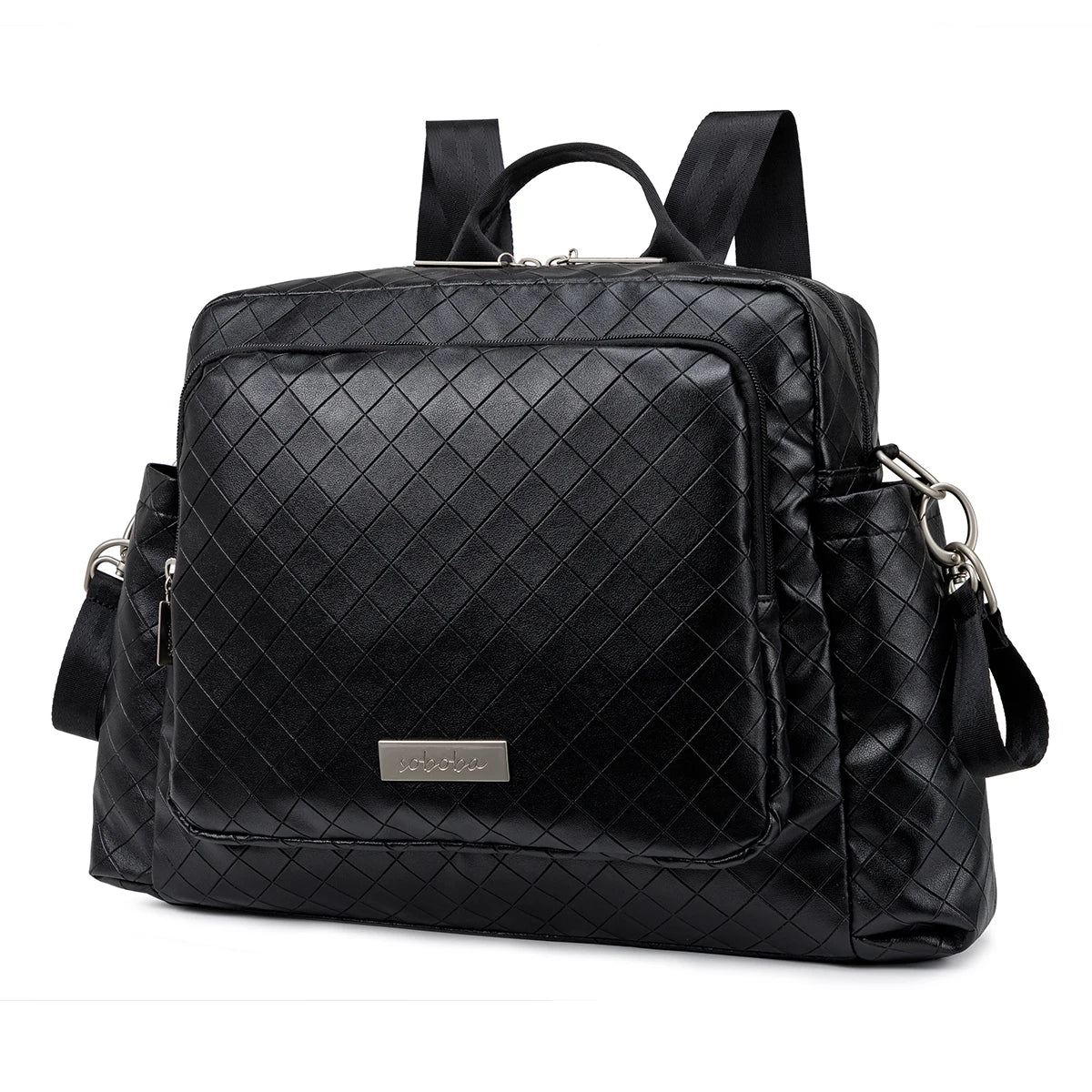
A diaper backpack for daily errands designed for everyday parenting backpack use — See it in action
What to Pack in a Diaper Backpack
The best diaper backpack packing list includes only what you'll realistically need for the length of your outing. Packing intentionally helps keep your backpack lighter while ensuring you're ready for common situations.
Diapering Essentials
- 2–3 diapers for short errands (add one extra for every additional 2–3 hours)
- Travel-size wipes
- Foldable changing pad
- Disposable diaper bags
- Diaper cream if your baby needs it regularly
Feeding Essentials
- Bottle or sippy cup
- Formula dispenser or breast milk, if needed
- Burp cloth
- Age-appropriate snacks from Feeding & Nursing
Clothing Essentials
- One complete spare outfit
- Extra socks
- Light sweater or jacket when weather changes are expected
Health and Hygiene Items
- Hand sanitizer
- Travel tissues
- Bandages and basic first-aid supplies from Health & Safety
Parent Essentials
- Wallet
- Phone
- Keys
- Reusable shopping bag
Many parents keep these everyday diaper bag essentials together with products from Baby Care Essentials so the backpack stays stocked between trips.
How to Organize a Diaper Backpack
Knowing how to organize a diaper backpack is just as important as choosing what to pack. Assigning every compartment a specific purpose helps prevent leaks, clutter, and frantic searching.
Front Pocket: Quick Access
Keep wipes, tissues, sanitizer, and disposable bags here. These are the items you'll likely reach for first during diaper changes or messy hands.
Main Compartment: Daily Essentials
Store diapers, spare clothing, and your changing pad upright using packing cubes or built-in dividers. Combining this setup with products from Baby Hygiene Gadgets helps separate clean and used items.
Side Pockets: Bottles and Drinks
Use insulated side pockets for bottles, water bottles, or toddler cups. Keeping liquids upright reduces the chance of spills.
Hidden Pocket: Valuables
Place your wallet, phone, keys, and identification in a zippered hidden compartment. Parents often pair this organization with recommendations from Mom Essentials .
Bottom or Wet Section
If your backpack includes a waterproof compartment, reserve it for wet clothing, dirty bibs, or used changing pads. Separating damp items helps prevent odors and keeps the rest of your supplies clean.
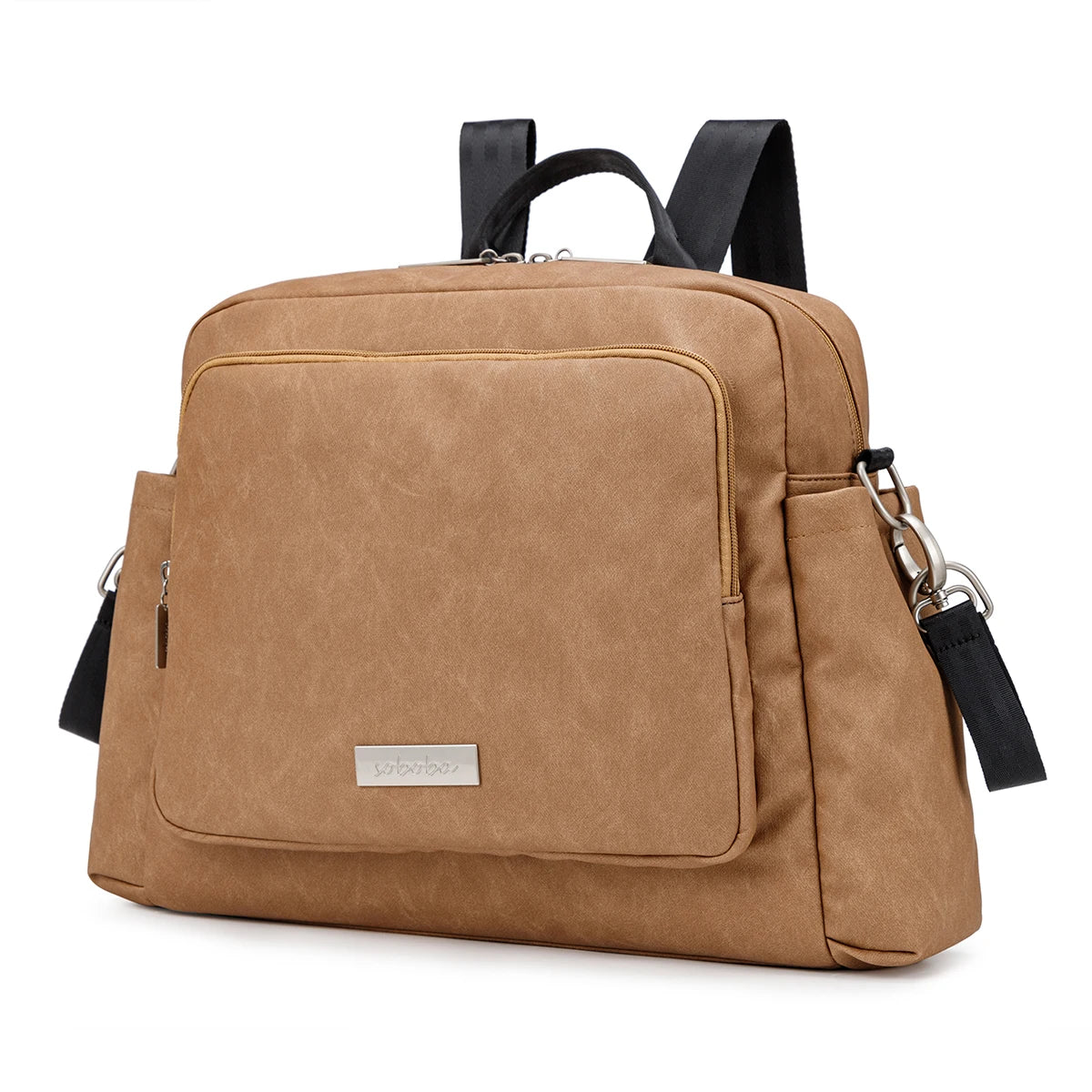
Smart pockets make everyday parenting backpack use smoother — See it in action
Diaper Backpack Checklist by Baby's Age
Newborn Checklist
- 4–6 diapers
- Extra onesie
- Burp cloths
- Formula or nursing supplies
- Pacifier
- Changing pad
Infant Checklist
- 3–4 diapers
- Baby food or bottles
- Bibs
- Small toy
- Light blanket
Toddler Checklist
- 1–2 diapers or training pants
- Healthy snacks
- Water bottle
- Extra clothes
- Favorite comfort toy or book
Adjusting your diaper backpack checklist for your child's age helps eliminate unnecessary items while ensuring developmental needs are covered.
Packing by Outing Length
30–60 Minute Trips
Bring the basics: 2 diapers, wipes, a changing pad, and one bottle or snack. This minimalist setup keeps your bag light for grocery runs or quick appointments.
Half-Day Outings
Add an extra outfit, additional feeding supplies, sunscreen if needed, and a small toy to keep your child entertained.
Full-Day Adventures
Increase diapers, snacks, clothing, and hydration. Include weather-specific items and backup feeding supplies in case plans change.
Daycare Drop-Off
Pack labeled bottles, daycare paperwork, comfort items, and any supplies requested by your childcare provider. A quick checklist before leaving helps prevent forgotten essentials.
Minimalist vs Full-Size Packing
Minimalist diaper bag essentials work well for predictable errands lasting an hour or less. Focus on must-have supplies such as diapers, wipes, feeding basics, and one spare outfit.
For longer outings, expand your packing list with backup clothing, additional food, seasonal accessories, and emergency supplies. The goal isn't carrying more—it's carrying the right items for your plans.
Seasonal and Emergency Essentials
Summer
- Sun hat
- Baby-safe sunscreen (when age appropriate)
- Cooling cloth
- Extra water for toddlers
Winter
- Warm hat
- Extra socks
- Light blanket
- Gloves when appropriate
Emergency Kit
- Bandages
- Thermometer
- Emergency contact information
- Small medications recommended by your pediatrician
- Backup diaper and wipes
Real-Life Errand Scenarios
Grocery Store Dash
Pack wipes, snacks, and a bottle where they're easy to reach. Keeping your hands free makes it easier to push a shopping cart while supervising a toddler.
Doctor or Pharmacy Stop
Carry health documents and a thermometer from Temperature Tools without crowding baby essentials.
Park or Playdate
Include one spare outfit, water, snacks, and a favorite toy from Sensory Toys . Having a change of clothes nearby makes muddy adventures much less stressful.
Parents often find that once they develop a consistent diaper backpack organization system, packing becomes faster and forgotten essentials become much less common.
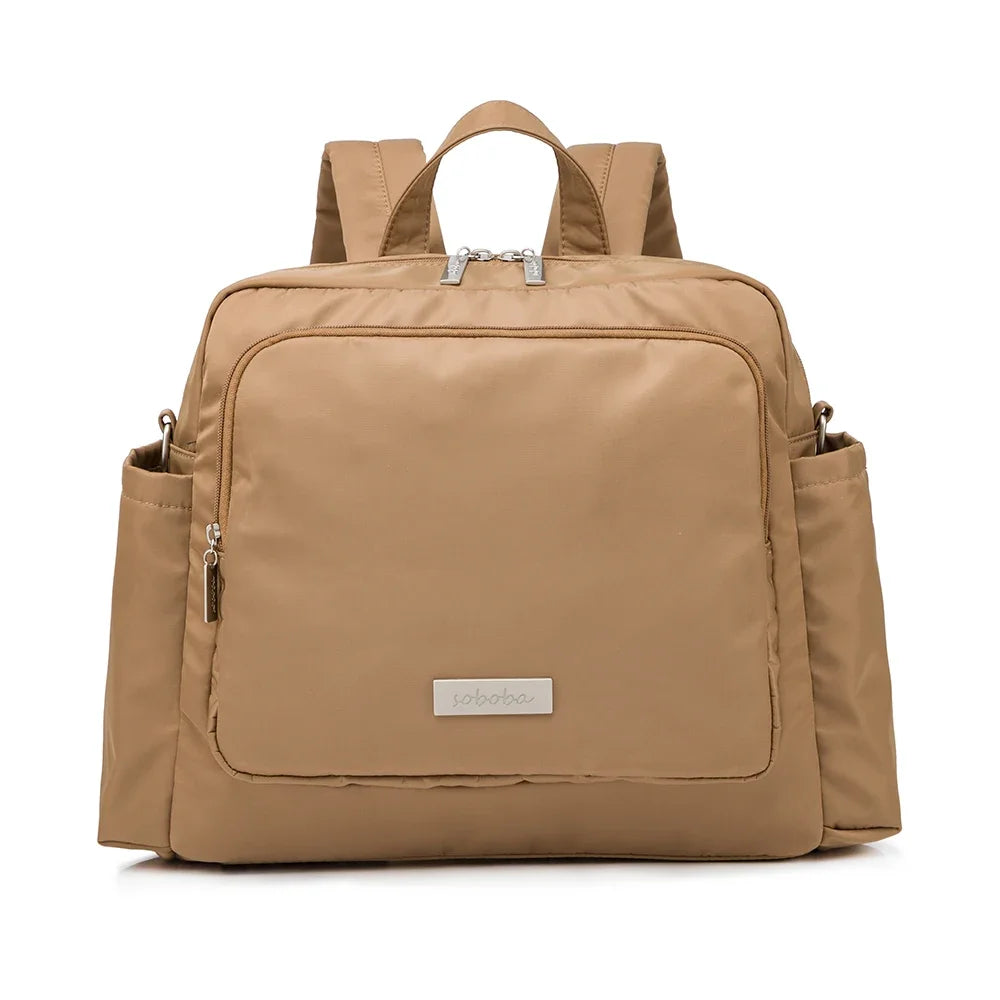
A lightweight diaper backpack built for comfort and confidence — See it in action
Frequently Asked Questions
How many diapers should I pack for different outing lengths?
For quick errands, pack 2–3 diapers. For half-day outings, carry 4–5. Full-day trips usually require 6 or more depending on your baby's age and routine.
How often should I restock a diaper backpack?
Check your backpack after every outing. Restocking immediately helps ensure you're always prepared for unexpected trips.
Can one diaper backpack work for a newborn and toddler?
Yes. The main difference is the quantity and type of supplies you carry. Keeping flexible compartments makes it easy to adapt as your child grows.
What should always stay in the diaper backpack?
Wipes, a changing pad, hand sanitizer, disposable bags, and basic first-aid supplies are useful to leave in your backpack at all times.
How do I avoid overpacking?
Match your diaper backpack packing list to your destination and outing length. Remove unused items weekly, organize compartments consistently, and only pack backups you'll realistically need.
Related Guide: How to Organize Diaper Backpack Like a Pro





