

Does learning how to clean diaper pad really make diaper changes gentler?
Yes — knowing how to clean diaper pad properly helps remove diaper residue, odors, and bacteria that may irritate delicate baby skin. Regular waterproof changing pad cleaning also protects the pad’s surface, prevents moisture buildup, and helps your travel diaper mat stay comfortable and ready for every diaper change outside.
- Remove visible messes and wipe the surface with water or a baby-safe cleaner.
- Clean the waterproof layer with mild soap and avoid harsh chemicals that may damage the coating.
- Rinse away residue and allow the pad to dry completely before storing.
- Keep a compact cleaning kit ready for quick maintenance during travel.
⏱ 8 min read
How to Clean Diaper Pad for Babies with Sensitive Skin Needs
A clean diaper pad creates a more comfortable and hygienic space for every diaper change. Whether you use a waterproof travel changing pad at home, in a stroller, or during a diaper change outside, proper cleaning helps prevent lingering odors, residue buildup, and damage to the pad’s protective layers. This guide explains how to clean a diaper pad safely, maintain waterproof materials, and build an easy routine that works for busy parents and sensitive skin needs.
Explore thoughtful picks that pair well with gentle hygiene routines. Baby Care Essentials
Why cleaning a waterproof changing pad matters
A clean changing pad does more than improve appearance. During daily diaper changes, waterproof pads can collect urine residue, stool particles, moisture, and product buildup. Without regular changing pad maintenance , these residues may create unpleasant odors and make the surface less comfortable for your baby.
For babies with sensitive skin, keeping the changing area clean is especially important. A properly maintained diaper pad reduces exposure to leftover messes and helps create a fresher surface between changes. Gentle cleaning also protects the waterproof barrier, seams, and materials so the pad remains useful for longer.
Common problems caused by poor changing pad maintenance
- Residue buildup: Dried diaper mess can become harder to remove and may leave unpleasant smells.
- Moisture and mildew risk: Folding or storing a damp pad can trap moisture inside bags or storage areas.
- Material damage: Harsh cleaners and excessive scrubbing may weaken waterproof coatings.
- Skin irritation concerns: Remaining soap, fragrance, or diaper residue may bother sensitive skin.
Following a simple clean changing pad routine after use keeps your diaper station more hygienic while helping preserve the pad’s waterproof performance.
How to clean diaper pad — quick answer & steps
Direct answer: The best way to clean a waterproof changing pad is to remove any diaper residue, wipe the surface with a gentle baby-safe cleaner, wash with mild soap and water when needed, rinse away leftover product, and let the pad dry completely before reuse. This approach removes messes while protecting the waterproof layer.
Cleaning supplies checklist
Before starting waterproof changing pad cleaning , prepare simple supplies that are gentle on baby products and easy to carry:
- Soft cloth or reusable muslin: Helps remove residue without scratching the surface.
- Mild fragrance-free soap: Cleans without leaving strong scents or unnecessary additives.
- Clean water: Useful for quick daily wipe-downs and rinsing.
- Baby-safe surface cleaner: Helpful for travel and occasional deeper cleaning.
- Dry towel: Removes excess moisture before air-drying.
- Breathable storage pouch: Keeps the pad protected after it is fully dry.
When to spot clean versus deep clean
A quick wipe-down is usually enough after minor spills or routine diaper changes. Deep cleaning is better after larger messes, strong odors, illness, or when the pad has been used frequently over several days.
For everyday care, a consistent routine of wiping, rinsing when necessary, and drying fully helps maintain a waterproof diaper changing pad without unnecessary wear.
Step-by-step: how to clean a waterproof changing pad
Daily cleaning routine
- Remove visible debris. Clear away any diaper residue immediately so it does not dry onto the surface.
- Wipe the changing surface. Use a soft damp cloth, warm water, or a baby-safe cleaner to remove everyday messes.
- Clean stubborn spots gently. Apply a small amount of mild soap and avoid abrasive brushes that may damage waterproof coatings.
- Remove cleaner residue. Wipe again with clean water to prevent soap buildup.
- Dry completely. Allow the pad to air-dry before folding or placing it inside a diaper bag.
Deep cleaning routine
- Prepare the surface. Remove loose debris before applying any cleaning solution.
- Wash with mild soap and water. Focus on areas that contact diapers most often.
- Rinse carefully. Avoid leaving cleaning products behind, especially on surfaces that touch baby’s skin.
- Air-dry fully. Keep the pad open until no moisture remains around seams or folds.
- Inspect before reuse. Check the waterproof surface, edges, and closures for signs of wear.
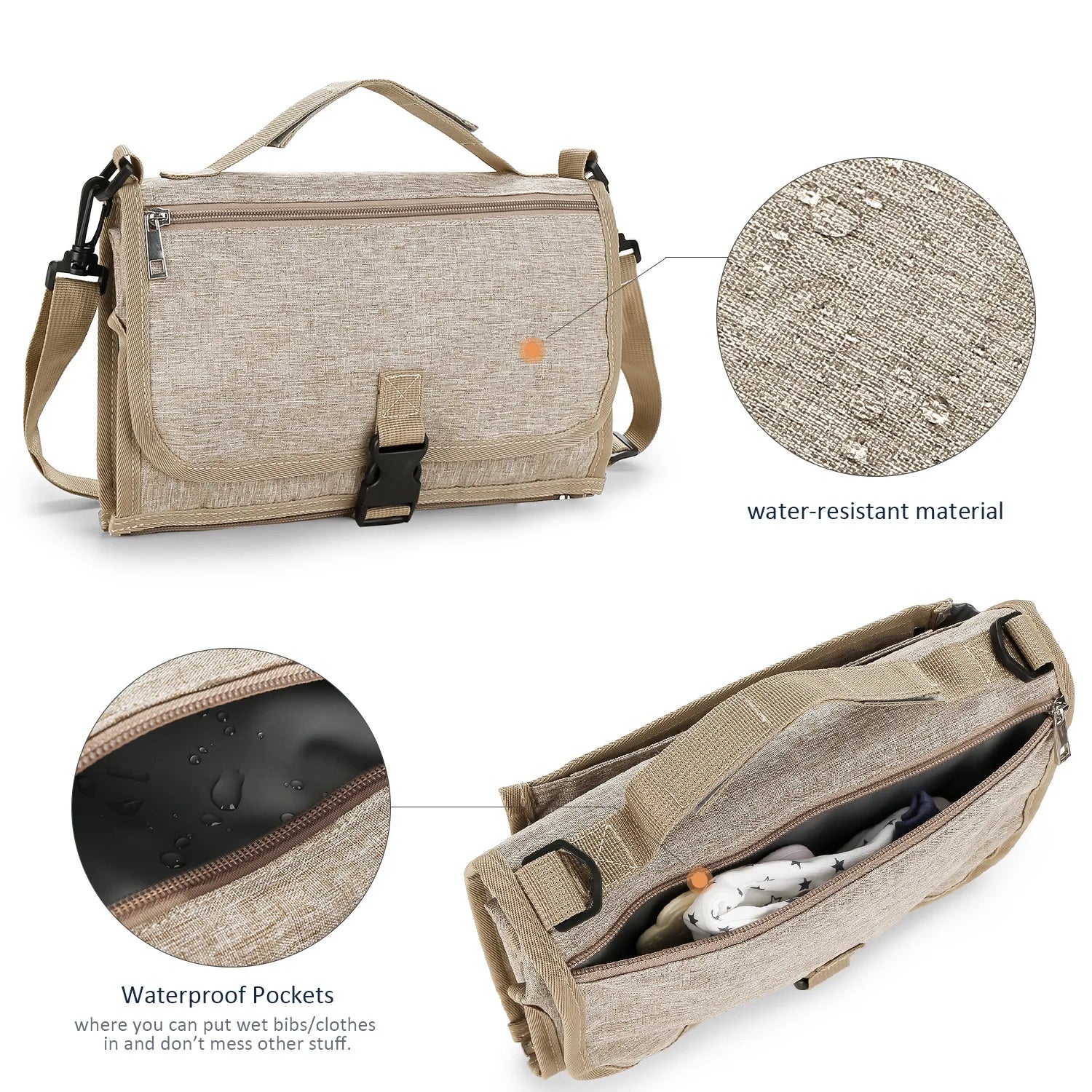
how to clean diaper pad + diaper change outside — See it in action.
Why this matters for diaper change without wipes
When wipes are unavailable, a water-first approach can help simplify cleanup. A small spray bottle, soft cloth, and properly maintained travel diaper mat make diaper changes outside easier while reducing unnecessary rubbing and product residue on baby’s skin.
Build an essential cleaning kit for diaper change outside
A prepared cleaning kit makes outdoor diaper changes faster, cleaner, and less stressful. Instead of searching for supplies after a messy change, keep a small set of essentials together so your travel diaper mat can be cleaned and stored properly wherever you are.
- Compact travel pouch — keeps cleaning supplies organized and separated from clean diapers, clothing, and baby items.
- Reusable muslin squares — provide a soft option for wiping away residue without rough friction on the changing surface.
- Small spray bottle — useful for water-based cleaning or a baby-safe surface solution when a sink is unavailable.
- Sanitizing wipes — choose options suitable for baby-related surfaces and follow product instructions before reuse.
- Disposable bags — help contain used wipes, wet cloths, or disposable liners until proper disposal is available.
- Dry towel or cloth — absorbs leftover moisture and helps prevent damp storage inside a diaper bag.
A simple routine keeps waterproof diaper changing pads easier to maintain:
Remove → Pre-wipe → Clean → Rinse → Dry → Store
Following the same steps each time reduces residue buildup, supports better hygiene, and helps protect the changing pad materials during daily use.
Materials and how to care for them
Waterproof changing pads are made from different materials, and each surface requires specific care. Understanding the construction of your pad helps prevent peeling, cracking, shrinking, or damage to the waterproof barrier.
Common pad materials
- Waterproof laminated fabric (PUL): Clean with mild soap and water using a soft cloth. Avoid strong solvents, abrasive cleaners, and excessive heat that may weaken the waterproof layer.
- TPU or PEVA waterproof surfaces: Wipe clean after everyday use and dry completely before folding. These materials generally benefit from gentle cleaning methods that protect flexibility.
- Quilted cotton or bamboo layers: Follow care labels carefully. Many washable covers can be machine washed on a gentle cycle with fragrance-free detergent and air-dried or dried with low heat when permitted.
- Foam core or padded inserts: Spot-clean when possible and allow enough airflow for complete drying. Avoid soaking unless the manufacturer confirms it is safe.
Do’s and don’ts for waterproof changing pad cleaning
| Do | Don't |
|---|---|
| Use fragrance-free, dye-free cleaners designed for gentle cleaning. | Use scented detergents, fabric softeners, or products that leave residue behind. |
| Allow the pad to dry fully before folding or placing it in storage. | Store a damp changing pad inside a closed diaper bag. |
| Inspect seams, edges, and waterproof layers during regular cleaning. | Scrub aggressively or use harsh chemicals that may damage protective coatings. |
| Check manufacturer instructions before machine washing or sanitizing. | Assume every waterproof material can be cleaned the same way. |
Real-world travel tips and scenarios
Good changing pad maintenance becomes easier when cleaning habits match real daily situations. These examples show how parents can keep a waterproof changing pad ready during outings.
Scenario 1: Quick park change without wipes
- Place the travel diaper mat on a clean, stable surface before changing your baby.
- Use a damp muslin square or soft cloth with water to remove minor residue.
- Contain larger messes in a disposable bag before packing used supplies away.
- Wipe the waterproof surface and allow the pad to air out when you reach a suitable location.
Scenario 2: Long travel day with multiple changes
- Use disposable liners over a washable pad when you expect frequent changes or limited cleaning access.
- Carry a small bottle of baby-safe surface cleaner for quick waterproof changing pad cleaning between uses.
- Open the pad and check for moisture during longer stops instead of leaving it folded while damp.
- Clean deeper once you return home to remove any remaining odor or residue.
Want a pad that’s travel-ready and skin-friendly? Check product details and match benefits to needs: 3-in-1 Baby Diaper Pad
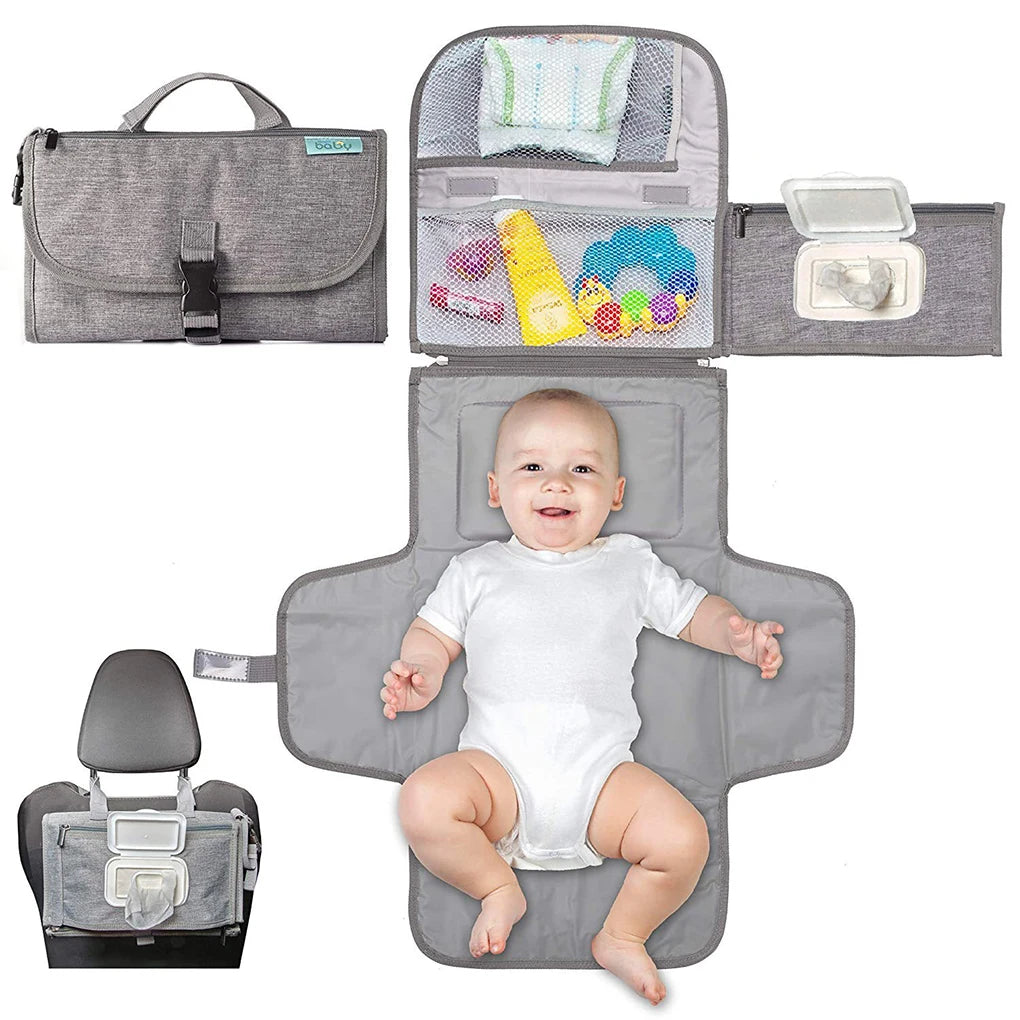
diaper change outside + travel diaper mat — See it in action.
Compare: disposable liners vs washable pads
The best changing pad setup depends on how often you travel, how much cleaning access you have, and your preference for convenience versus reusability. Both disposable liners and washable pads can support easier diaper changes when used correctly.
| Option | Best for | Pros | Cons |
|---|---|---|---|
| Disposable liners | Short outings, emergencies, and situations without washing access | Fast cleanup, convenient disposal, helps reduce direct mess on the pad | Creates more waste and requires ongoing replacement costs |
| Washable pads | Daily use, frequent travelers, and parents looking for reusable options | Reusable, softer surface options, lower long-term cost, less waste | Requires regular washing, drying time, and proper waterproof changing pad cleaning |
Many families combine both options by using a washable pad as the main surface and adding disposable liners during longer trips or higher-mess situations. This approach helps reduce cleaning time while keeping a comfortable changing area available.
Which pad fits your family's needs?
The right diaper pad should match your daily routine, cleaning habits, and baby’s comfort needs. Look for features that make changing pad maintenance simple, such as waterproof layers, easy-wipe surfaces, durable stitching, and materials that can handle repeated cleaning.
Product fit examples
- For skin sensitivity: Choose soft cotton or bamboo contact layers, fragrance-free cleaning compatibility, and materials that remain gentle after repeated washing.
- For travel: Select a foldable, waterproof changing pad with a compact design, quick-clean surface, and easy storage pouch.
- For frequent outdoor changes: Look for durable waterproof protection, simple wipe-down care, and enough space for comfortable diaper changes.
A practical option for parents who want a reusable travel solution is the 3-in-1 Baby Diaper Pad . Its compact design makes it easier to maintain a consistent cleaning routine while keeping diaper changes organized at home or away.
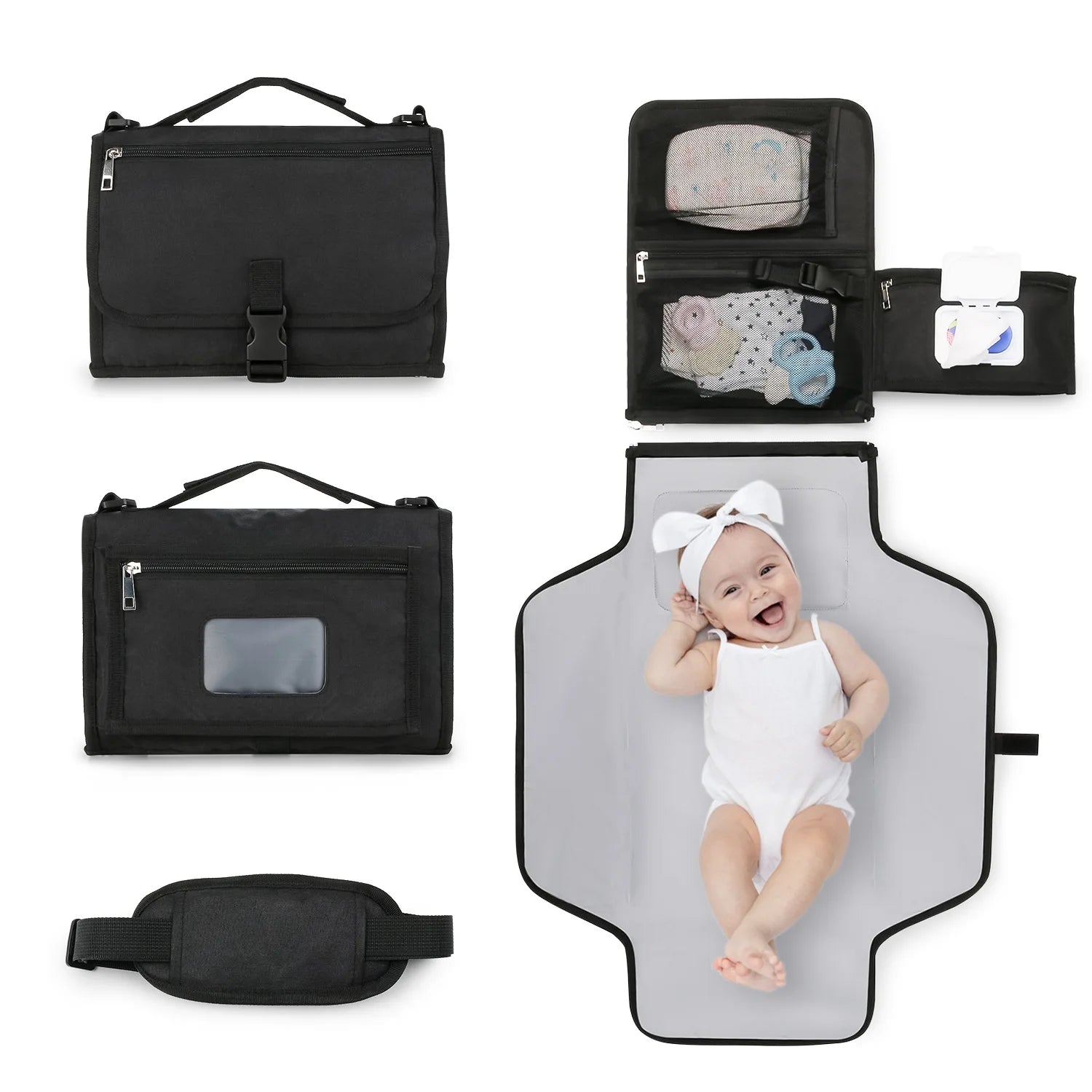
how to clean diaper pad + diaper change without wipes — See it in action.
Ready for a travel-friendly changing solution? Explore the 3-in-1 Baby Diaper Pad for a convenient option designed for everyday diaper routines.
Visual checklist: waterproof changing pad cleaning routine
Daily cleaning checklist
- ☐ Remove diaper residue immediately after use.
- ☐ Wipe the surface with water or a baby-safe cleaner.
- ☐ Remove leftover moisture with a clean towel or cloth.
- ☐ Allow the pad to dry before folding and storing.
Weekly deep clean checklist
- ☐ Wash according to the manufacturer’s care instructions.
- ☐ Use mild, fragrance-free cleaning products.
- ☐ Rinse thoroughly to prevent cleaner buildup.
- ☐ Check seams, edges, and waterproof layers for damage.
Sanitizing reminders
- ☐ Sanitize after major messes, illness, or situations requiring extra cleaning.
- ☐ Use only disinfectants approved for the pad’s material.
- ☐ Avoid frequent harsh chemical treatments that may weaken waterproof coatings.
Drying and storage steps
- ☐ Keep the pad open until completely dry.
- ☐ Avoid sealing damp pads inside diaper bags.
- ☐ Store in a clean, breathable pouch when not in use.
Mini FAQ
- 1. Can you wash a waterproof changing pad in the washing machine?
- Some washable changing pads can be machine washed, but the correct method depends on the materials and manufacturer instructions. Pads with waterproof coatings may require gentle cycles, mild detergent, and low heat or air drying to prevent damage.
- 2. How often should you disinfect a changing pad?
- Routine cleaning after use is usually enough for everyday maintenance. Disinfecting may be useful after heavy soiling, illness, or situations where extra sanitation is needed. Avoid overusing strong disinfectants that can affect waterproof surfaces.
- 3. Can bleach damage a waterproof changing pad?
- Yes, frequent or incorrect bleach use may weaken some waterproof layers, fabrics, and coatings. Only use bleach if the manufacturer specifically allows it and follow the recommended dilution and cleaning instructions.
- 4. How do you remove urine smell from a changing pad?
- Start by washing the affected area with mild soap and water, rinse thoroughly, and allow the pad to dry completely. For persistent odors, use a material-safe deodorizing method recommended by the manufacturer and avoid masking smells with strong fragrances.
- 5. What is the safest cleaner for a baby changing pad?
- A mild, fragrance-free cleaner with warm water is often the safest choice for regular waterproof changing pad cleaning. Choose products that are suitable for baby-related surfaces and always remove any remaining residue before reuse.
- 6. Which products pair well for a complete routine?
- A complete diaper care setup may include a reusable changing pad, disposable liners for travel, a soft cleaning cloth, a small spray bottle, and breathable storage. Explore Baby Care Essentials for related baby care products.
Quick recap : Consistent cleaning habits help keep waterproof changing pads fresh, comfortable, and ready for daily diaper changes. Remove messes quickly, use gentle cleaners, rinse away residue, dry completely, and follow material-specific care instructions to support long-lasting performance.
Pillar Article: Not Found
Other Related Articles:
- Diaper Pad With Storage Pockets for Organized Parents on Busy Days
- Waterproof Travel Changing Pad Features That Protect Baby Anywhere
Explore More:





