

How can you make bath time fun for kids?
Answer: How to make bath fun for kids starts by turning a daily routine into a positive experience through play, choice, and predictable routines. Interactive bath toys, simple bath time games, storytelling, and a calming bath time social story help children feel more confident while reducing resistance. Pair these activities with a warm, comfortable environment and age-appropriate routines to make bath time enjoyable for children and less stressful for parents.
How to Make Bath Fun for Kids Step by Step
⏱ 7 min read · Wondering how to make bath fun without turning every evening into a negotiation? This guide shares practical, low-stress ideas that help children enjoy bath time through interactive play, simple routines, sensory-friendly strategies, and confidence-building activities. Whether you're looking for fun bath time ideas for kids or wondering how to make bath time fun for toddlers, you'll find realistic tips that fit busy family routines.
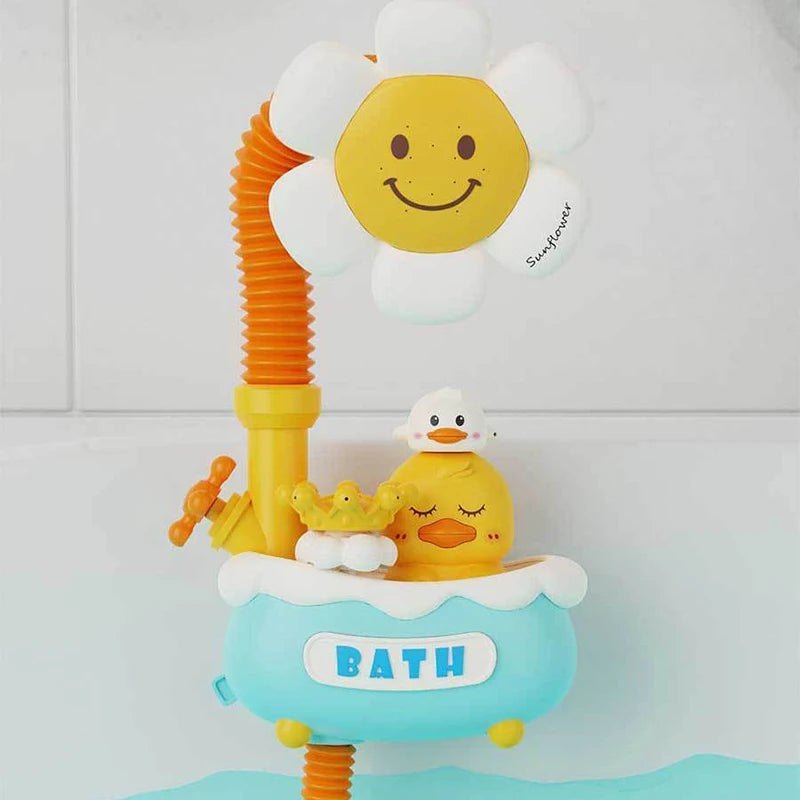
Fun ideas for bath time start with playful tools — See it in action
Why Do So Many Kids Resist Bath Time?
Children rarely resist baths simply to be difficult. More often, bath time feels uncomfortable because of unfamiliar sensations, abrupt transitions, or anxiety about specific parts of the routine. Understanding the reason behind your child's reaction is one of the most effective ways to help kids enjoy bath time and build positive long-term habits.
Common Triggers: Fear, Temperature, Water in the Eyes, and Sensory Overload
Every child experiences bath time differently. Some dislike stepping away from play, while others become overwhelmed by water, sound, or unexpected sensations. Identifying the trigger allows parents to choose strategies that match the child's needs instead of relying on distractions alone.
- Sudden temperature changes that make entering or leaving the tub uncomfortable.
- Water in the eyes or ears during rinsing, especially while washing hair.
- Loss of control when adults move too quickly through the routine.
- Sensory overload from splashing, echoes, bright lighting, or slippery textures.
- Interrupting favorite activities without enough warning before bath time.
Instead of assuming stubbornness, think of bath resistance as communication. Once you understand what's causing the discomfort, it's much easier to make bath time enjoyable for children with simple adjustments.
How to Identify Your Child's Bath-Time Trigger
Watch for patterns over several evenings. Does your child become upset when the water starts running, during hair washing, or when it's time to get into the tub? A consistent trigger often points to the solution.
- If they dislike getting in, warm the bathroom and give a five-minute transition warning.
- If rinsing causes tears, use a rinse cup slowly while encouraging your child to look upward.
- If they seem overwhelmed by noise or bright lights, create a calmer environment with softer lighting and quieter water flow.
- If they want more independence, let them choose a toy, washcloth, or pretend-play theme.
Small changes based on your child's specific needs are often more effective than constantly introducing new toys. Combining comfort, predictability, and playful interaction creates a routine children learn to expect instead of fear.
Step-by-Step: How to Make Bath Fun
How to make bath fun starts with creating an experience that feels safe, predictable, and engaging. Rather than relying on entertainment alone, combine playful activities with simple routines that encourage cooperation and confidence.
- Prepare the bathroom before your child arrives.
- Offer simple choices so they feel involved.
- Turn washing into an interactive game or story.
- Finish with a calm, predictable transition toward bedtime.
1. Prepare the Environment
A welcoming bathroom helps children relax before they even touch the water. Warm the room, lay out towels in advance, and have everything within reach so bath time feels smooth instead of rushed.
2. Give Them Choices
Children are more likely to cooperate when they have age-appropriate control. Let them choose between two bath toys, decide which body part to wash first, or pick tonight's pretend-play adventure.
3. Use Games With a Purpose
Simple bath time games encourage participation while making washing easier. Count bubbles together, pretend the sponge is a friendly sea creature, or ask your child to "rescue" floating toys while you wash arms and legs.
4. Close With Comfort
Finish every bath with the same calming routine, such as wrapping up in a warm towel, singing a favorite song, reading a short story, or giving a comforting hug. Predictable endings help children transition smoothly from bath time to the rest of the bedtime routine.
How Sensory Play Makes Bath Time More Enjoyable
Sensory play helps children build positive associations with bathing by making water feel familiar instead of overwhelming. Rather than adding more stimulation, focus on adjusting the environment and choosing activities that match your child's comfort level.
Adjust Water Temperature, Lighting, and Noise
Small environmental changes can make bath time more comfortable, especially for children who are sensitive to new sensations.
- Keep the water comfortably warm before your child enters the tub.
- Reduce bright lighting if it feels harsh or overstimulating.
- Run the faucet before your child arrives if loud water sounds cause anxiety.
- Keep towels and pajamas ready to avoid chilly transitions after the bath.
Make Rinsing and Hair Washing Less Stressful
Hair washing is often the most challenging part of bath time. Slow, predictable steps help children feel more secure.
- Explain what will happen before pouring water.
- Use a rinse cup carefully and encourage your child to look upward.
- Offer a dry washcloth for wiping eyes if water splashes.
- Praise calm cooperation rather than rushing through the task.
Choose Sensory-Friendly Bath Activities
Simple activities encourage exploration without overwhelming children. Rotate just a few activities instead of filling the tub with too many toys.
- Floating toys encourage imaginative play.
- Pouring cups strengthen hand-eye coordination and fine motor skills.
- Foam shapes or letters make learning playful while sticking to wet surfaces.
- Gentle bubble play introduces cause and effect without creating unnecessary clutter.
Explore gentle play tools in the Sensory Toys collection.
What Is a Bath Time Social Story?
A bath time social story for kids is a short, reassuring story that walks children through each step of the bath before it happens. By making the routine predictable, social stories help reduce uncertainty and encourage cooperation, especially for children who benefit from visual or verbal routines.
For example: "First we turn on the warm water. Next we step into the tub. Then we wash our hands, arms, body, and hair. After that we rinse, dry off with a warm towel, and put on cozy pajamas."
Why Social Stories Work
- Reduce anxiety by making each step predictable.
- Build confidence through repetition.
- Encourage smoother cooperation during bathing.
- Support easier transitions into bedtime routines.
How to Create a Simple Bath Time Social Story
Keep the story short, positive, and consistent. Use simple language your child understands, describe each step in order, and avoid focusing on things that might go wrong. Reading the same story before bath time each evening helps children know exactly what to expect.
Keeping Bath Time Safe and Stress-Free
Fun and safety go hand in hand. A few simple habits help create a secure environment while allowing children to enjoy independent play under close supervision.
Never Leave a Child Unattended
Stay within arm's reach throughout the bath, even if your child seems confident in the water. Gather towels, soap, and clean clothes before filling the tub so you never need to step away.
Choose Age-Appropriate Bath Toys
Select toys designed for your child's age and developmental stage. Avoid toys with small detachable parts that may become choking hazards, and inspect bath toys regularly for damage.
Clean and Dry Bath Toys Regularly
Bath toys can trap water, encouraging mold and bacteria to grow inside. Empty squeeze toys after every bath, allow them to dry completely, and clean them regularly according to the manufacturer's instructions. Replacing worn or damaged toys helps keep bath time both hygienic and enjoyable.
Helpful safety tools can be found in the Health & Safety collection.
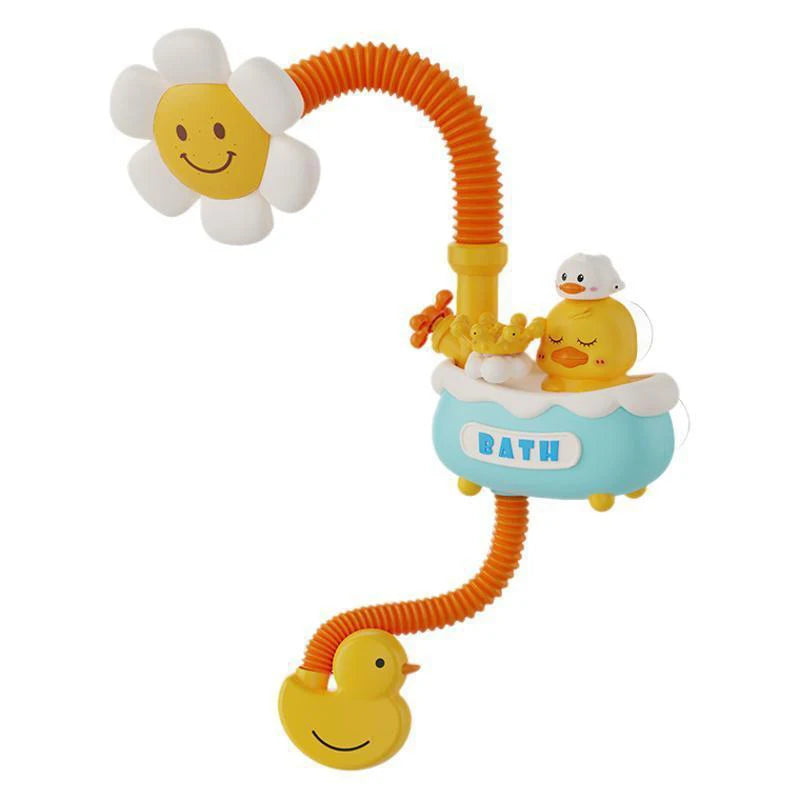
Interactive bath toys make learning playful — See it in action
Tools That Make Bath Time Easier
The right bath products support a positive routine, but they work best alongside playful interaction, predictable routines, and age-appropriate expectations. Choose tools that solve a specific challenge instead of filling the tub with unnecessary accessories.
Interactive Bath Toys for Toddlers
Interactive bath toys for toddlers encourage exploration while helping children stay engaged during washing. Rotate a few favorites every week so they remain exciting.
- Floating animals for imaginative storytelling.
- Pouring cups that develop coordination and introduce simple water play.
- Foam letters and numbers for early literacy and matching games.
- Soft sponges for pretend washing and gentle sensory exploration.
Simple Household Items for Bath Play
Fun bath time ideas for kids do not have to be expensive. Many bath time activities for toddlers can be created using everyday items you already own.
- Plastic measuring cups for pouring and filling.
- Clean plastic containers for floating and scooping.
- Washcloths for simple guessing games and pretend play.
- Foam soap bubbles for drawing shapes on the side of the tub.
When Bath Products Actually Help
Consider adding a new bath product when it addresses a specific need, such as encouraging reluctant bathers, supporting sensory play, or making hair washing easier. Whatever you choose, clean toys regularly, allow them to dry completely between uses, and replace damaged items that can trap moisture.
Browse more ideas in Baby Growth & Learning .
Building a Consistent Bath Routine
A predictable routine helps children know what comes next, reducing resistance and making bedtime transitions smoother. Consistency matters more than keeping the routine long.
Use the Same Simple Sequence
Follow the same order each evening—for example: bathroom, bath, wash, rinse, dry, pajamas, story, and bed. Familiar routines help children feel secure and encourage independence over time.
Give Transition Warnings Before Bath Time
Instead of stopping play abruptly, give gentle reminders such as "five more minutes" or "one more turn." Transition warnings help children finish what they're doing and prepare emotionally for the next activity.
Create a Calm Post-Bath Bedtime Routine
After drying off, move into relaxing bedtime activities like putting on comfortable pajamas, reading together, or listening to quiet music. A calm ending reinforces positive associations with bath time.
Try pairing bath time with cozy pajamas from the Sleep & Comfort collection.
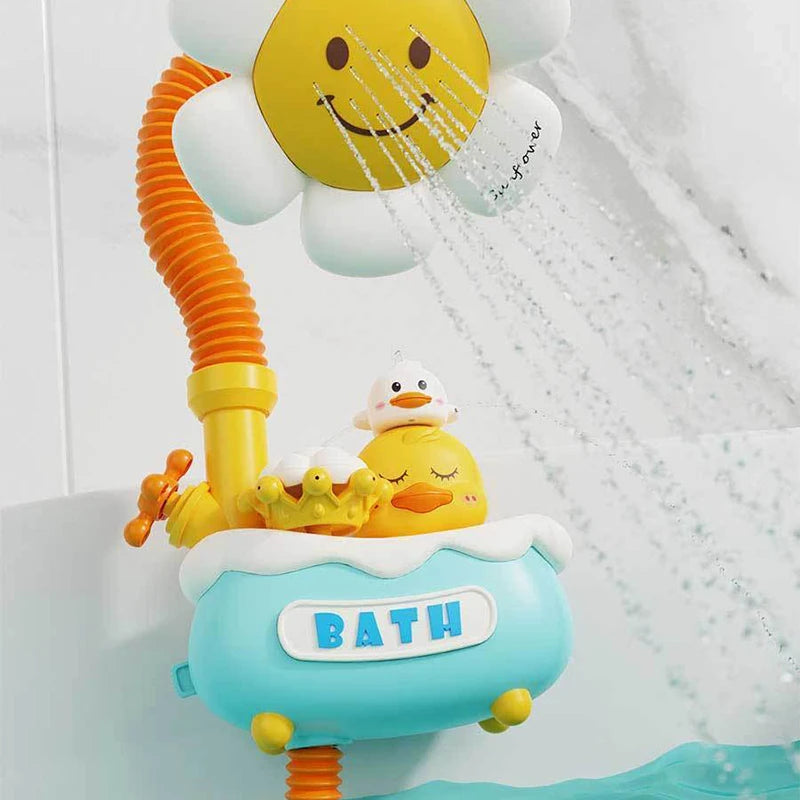
Turn nightly baths into joyful moments — See it in action
Mini FAQ
How long should bath time last?
For most children, 10–20 minutes is enough to clean up, play, and wind down without becoming overtired or overstimulated. Younger toddlers may enjoy slightly shorter sessions.
What if my child still resists bath time?
Identify the specific reason for the resistance before changing your approach. Some children need more transition time, while others benefit from a bath time social story, simple choices, or sensory-friendly adjustments. Consistency and patience usually work better than forcing the routine.
Are interactive bath toys helpful?
Yes. Interactive bath toys for toddlers can encourage imaginative play, fine motor development, and cooperation. Rotating a small selection of clean, age-appropriate toys often works better than offering many toys at once.
What are the best bath activities for toddlers?
Simple pouring games, floating toy rescues, foam letters, sponge squeezing, and pretend play are excellent bath time activities for toddlers because they combine learning with hands-on fun.
How can I make hair washing less stressful?
Explain each step before you begin, rinse slowly, encourage your child to look upward, and use a dry washcloth to wipe away drips around the eyes. Keeping the routine predictable helps many children become more comfortable over time.





