

How to Teach Kids Brushing the Right Way at Home
Learning how to teach kids to brush teeth starts with simple routines, patient guidance, and age-appropriate expectations. Parents can teach kids brushing teeth by demonstrating proper technique, creating consistent habits, and slowly building independence. With the right approach, children can develop strong oral hygiene skills that support healthy smiles from toddler years through elementary school.
How to Teach Kids Brushing the Right Way at Home
⏱ 8 min read
Learning how to teach kids brushing can feel challenging when children resist, rush, or struggle with technique. Many parents wonder when to begin, how much help to provide, and when a child is ready to brush alone. The key is to treat brushing as a skill that develops over time. With demonstrations, encouragement, and a predictable routine, teaching children to brush teeth becomes easier and more effective.
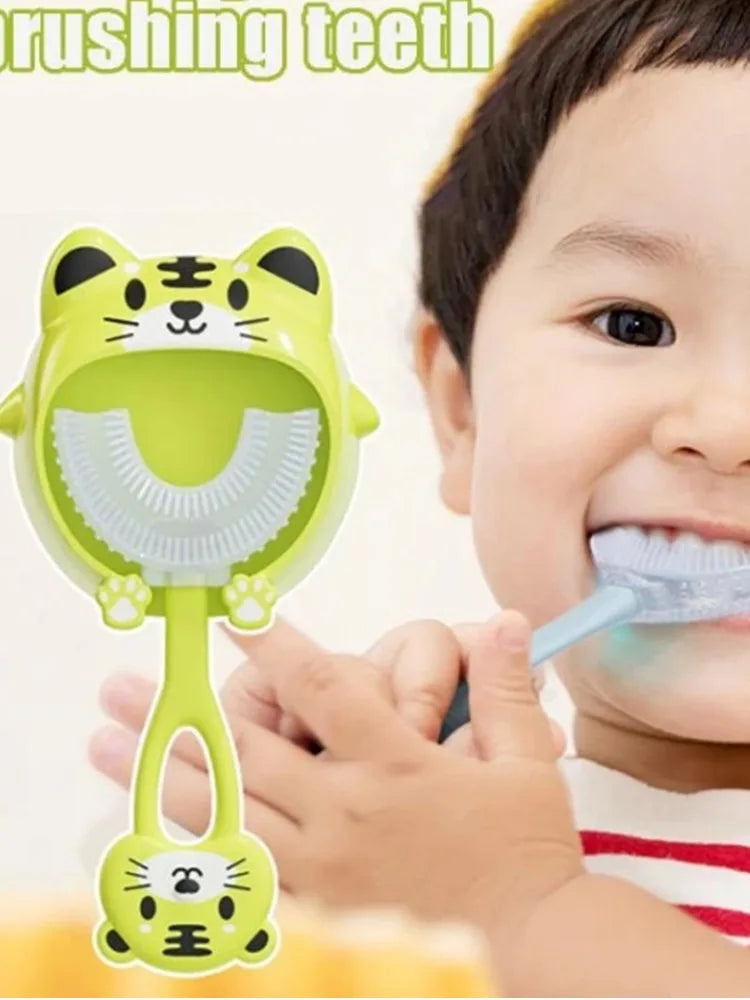
How to teach kids brushing at home with simple routines — See it in action
What brushing challenge happens most often in your home? Morning rush, bedtime resistance, or helping your child learn the right technique? The right strategy depends on your child’s age and current skills.
Why Proper Brushing Habits Matter Early
Teaching kids oral hygiene early helps children understand that brushing is part of everyday self-care. Young children do not naturally know how to clean every tooth surface, and many lack the coordination needed for effective brushing without help.
A consistent kids brushing teeth routine can help:
- Reduce plaque buildup that contributes to cavities.
- Protect developing teeth and gums.
- Create positive associations with dental care.
- Build habits that continue into adulthood.
Parents should focus on teaching skills gradually instead of expecting perfect brushing immediately. Repetition, supervision, and encouragement are what help children improve.
When to Teach Kids to Brush Teeth: Age-by-Age Guide
Knowing when to teach kids to brush teeth depends on development, coordination, and confidence. Children learn at different speeds, but these general stages can help parents understand how much support to provide.
Teaching Babies and Toddlers Early Brushing Skills
Baby oral hygiene begins before children can brush independently. Parents can introduce brushing by gently cleaning gums and early teeth, allowing toddlers to hold a toothbrush, and creating a familiar routine.
- Introduce brushing as part of morning and bedtime care.
- Allow toddlers to practice holding the toothbrush.
- Use simple words to explain what is happening.
- Continue helping because toddlers cannot clean effectively alone.
These early experiences help toddlers become comfortable with brushing instead of viewing it as a stressful task.
How to Teach Preschoolers to Brush Independently
Oral hygiene for preschoolers focuses on learning basic technique while parents continue supervising. Preschool children often want independence but may still miss important areas like back teeth and gum lines.
- Show slow circular brushing movements.
- Encourage children to copy your technique.
- Let them brush first, then complete missed areas.
- Use reminders about reaching every tooth.
Teaching Oral Hygiene to Elementary Students
Teaching oral hygiene to elementary students means moving toward independence while still checking their habits. Children at this age can understand why brushing matters and begin taking more responsibility.
- Encourage full two-minute brushing sessions.
- Teach children to brush all tooth surfaces.
- Help them recognize when teeth feel clean.
- Continue occasional supervision.
Parents can also explore helpful resources from Baby Hygiene Gadgets and Baby Care Essentials to support everyday care routines.
How to Teach Kids Brushing Step by Step
How to teach kids brushing works best when children see, practice, and repeat the same steps every day. Instead of giving instructions once, parents can guide the process until the habit becomes natural.
Show the Correct Brushing Technique
Start by teaching children a simple brushing sequence they can remember:
- Place the toothbrush gently against teeth and gums.
- Brush the outside surfaces of upper and lower teeth.
- Clean inside surfaces and chewing areas.
- Brush the tongue gently if recommended.
- Rinse and store the toothbrush properly.
Teach the Two-Minute Brushing Habit
Most children need about two minutes to brush thoroughly. Younger children may need help reaching this goal, while older children can use timers or songs to stay on track.
Use Demonstration and Modeling
Children often learn by copying adults. Brushing together allows parents to demonstrate movements, show consistency, and make the routine feel normal.
- Brush your teeth alongside your child.
- Explain what you are doing in simple language.
- Guide their hand when needed.
- Praise effort and improvement.
Why Kids Resist Brushing and How to Make It Easier
Many parents searching for how to get kids to brush teeth are dealing with common resistance, not bad behavior. Children may refuse because they are tired, distracted, uncomfortable, or still learning control.
Handling Toothbrushing Refusal
When children refuse brushing, avoid turning the moment into a daily battle. Instead, create choices within the routine.
- Let children choose between two toothbrush designs.
- Offer a choice of brushing before or after pajamas.
- Keep instructions short and positive.
Using Positive Reinforcement and Rewards
Small encouragement can make brushing feel successful. Praise consistency, teamwork, and effort instead of only focusing on whether every movement is perfect.
Turning Brushing Into a Fun Activity
Simple activities can motivate children:
- Use a two-minute brushing song.
- Create a weekly brushing chart.
- Let children practice brushing a toy’s teeth.
Building a Kids Brushing Teeth Routine That Sticks
A predictable kids brushing teeth routine reduces arguments because children know what happens next. Consistency is more important than making every brushing session perfect.
Create Morning and Bedtime Brushing Habits
A simple daily routine may look like:
- Morning: Brush after breakfast and before starting the day.
- Night: Brush after the final snack or drink before bedtime.
Use Visual Charts and Reminders
Visual reminders help younger children understand routines. Parents can use simple checklists showing brushing, rinsing, and putting tools away.
Make Brushing Part of Family Routine
Children are more likely to follow habits they see regularly. Family brushing time helps normalize oral care and encourages participation.
Tools That Make Brushing Easier for Kids
The right tools can support teaching kids oral hygiene by making brushing more comfortable and easier to understand. Products should support learning rather than replace parental guidance.
Choosing Child-Friendly Toothbrushes
A child-friendly toothbrush should fit comfortably in small hands and mouths. The U-Shape Kids Toothbrush can help simplify brushing by providing broad contact with teeth and reducing the amount of technique required.
- Designed for easier coverage.
- Helpful for children learning brushing movements.
- Supports calmer daily routines.
- Comfortable for developing mouths.
Fluoride Toothpaste Guidance for Children
Parents should choose toothpaste based on their child’s age and follow guidance from dental professionals. The amount used should be appropriate for the child’s developmental stage.
Using Timers and Brushing Apps
Timers, songs, and brushing apps can help children understand how long two minutes feels and encourage consistency.
Parents can also find learning-focused resources through Baby Growth & Learning .
Common Mistakes to Avoid When Teaching Brushing
Even caring parents can accidentally make brushing harder. Avoiding these common mistakes helps children develop confidence.
- ❌ Expecting perfect technique too early.
- ❌ Letting children brush completely alone before they are ready.
- ❌ Turning every brushing session into an argument.
- ❌ Skipping brushing when routines become busy.
Gentle guidance and consistent practice create better long-term habits than pressure.
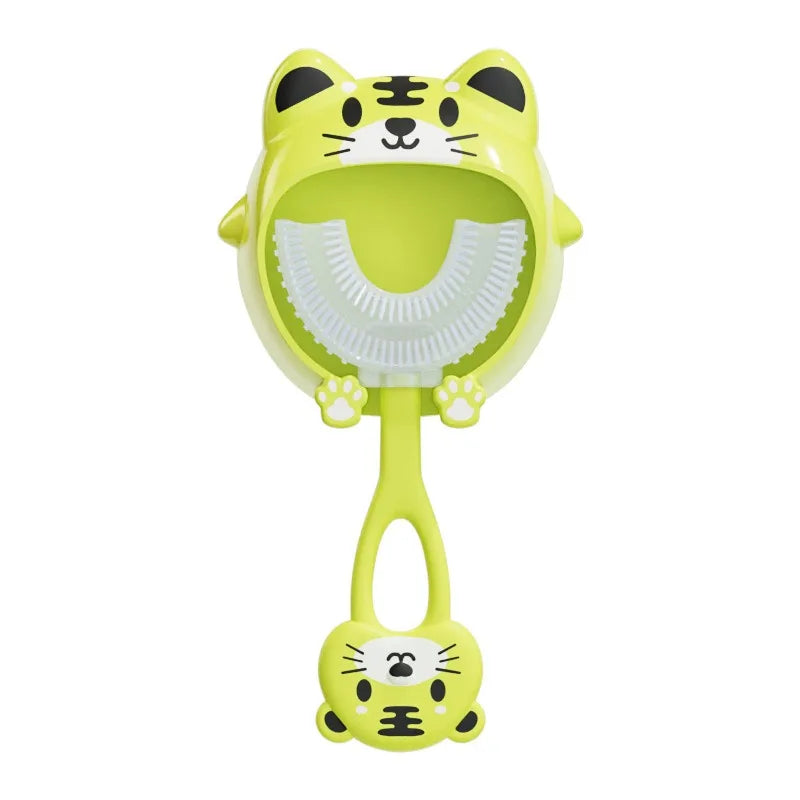
How to teach kids brushing with less stress and better results — See it in action
Signs Your Child Is Ready to Brush Alone
Knowing when parents should stop helping with brushing depends on skill development rather than age alone. Many children need supervision until around age seven or eight because fine motor skills are still developing.
Your child may be ready for more independence when they can:
- Brush for the full recommended time.
- Reach all areas of the mouth.
- Follow a consistent brushing sequence.
- Remember brushing without repeated reminders.
Even when children brush independently, occasional checks help ensure they are maintaining good technique.
Quick Questions Parents Ask
How do I teach my child to brush their teeth?
Teach your child by demonstrating the steps, brushing together, guiding their movements, and gradually allowing more independence. Repetition and encouragement help children learn proper technique.
At what age should kids start brushing their own teeth?
Children can begin practicing early, but most need adult help or supervision until around age seven or eight when coordination improves.
How can I get my child to brush teeth without fighting?
Create predictable routines, offer small choices, use positive encouragement, and avoid making brushing feel like a punishment.
How long should kids brush their teeth?
Children should generally brush for about two minutes twice daily. Timers, songs, or brushing apps can make this easier to follow.
Should parents use fluoride toothpaste for kids?
Fluoride toothpaste is commonly recommended for children, but parents should use an age-appropriate amount and follow advice from dental professionals.





