

Do bath toys really help stop kids crying during bath?
Bath toys can help stop kids crying during bath, but they are not a complete solution for bath anxiety. The best bath toys to calm kids work by shifting attention, creating familiar routines, and building positive associations with water. For children who are sensitive to noise, temperature, or water on the face, sensory bath toys for toddlers may offer additional comfort. First identify the cause of the distress, then use play, predictability, and gentle reassurance as part of a calming routine.
Kids Crying During Bath: Causes, Calming Tips, and Bath Toys That Help
⏱ 7 min read
Kids crying during bath can turn an ordinary evening routine into a stressful experience for the whole family. A baby may cry as soon as they touch the water, while a toddler who once loved baths may suddenly refuse to get into the tub. The solution is rarely about finding one perfect toy. Understanding the reason for the tears, adjusting the environment, and creating a predictable routine can make bath time feel safer. The right bath toys can then add comfort, curiosity, and fun without becoming the only strategy.
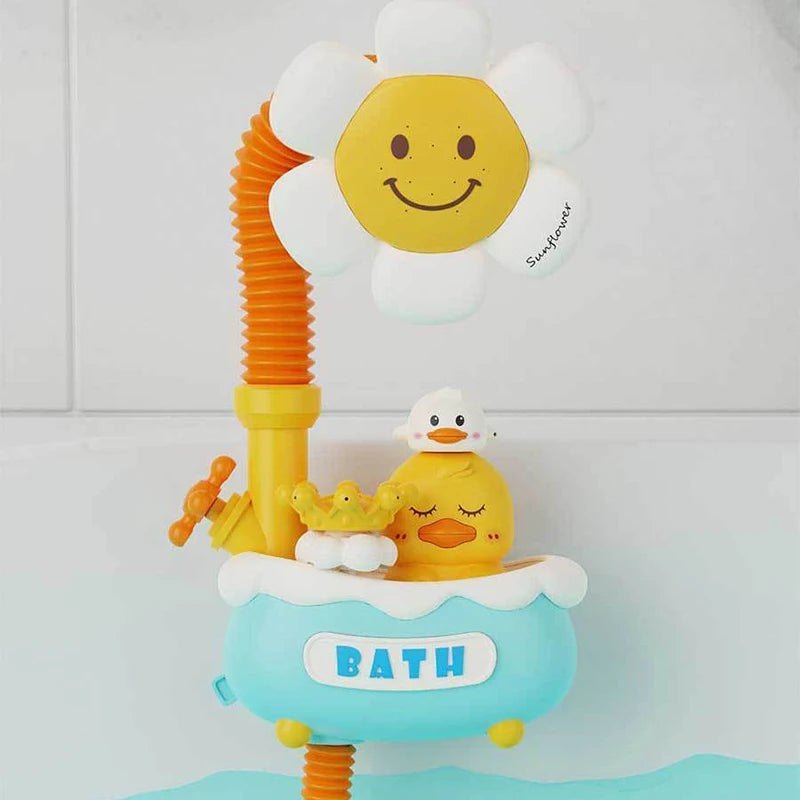
Sensory bath toys can support calmer bath time by giving children a familiar, engaging activity.
Why kids cry during bath time
If you are wondering why do kids cry during bath , start by looking beyond behavior. Bath time combines several sensations and transitions that can feel overwhelming to a young child. Water may feel too hot or cold, the bathroom may echo, soap may sting the eyes, or the child may dislike the feeling of water running over their head. Toddlers can also resist because a bath interrupts play or because they want more control over what happens next.
Common reasons babies cry during baths
Babies have limited ways to communicate discomfort, so crying may be their main response to an unfamiliar bath experience. Common triggers include being undressed, feeling unsupported in the water, sudden temperature changes, hunger, tiredness, or water splashing onto the face. A baby may also react to the sensation of being moved into or out of the tub.
- Water that feels too warm or too cool
- Feeling unstable or unsupported
- Sudden splashes or water near the face
- Hunger, tiredness, or overstimulation
- Soap or shampoo irritating sensitive skin or eyes
Why toddlers suddenly develop bath time anxiety
Toddler crying at bath time can appear suddenly, even after months of easy baths. As children become more aware of their surroundings, they may develop new fears or become more determined to control their routines. A previous unpleasant experience, such as slipping, getting shampoo in the eyes, or having water poured over the head, can also create a lasting association with bath time.
For some children, the biggest issue is simply the transition. Moving from an exciting activity to a bath can feel like losing control. Giving a toddler advance notice and a small choice, such as which toy to bring into the bath, can make the transition easier.
Sensory and emotional triggers behind bath fears
Bath time anxiety in toddlers may be linked to sensory sensitivity. Bright bathroom lighting, loud running water, strong fragrances, slippery surfaces, or the echo of the room can all contribute to distress. Children who dislike certain textures may also resist washcloths, shampoo, or wet hair.
Understanding the trigger helps you choose the right response. A child who fears water on the face needs a different approach from a child who becomes upset because the bath feels boring or because they do not want to stop playing.
Kids crying during bath by age: what changes from baby to toddler
The likely reason for kids crying during bath often changes as children develop. Recognizing the child's age and stage can help you choose more appropriate calming strategies instead of expecting the same solution to work for every child.
Newborn and infant bath crying causes
Newborns and young infants may cry because bathing involves several unfamiliar sensations at once. They are being undressed, exposed to air, moved into water, and handled in a new position. Keeping the routine short, warm, calm, and predictable can help. Support the baby's body securely and avoid unnecessary splashing or sudden movements.
Older baby bath fears and developmental changes
Older babies become more aware of cause and effect and may react strongly to water on their face, sounds from the faucet, or unfamiliar bath products. They may also become more mobile and frustrated by being asked to sit still. Simple floating or pouring activities can give them something predictable to explore while you complete the washing routine.
Toddler and preschooler bath resistance
Toddlers and preschoolers often want more independence. Resistance may be connected to stopping play, fear of shampoo, dislike of hair washing, or a desire to control the sequence. A consistent bath routine for toddlers can help by making the order of events predictable. Offering limited choices, such as choosing between two toys or deciding whether to wash arms or legs first, gives children an appropriate sense of control.
How to identify why your child is crying during bath time
Before trying to calm a child, look for patterns. A simple troubleshooting approach can reveal whether the problem is sensory, emotional, environmental, or physical. Change one factor at a time so you can tell what actually helps.
Bath time crying troubleshooting checklist
- Cries immediately on entering the water: Check water temperature, the transition into the tub, and whether the child feels securely supported.
- Cries when the faucet runs: Try filling the tub before bringing the child into the bathroom and reduce sudden or loud sounds.
- Cries when water touches the face: Keep water away from the face initially and use a damp cloth for gentle washing.
- Cries during hair washing: Consider whether shampoo stings, water runs into the eyes, or the child dislikes the sensation of wet hair.
- Cries only in a particular bathroom: Look at lighting, temperature, echoes, smells, or other environmental triggers.
- Cries after a few minutes: Consider boredom, tiredness, hunger, or overstimulation.
Signs your child dislikes the environment
Watch for behaviors that occur before the bath even begins. Covering the ears may suggest sensitivity to sound. Squinting or turning away may indicate discomfort with bright lighting. Avoiding certain soaps or washcloths may point to sensitivity to smells or textures. These clues can help you make small environmental changes before introducing new toys.
When discomfort may be causing tears
If your child reacts strongly whenever a particular product touches the skin, check for dryness, redness, or irritation. A child who cries when you wash a specific area may be experiencing discomfort rather than simply resisting the bath. In these situations, reducing potential irritants and seeking medical advice when symptoms persist may be more helpful than adding distractions.
For additional guidance, review a Baby Care Essentials routine that supports comfortable daily care.
How a bath time social story reduces fear
A bath time social story can help children who become anxious because they do not know what will happen next. A short, reassuring story can describe the routine in order: walking to the bathroom, checking the water, getting into the tub, playing, washing, getting out, drying, and getting dressed.
The goal is not to persuade a frightened child to ignore their feelings. Instead, the story makes the routine more predictable. For children with bath time anxiety in toddlers , predictability can reduce uncertainty and give them a clearer sense of what to expect.
- Tell your child about bath time before the transition begins.
- Use the same simple sequence each time.
- Explain what will happen before touching the child's hair or face.
- Give limited choices where possible.
- Use familiar words and avoid surprising changes.
Pairing a predictable story with a consistent routine can be especially useful when transitioning from play to bath and later into bedtime. You can also explore ideas from Sleep & Comfort to support a calmer evening routine.
Why sensory bath toys soothe anxious kids
Sensory bath toys for toddlers can support emotional regulation by giving children a predictable activity to explore while they adjust to being in the water. Squeezing, pouring, floating, stacking, or watching water move can provide gentle sensory input and shift attention toward something enjoyable.
However, sensory toys are best viewed as a support rather than a complete solution. If a child is crying because the water is uncomfortable, their skin hurts, or they are frightened of slipping, a toy alone is unlikely to resolve the underlying problem. Address the trigger first, then use play to make the experience more positive.
- Predictable textures: Familiar materials can feel more comfortable than unexpected sensations.
- Gentle movement: Floating or slow-moving toys can encourage calm observation.
- Cause-and-effect play: Pouring and squeezing give children control over simple actions.
- Focused attention: A manageable activity can help redirect attention away from mild anxiety.
- Familiarity: Using the same favorite toy can create a positive association with bath time.
When choosing toys, prioritize age-appropriate designs, smooth surfaces, easy-to-clean construction, and materials suitable for regular water play. Resources from Sensory Toys and Baby Bath Accessories can help families build a more comfortable bath setup.
How interactive bath toys distract and engage
For children whose tears are driven by boredom, frustration, or difficulty transitioning into the tub, interactive play can be a useful way to make bath time fun for kids. A simple water wheel, floating animal, or pouring activity gives the child something interesting to do while they settle into the routine.
The most effective approach is to match the toy to the child's needs. A child who becomes overwhelmed easily may prefer one quiet activity rather than a tub full of toys. A child who is simply bored may enjoy a toy that introduces movement and cause-and-effect play.
What to look for in interactive bath toys
- Gentle engagement: Choose toys that encourage play without excessive noise or flashing stimulation.
- Age-appropriate design: Follow the manufacturer's age guidance and avoid small parts that may create choking hazards.
- Easy cleaning: Select toys that can be rinsed and dried thoroughly to reduce buildup.
- Simple play patterns: Pouring, floating, stacking, and squeezing are easy activities for young children to understand.
- Comfortable handling: Toys should be easy for small hands to grip without sharp edges.
The Clouds Duck Bath Toy is one example of a playful bath option that can help provide an engaging focal point during water play. Use it as part of a broader calming routine rather than relying on a toy to resolve persistent fear or discomfort.
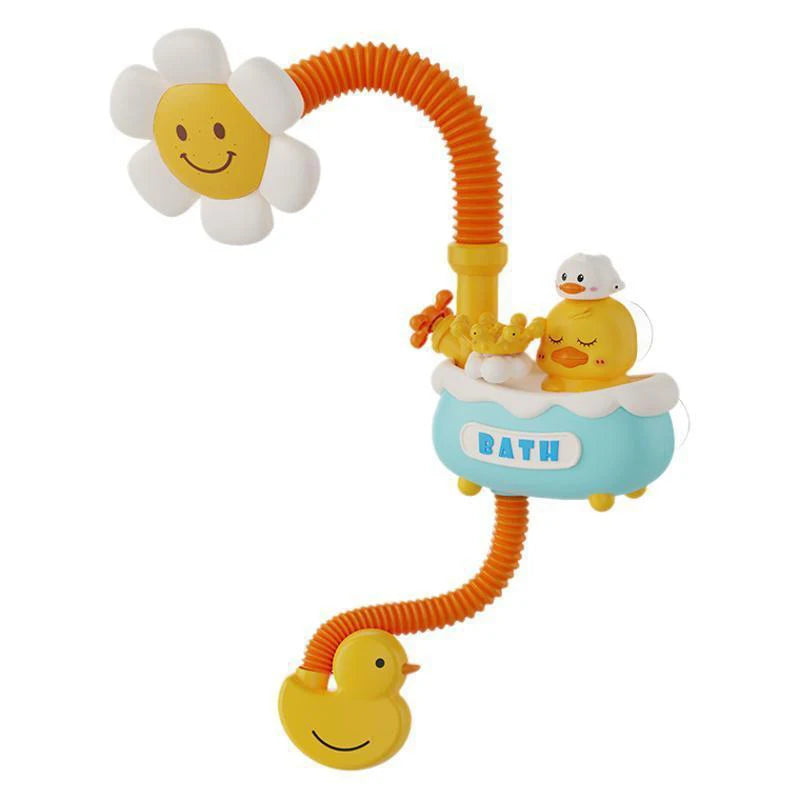
Interactive bath toys can shift attention toward gentle, age-appropriate play.
Step-by-step ways to calm a child crying during bath
If you need to know how to calm baby during bath or help a toddler who is resisting the tub, use a gradual approach. The goal is to reduce the source of distress while helping your child build positive associations over time.
Before bath: prepare a comfortable environment
- Check the water temperature: Make sure the water feels comfortably warm rather than relying only on how it feels to you.
- Prepare everything first: Have towels, washcloths, clean clothes, and bath products within reach so the routine stays calm and efficient.
- Reduce sensory triggers: Adjust harsh lighting, loud sounds, strong fragrances, or other environmental factors that seem to upset your child.
- Give advance notice: Tell your toddler that bath time is coming instead of ending play abruptly.
- Offer one small choice: Let your child choose between two appropriate toys or decide which body part to wash first.
During bath: respond calmly and gradually
- Stay close and reassuring: Use a calm voice and simple language.
- Introduce water slowly: If your child fears splashing, avoid pouring water over the face or head without warning.
- Follow the child's comfort level: Begin with gentle play before moving into washing if that helps the child settle.
- Use a familiar toy: A favorite sensory or interactive bath toy can provide a predictable focus.
- Keep the routine manageable: If the child becomes increasingly distressed, focus on essential washing rather than forcing extended play.
After bath: create positive associations
End the routine with something predictable and pleasant. Dry your child gently, offer comfortable clothing, and move into a familiar post-bath activity such as reading a story or quiet cuddling. Consistently ending bath time on a calm note can help children gradually associate the routine with comfort rather than conflict.
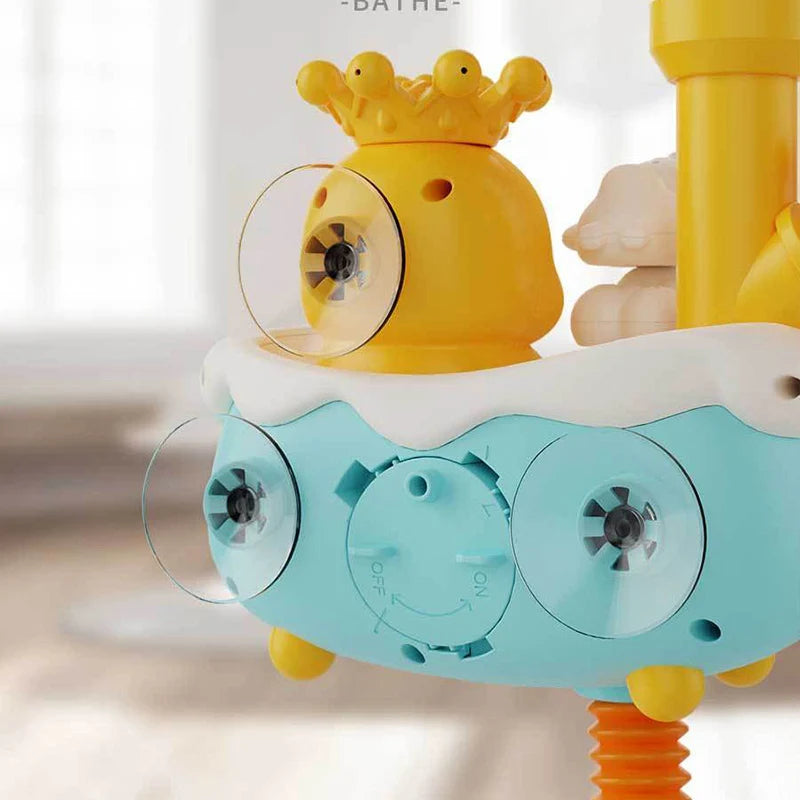
A predictable bath-to-bed routine can help children build more positive associations over time.
When bath time crying may need medical advice
Occasional crying during bath is common, but persistent or unusually intense distress can sometimes signal a physical problem. If changing the water temperature, products, environment, and routine does not help, consider whether discomfort may be contributing.
Skin conditions and irritation
Dry skin, eczema, rashes, or irritation can make bathing uncomfortable. A child may cry when water or cleansing products touch irritated areas. Look for redness, cracking, itching, or changes in the skin and discuss persistent symptoms with a healthcare professional.
Signs of pain or illness
Seek medical advice if crying is accompanied by signs of illness, significant pain, unusual lethargy, fever, or other symptoms that concern you. A child who suddenly begins crying intensely during every bath may need evaluation if the change cannot be explained by a routine or environmental factor.
When sensory concerns should be discussed
If your child shows strong sensory reactions across many everyday situations—not only during bathing—it may be worth discussing your observations with a pediatrician or other qualified professional. Persistent distress that interferes with daily care deserves attention, especially when you cannot identify a clear trigger.
For children with recurring skin concerns, additional information about Baby Care Essentials may also be useful when reviewing everyday care routines.
Mini FAQ
Why do kids cry during bath even if they liked it before?
Children can develop new fears as they grow. A previous unpleasant experience, such as slipping, getting soap in the eyes, or having water poured over the face, may change how they feel about bathing. Developmental changes, sensory sensitivity, or a stronger desire for independence can also lead to sudden bath resistance.
How can I calm my baby during bath time?
Check the water temperature, keep your baby's body securely supported, reduce sudden movements and loud sounds, and keep the bath routine calm and predictable. If your baby becomes upset, use a gentle voice and avoid rushing through unfamiliar sensations. If crying is persistent or seems linked to pain or skin irritation, speak with a healthcare professional.
Why is my toddler suddenly afraid of baths?
A toddler may suddenly become afraid of baths after a frightening experience or because of new sensory sensitivities. They may also be resisting the transition away from play or seeking more control. Give advance warnings, offer limited choices, keep the sequence predictable, and introduce calming play gradually.
Do sensory bath toys help with bath anxiety?
Yes, sensory bath toys for toddlers can help some children by providing predictable textures, gentle movement, and focused play. They are most effective when combined with other strategies that address the underlying cause of anxiety, such as adjusting water temperature, reducing noise, or creating a consistent routine.
How can I make bath time fun for kids?
To make bath time fun for kids, keep the environment comfortable and introduce simple activities that match their age and interests. Try floating toys, pouring games, gentle water play, or a familiar bath-time story. Avoid overwhelming a sensitive child with too many toys or activities at once, and keep safety and supervision the priority.
When should bath time crying be checked by a doctor?
Consider contacting a healthcare professional if crying is persistent, unusually intense, associated with signs of pain or illness, or accompanied by skin irritation that does not improve. You should also discuss ongoing sensory concerns if your child's reactions extend beyond bath time and interfere with everyday activities.
Related Guide: Interactive Water Toys for Kids That Fit Every Bath Style





