

Does the best newborn bathing products really make bath time easier for new parents?
Answer: The best newborn bathing products streamline bath time by combining safety-focused design, temperature control, and ergonomic support—reducing stress, slips, and cleanup. Carefully chosen tubs, supports, mild cleansers, and temperature tools let caregivers bathe newborns faster, cleaner, and with more confidence, improving comfort for both baby and parent.
⏱ 12 min readBest Newborn Bathing Products: Key Features and Benefits Explained
Bath time shouldn’t be a source of anxiety. For new parents juggling sleep deprivation, sensitive skin worries, and the fear of slippery accidents, the right baby bath products turn a stressful routine into a calm, confidence-building ritual. This guide breaks down why the best newborn bathing products matter, what technologies and features to prioritize, and how they deliver safer, gentler wash times that fit real family life.
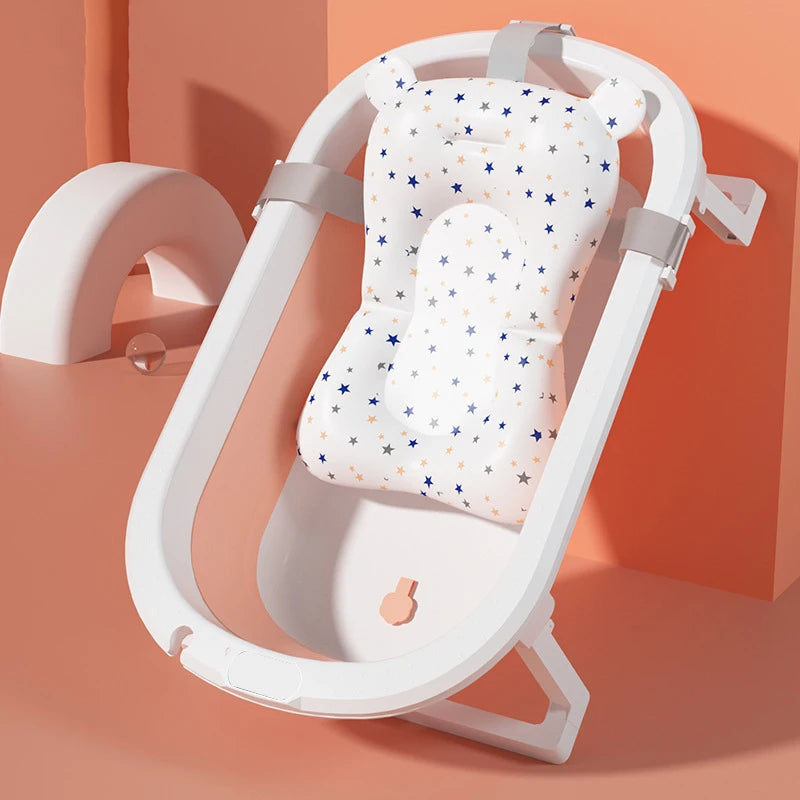
best newborn bathing products — See it in action. Shop the foldable tub
Why newborn bathing products matter (quick answer)
Newborns have thin, delicate skin, limited neck control, and strong startle reflexes. The best newborn bathing products reduce physical risk (slips, scalding), lower sensory stress, and simplify handling for tired caregivers. That improves outcomes: calmer babies, fewer tears, and faster routines that become predictable rituals rather than chaotic chores.
Core benefits parents notice
- Faster, safer handling during the first months.
- More consistent water temperature and less risk of scalding.
- Reduced irritation thanks to gentle cleansers and quick drying.
- Lower laundry/cleanup burden through splash guards and compact tubs.
How to choose the best newborn bathing products
Choosing well-first means matching features to real-life pain points. Below are prioritized criteria that directly affect safety, comfort, and time saved.
1. Safety-first design
- Non-slip surfaces and contoured supports to hold baby securely.
- Rounded edges with soft-touch materials to avoid knocks and bruises.
- Clear water-level markers to prevent overfilling.
2. Temperature control & monitoring
- Built-in thermometers or recommended temperature tools to ensure 37–38°C (98.6–100.4°F) for newborn comfort.
- Fast-read sensors or color-changing indicators for quick checks while holding baby.
3. Material and hygiene
- BPA- and phthalate-free plastics or soft silicone for skin safety.
- Easy-drain designs and smooth crevice-free surfaces for thorough cleaning.
4. Ergonomics & household fit
- Foldable or space-saving tubs for small apartments.
- Lightweight, easy-to-lift designs for caregivers with limited strength.
5. Multi-function & longevity
- Adjustable inserts or seats that convert as baby grows.
- Accessory compatibility (bath toys, rinsing cups, covers).
Which baby gear suits your newborn best? Read on!
Product showcase & key features
Below are product categories that deliver the most measurable wins for newborn bathing routines, with feature-driven reasons why each category matters.
Foldable tubs: space-saving meets stability
Why it works: Foldable tubs pack portability and a supportive base, reducing the need to kneel beside a full-size tub and keeping water contained. Look for reinforced bases and slip-resisting feet.
- Feature: Soft silicone walls with rigid bottom — offers cushioning but stable footing.
- Benefit: Easier to store and travel with; safe surface for newborns who need support.
- Example use: Postpartum recovery when bending is painful — a foldable tub allows sit-down bathing without bending into a tub.
Repeat product mention naturally: check the foldable option here: baby-foldable-bath-tub .
Infant supports & slings: hands-free, stable positioning
Supports cradle baby in a near-flat, semi-upright position — perfect for newborns with limited head control.
- Feature: Breathable mesh fabric that drains quickly.
- Benefit: Keeps newborn comfortable and secure, freeing one hand for rinsing or washing safely.
Temperature tools: rapid confidence checks
Thermometers, floating sensors, or color strips give quick, objective water-readouts. A 1–2 degree error can feel huge when a baby is sensitive; reliable tools remove guesswork.
Gentle cleansers & rinse cups: protect delicate skin
Look for low-sulfate, pH-balanced cleansers and silicone rinse cups that limit soap in the face and eyes. These reduce tear-provoking suds and preserve the skin barrier.
Drainage & storage features
Quick-drain plugs, integrated spouts, and compact drying racks cut cleanup time and prevent standing water — a hygiene and sanity win.
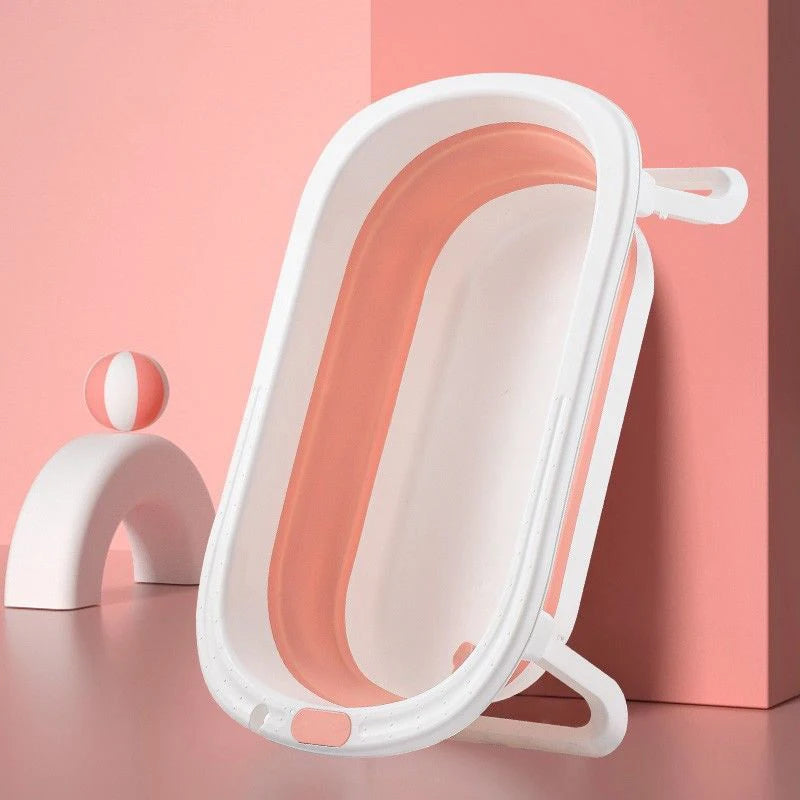
best newborn bathing products — practical mid-article visual. See how compact tubs save space.
Quick comparison: tubs, supports, and tools
Short, scannable table to evaluate at-a-glance. Use this when comparing models while shopping.
| Product Type | Key Feature | Best for | Average Pros | Potential Cons |
|---|---|---|---|---|
| Foldable tub | Space-saving + stable base | Small homes, travel | Compact storage, portable | May be less sturdy than rigid tubs |
| Infant support sling | Mesh drainage + semi-upright hold | Newborns needing head support | Hands-free, breathable | Requires careful cleaning |
| Temperature sensor | Fast-read display or color strip | Any caregiver unsure about temp | Immediate confidence | Battery or calibration needed |
| Gentle cleanser | pH-balanced, low-sulfate | Sensitive skin & eczema-prone infants | Less irritation, soft skin | Higher price point for premium formulas |
How these products change real bath routines (step-by-step)
- Prepare: Warm the room and fill tub to recommended level using a temperature tool.
- Set baby in support or sling while seated comfortably at waist height to avoid bending.
- Wash gently with a mild cleanser using hands or a soft washcloth; rinse with a silicone cup.
- Quick-dry with a soft towel, moisturize if needed, and dress in a warm, dry area.
Time-savings you can expect
- Set-up & cleanup: foldable tubs + quick-drain = 3–5 minutes saved per bath.
- Handling: supports reduce the need for two-person baths for the first 2–3 months.
- Stress reduction: clear temperature readouts cut repeated checks and baby fussing.
Keeping newborns safe — temperature & monitoring
Water temperature and constant attention are the two most important safety factors in newborn bathing. The best newborn bathing products reduce the margin for error.
Recommended target temperatures
- Ideal: 37°C (98.6°F) to 38°C (100.4°F) for newborn comfort.
- How to test: use a fast-read digital bath thermometer or a floating sensor. Avoid relying solely on elbow or wrist checks.
Monitoring devices that add a safety layer
Integrating a simple floating thermometer with a clear digital readout or smart sensor can prevent accidental scalds. These sensors often attach to the side of the tub so the reading is visible while holding baby.
Gentle cleansing: soaps, shampoos, and rinse techniques
Newborn skin is still developing its barrier. The wrong soap or over-washing can strip natural oils and create dryness or rashes.
Choose low-irritant formulas
- Fragrance-free, dye-free formulations with minimal active ingredients are best.
- Look for pH-balanced labels and avoid sodium lauryl sulfate (SLS) where possible.
Rinse smarter
- Use a silicone rinse cup to control water flow and keep suds out of the face.
- Limit full-body cleanses to 2–3 times a week in the first month; otherwise focus on folds, diaper area, and face.





