

What is the best oral health routine for children by age?
Oral health routines by age help children build strong teeth habits as their skills, mouths, and dental needs change. A simple kids oral care routine includes brushing twice daily, using the right amount of fluoride toothpaste, introducing flossing when teeth touch, and scheduling regular dental visits. For babies, care starts with gum cleaning, while older children gradually learn independent brushing and flossing with parental support.
| Age | Oral Care Focus | Daily Routine |
|---|---|---|
| 0–2 years | Protect gums and first teeth | Clean gums, brush new teeth, use a smear of fluoride toothpaste, schedule first dental visit |
| 3–5 years | Build brushing skills | Brush twice daily with supervision, encourage healthy snacks, practice proper technique |
| 6–9 years | Develop independence | Brush independently with checks, begin flossing, maintain dental appointments |
| 10+ years | Maintain lifelong habits | Manage brushing, flossing, braces care, and diet choices more independently |
Oral Hygiene for Children by Age and Daily Routine
⏱ 7 min read
Oral hygiene for children becomes easier when routines match each stage of development. A baby’s first tooth, a preschooler’s growing independence, and a pre-teen’s changing lifestyle all require different approaches. By following age-based oral care steps, parents can reduce cavities, prevent brushing struggles, and create healthy habits that last into adulthood.
Many parents wonder whether they are brushing correctly, using the right products, or allowing enough independence. The key is not doing everything at once—it is creating age-appropriate habits that grow with your child.
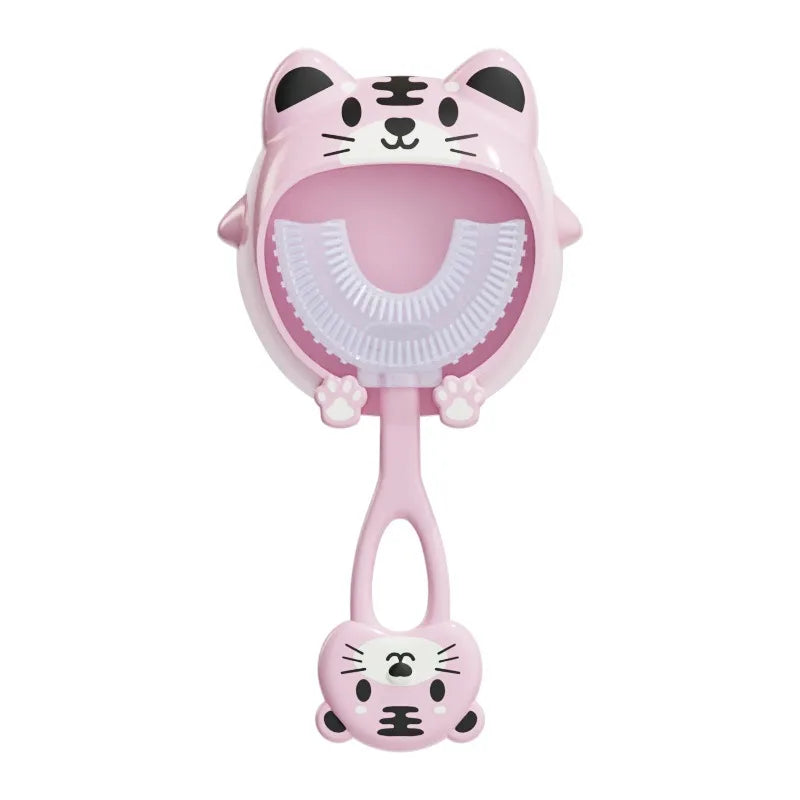
Oral hygiene for children starts early with age-appropriate tools and routines See it in action
Why Age-Based Oral Hygiene Matters
Oral hygiene for children by age is important because every stage brings different dental challenges. Babies need help protecting developing teeth, preschoolers need guidance while learning brushing skills, and older children need support maintaining habits independently.
- Young children may not have the hand coordination to remove plaque effectively
- Growing children experience changes as permanent teeth appear
- Diet, snacks, and routines can increase cavity risks over time
- Consistent habits help children feel comfortable with dental care
A children dental hygiene guide should focus on prevention, consistency, and parental involvement. Early support helps children understand that brushing and flossing are normal parts of everyday life.
Oral Hygiene for Infants and Toddlers (0–2 Years)
Oral hygiene for children begins before the first tooth appears. Keeping gums clean helps reduce bacteria buildup and introduces babies to a daily care routine. Once teeth erupt, gentle brushing becomes an essential habit.
How to Care for Gums, First Teeth, and Early Dental Habits
- Wipe gums daily with a clean, soft damp cloth before teeth appear
- Introduce a small, soft baby toothbrush when the first tooth erupts
- Brush twice daily using gentle circular motions
- Use a smear of fluoride toothpaste about the size of a grain of rice for children under age 3
- Help children avoid sleeping with bottles containing sugary drinks
When to Introduce Fluoride Toothpaste and First Dentist Visits
Pediatric oral hygiene instructions recommend introducing fluoride toothpaste early in small amounts because fluoride helps strengthen enamel and prevent cavities. Parents should also schedule a child’s first dental visit around the first birthday or when the first tooth appears to establish preventive care.
Parents often combine brushing with predictable routines such as bath time or bedtime. Many families find supportive tools from Baby Care Essentials helpful when creating early hygiene habits.
Oral Hygiene for Preschoolers (3–5 Years)
Oral hygiene for preschoolers focuses on building confidence while maintaining supervision. Children at this age want to brush independently but may still miss important areas around the teeth and gums.
Daily Brushing Routine and Supervision Tips
- Encourage children to brush for two minutes twice daily
- Allow kids to brush first, then complete missed areas yourself
- Use child-sized toothbrushes with soft bristles
- Teach gentle brushing instead of aggressive scrubbing
Common Preschool Oral Care Challenges
Resistance to brushing is common during preschool years. Turning brushing into a predictable activity with songs, timers, or visual routines can make the process easier. Healthy snacks and water between meals also support tooth protection by reducing frequent sugar exposure.
Preschoolers respond well to playful routines. Parents looking for supportive solutions often explore Baby Hygiene Gadgets to make daily care smoother.
Oral Hygiene for School-Age Children (6–9 Years)
During school years, pediatric oral hygiene instructions focus on helping children transition from parent-assisted care to independent habits. Permanent teeth begin appearing, making consistent brushing and cavity prevention especially important.
Helping Children Build Independent Dental Habits
- Allow children to manage daily brushing while checking technique regularly
- Encourage brushing before school and before bedtime
- Teach children to clean along the gumline and hard-to-reach areas
- Use reminders to maintain consistency during busy schedules
Flossing and Cavity Prevention During Mixed Dentition
Flossing should begin when teeth touch because toothbrush bristles cannot clean tightly spaced areas. Children with a mix of baby and permanent teeth benefit from regular dental checkups to monitor development and identify early concerns.
Busy mornings often affect routines. Families streamline schedules using structured habits and supportive resources from Baby Growth & Learning .
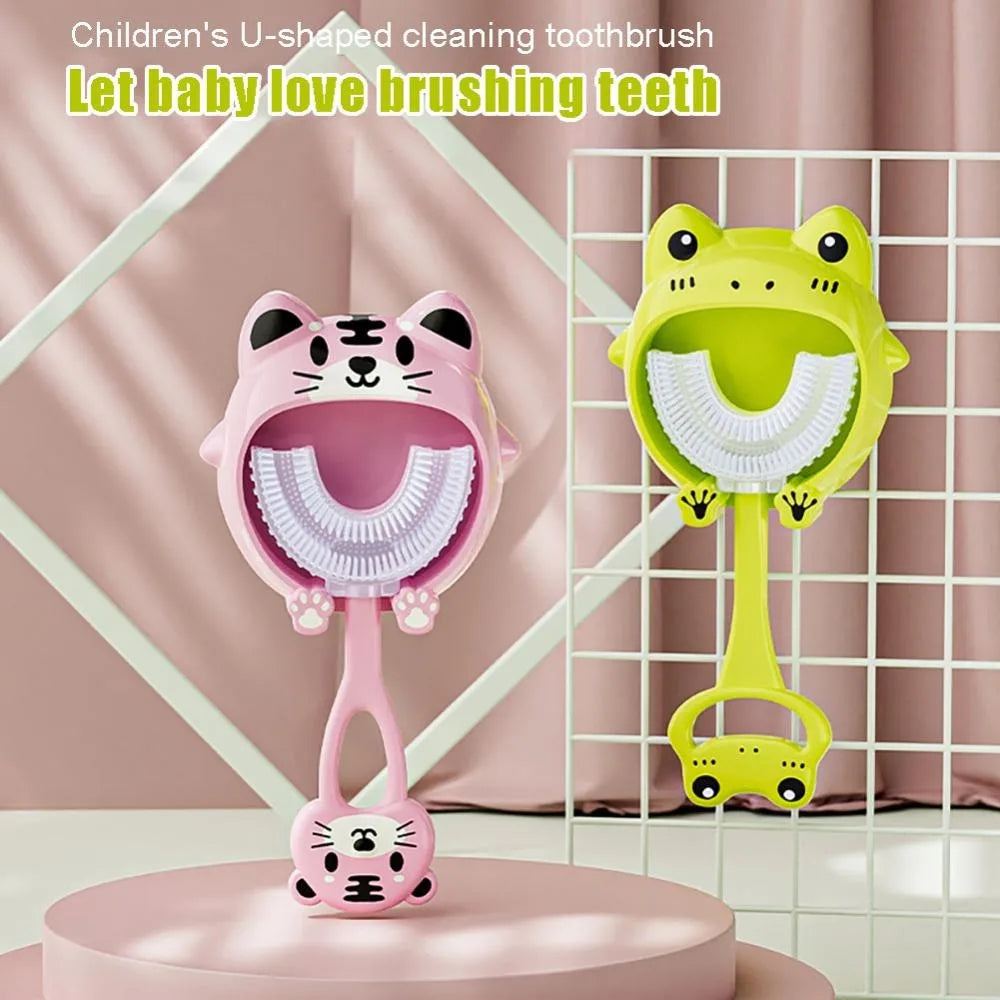
Oral hygiene instructions for pediatric patients help school-age kids brush better See it in action
Oral Hygiene for Pre-Teens and Teens (10+ Years)
Oral hygiene for children entering pre-teen and teen years requires more responsibility. Permanent teeth are established, orthodontic treatment may begin, and lifestyle changes such as sugary drinks or irregular routines can increase cavity risks.
Managing Oral Care With Braces and Changing Habits
- Brush carefully around brackets, wires, or dental appliances if needed
- Floss consistently using appropriate tools
- Pay attention to sugary drinks and frequent snacking
- Maintain regular dental visits and cleanings
Teen Dental Hygiene Tips for Long-Term Health
Older children should understand that daily oral care protects both appearance and long-term dental health. Encouraging independence while maintaining accountability helps establish habits that continue beyond childhood.
Toothbrushes for 10 year olds should provide comfortable handling, effective cleaning, and appropriate sizing for growing mouths.
Oral Care Milestones by Age: Quick Reference Guide
| Age Range | Brushing | Flossing | Toothpaste | Dental Visits |
|---|---|---|---|---|
| 0–2 years | Parent-assisted brushing | When teeth touch | Rice-sized fluoride amount | First visit by age 1 or first tooth |
| 3–5 years | Practice with supervision | Parent help recommended | Small amount of fluoride toothpaste | Regular preventive visits |
| 6–9 years | Increasing independence | Daily when needed | Fluoride toothpaste | Routine examinations |
| 10+ years | Independent brushing | Consistent daily flossing | Fluoride toothpaste | Ongoing monitoring and cleanings |
Building a Daily Kids Dental Routine That Sticks
A successful kids oral care routine is simple, repeatable, and realistic. Children are more likely to maintain habits when oral care becomes part of their normal schedule.
Morning and Night Oral Care Schedule
- Brush after breakfast to remove morning buildup
- Brush before bed to clean away food particles from the day
- Floss when teeth touch or as recommended
- Replace worn toothbrushes regularly
Ways to Make Brushing Easier for Children
- Create a consistent brushing location
- Use timers or songs to encourage two-minute brushing
- Let children choose age-appropriate tools
- Praise effort and consistency instead of perfection
Many families integrate oral care with wellness habits found in Health & Safety collections to support whole-family routines.
Common Oral Hygiene Mistakes Parents Make
- Allowing children to brush alone before they have proper technique
- Using too much toothpaste for younger children
- Choosing adult-sized tools too early
- Focusing on speed instead of effective cleaning
- Offering frequent sugary drinks and snacks
- Delaying regular dental checkups
Correcting these habits can improve daily oral care and help children develop healthier routines.
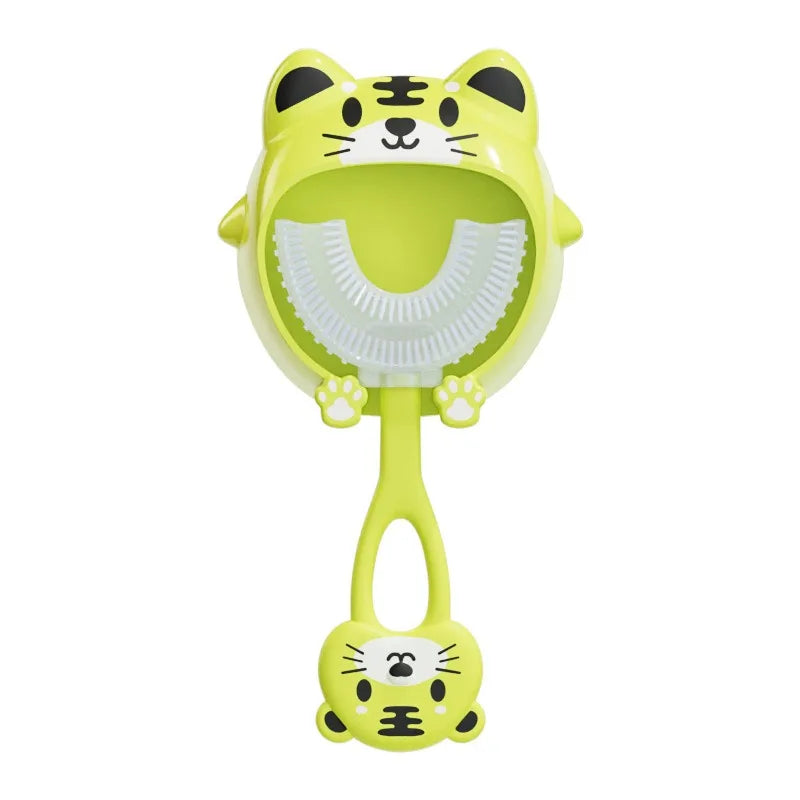
Building lifelong oral hygiene for children starts with daily habits See it in action
Frequently Asked Questions
How should oral hygiene routines change by age?
Oral hygiene routines should become more independent as children grow. Babies need gum cleaning and parent-assisted brushing, preschoolers need supervision, school-age children learn independence, and older children manage more of their own brushing and flossing.
When should children start using fluoride toothpaste?
Children can use fluoride toothpaste when the first tooth appears. The amount should match age recommendations, starting with a tiny smear for younger children and increasing as they grow.
How long should kids brush their teeth?
Children should brush for about two minutes twice daily. Parents may need to supervise or assist until children can consistently clean all tooth surfaces effectively.
Should parents brush their child's teeth?
Yes. Parents should help or supervise brushing until children develop the coordination and skills needed for effective cleaning, often around early school years.
How often should children visit the dentist?
Children should have regular dental visits as recommended by their dentist, usually every six months for preventive care unless a different schedule is needed.
How can parents encourage better brushing habits?
Parents can improve brushing habits by keeping routines predictable, using positive encouragement, choosing comfortable tools, and making oral care part of everyday activities.





