

Does replaceable baby nail pads really make infant nail care safer and longer-lasting?
Answer: Yes. Replaceable baby nail pads make infant nail care safer by using gentle abrasive surfaces that file nails instead of cutting them. Choosing the correct grit for your baby's age reduces friction, minimizes heat buildup, and lowers the chance of accidentally nicking delicate skin. Replacing worn pads also helps your electric nail file maintain consistent performance, making every nail-care session smoother, more hygienic, and longer-lasting.
⏱ 8 min read
Replaceable Baby Nail Pads Explained: Maximize Safety and Longevity
Keeping a newborn's nails short can feel intimidating, especially when tiny fingers never seem to stay still. Replaceable baby nail pads offer a gentler alternative to traditional clippers by filing away sharp edges instead of cutting them. When paired with an electric nail file for infants, the right replacement pad helps protect delicate skin, improves filing accuracy, and extends the life of your device. This guide explains how to choose the right pad, use it safely, and know when it's time for a replacement.
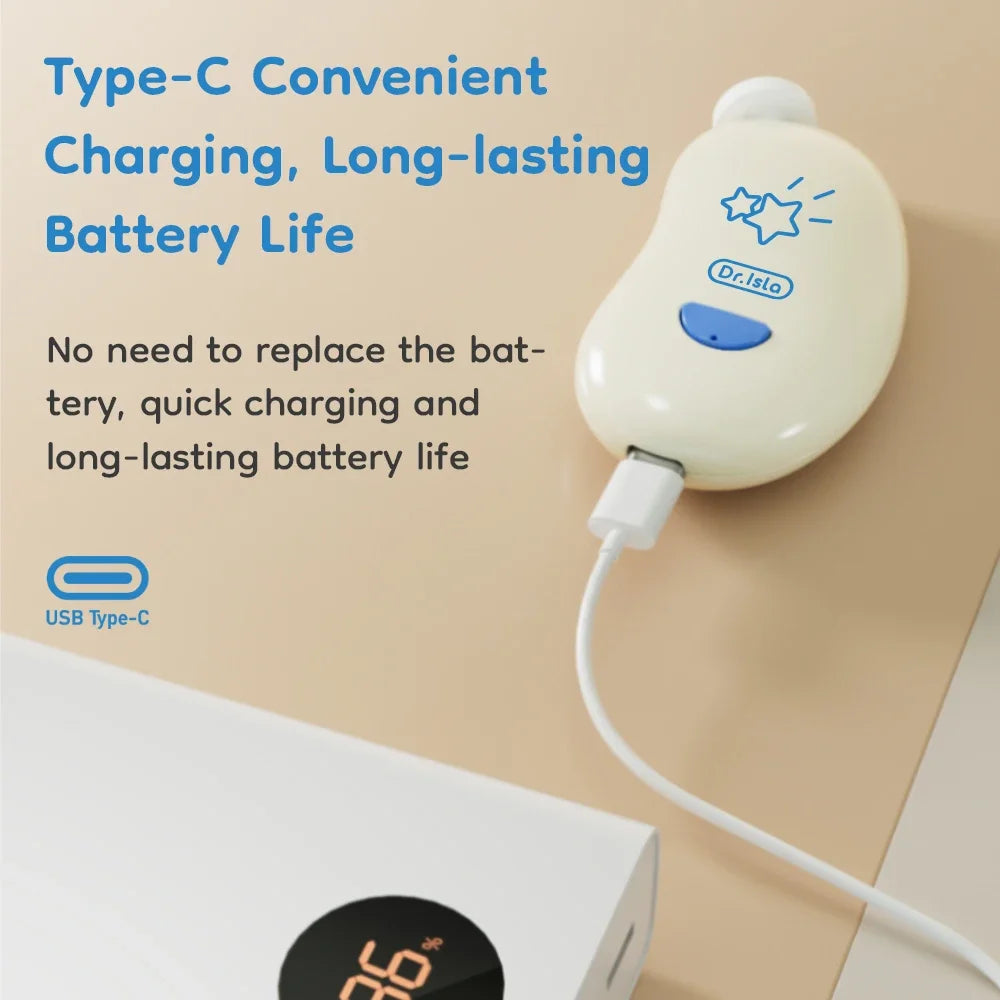
replaceable baby nail pads, nail care for newborns — See it in action.
Why replaceable baby nail pads matter
Newborn nails grow surprisingly fast and are often thin, flexible, and extremely sharp. Babies frequently scratch their own face without realizing it, making regular nail care an important part of everyday hygiene. While traditional nail clippers work well for some families, they can feel stressful when trimming tiny nails on a moving infant.
Replaceable baby nail pads paired with an electric nail file for infants reduce that stress by filing the nail gradually instead of cutting through it. This controlled abrasion gives parents more precision while lowering the risk of accidental cuts, pinches, or over-trimming.
Fresh replacement pads also help maintain consistent filing performance. As pads wear down, they become smoother and less effective, requiring additional pressure that can increase friction and heat. Swapping them regularly keeps filing gentle, efficient, and comfortable for your baby.
How the pads work (quick steps)
Direct answer: Replaceable baby nail pads use carefully graded abrasive materials to smooth the nail edge instead of cutting it. Selecting the correct grit and using an appropriate rotation speed allows you to shape nails safely while protecting surrounding skin. Replacing worn pads maintains both hygiene and consistent filing performance.
- Choose the replacement pad designed for your baby's age and nail thickness.
- Attach the pad securely to the electric nail file.
- Select the lowest speed recommended for newborns or young infants.
- Use short, gentle passes along the nail edge instead of pressing firmly.
- Inspect the pad after use and replace it when the abrasive surface becomes smooth, discolored, or clogged with residue.
Choose the right pad: grit & speed
Selecting the correct replacement pad is just as important as choosing the right filing technique. Softer, finer grits remove small amounts of nail with each pass, making them ideal for newborns and babies with delicate nails. As children grow and their nails become thicker, medium-grit pads can improve efficiency without sacrificing safety.
Rotation speed matters as well. Lower speeds generate less vibration and heat, allowing better control during short filing sessions. Combining a fine-grit pad with a low-speed setting creates the safest experience for most newborns.
- Fine grit (180–240): Best for newborns, premature babies, and infants with thin, delicate nails.
- Medium grit (120–180): Suitable for older babies whose nails have become firmer and thicker.
- Coarse grit (<120): Generally not recommended for infants because it removes nail material too aggressively.
Quick tip: If the replacement pad begins to feel warm after several seconds of continuous use, pause briefly or reduce the motor speed. Excessive warmth usually indicates unnecessary friction.
Compare pad options and when to use them
| Pad Type | Best for | Advantages | Things to consider |
|---|---|---|---|
| Foam-backed fine grit | Newborns and premature infants | Extra cushioning, gentle filing, low heat generation | May wear more quickly with frequent use |
| Fiber-backed medium grit | Older babies (6+ months) | Long-lasting, consistent performance | Requires careful speed selection to avoid excessive abrasion |
| Disposable soft pads | Travel and occasional touch-ups | Convenient and hygienic | Higher ongoing replacement cost and more waste |
Use, care, and replacement routine
Proper maintenance keeps both your baby and your electric nail file in excellent condition. Choose a calm moment—such as after feeding or while your baby is sleepy—and keep filing sessions short. Gentle technique, clean pads, and routine replacement all contribute to safer, more comfortable nail care.
- Clean reusable pads according to the manufacturer's instructions after each use.
- Discard single-use pads immediately after filing.
- Allow reusable pads to dry completely before storing them.
- Keep spare replacement pads in a clean, sealed container away from moisture.
- Replace pads every 2–8 weeks, or sooner if the abrasive surface becomes smooth or visibly worn.
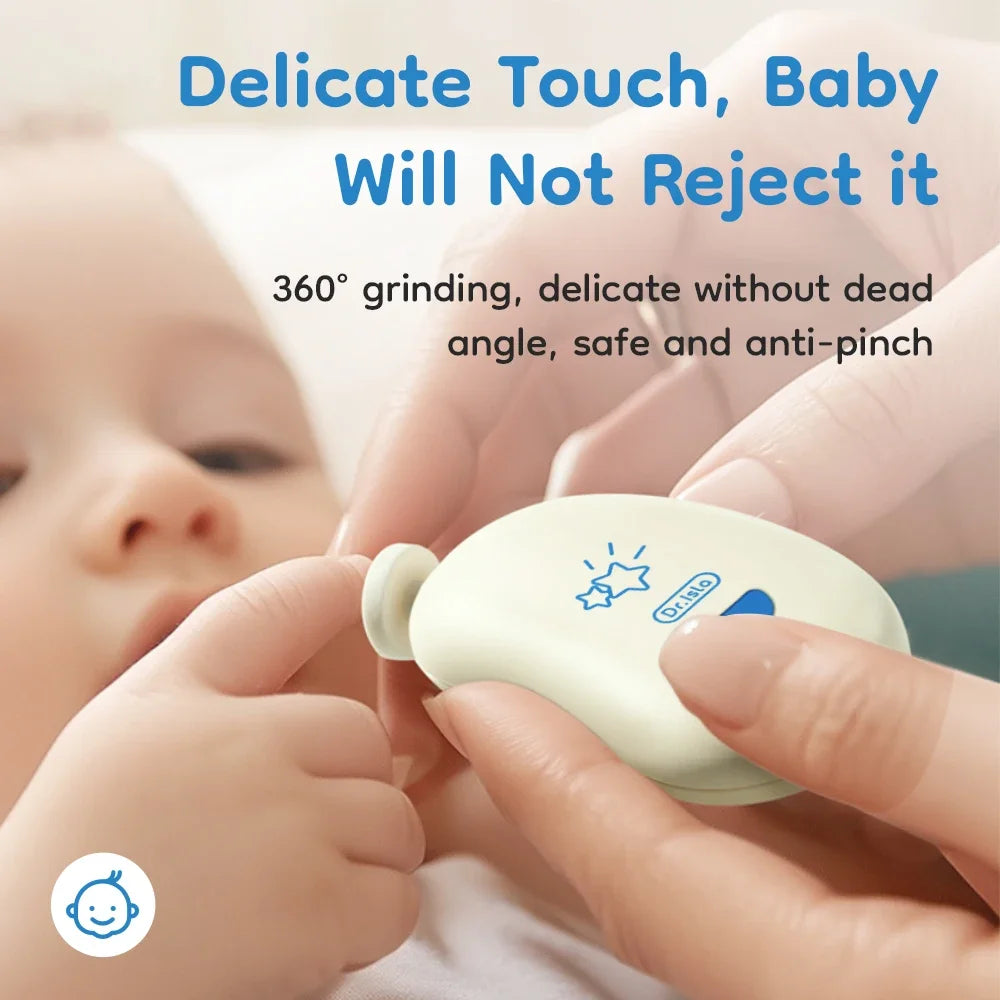
nail care for newborns, electric nail file for infants — See it in action.
Pros & Cons at a glance
- ✅ Files nails gradually instead of cutting them, reducing the risk of accidental nicks when used correctly.
- ✅ Fresh replacement pads help maintain consistent filing performance and a smoother finish.
- ✅ Extends the useful life of an electric nail file by replacing only the worn filing surface instead of the entire device.
- ✅ Makes routine nail care easier for first-time or sleep-deprived parents.
- ❌ Requires replacement pads as part of ongoing maintenance.
- ❌ Choosing the correct grit and speed takes a little practice.
- ❌ Not all replacement pads fit every electric baby nail trimmer, so compatibility should always be checked.
Pads vs. traditional baby nail clippers
- Replaceable baby nail pads: Ideal for newborns, active babies, routine maintenance, and smoothing sharp nail edges with minimal risk of pinching delicate skin.
- Traditional baby nail clippers: Better suited for trimming longer nails quickly when your baby is calm and you have a clear view of the nail edge.
Quick safety checklist
Following a simple routine before, during, and after each session helps keep nail care comfortable for your baby while protecting the filing pad from unnecessary wear.
- Before use: Wash your hands, inspect the replacement pad for damage, and select the lowest speed recommended for newborns.
- During filing: Keep the device moving in light, gentle passes instead of holding it against one spot.
- Monitor the pad: Check every 10–15 seconds for debris buildup or excessive warmth, cleaning or pausing if necessary.
- Watch your baby's reaction: Stop immediately if your baby becomes distressed or if you notice skin redness or irritation.
- After use: Wipe away nail dust, clean the pad according to the manufacturer's instructions, and store the device in a dry location.
Sustainability and cost considerations
Replaceable pads can be an economical choice because only the filing surface needs replacing rather than the entire electric nail trimmer. While disposable pads offer maximum convenience and hygiene, reusable foam or fiber-backed options reduce waste and typically lower long-term ownership costs.
For families who trim nails regularly, keeping a small supply of replacement pads on hand helps maintain consistent performance without frequent emergency purchases. Selecting durable reusable pads whenever appropriate can also reduce environmental impact while extending the overall value of your nail care kit.
Product pairs and accessories that help
A few simple accessories can make nail care easier and help your replacement pads last longer.
- A soft finishing nail file for smoothing any remaining rough edges.
- A small soft-bristle cleaning brush to remove nail dust from reusable pads.
- A clean storage case or sealed pouch to protect unused replacement pads from moisture and dust.
- A soft towel or receiving blanket to gently support a sleepy or lightly swaddled baby during filing.
For families building a complete grooming kit, explore Baby Nail Care Tools and Baby Care Essentials to find compatible accessories that work together.
How to file newborn nails safely — step-by-step
- Wash and dry your hands before handling your baby's fingers.
- Choose a calm moment, such as after feeding or while your baby is sleepy.
- Select a fine-grit replacement pad appropriate for newborn nails and attach it securely.
- Turn the electric nail file on at the lowest speed and briefly test it on your own fingernail.
- Support your baby's finger gently and file using short, light strokes along the nail edge.
- Keep the filing pad moving continuously to avoid unnecessary friction in one area.
- Pause occasionally to check for warmth, remove nail dust, and inspect your progress.
- Finish by wiping away any remaining nail particles and checking each nail for smooth, rounded edges before storing the device and replacement pad.
How often should you replace baby nail pads?
Replacing filing pads at the right time helps maintain gentle, consistent performance. A worn pad removes nail material less efficiently, encouraging parents to apply extra pressure that can increase friction and reduce control. While replacement schedules vary by usage and pad material, visible wear is always a better indicator than age alone.
Signs a pad should be replaced
- The abrasive surface feels noticeably smooth.
- The pad appears discolored or permanently stained after cleaning.
- Filing takes longer than usual or requires extra pressure.
- The pad develops cracks, loose backing, or uneven wear.
- Disposable pads have already been used once.
| Use Frequency | Suggested Replacement |
|---|---|
| Weekly (multiple sessions) | Every 2–3 weeks |
| Biweekly | Every 4–6 weeks |
| Occasional (monthly) | Every 6–8 weeks |
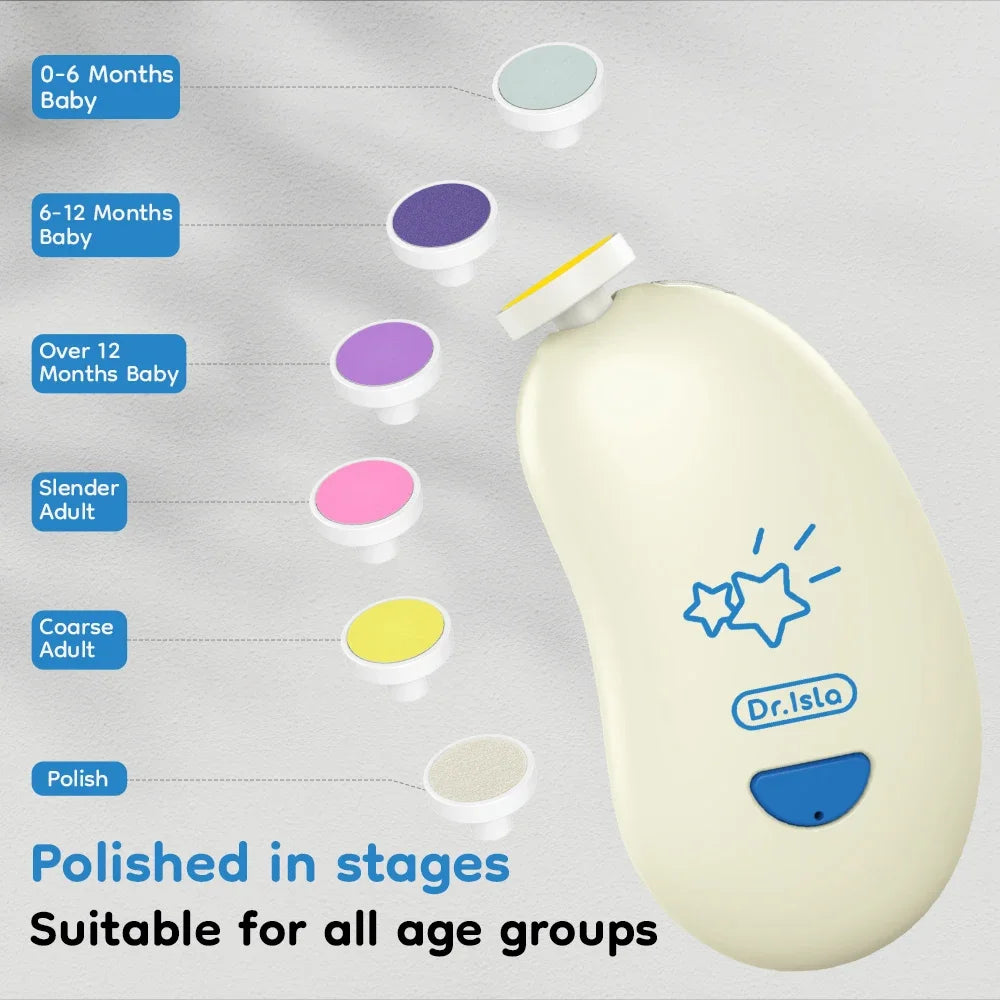
trimming infant fingernails, baby nail care — See it in action.
Buying guide: choosing quality replacement baby nail pads
Not all replacement pads are made to the same standard. Before purchasing, verify that the pads are compatible with your electric nail trimmer and designed specifically for infant nail care. Quality materials and appropriate grit options make filing safer while helping your device perform consistently over time.
- Compatibility: Confirm the pads are designed for your specific electric nail file model.
- Material quality: Choose durable foam- or fiber-backed pads that provide smooth, even filing.
- Multiple grit options: Kits that include fine and medium grits can accommodate your child's changing nail thickness.
- Safety-focused design: Look for products intended for babies, with low-vibration compatibility and clearly labeled age recommendations.
- Value for money: Compare the number of replacement pads included, expected lifespan, and overall kit quality instead of price alone.
- Parent feedback: Reviews mentioning low heat, quiet operation, and long-lasting pads can help identify dependable products.
When shopping, compare both replacement pads and motor specifications. Some kits include extra pads, protective storage cases, and multiple filing heads for added convenience. For an all-in-one option, see the electric baby nail trimmer set.
Pillar Article: Electric Baby Nail Trimmer Features: Why It’s Safer and Easier
Other Related Articles:
Explore More:





