

Does a rubber toy duck still win against modern bath toys?
Yes. A rubber toy duck remains one of the safe bath toys for kids because its simple design encourages imaginative play while being easy to rinse, inspect, and maintain. Modern bath toys can add exciting features, but choosing toys made from safe materials and cleaning them properly matters more than whether they are classic or high-tech.
Rubber Toy Duck vs Modern Bath Toys Which Wins for Kids
⏱ 7 min read
Choosing bath toys isn't just about keeping children entertained. Parents want products that are safe, easy to clean, age-appropriate, and durable enough for everyday use. This guide compares classic rubber ducks with modern bath toys to help you find the safest option for your child's age, interests, and bath routine.
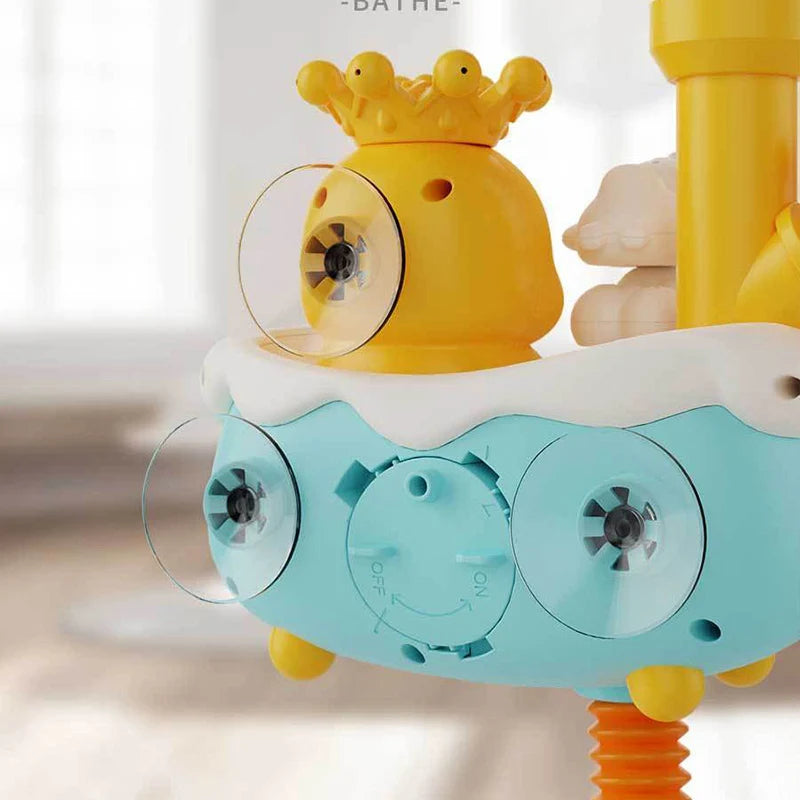
A rubber toy duck offers simple, imaginative bath play that's easy to enjoy every day.
Best Safe Bath Toys for Kids: Top Picks Compared
Quick Comparison Table
| Bath Toy Type | Best For | Cleaning | Mold Resistance | Recommended Age |
|---|---|---|---|---|
| Classic Rubber Duck | Daily imaginative play | Easy | Good when sealed | 6+ months |
| One-piece Silicone Toy | Maximum hygiene | Excellent | Excellent | 6+ months |
| Stacking Cups | Water exploration | Excellent | Excellent | 9+ months |
| Interactive Sealed Toy | Older toddlers | Moderate | Varies by design | 18+ months |
How We Evaluated Safety
To compare kid-friendly bath toys fairly, we focused on the factors parents care about most:
- Materials marketed as BPA-, PVC-, and phthalate-free whenever possible.
- Simple designs that reduce hidden areas where water can collect.
- Rounded edges with no small detachable parts for the intended age.
- Ease of rinsing, drying, and routine cleaning.
- Durability after repeated exposure to warm water and soap.
How to Choose Safe Bath Toys for Kids
Safe Materials to Look For
The safest bath toys for kids are typically made from food-grade silicone, high-quality plastic that is clearly labeled BPA-free, or sealed rubber designs that don't easily trap water. Whenever possible, choose non toxic bath toys from reputable manufacturers that clearly identify the materials used.
Look for products with clear age recommendations and material information on the packaging. While certifications vary by region, transparent labeling helps parents identify BPA free bath toys for kids and avoid products with unknown materials.
Age-Appropriate Design
- Under 12 months: large, lightweight toys without removable pieces.
- 12-24 months: pouring cups, floating toys, and simple sensory toys.
- 2 years and older: interactive features are appropriate if batteries remain fully sealed and the toy is easy to inspect.
Our Picks for the Safest Bath Toys
Best Overall
A classic rubber duck remains one of the easiest bath toys to introduce. It encourages pretend play, requires no batteries, and fits naturally into daily routines.
Best for Babies
Large one-piece silicone toys are excellent safe baby bath toys because they are soft, easy to grip, and typically lack openings where water can accumulate.
Best Mold-Resistant
Completely sealed silicone toys or stacking cups dry quickly and are among the easiest products to keep clean over time.
Best Sensory Bath Toy
Floating toys with gentle textures, bright colors, or simple water-pouring features encourage sensory exploration without overwhelming younger children.
Best Budget Pick
A quality rubber duck continues to deliver excellent value thanks to its durability, simple maintenance, and timeless play appeal.
Rubber Duck vs Modern Bath Toys: Which Is Safer?
Classic Rubber Ducks
A well-made rubber duck remains one of the safest options when its design minimizes water entry and parents rinse and dry it after every bath. Its simple construction also makes visual inspection much easier.
Silicone Bath Toys
One-piece silicone toys are among the easiest products to sanitize. Because they are often fully sealed, they provide excellent mold resistance and are a strong choice for hygiene-conscious families.
Sealed Interactive Toys
Modern interactive toys with lights or movement can safely entertain older toddlers if their battery compartments remain completely sealed. Parents should inspect these toys regularly for cracks, loose parts, or damaged seals.
| Feature | Rubber Duck | Silicone Toy | Interactive Toy |
|---|---|---|---|
| Ease of Cleaning | High | Excellent | Moderate |
| Mold Resistance | Good | Excellent | Depends on design |
| Durability | High | High | Varies |
| Maintenance | Low | Low | Higher |
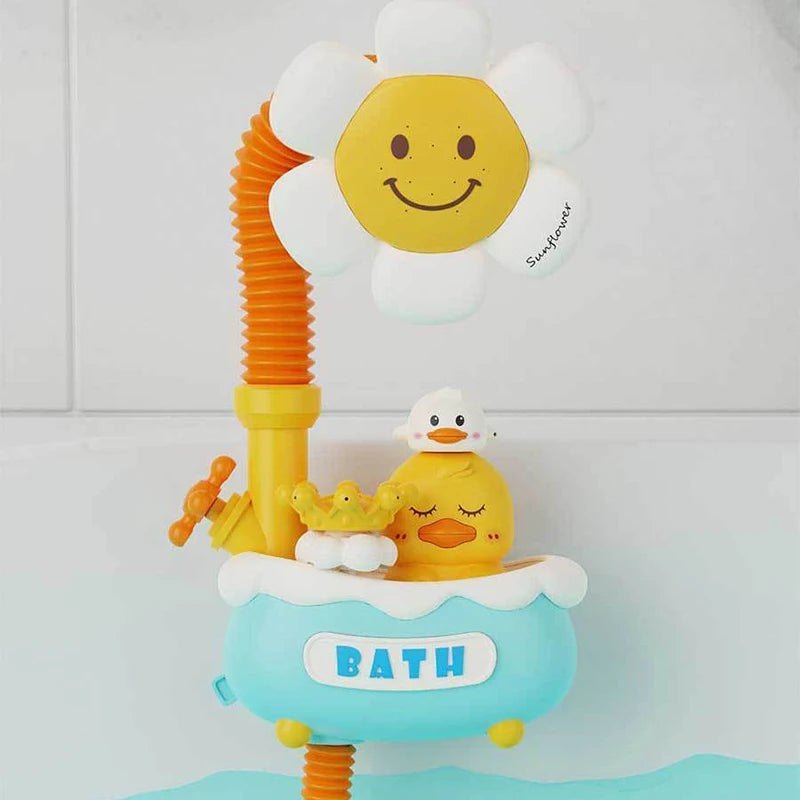
Material choice and cleaning habits both affect long-term bath toy safety.
Are Nerf Bath Toys Safe for Kids?
Bath-Safe Nerf Products
Some Nerf-branded water toys are designed specifically for outdoor water play rather than bathtub use. Always check the manufacturer's intended use before bringing any toy into the bath.
Safety Considerations
Choose only products designed for water exposure. Avoid toys with damaged foam, loose components, or battery compartments that are not fully sealed.
Who They Are Best For
Older children who understand safe play may enjoy bath-safe water blasters, but babies and younger toddlers generally benefit more from simple, lightweight bath toys.
How to Keep Bath Toys Clean and Mold-Free
Daily Cleaning
- Rinse toys with clean water after every bath.
- Allow them to air dry completely.
- Store them in a well-ventilated basket instead of a closed container.
Deep Sanitizing
Regularly wash toys using warm soapy water according to the manufacturer's care instructions. Inspect toys for trapped moisture or signs of wear during cleaning.
When to Replace Bath Toys
Replace toys if you notice cracks, peeling surfaces, damaged seals, persistent discoloration, unpleasant odors, or any signs that moisture remains trapped inside.
Which Safe Bath Toy Is Right for Your Child?
By Age
- 0-12 months: Large, simple floating toys.
- 12-24 months: Rubber ducks, stacking cups, silicone sensory toys.
- 2+ years: Interactive bath toys with fully sealed construction.
By Safety Priority
If easy cleaning is your highest priority, choose sealed silicone toys or a high-quality rubber duck. If engagement is more important for an older toddler, add one carefully selected interactive toy alongside simpler options.
By Budget
Many families find that combining one durable rubber duck with a few inexpensive cups or floating toys provides the best balance of entertainment, hygiene, and value.
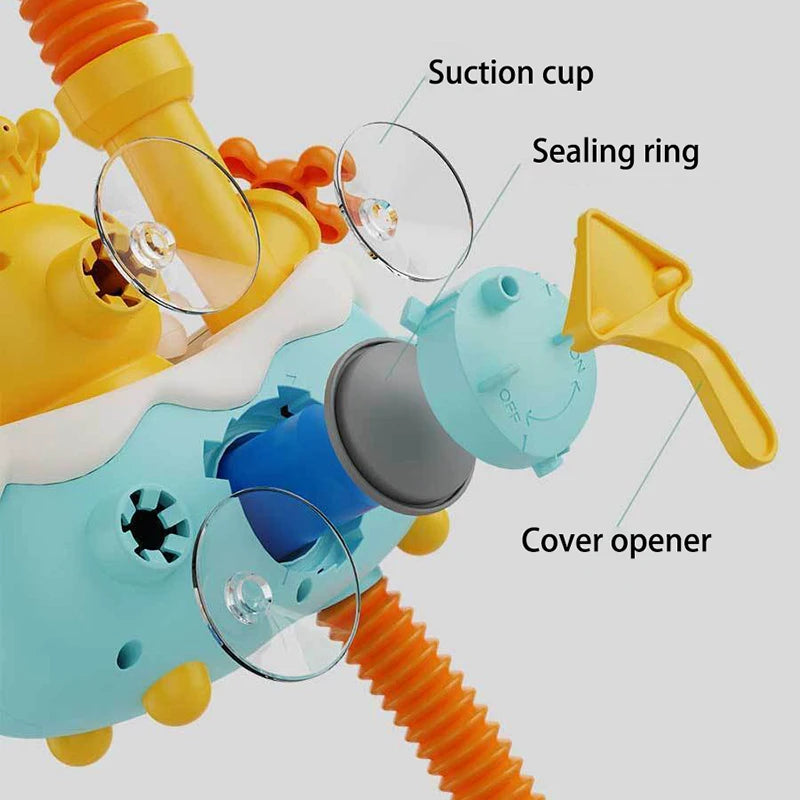
Many parents combine a classic rubber duck with a few simple bath toys for a balanced routine.
Frequently Asked Questions
Are rubber toy ducks safe for toddlers?
Yes. Quality rubber ducks that are age-appropriate, made from safe materials, and cleaned regularly are suitable for most toddlers.
How do I prevent mold in bath toys?
Rinse toys after every bath, let them dry completely, inspect them regularly, and replace damaged toys that trap water.
What materials are safest for bath toys?
One-piece silicone, BPA-free plastics, and well-designed sealed rubber toys are popular choices because they are durable and easier to keep clean.
How often should bath toys be replaced?
Replace bath toys whenever they develop cracks, discoloration, damaged seals, trapped moisture, or other signs of wear that cannot be cleaned safely.
Are BPA-free toys automatically non-toxic?
No. BPA-free labeling is helpful, but parents should also consider the overall material, product quality, age recommendation, and whether the toy is easy to clean and maintain.
Explore the Clouds Duck Bath Toy to see how a modern take on a classic supports joyful, stress-free bath time.
Related Guide: Best Water Spraying Bath Toy Compared for Toddlers





