

What Are the Benefits of Silicone Toothbrushes?
Silicone toothbrush benefits include gentler brushing, improved comfort, easier cleaning, and a safer experience for babies, toddlers, and children who are learning oral care habits. A silicone toothbrush uses flexible silicone bristles that feel softer on developing gums while helping children become more comfortable with daily brushing.
The biggest benefits of silicone toothbrushes are reduced irritation, easier handling, and a more child-friendly design. They can be especially helpful for toddlers, children with sensitive gums, and parents looking for a gentle toothbrush for sensitive gums. However, silicone toothbrushes are not a replacement for proper brushing technique, fluoride toothpaste, or regular dental care.
Silicone Toothbrush Benefits Children for Safer Daily Brushing
Silicone toothbrush benefits children by making daily brushing more comfortable, gentle, and easier to manage. Unlike traditional nylon-bristle brushes, silicone designs use flexible materials that adapt better to small mouths while supporting safer brushing habits.
⏱ 8 min read
Does brushing your child’s teeth feel more stressful than helpful? Many parents worry about accidental pokes, gum discomfort, and resistance during brushing. Choosing the right toothbrush can make oral care routines calmer while helping children build healthy habits early.
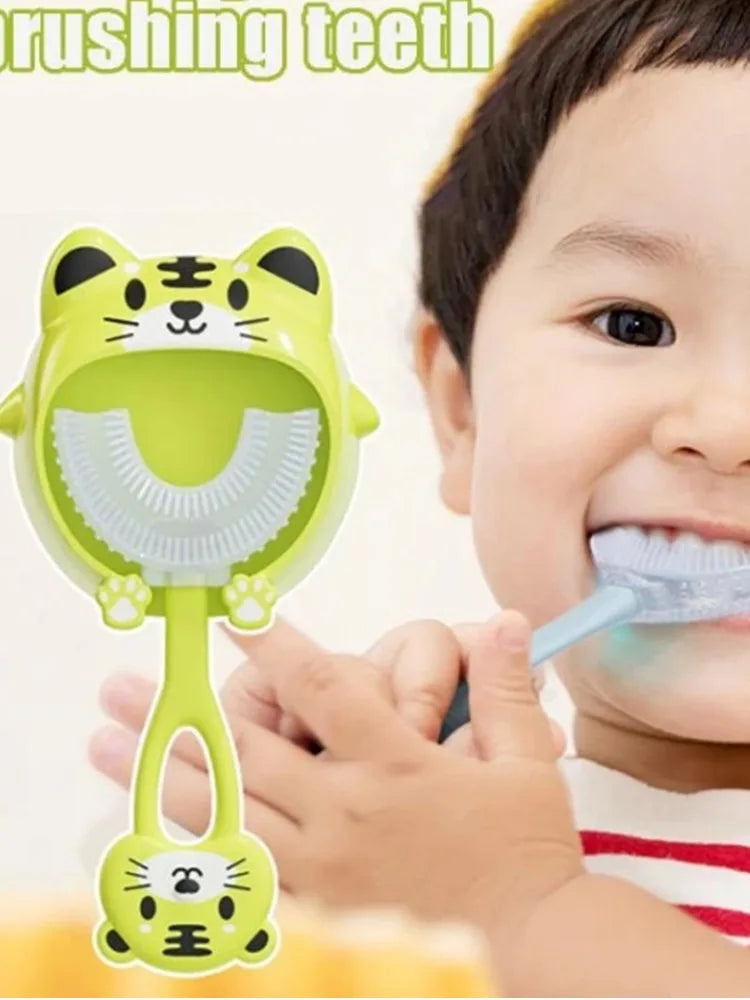
Silicone toothbrush benefits children with a soft, flexible design
How Silicone Toothbrushes Work
Silicone toothbrushes work by using flexible silicone bristles or cleaning surfaces to remove food particles and plaque while reducing harsh contact with gums. The soft silicone material bends with movement, creating a comfortable brushing experience for young children.
Compared with nylon bristles, silicone has a smoother texture and greater flexibility. Traditional toothbrushes rely on thin bristles that scrub teeth through repeated contact, while silicone designs focus on gentle surface cleaning and gum comfort.
The material properties of silicone also make these toothbrushes easier to rinse and maintain because the non-porous surface is less likely to trap moisture compared with some traditional brush materials.
Why Toothbrush Safety Matters for Babies and Children
Young children are still developing coordination skills, which means brushing can sometimes involve sudden movements or accidental pressure. Preventing toothbrush injuries in children is an important part of creating a safer oral care routine.
A flexible silicone toothbrush can help reduce discomfort caused by rigid handles or stiff brushing surfaces. For babies and toddlers with developing gums, a softer tool may make the transition into regular brushing easier.
Choosing safer tools from Health & Safety solutions can support better habits while reducing unnecessary stress during daily routines.
Key Silicone Toothbrush Benefits
Silicone toothbrush benefits children by combining comfort, safety, and convenience. While every child’s needs are different, many families choose silicone toothbrushes because they address common challenges during early oral care.
Gentle on Sensitive Gums
A silicone toothbrush provides a gentle brushing experience for children with sensitive gums. The flexible texture creates less friction than harder brushing surfaces, making it a comfortable option during teething stages or when gums feel tender.
May Reduce Toothbrush Injuries
One of the main silicone toothbrush benefits children experience is improved safety. The flexible design may lower the chance of painful pokes compared with rigid toothbrushes, especially when toddlers are learning to brush independently.
Comfort for Babies and Toddlers
Babies and toddlers often need time to adjust to oral care. A softer toothbrush design can make brushing feel less intimidating and encourage cooperation during daily routines.
Easy to Clean and Maintain
Silicone toothbrushes are simple to rinse after use and typically dry quickly. Their smooth surface makes regular cleaning easier, helping parents maintain better hygiene between brushing sessions.
Silicone Toothbrush vs Regular Toothbrush
| Feature | Silicone Toothbrush | Regular Toothbrush |
|---|---|---|
| Material | Flexible silicone surface | Nylon bristles |
| Comfort | Gentle feel for sensitive gums | May feel firmer depending on bristle type |
| Safety | Flexible design may reduce accidental discomfort | Requires careful handling during use |
| Cleaning | Easy to rinse and maintain | Bristles may require more attention |
| Best Use | Babies, toddlers, and comfort-focused brushing | Children who can perform effective brushing motions |
This comparison explains why many families consider silicone toothbrush options from Baby Care Essentials when building safer daily routines.
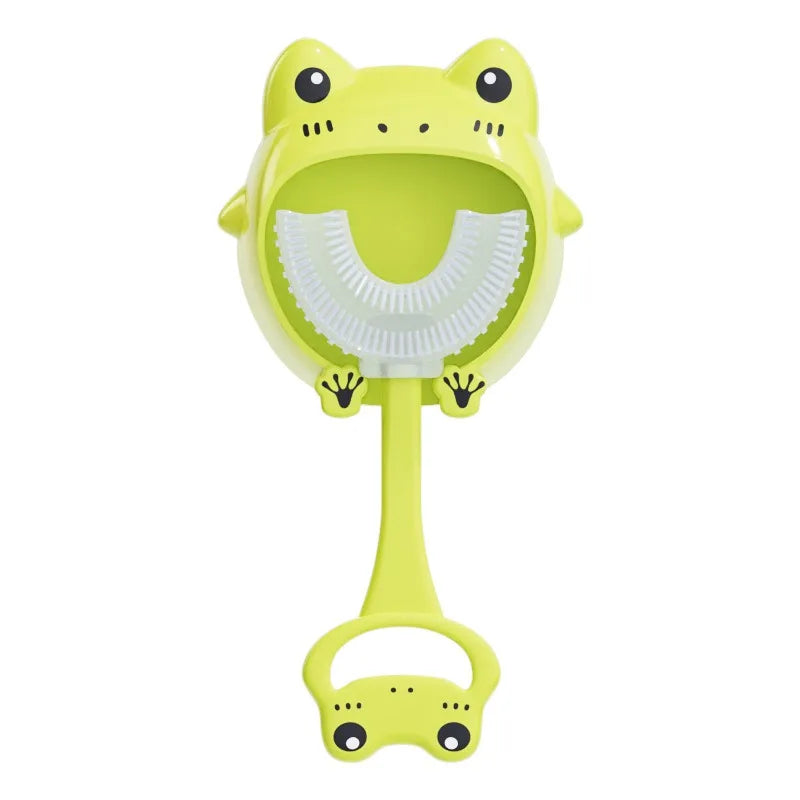
Silicone toothbrush vs regular toothbrush design comparison
Are Silicone Toothbrushes Safe?
Silicone toothbrushes are generally considered safe when they are made from appropriate materials, used correctly, and cleaned regularly. Parents should always supervise young children during brushing to reduce choking risks or improper use.
For Babies
Silicone toothbrushes can be introduced when babies begin developing teeth. Parents should guide brushing carefully and choose a size designed for small mouths.
For Toddlers
Silicone toothbrush safety for toddlers depends on supervision and proper technique. Flexible designs can make brushing more comfortable, but toddlers still need adult guidance.
For Older Children
Older children may benefit from silicone toothbrushes if they have sensitive gums or prefer a softer brushing experience. However, children should continue practicing effective brushing techniques as they grow.
What Does the Research Say?
Research on silicone toothbrush benefits continues to develop. Current evidence suggests that toothbrush effectiveness depends on brushing technique, consistency, and the ability to remove plaque properly rather than material alone.
Professional dental guidance generally emphasizes using an age-appropriate toothbrush, fluoride toothpaste when recommended, and regular brushing habits. Silicone toothbrushes may improve comfort and acceptance, but they should still be used correctly to support good oral hygiene.
Pros and Cons of Silicone Toothbrushes
| Pros | Cons |
|---|---|
| Gentle texture for sensitive gums | Some children may prefer traditional bristle feedback |
| Flexible and comfortable for young users | Cleaning performance depends on design and brushing technique |
| Easy to clean and maintain | May not replace all benefits of traditional toothbrushes |
How to Use, Clean, and Replace a Silicone Toothbrush
- Apply an age-appropriate amount of fluoride toothpaste if recommended.
- Guide the toothbrush gently across teeth and gums.
- Use small circular motions and avoid applying excessive pressure.
- Rinse thoroughly with clean water after each use.
- Sanitize periodically following the manufacturer’s instructions.
- Replace the toothbrush when damaged or according to recommended replacement timing.
Pairing proper technique with safe tools from Baby Care Tips & Advice helps children develop healthy oral hygiene habits.
Who Should Use a Silicone Toothbrush?
Babies and Toddlers
Silicone toothbrushes are often a good option for young children starting their first brushing routines because they provide a gentle introduction to oral care.
Kids with Sensitive Gums
Children who experience discomfort during brushing may prefer a gentle toothbrush for sensitive gums with a softer feel.
Children with Sensory Needs
Some children are sensitive to textures and pressure. A silicone toothbrush may provide a more comfortable sensory experience.
Who May Prefer Traditional Brushes
Children who already brush effectively and prefer traditional bristles may not need to switch. The best toothbrush depends on comfort, age, and brushing ability.
Choosing the Right Silicone Toothbrush
When selecting a silicone toothbrush, consider safety, comfort, and age suitability.
- Choose a size appropriate for your child’s mouth
- Look for high-quality, child-safe silicone materials
- Select a design that is easy for small hands to hold
- Consider cleaning requirements and replacement recommendations
Why Parents Choose This U-Shape Silicone Toothbrush
A silicone toothbrush can be more effective when the design matches a child’s needs. The U-shape head helps cover multiple tooth surfaces at once, making brushing simpler for parents and children who are still learning.
The flexible silicone structure focuses on comfort, ease of use, and a more enjoyable brushing experience.
Get yours now — limited stock!
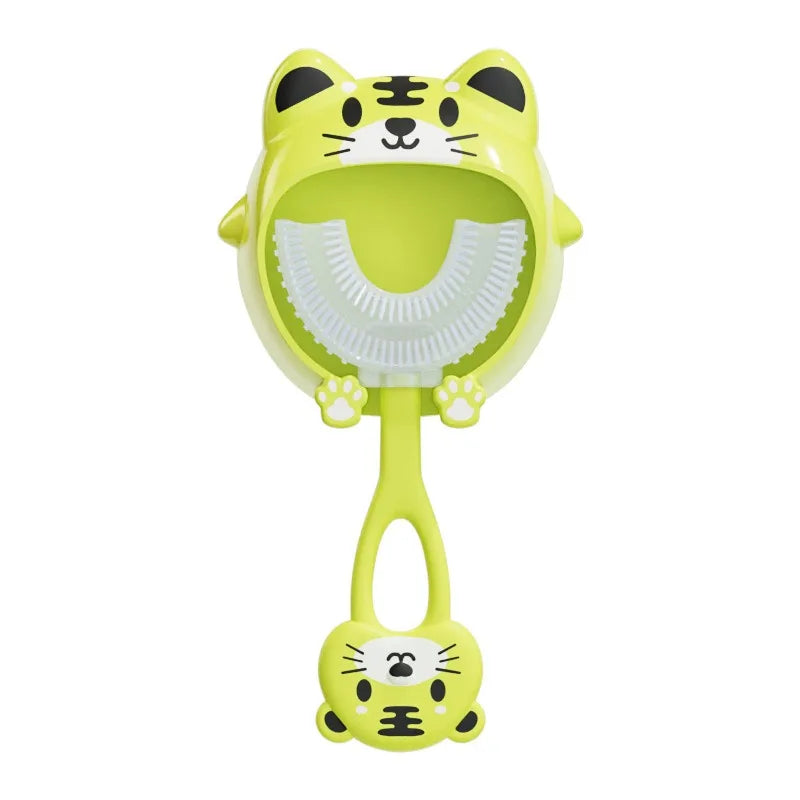
A safer brushing solution kids love
Frequently Asked Questions
Are silicone toothbrushes safe?
Yes, silicone toothbrushes are generally safe when used correctly, cleaned regularly, and selected for the child’s age. Parents should supervise young children during brushing.
Are silicone toothbrushes safe for babies?
Silicone toothbrushes can be suitable for babies when they begin developing teeth. Choose a baby-sized design and supervise use carefully.
Are silicone toothbrushes better for kids?
Silicone toothbrushes may be better for some children because they provide a softer, more comfortable brushing experience. However, the best option depends on the child’s needs and brushing habits.
Do silicone toothbrushes clean as well as regular toothbrushes?
Cleaning effectiveness depends on the toothbrush design and brushing technique. Proper brushing habits remain the most important factor for removing plaque.
Can silicone toothbrushes prevent toothbrush injuries in children?
A flexible silicone design may help reduce the discomfort caused by accidental pokes or harsh brushing, but supervision is still important for young children.
How do you clean and sanitize a silicone toothbrush?
Rinse the toothbrush with water after each use and follow manufacturer instructions for deeper cleaning. Parents can also use tools from Sterilization Devices when appropriate.
How often should you replace a silicone toothbrush?
Replace a silicone toothbrush when it shows signs of wear, damage, or according to the manufacturer’s recommended schedule to maintain safe and effective brushing.





