

Does a slow drying baby towel really cause problems — and what fixes it?
Yes. A slow drying baby towel traps moisture and bacteria, which can cause lingering odors, skin irritation, and longer post-bath chill for your child. Choosing breathable, fast-wicking fabrics and lighter weaves cuts drying time dramatically and keeps baby warmer and fresher after bath time.
⏱ 7 min readSlow Drying Baby Towel Problems and the Fabrics That Fix Them
A slow drying baby towel can trap odors, cause irritation, and make post-bath routines frustrating, but choosing smarter fabrics fixes these issues fast. In this guide you’ll learn what makes some towels stay damp for hours, which materials dry fastest, and practical steps to keep towels fresh and safe for your baby — plus a simple, side-by-side comparison to help you pick the best option for everyday use.
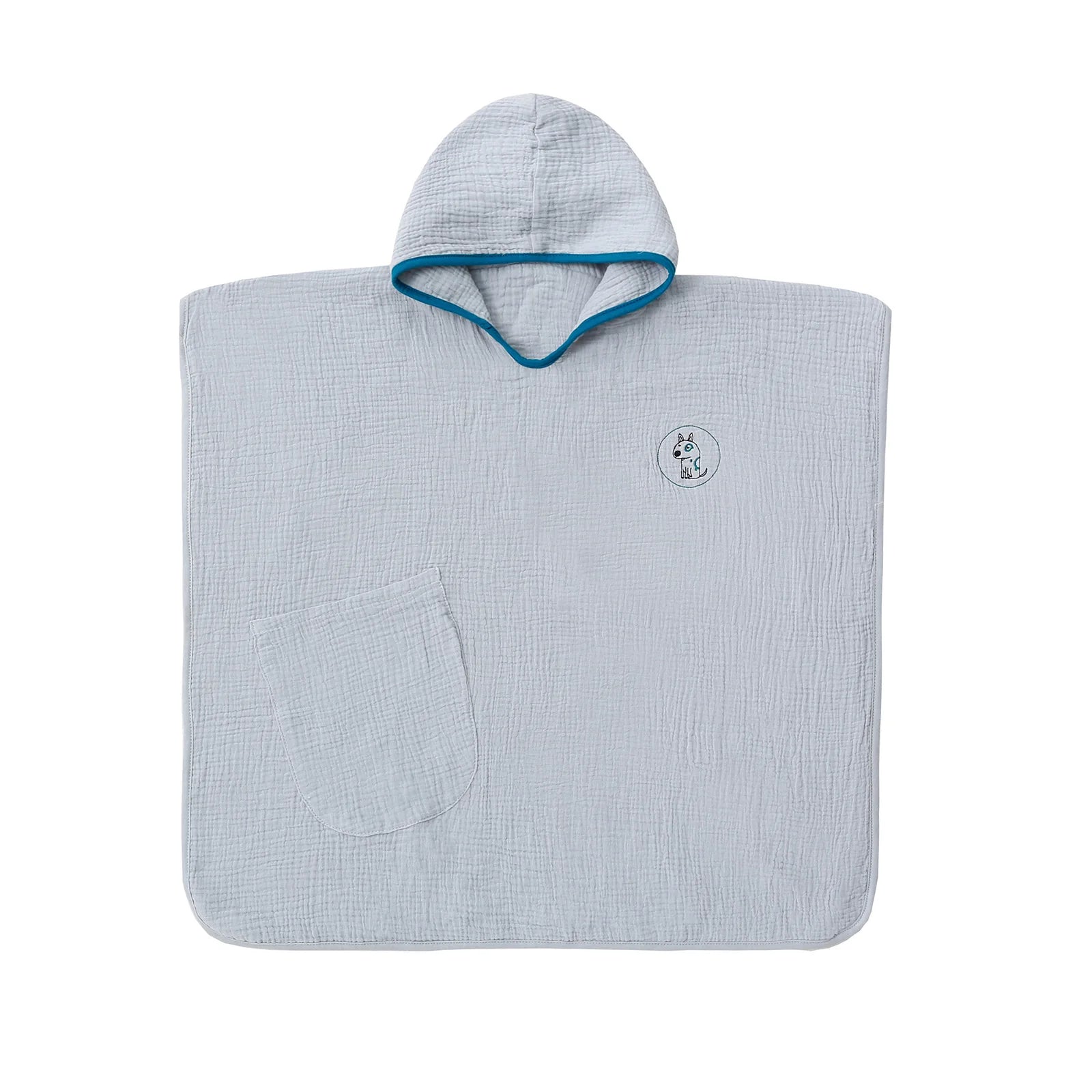
slow drying baby towel - discover faster-dry fabrics + 💡 See it in action
Why towels stay wet: the real causes
Some towels hold water because of heavy, dense weaves and fabric blends that absorb lots of water but release it slowly. That trapped moisture raises odor and irritation risk and lengthens drying time in humid rooms. Parents often mistakenly buy thicker towels thinking thicker always equals warmer — but in many cases the opposite is true for post-bath comfort.
What's happening at a fiber level?
- Fiber type: Natural fibers like cotton absorb a lot of water but thick loops take longer to release it.
- Weave and weight: Dense terry with deep loops holds more water than open weaves like muslin or waffle.
- Blends and finishes: Some synthetics trap moisture between fibers; finishes like softeners can reduce breathability.
Quick callout: Which baby gear suits your newborn best? Read on to match towel fabric to your bathroom, climate, and routine.
What to buy: fabrics that dry fast (and still feel soft)
Choosing the right fabric balances absorbency and drying speed. The best options remove water quickly but shed it to the air faster.
Top fabric choices and why they work
- Muslin: Lightweight, breathable, and quick to shed moisture; excellent for hooded poncho-style towels.
- Bamboo-cotton blends: Naturally breathable, antimicrobial properties, and faster-drying than heavy cotton terry.
- Lightweight microfibre: Very fast-wicking and quick-drying, great for travel or humid bathrooms (note: choose quality microfibre without harsh finishes).
- Waffle weave cotton: Open texture gives great surface area for quick evaporation with good absorbency.
How faster-drying towels improve bath time
Short, clear benefits — why swapping a slow drying baby towel matters:
- Less time wrapped in damp fabric = lower chill risk and calmer babies.
- Reduced odor and fewer wash cycles — towels smell fresher between washes.
- Less bacteria and skin irritation risk, especially for sensitive baby skin.
- Quicker turnaround for multiple children or multiple baths in one day.
Quick comparison: common towel fabrics
A slow drying baby towel usually uses thick terry or heavy blends — it absorbs well but releases moisture slowly, which increases odor and chill risk. Lighter fabrics like muslin and waffle cotton retain warmth but dry rapidly, giving both absorbency and comfort.
| Fabric | Dry Time | Absorbency | Best use |
|---|---|---|---|
| Thick terry cotton | Slow | High | Cold climates, single-bath routines |
| Muslin | Fast | Medium | Everyday hooded towels, travel |
| Waffle weave | Medium-fast | Medium-high | Quick-dry bathrooms |
| Bamboo blend | Fast | High | Sensitive skin, humid climates |
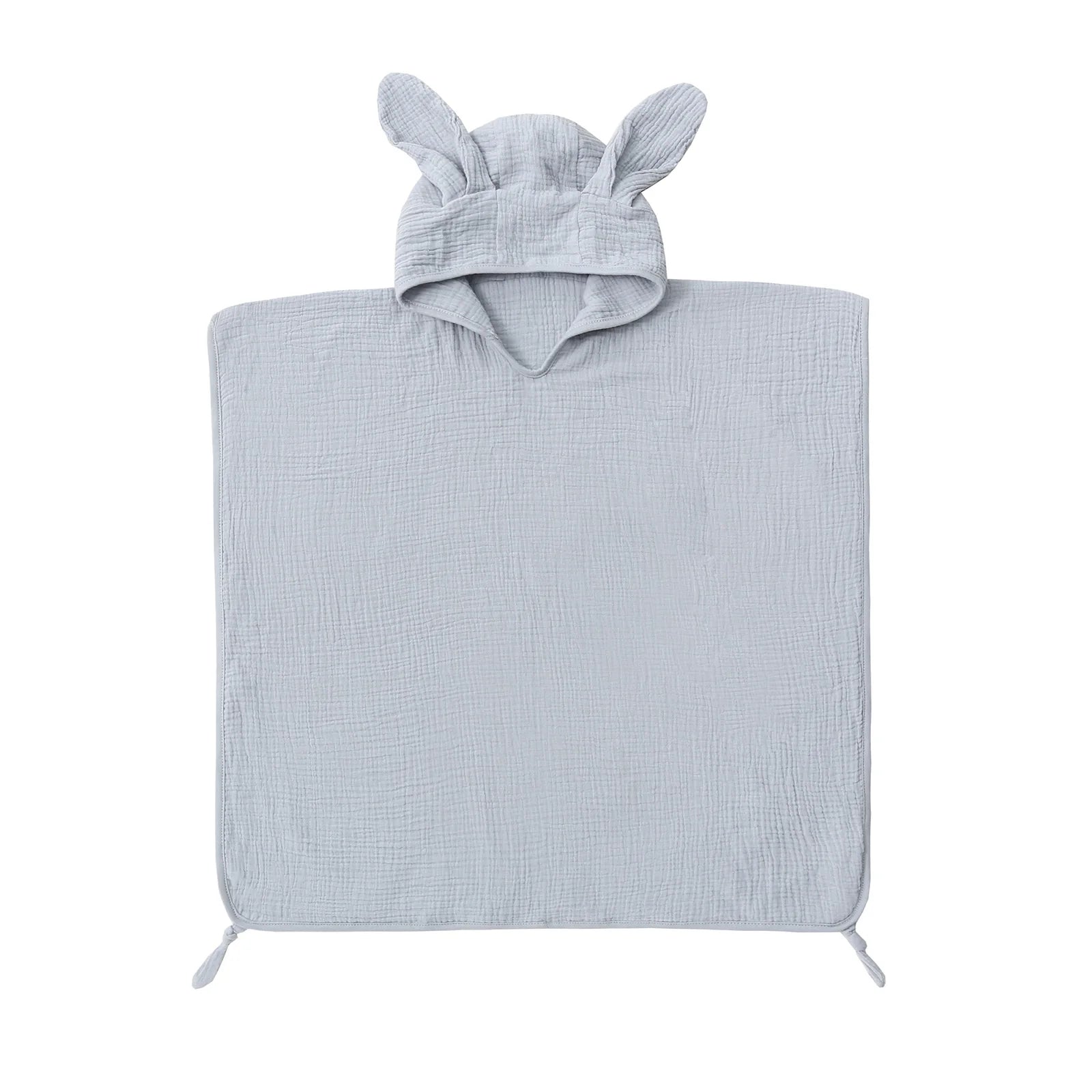
slow drying baby towel - compare breathable materials + 💡 See it in action
How to choose the right towel for your child (use-case guide)
Pick based on routine, climate, and baby skin needs:
For newborns — soft, fast, and gentle
- Choose muslin or bamboo blend for fast drying and low irritation risk.
- Opt for a hooded poncho design for easier wrapping and quicker heat retention.
For toddlers — durability with quick turnaround
- Waffle weave or lightweight terry with a tighter finish balances playtime roughness and faster dry time.
- Keep a second towel ready if you bathe twice in a day.
For travel & daycare — quick-dry champions
- Lightweight microfibre or muslin ponchos fold small and dry fast.
- Label and store separately to avoid cross-contamination at daycare.
Towel care: speed drying and odor prevention
Simple habits extend towel life and reduce slow-dry issues:
- Shake out and hang towels fully spread after each use — loops dry faster when opened up.
- Air-dry outside when possible; sunlight reduces bacteria and odor.
- Wash with mild detergent; avoid fabric softeners (they reduce breathability).
- Rotate multiple towels so each has time to dry fully between uses.
Product highlight: Muslin Baby Hooded Poncho Towel
A fast-drying muslin hooded poncho combines warmth, breathability, and quick evaporation. Muslin keeps babies warm without trapping dampness, and its light weight makes it ideal for travel, quick baths, and multi-bath families. This style eliminates the heavy, waterlogged wrap and gets your little one dressed and dry faster.
Why parents switch:
- Rapid drying reduces chill and repeated laundering.
- Soft muslin is gentle on newborn skin and keeps hooded ponchos comfy without bulk.
- Compact and easy to pack for outings, swim lessons, or grandparents' homes.
Buy it now: Muslin Baby Hooded Poncho Towel — designed to dry quickly and keep babies cozy.
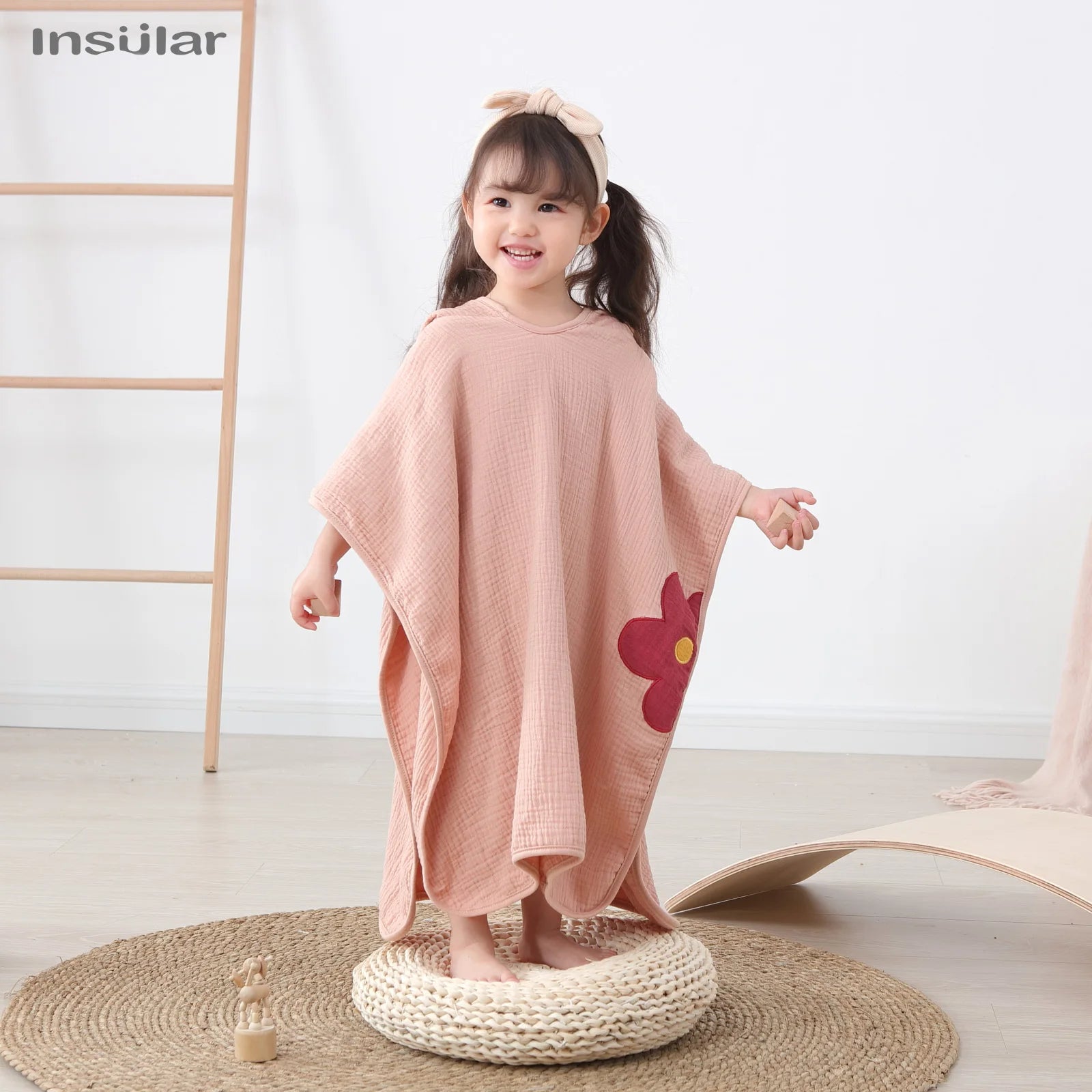
slow drying baby towel - muslin hooded poncho + 💡 See it in action
Real parents, real results
“Switched from heavy terry to a muslin poncho and the difference was immediate — no more damp smell and baths are faster.” — Emma, mom of 1.
“We saw lower irritation and faster turnover between swims. Highly recommend the bamboo-blend towels if your bathroom is humid.” — Luis, dad of twins.
Before & after snapshot (typical household)
- Before: One terry towel took ~8 hours to dry indoors; required washing every 2-3 days due to odor.
- After switching to muslin/waffle: Towels dry in 1–3 hours on a rack; odor drops and wash frequency reduces to once a week.
Mini FAQ
-
Q: Why does my baby towel smell even after washing?
Answer: Residue from detergents or fabric softeners, plus trapped moisture in thick loops, can create odors. Wash with a mild detergent, skip softeners, and dry fully in the sun or a well-ventilated area. -
Q: Is muslin absorbent enough for newborns?
Answer: Yes — muslin absorbs adequately while drying quickly. For heavy water removal, gently pat baby with a muslin poncho then use a second light towel for extra drying if needed. -
Q: How many towels should I rotate for a baby?
Answer: Keep at least 3–4 towels in rotation (hooded poncho + 2 backups) so each can dry completely between uses and you always have a fresh option ready.
Final checklist — pick, use, and care for faster-dry towels
- Choose muslin, bamboo blends, or waffle weave for a balance of absorbency and quick drying.
- Avoid fabric softener and dense terry if you want quick dry times and low odor.
- Rotate towels and hang fully opened after use; sun-dry when possible.
- Consider a hooded muslin poncho for quick wraps and faster heat retention without the weight.
Need a compact, fast-drying option that keeps baby warm after bath time? The Muslin Baby Hooded Poncho Towel is made to solve slow drying and post-bath chills — lightweight, soft, and simple to care for.
FAQ (schema-ready)
Why do some baby towels stay damp for hours?
Dense weaves and heavy terry hold more water in their loops and release it slowly; limited airflow and the use of fabric softeners can also reduce drying speed.
Which towel fabric dries fastest for babies?
Muslin, bamboo-cotton blends, and waffle weave cotton dry fastest while still offering good absorbency and gentle touch for baby skin.
How can I prevent towel odor and bacteria buildup?
Hang towels open to dry, avoid fabric softeners, wash regularly with mild detergent, and sun-dry when possible to limit bacterial growth and smells.
Pillar Article: Quick Drying Bath Towel Benefits That Make Bath Time Easier
Other Related Articles:
Explore More:





