

Does changing baby diaper on a bus really make traveling with a baby easier?
Answer: Yes—changing a baby diaper on a bus can be safe and manageable when you prepare in advance, use a portable travel diaper mat, and choose the right moment. While buses rarely provide ideal changing spaces, practical travel diaper changing tips help reduce stress, maintain hygiene, and keep both your baby and fellow passengers comfortable. If the diaper is heavily soiled or your baby is uncomfortable, change it as soon as it is safe to do so rather than waiting unnecessarily.
⏱ 18 min read
Travel Diaper Changing Tips That Make Every Trip Easier
Traveling with a baby often means handling diaper changes in places that were never designed for them. Whether you're riding a city bus, boarding a long-distance coach, stopping at a roadside rest area, or navigating an airport, preparation makes all the difference. This guide shares practical travel diaper changing tips, explains why a travel diaper mat and the best travel diaper changing pad are essential for portable diaper changing, and shows how the right gear—like the 3-in-1 baby diaper pad—helps parents complete cleaner, faster, and safer diaper changes wherever the journey takes them.
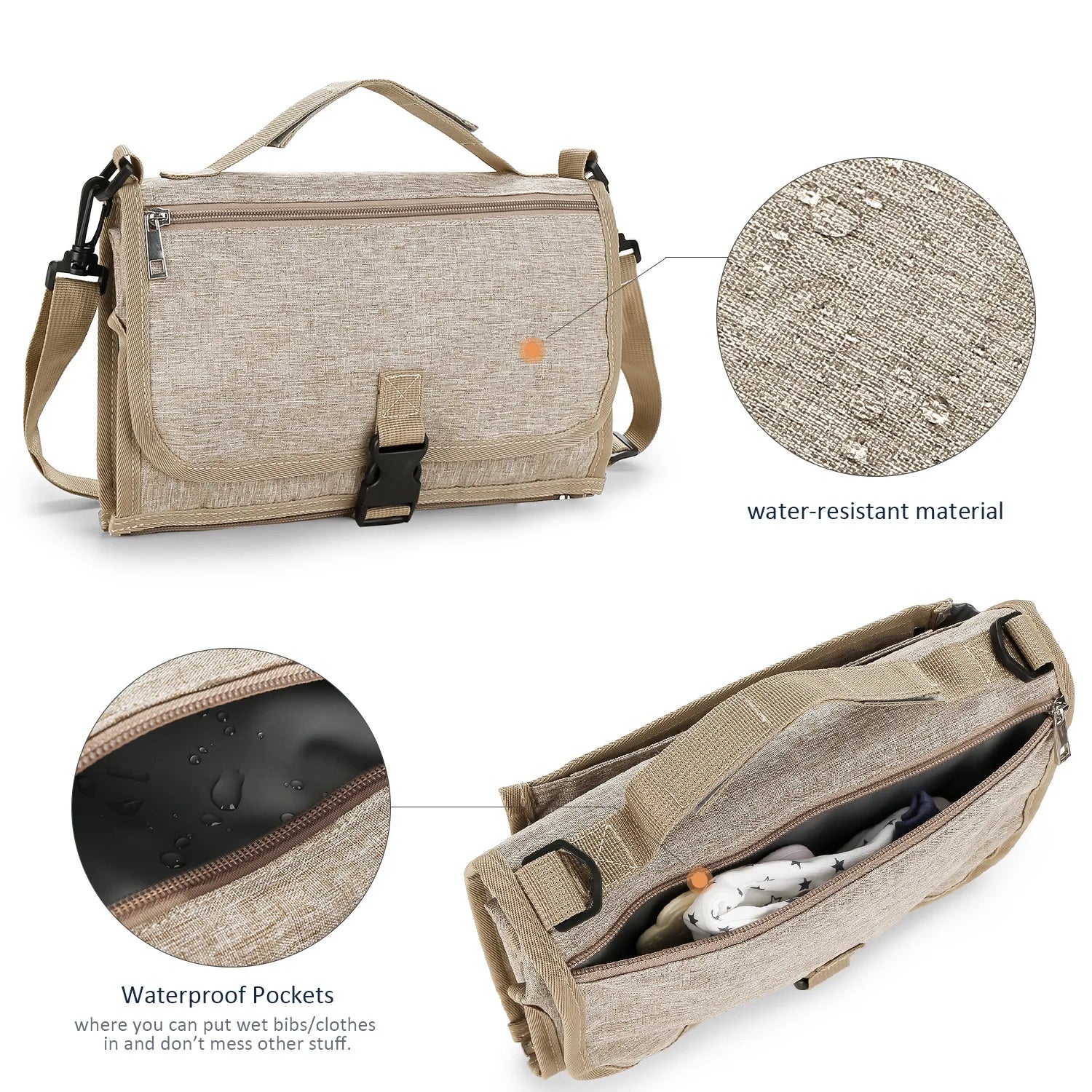
travel diaper mat & best travel diaper changing pad — See it in action
Explore helpful ideas and gear to make travel more joyful for you and your little one.
Why these travel diaper changing tips work — Reduce mess, save time, protect baby
Travel changes your normal routine. Clean changing tables may not be available, space can be limited, and unexpected diaper emergencies often happen at the worst possible time. Following proven travel diaper changing tips helps you stay organized so you can respond quickly without sacrificing your baby's comfort or safety.
Whether you're changing diapers while traveling by bus, car, train, or plane, the same principles apply: prepare your supplies, create a clean barrier between your baby and public surfaces, and keep every essential within easy reach.
- Speed: Packing supplies in a consistent layout allows you to complete diaper changes efficiently, reducing the amount of time your baby spends on an unfamiliar surface.
- Hygiene: A travel diaper mat provides a protective barrier that helps minimize contact with public surfaces and simplifies cleanup afterward.
- Safety: Preparing before you begin lets you keep one hand available to stabilize your baby, especially when changing diapers in moving vehicles or tight spaces.
- Peace of mind: Having a reliable routine reduces stress for parents and creates a calmer experience for babies during travel.
Do these tips actually save time?
Yes. Parents who organize their diaper changing essentials before leaving home spend less time searching through bags and more time focusing on their baby. Keeping diapers, wipes, disposable bags, and a travel diaper mat together creates a repeatable routine that helps complete most diaper changes quickly, even in unfamiliar environments. Better preparation also reduces mess, limits unnecessary exposure to public surfaces, and makes portable diaper changing significantly less stressful throughout the trip.
Quick essentials packing list — Pack once, change anywhere
A well-organized diaper kit lets you handle unexpected changes without unpacking your entire bag. Keep everything together in one compact pouch so you can move quickly whether you're on a bus, train, airplane, or making a roadside stop. The goal is to create a portable changing station that is always ready to use.
- Travel diaper mat: Choose a waterproof, foldable mat that creates a clean barrier on public surfaces.
- Best travel diaper changing pad: Look for a lightweight model with built-in pockets for diapers and wipes.
- Diapers: Pack about 1.5 times the number you expect to use to cover delays or unexpected blowouts.
- Baby wipes: Carry a travel pack for easy access plus a full refill for longer journeys.
- Disposable changing liners: Helpful for extra protection in public restrooms or on shared surfaces.
- Disposable or zip-top bags: Store dirty diapers, soiled clothing, and used wipes until you can dispose of them properly.
- Hand sanitizer and baby-safe disinfectant wipes: Clean your hands before and after each diaper change and wipe down surfaces when appropriate.
- Spare outfit: Include an extra bodysuit, pants, socks, and a waterproof bag for dirty clothing.
- Comfort item: A small toy, pacifier, or teether can help keep your baby calm during diaper changes.
Pack like this: single tote system
Organize your supplies in the same order every time. Place diapers in the front compartment, wipes in the center, the folded changing pad against the back, and cleanup supplies in a side pocket. This consistent layout allows you to locate everything with one hand, even in cramped spaces or while standing beside your seat during travel.
How choosing the right pad saves time and headaches
One of the most valuable travel diaper changing tips is selecting equipment that matches how you travel. A high-quality travel diaper changing pad provides a clean surface, protects your baby from public contact points, and keeps essential supplies organized so diaper changes can be completed quickly.
Direct answer: The best travel diaper changing pad is compact, waterproof, easy to clean, and includes storage for diapers and wipes. These features help reduce mess, support one-handed diaper changes, and make portable diaper changing easier whether you're traveling by bus, plane, train, or car.
Key pad features to prioritize
- Waterproof exterior with a soft padded surface: Creates a hygienic barrier while keeping your baby comfortable during changes.
- Integrated storage pockets: Keeps diapers, wipes, and small essentials together so you don't have to search through your diaper bag.
- Wet and dry separation: Dedicated compartments help prevent clean supplies from coming into contact with soiled items.
- Compact folding design: A secure snap or magnetic closure allows the pad to fit easily into backpacks, stroller baskets, or under-seat bags.
- Easy maintenance: Wipe-clean materials or machine-washable fabrics simplify cleanup after messy diaper changes.
- Multi-purpose functionality: Some portable pads can also serve as a play mat, temporary seat liner, or clean resting surface during short stops.
Before your trip, practice unfolding the pad, arranging supplies, and packing everything back into place. Building this routine at home helps make diaper changes faster and more organized when you're managing an active baby in unfamiliar environments.
Fast, hygienic diaper changes: step-by-step
When changing diapers away from home, a consistent routine helps you work efficiently while keeping your baby safe and minimizing contact with public surfaces. Before you begin, make sure you have everything within reach so you never need to step away from your baby during the change.
- Choose the safest available location: Select a stable, reasonably clean surface whenever possible. A dedicated changing table is ideal if it's clean and in good condition. Otherwise, use your portable travel diaper mat on a flat bench, vehicle cargo area, or another secure surface suitable for diaper changes.
- Prepare supplies before removing the diaper: Lay out a clean diaper, wipes, diaper cream if needed, and a disposal bag. Keeping clean and used items on opposite sides helps reduce cross-contamination.
- Keep your baby secure and calm: Maintain one hand near your baby whenever practical, especially on elevated surfaces. A favorite toy, pacifier, or gentle conversation can help reduce movement during the diaper change.
- Clean efficiently: Remove the soiled diaper, wipe thoroughly from front to back when appropriate, and slide the clean diaper into place without unnecessary repositioning. Working in a consistent sequence helps speed up the process while reducing mess.
- Seal and store waste immediately: Place the used diaper and wipes into a disposable or zip-top bag, seal it securely, and store it until you can dispose of it properly. Fold the travel diaper mat with the used surface inward if it requires cleaning later.
- Finish with hand hygiene: Sanitize or wash your hands as soon as possible after the diaper change, and wipe down reusable equipment before packing it away if it has become soiled.
One-handed change method (for soothing or carrying)
- Open the clean diaper before beginning so it is ready to slide underneath your baby immediately.
- Arrange wipes in an easy-to-grab stack instead of pulling them from the package one at a time.
- Keep one hand available to steady your baby while the other manages clothing and diaper changes.
- If another adult is present, ask them to entertain or gently stabilize the baby so you can complete the change more efficiently.
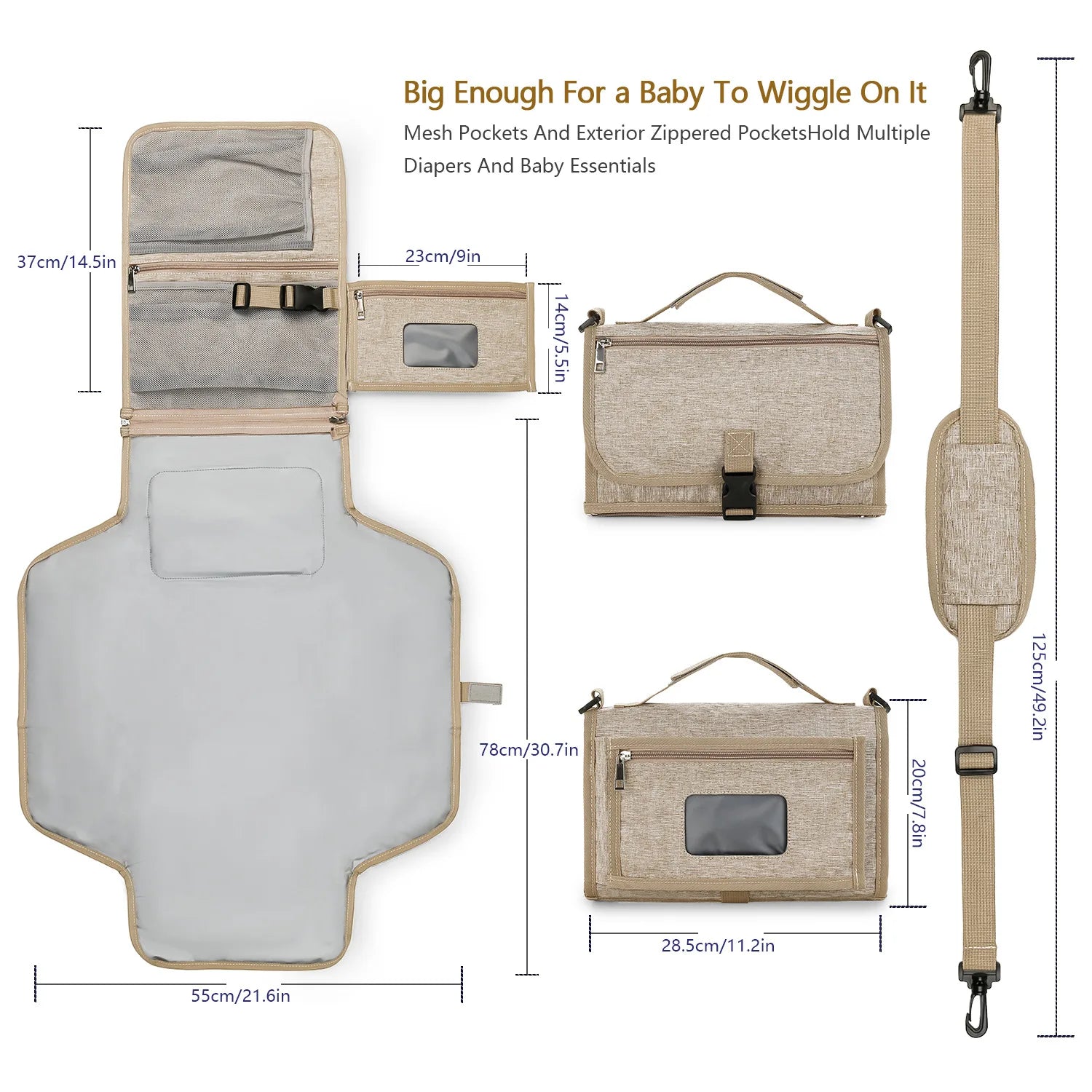
newborn diaper changing tips & travel diaper mat — See it in action
Hacks for tiny or germy changing spaces
Limited space doesn't have to make diaper changes difficult. A portable diaper changing setup, careful planning, and good hygiene habits can make changing diapers while traveling much more manageable in busy public environments.
Airplane bathrooms
- Use the fold-down changing table if one is available and stable, placing your travel diaper mat on top for an added hygienic barrier.
- Bring only the essentials into the restroom to maximize the limited space.
- Prepare the clean diaper before removing the old one to shorten the amount of time your baby spends on the changing surface.
- Dispose of diapers according to airline instructions and avoid leaving waste in seat pockets or overhead bins.
Gas station restrooms
- Inspect changing stations before use and clean the surface when appropriate before placing your changing mat down.
- If facilities are unsuitable and weather permits, a clean vehicle cargo area with a portable changing mat may provide a better alternative.
- Keep clean supplies elevated and away from restroom floors whenever possible.
Hotel rooms and small apartments
- Create a designated changing area using your travel diaper mat on a stable, easy-to-clean surface.
- If changing on a bed, place the waterproof mat over a towel or blanket to help protect bedding.
- Keep a sealed bag nearby for immediate disposal of used diapers and wipes to reduce odors inside the room.
Organization systems that stick — Keep the kit ready
A consistent organization system makes travel diaper changes faster because you always know where supplies are located. Instead of rebuilding your diaper bag before every outing, create a setup that stays ready for daily trips, longer journeys, and unexpected stops.
System A — The Grab-and-Go Tote
- Use one dedicated changing bag or organizer: Keep all diaper changing essentials together so you can move quickly from a stroller, car, or travel seat.
- Create fixed locations for each item: Store diapers in one pocket, wipes in another, disposal bags in an easy-access section, and the folded travel diaper mat flat against the back.
- Restock immediately after each change: Replace used diapers, wipes, and bags as soon as you return home so the kit is always prepared for the next trip.
- Keep frequently used items reachable: Place the supplies you need first near the opening of the bag to make one-handed access easier.
System B — The Stroller Basket Station
- Store backup supplies in the stroller: Keep extra diapers, wipes, and disposable bags available for longer outings or unexpected delays.
- Create a smaller quick-trip pouch: Carry only the essentials for short walks, such as a few diapers, wipes, a portable diaper changing mat, and a spare outfit.
- Review supplies regularly: Check the pouch and stroller storage weekly to replace missing items and remove products that have expired or are no longer needed.
- Adjust based on your routine: Families traveling by bus, plane, or car may need different amounts of supplies, but the goal remains the same: make every diaper change predictable and organized.
Compare travel changing options — Pros & cons at a glance
The right portable diaper changing setup depends on how you travel, how often you change diapers away from home, and how much storage space you have. Comparing different options helps you choose the solution that best fits your routine.
| Option | Best for | Pros | Cons |
|---|---|---|---|
| Foldable travel diaper mat | Short trips, stroller outings, lightweight packing | Compact, waterproof, easy to clean, simple to carry | Provides less storage space and limited padding compared with larger changing pads |
| 3-in-1 baby diaper pad (pocketed) | Frequent travelers, diaper bag users, longer journeys | Built-in storage, wet/dry organization, extra padding, and a complete portable changing station in one design | Slightly bulkier than a basic foldable mat |
| Disposable changing pads | Occasional public restroom changes or emergency backup | Very lightweight, convenient, and provides a fresh surface for each use | Creates more waste and requires continuous replacement |
Care, cleaning, and longevity — Keep gear ready for every trip
Proper care keeps your travel diaper changing essentials cleaner, safer, and more reliable over time. Regular maintenance is especially important because changing pads are exposed to moisture, spills, and frequent handling during travel.
- Clean after messy changes: Wipe waterproof surfaces with baby-safe cleaning products after spills or diaper leaks.
- Follow fabric care instructions: If your changing pad includes removable liners or washable fabric sections, clean them according to the manufacturer's recommendations.
- Dry completely before storage: Allow the pad and accessories to air dry fully before folding them away to help prevent odors and mildew.
- Inspect regularly: Replace changing gear if waterproof layers crack, seams weaken, or the surface becomes difficult to clean.
- Refresh your travel kit: Periodically check diapers, wipes, disposal bags, and other supplies so your portable diaper changing setup is always ready.
Newborn diaper changing tips for travel — Extra-care checklist
Newborns require more frequent diaper changes and extra attention during travel because they have sensitive skin, limited temperature regulation, and less ability to communicate discomfort. A well-prepared diaper changing setup helps make trips smoother while keeping your baby comfortable.
- Pack extra diapers: Bring more than your estimated needs because newborns may require frequent changes throughout the day. Extra supplies are especially important during delays or longer journeys.
- Choose gentle wipes: Use soft, fragrance-free wipes designed for sensitive skin to help reduce irritation during frequent diaper changes.
- Use a supportive changing surface: A padded travel diaper mat with secure storage helps create a comfortable area for newborn changes while keeping essentials within reach.
- Carry diaper cream and small care items: Keep protective creams, burp cloths, and other newborn essentials organized in an easy-access pocket.
- Keep your baby warm: Bring a lightweight blanket or extra layer because newborns can become cold quickly when their diaper is being changed.
- Plan around your baby's routine: Changing before departure, during scheduled stops, or before long stretches without facilities can reduce stress during travel.
Newborn-specific one-handed technique
Newborn diaper changes require gentle movements and careful support. Prepare the clean diaper and wipes before removing the old diaper, then use smooth, controlled motions to reduce the time your baby spends exposed. Keep one hand available to support your newborn while using the other hand to manage supplies whenever possible.
Practice the setup at home before traveling so you know exactly where each item is stored. This simple preparation can make travel diaper changes feel more predictable, especially when you are managing a newborn in a small or unfamiliar space.
What to buy and why it matters — Product features that improve travel diaper changes
The best travel diaper changing gear should solve real problems parents face on the go: limited space, unexpected messes, slow setup, and difficulty keeping supplies organized. Instead of focusing only on appearance, evaluate how each feature improves safety, convenience, and daily usability.
Outcome: Faster changes
- Feature: Quick-access pockets, organized storage areas, and a design that keeps diapers and wipes within reach.
- Why it helps: Reduces searching and fumbling, allowing parents to focus more attention on keeping their baby secure and comfortable.
Outcome: Less mess and easier cleanup
- Feature: Waterproof materials, protective surfaces, and compartments designed for separating clean and used items.
- Why it helps: Helps contain spills, protects bags and clothing, and makes cleanup after unexpected diaper leaks easier.
Outcome: Better hygiene while traveling
- Feature: Washable surfaces, wet/dry organization, and secure closures for storing used items.
- Why it helps: Keeps clean supplies separate from dirty items and supports a more hygienic portable diaper changing routine.
For parents who want an all-in-one travel solution, the 3-in-1 baby diaper pad combines a changing surface, storage pockets, and waterproof protection in one foldable design. It can help simplify diaper changes during trips while also working for everyday outings.
Compare important features like portability, storage, padding, and easy cleaning to find the setup that fits your family's travel routine.
Final trip-ready checklist — Print-and-go
Keep this checklist in your diaper bag or travel organizer so your travel diaper changing essentials are always prepared. A simple restocking routine before each outing helps prevent forgotten supplies and makes diaper changes easier during busy travel days.
Before boarding or leaving home
- Travel diaper mat: Fold it neatly and place it somewhere easy to access, not buried under other items.
- Diapers: Pack enough for your planned travel time plus extras for delays or unexpected changes. A common approach is to bring more than your expected use rather than packing the exact amount.
- Wipes: Carry a travel-size pack for quick access and a larger refill for longer journeys.
- Cleanup supplies: Include disposable bags, hand sanitizer, and baby-safe cleaning supplies.
- Extra clothing: Pack a spare outfit and blanket in case of leaks, spills, or temperature changes.
During travel
- Keep the diaper changing pouch within reach instead of storing it where you cannot access it quickly.
- Check your baby's diaper before long periods without facilities, such as bus rides, flights, or extended road trips.
- Use your portable diaper changing setup on a clean, stable surface whenever possible.
- Separate clean supplies from used items immediately after each change.
After the change
- Seal used diapers and wipes in disposable bags until proper disposal is available.
- Clean reusable changing gear if it becomes soiled.
- Replace used diapers, wipes, and bags so the kit is ready for the next outing.
Frequently asked questions
-
How many diapers should I pack for a day trip?
Answer: Pack enough diapers for your expected travel time plus extra for delays, unexpected messes, or longer-than-planned outings. Many parents choose to bring around 1.5 times their estimated needs to avoid running out.
-
Can I change a diaper on my lap?
Answer: Yes, a lap-assisted diaper change can be useful when space is limited, such as on an airplane. Use a travel diaper mat to create a cleaner barrier and make sure your baby remains secure throughout the change.
-
Do travel diaper mats work for newborns?
Answer: Yes. A suitable travel diaper mat can make newborn diaper changes easier by providing a cleaner, more comfortable surface. Choose a mat with soft padding and keep your newborn warm during changes.
-
How do I handle blowouts in public?
Answer: Prepare for blowouts by carrying extra clothing, disposable bags, wipes, and a waterproof changing surface. Clean your baby, contain dirty items, and sanitize your hands and reusable gear before packing everything away.
Packing tips for different trip types — Tailor your kit
The best diaper changing setup depends on your travel environment. Adjusting your supplies based on the length of the trip, available space, and access to facilities helps you stay prepared without carrying unnecessary items.
Road trips
- Create two levels of supplies: Keep a larger backup kit in the car with extra diapers, wipes, clothing, and cleanup supplies, while carrying a smaller pouch for quick stops.
- Prepare for unexpected delays: Longer drives can require additional changes, so include extra diapers, disposable bags, and a spare outfit beyond your original estimate.
- Protect supplies from heat: Store wipes and sensitive baby items away from direct sunlight and extreme temperatures to maintain their condition.
- Use your vehicle as a changing station: A portable diaper changing mat can help create a cleaner surface when rest stops or public facilities are unavailable.
Flights
- Keep essentials within reach: Bring a compact diaper pouch onboard with diapers, wipes, disposal bags, and a folded travel diaper mat rather than packing them in checked luggage.
- Plan changes strategically: Changing your baby before boarding or before a long period without easy restroom access can reduce stress during the flight.
- Pack for delays: Extra diapers and clothing are especially important for longer flights where schedules may change.
- Choose compact gear: Lightweight, quick-folding diaper supplies make navigating narrow aisles and small airplane bathrooms easier.
Train and bus travel
- Prioritize portability: Limited seating space makes compact diaper changing essentials more practical for public transportation.
- Keep supplies accessible: Store diapers, wipes, and your portable changing mat where you can reach them without unpacking your entire bag.
- Plan around available stops: If a bus or train has scheduled breaks, consider using cleaner facilities when available rather than waiting until a change becomes urgent.
- Prepare for limited privacy: A well-organized kit and quick-change routine can make changing baby on the go easier in crowded travel situations.
Safety tips every parent should follow
Safe diaper changes during travel require more than having the right supplies. Parents should also consider the changing environment, baby’s position, and cleanliness of the equipment being used. These simple precautions help reduce risks when changing baby on the go.
- Never leave your baby unattended: Keep your baby within reach at all times, especially when changing on elevated surfaces such as counters, benches, or vehicle areas.
- Choose stable surfaces: Use a flat, secure area for your travel diaper mat and avoid changing your baby in locations where the surface may shift or become unsafe.
- Clean surfaces when possible: Wipe down changing areas before placing your mat to create a cleaner barrier between your baby and public surfaces.
- Keep supplies within reach: Arrange diapers, wipes, and disposal bags before starting so you do not need to turn away from your baby during the change.
- Inspect your changing gear regularly: Check your pad for damaged seams, worn waterproof layers, or areas that are difficult to clean. Replace worn equipment to maintain a hygienic changing setup.
Related resources for easier baby travel and care
Explore more baby gear guides and helpful resources that pair well with portable diaper changing solutions:
Why this approach works — The outcome in one paragraph
Effective travel diaper changing tips are built around preparation, organization, and choosing practical gear that supports real travel situations. A portable diaper changing setup with a travel diaper mat or the 3-in-1 baby diaper pad helps parents create a cleaner changing area, keep supplies within reach, and handle unexpected diaper changes with less stress. The result is a smoother travel experience with fewer disruptions, easier cleanup, and more confidence when caring for your baby away from home.
The 3-in-1 baby diaper pad combines portable convenience, organized storage, and a practical changing surface to simplify diaper changes at home or on the go.
Frequently asked questions
-
Is it safe to change a baby diaper on a bus?
Answer: Changing a baby diaper on a bus can be safe when necessary if you choose the safest available location, keep your baby secure, and use a portable diaper changing mat to create a cleaner surface. Avoid changing while the vehicle is moving whenever possible.
-
Where should you change a baby's diaper if the bus has no changing table?
Answer: If there is no changing table, look for the safest available option, such as a scheduled rest stop or another stable, appropriate surface. A portable diaper changing setup can help when facilities are unavailable, but always prioritize your baby's safety and stability.
-
Should you wait until the next rest stop to change a diaper?
Answer: It depends on your baby's comfort and the condition of the diaper. A short wait may be possible for a minor wet diaper, but heavily soiled diapers should be changed as soon as it is safe to do so to help protect your baby's skin and comfort.
-
What should you pack for diaper changes during bus travel?
Answer: Essential supplies include diapers, wipes, a travel diaper mat, disposable bags, hand sanitizer, a spare outfit, and any items your baby needs for comfort. Keeping these items in an accessible pouch makes changing diapers while traveling easier.
-
How do you dispose of a dirty diaper on a bus?
Answer: Seal the used diaper and wipes inside a disposable bag or odor-resistant pouch until you reach an appropriate trash receptacle. Avoid leaving diapers in shared areas or storage spaces.
-
How can you change a diaper without waking or upsetting your baby while traveling?
Answer: Prepare supplies before starting, use gentle movements, keep the process consistent, and use calming techniques such as a familiar toy, pacifier, or quiet voice to help your baby stay relaxed.
-
What is the best portable diaper changing setup for public transportation?
Answer: The best setup is lightweight, easy to access, and includes a clean changing surface, organized storage, and supplies for quick cleanup. A compact travel diaper mat combined with a prepared diaper pouch works well for buses, trains, and flights.
-
How often should you change a baby's diaper during a long bus trip?
Answer: Check your baby's diaper regularly throughout the journey and change as needed based on comfort, wetness, and whether the diaper is soiled. Longer trips may require extra planning, additional supplies, and scheduled stops when possible.
With the right travel diaper changing essentials, a little preparation can transform diaper changes from a stressful interruption into a manageable part of the journey. Pack smart, keep supplies organized, and use a reliable portable changing setup to make every trip more comfortable for both you and your baby.
Related Articles:
- Organizing Diaper Bag Essentials Features That Simplify Every Outing
- Baby Changing on the Go: Why Smart Design Features Matter
Pillar Articles:





