

Are U Shaped Toothbrushes Good for Kids? Quick Verdict
A u shaped kids toothbrush can be a helpful option for toddlers and young children who struggle with traditional brushing, but it is not a guaranteed replacement for proper brushing technique. Its main advantages are comfort, easier handling, and better cooperation during daily routines.
For children who resist brushing, have sensitive gums, or are still developing coordination, a u shaped toothbrush may make brushing feel simpler and less stressful. However, parents should have realistic expectations because effective plaque removal still depends on proper movement, fit, and consistent use.
The best choice depends on your child’s age, brushing habits, and oral care needs. A u shaped kids toothbrush works best as a tool that encourages regular brushing, while supervised brushing and good technique remain important for healthy teeth.
U Shape Kids Toothbrush Comparison: Which Is Safest?
Choosing the right toothbrush for your child can feel surprisingly stressful. Parents often compare comfort, safety, cleaning ability, and ease of use when deciding between modern designs and traditional brushes. This guide compares u shaped toothbrushes with regular kids toothbrushes to help you understand what works, what does not, and which option may fit your child’s routine.
⏱ 7 min read
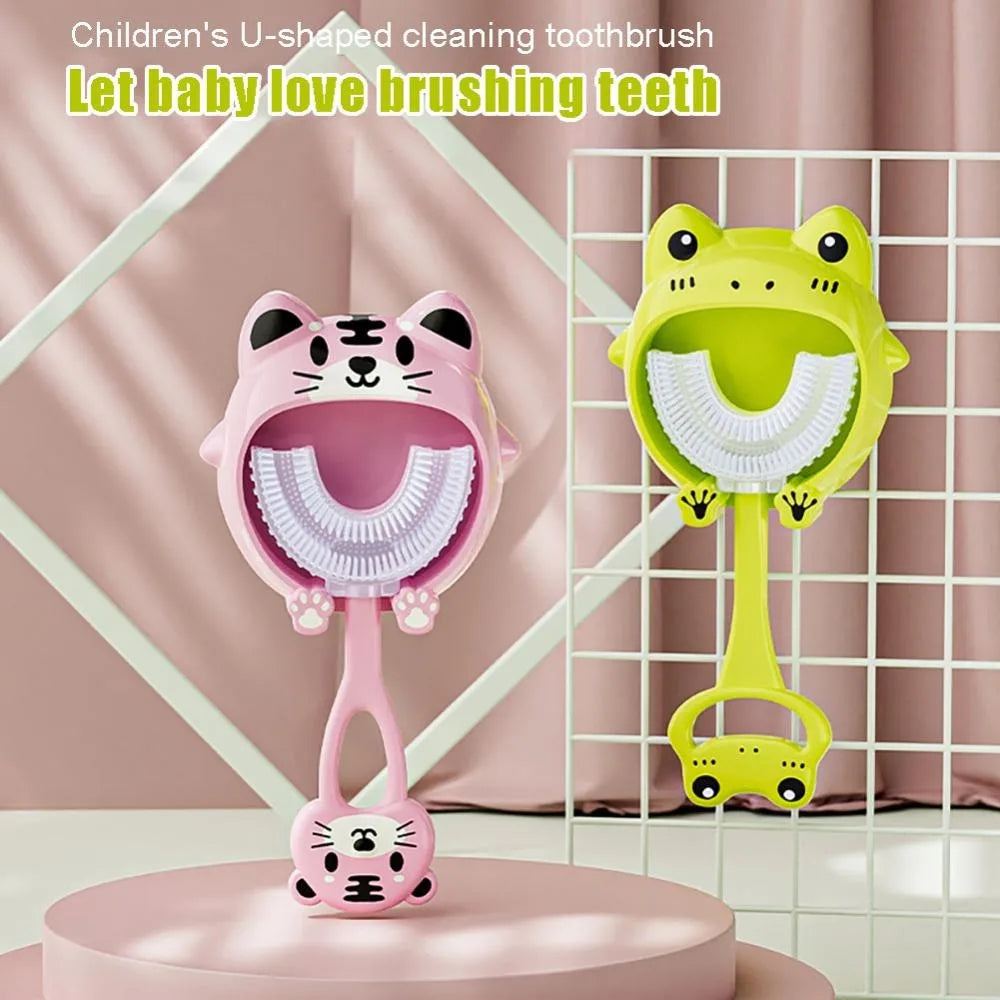
A closer look at a u shape kids toothbrush design for easier daily brushing
What Is a U Shaped Kids Toothbrush and How Does It Work?
The u shaped kids toothbrush uses a mouthpiece-style brush head designed to surround several teeth at the same time. Instead of manually brushing each tooth surface individually, children bite gently onto the flexible U-shaped head while soft silicone bristles contact the teeth and gums.
How the U-shaped mouthpiece cleans teeth
The curved design aims to reach multiple tooth surfaces, including the front, back, and chewing areas, with less hand movement compared with a traditional toothbrush. This can make brushing easier for younger children who are still developing coordination.
However, the design does not automatically guarantee complete cleaning. Children still need to position the brush correctly, use appropriate toothpaste, and brush consistently to remove plaque effectively.
Why fit and bristle contact matter
A proper fit is one of the most important factors when choosing a u shaped toothbrush. If the mouthpiece is too large or too small, the silicone bristles may not contact teeth evenly.
Many products highlight full-mouth cleaning, but real-world results depend on bristle placement, child cooperation, and how closely the brush matches the child’s mouth size.
Are U Shaped Toothbrushes Effective? What Research Says
Parents often ask, “are u shaped toothbrushes effective?” The answer is more balanced than many product claims suggest. U shaped toothbrushes can improve convenience and encourage brushing habits, but their plaque-removal performance may vary compared with traditional toothbrushes.
Clinical evidence summary
Research on automatic and mouthpiece-style toothbrush designs has shown mixed results. Some studies suggest these brushes can help children complete brushing routines more easily, while other findings indicate traditional brushing techniques may still provide stronger plaque removal when performed correctly.
This means a u shaped toothbrush should be viewed as a supportive oral care tool rather than a complete replacement for learning proper brushing habits.
Why plaque removal differs from regular brushes
Regular toothbrushes allow parents and children to control the angle, pressure, and movement around individual teeth. A u shaped toothbrush provides convenience but may have limitations if bristles do not fully reach certain areas.
For young children who struggle with brushing consistency, the benefit may come from increased participation and routine building rather than the design alone.
U Shaped Toothbrush vs Regular Toothbrush
| Feature | U Shaped Kids Toothbrush | Regular Kids Toothbrush |
|---|---|---|
| Plaque Removal | Depends on fit and correct use | Highly effective with proper technique |
| Ease of Use | Simple for younger children | Requires more coordination |
| Comfort | Soft silicone design may feel gentler | Depends on bristle softness |
| Child Cooperation | May make brushing more enjoyable | Some children resist traditional brushing |
| Best Use Case | Toddlers and reluctant brushers | Children learning detailed brushing skills |
Plaque removal
Regular toothbrushes have a longer history of proven effectiveness when used correctly. They allow precise cleaning around individual teeth and gumlines.
Ease of use
A u shaped toothbrush reduces the amount of movement required, which can help children who struggle with brushing independence.
Comfort
Many children prefer softer silicone designs because they feel less harsh against gums and developing teeth.
Best use cases
The right choice depends on the child. Some families use a u shaped toothbrush during early brushing stages and transition to traditional brushes as coordination improves.
Silicone Toothbrush vs Regular: Which Is Better for Kids?
The biggest difference between many modern u shaped toothbrushes and traditional options is the bristle material. Silicone toothbrushes are designed to provide a softer brushing experience, while regular toothbrushes commonly use nylon bristles.
Benefits of silicone bristles
- Gentler contact for sensitive gums
- Flexible material that reduces harsh pressure
- Comfortable texture for younger children
- Easy cleaning and maintenance
Potential drawbacks
Silicone bristles may feel comfortable but may not always provide the same detailed cleaning ability as traditional bristles when a child needs targeted brushing around specific teeth.
For children with sensitive gums, comfort can play an important role because a painless brushing experience often encourages better daily habits.
Families exploring Baby Hygiene Gadgets often look for products that simplify routines while improving comfort.
Are U Shaped Toothbrushes Safe for Toddlers?
Many parents ask, “are u shaped toothbrushes safe for toddlers?” When properly sized and used under supervision, they can be a safe option for young children.
Recommended age
Age recommendations vary by product, so parents should always follow the manufacturer’s guidance. Younger children should use toothbrushes designed specifically for their mouth size and development stage.
Safe use tips
- Supervise toddlers while brushing
- Choose food-grade, child-safe materials
- Replace the brush when worn or damaged
- Ensure the mouthpiece fits comfortably
Even with a safer design, children should not walk, run, or play while brushing.
Which Children Benefit Most from a U Shaped Toothbrush?
Who may benefit
- Toddlers learning independent brushing
- Children who dislike traditional toothbrushes
- Sensory-sensitive children who prefer gentle textures
- Busy families needing a simpler routine
Who should use a regular toothbrush instead
Children who already have strong brushing habits and can clean individual teeth effectively may continue benefiting from a traditional toothbrush.
Parents looking for additional guidance may also explore Health & Safety solutions for everyday child care routines.
How to Choose the Right Toothbrush for Your Child
A good u shaped toothbrush review should consider more than appearance. The safest toothbrush is one that matches your child’s age, comfort level, and brushing ability.
What to look for
- Age-appropriate sizing
- Soft and flexible bristles
- Easy cleaning design
- Comfortable grip or mouthpiece fit
- Positive dentist guidance when needed
When to switch designs
Some children benefit from switching between toothbrush types as they grow. A toddler may prefer a u shaped design, while an older child may develop better technique with a regular toothbrush.
Many families browsing Baby Care Tips & Advice discover that small routine changes can make daily care easier.
If you are exploring a modern brushing option, the u shape kids toothbrush offers a gentle design focused on comfort and simplicity.
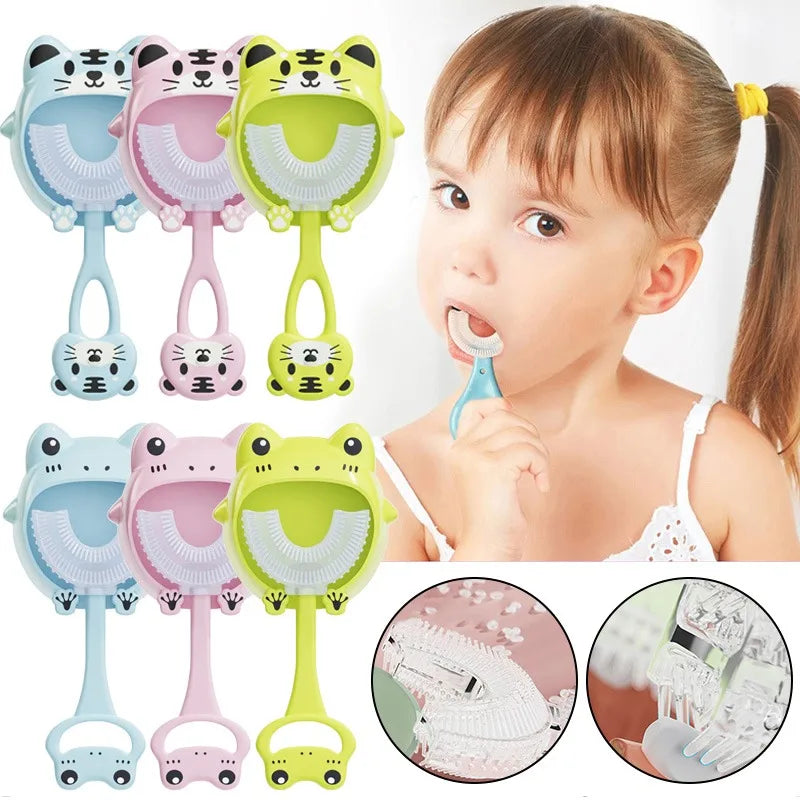
Comparing brushing comfort with a u shaped toothbrush design
Tips to Improve Brushing Success Regardless of Toothbrush Type
- Brush for about two minutes twice daily
- Use the correct amount of children’s toothpaste
- Supervise young children during brushing
- Create a consistent morning and bedtime routine
- Make brushing positive instead of stressful
The best toothbrush is only effective when children use it regularly. Building a comfortable routine is one of the most important parts of long-term oral care.
Frequently Asked Questions
Are U shaped toothbrushes really effective?
U shaped toothbrushes can help children brush more easily and consistently. Their cleaning effectiveness depends on fit, design quality, and proper use.
Can a U shaped toothbrush replace a regular toothbrush?
For some younger children, it can be a useful alternative. However, regular brushing skills remain important as children grow.
Are U shaped toothbrushes safe for toddlers?
Yes, when the toothbrush is appropriately sized, made from safe materials, and used with adult supervision.
How long should kids brush with a U shaped toothbrush?
Children should generally follow the recommended brushing duration of around two minutes, unless product instructions state otherwise.
How often should a U shaped toothbrush be replaced?
Replace the toothbrush when bristles show wear, the material becomes damaged, or according to the manufacturer’s recommendations.
Are silicone toothbrushes better for sensitive gums?
Silicone toothbrushes may feel gentler for children with sensitive gums because the material is softer and more flexible.
Do U shaped toothbrushes work better than regular toothbrushes?
Not always. They may work better for some children because they improve comfort and cooperation, while regular toothbrushes can provide excellent cleaning with proper technique.





