

Does a waterproof diaper changing pad really keep messes contained?
A waterproof diaper changing pad helps contain everyday diaper messes by creating a moisture-resistant barrier between your baby and the surface underneath. Whether you're changing diapers at home, in the car, or in a public restroom, it protects furniture, car seats, and changing stations from leaks while providing a clean, comfortable place for your baby. Most quality designs also feature wipe-clean or machine-washable materials, making cleanup quick and hygienic.
⏱ 8 min readWaterproof Diaper Changing Pad Comparison for Mess-Free Newborn Care
Diaper changes rarely happen in perfect conditions. From airport restrooms and park benches to the back seat of your car, parents often need a safe, clean place to change their baby wherever they are. A waterproof diaper changing pad makes those moments easier by helping prevent leaks, simplifying cleanup, and creating a familiar surface for your little one. This guide compares common waterproof changing pad styles, explains the features that matter most, and helps you choose a durable, portable option that fits your family's routine.
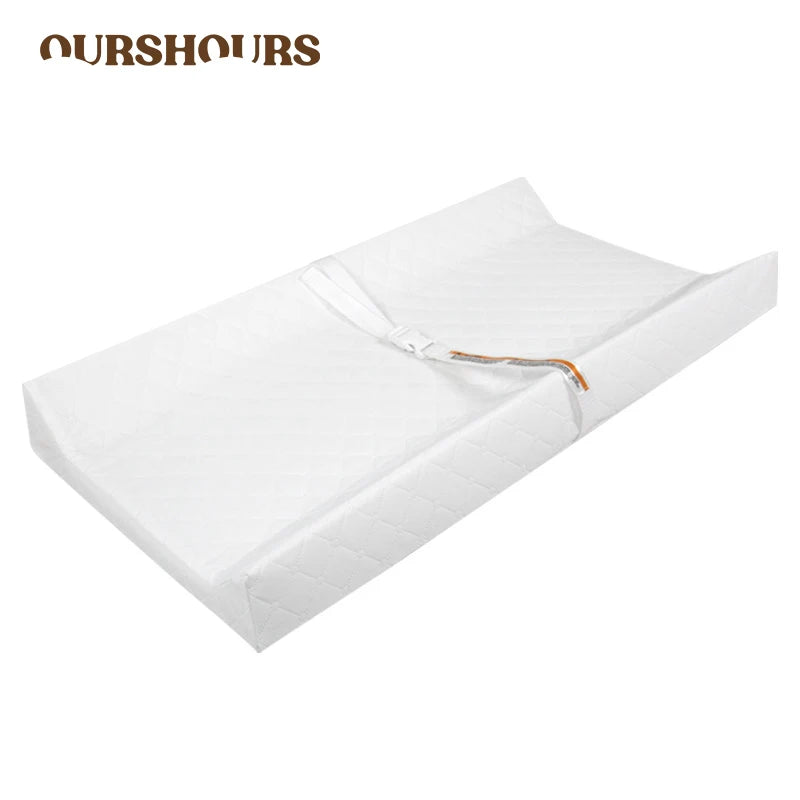
waterproof diaper changing pad + changing pad washable — See it in action.
Why choose a waterproof diaper changing pad?
Direct answer: A waterproof diaper changing pad creates a protective barrier that helps keep urine, spit-up, and other messes from soaking through onto furniture, clothing, stroller seats, or public changing stations. Combined with washable materials and a foldable design, it offers one of the simplest ways to keep diaper changes cleaner, faster, and more hygienic wherever you go.
Everyday problems a waterproof changing pad solves
- Protects couches, beds, car seats, and public changing tables from moisture and stains.
- Allows quick wipe-clean maintenance after small accidents, reducing laundry and cleanup time.
- Provides a familiar, cushioned surface that helps babies stay more comfortable during diaper changes.
- Folds compactly to fit easily inside most diaper bags, backpacks, or stroller organizers.
- Reduces direct contact between your baby and public surfaces for improved everyday hygiene.
Top waterproof features to look for
The best waterproof changing pad combines reliable leak protection with comfort, portability, and materials that are safe for newborn skin. Before choosing one, consider these important features.
Safe materials
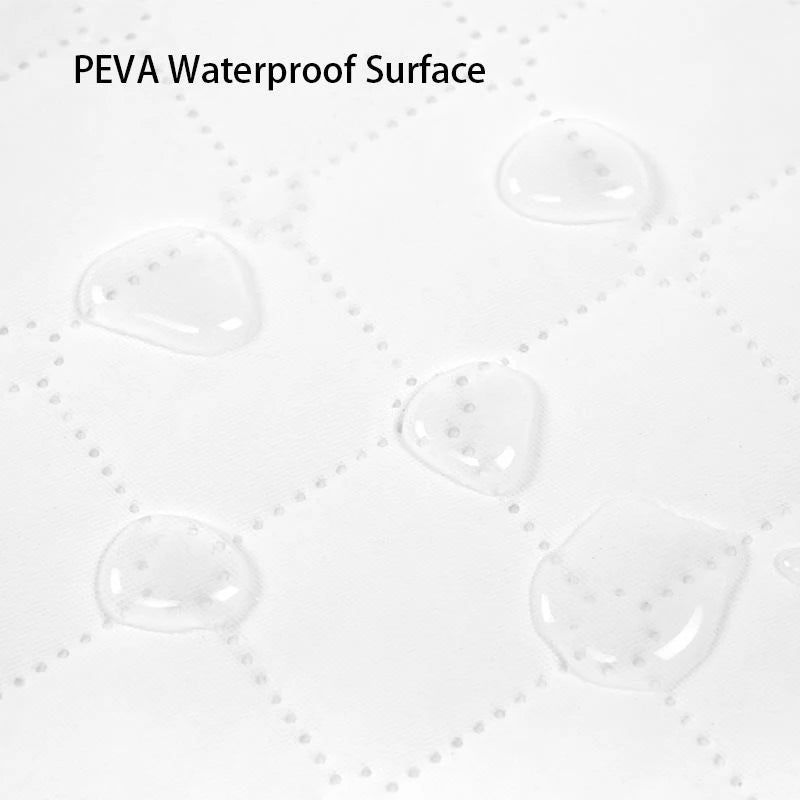
- Fully waterproof outer layer that prevents liquids from soaking through while remaining easy to wipe clean.
- Non-toxic materials that are BPA-free, phthalate-free, and gentle on sensitive skin whenever possible.
- Machine-washable construction or clearly labeled changing pad washable fabrics for easy maintenance.
Comfort
- Soft, absorbent inner layer that keeps your baby comfortable while helping manage small spills.
- Light padding that adds cushioning without making the changing pad overly bulky.
- Smooth fabric surface that feels comfortable against delicate newborn skin.
Portability
- Foldable travel changing mat design with a secure closure for compact storage.
- Lightweight construction that fits easily inside diaper bags and travel backpacks.
- Non-slip backing for added stability on smooth changing surfaces.
Side-by-side comparison: common pad types
| Type | Waterproofing | Cleaning | Portability | Best for |
|---|---|---|---|---|
| Basic waterproof mat | Coated waterproof fabric | Wipe clean; many are machine washable | Very compact and lightweight | Daily outings and quick diaper changes |
| Padded foldable changing pad | Waterproof shell with cushioned core | Usually machine washable (check care label) | Slightly bulkier but more comfortable | Travel, road trips, and longer outings |
| Disposable waterproof liners | Single-use waterproof barrier | Discard after use | Ultra portable | Emergency backups and travel days |
Quick wins from the comparison
- Padded foldable designs offer the best balance of comfort, protection, and long-term value.
- Basic waterproof mats are ideal for parents who prioritize compact storage and lightweight travel.
- Disposable liners work well as emergency backups but are less economical for everyday diaper changes.
Which pad fits your routine?
The best waterproof baby changing pad depends on where you change diapers most often. Consider your daily routine, storage space, and how frequently you'll be using the pad away from home.
For urban parents who take public transit
- Choose a slim, foldable waterproof mat that fits easily inside a diaper bag, tote, or stroller basket.
- Fast-drying materials and a secure carrying strap make quick diaper changes easier when you're on the move.
- Lightweight designs reduce bulk while still providing dependable leak protection.
For road-trip families
- Select a padded, machine-washable changing pad that creates a comfortable changing station in cars, hotels, or rest stops.
- A non-slip backing provides additional stability when changing diapers on vehicle seats, benches, or other smooth surfaces.
- Extra cushioning is especially helpful during longer outings or frequent travel.
For minimalist parents
- A simple waterproof changing mat with a wipe-clean surface often covers everyday needs without adding unnecessary weight.
- Pair it with a few disposable liners for situations where extra hygiene or faster cleanup is preferred.
- Compact folding designs are ideal for families who like to travel light.
foldable travel changing mat + nappy changing procedure tips — See it in action.
How to clean and maintain your waterproof changing pad
Daily cleaning
- Wipe the surface immediately after each diaper change using baby-safe wipes or a soft cloth with mild soap and warm water.
- Pay extra attention to seams and folds where moisture can collect.
Deep cleaning
- If the care label allows, machine wash the changing pad on a gentle cycle using mild detergent. Avoid bleach and high heat, which may damage the waterproof coating.
- For wipe-clean models that are not machine washable, clean both sides thoroughly and allow them to air dry completely before storing.
Storage tips
- Always let the pad dry fully before folding to help prevent mildew, odors, and deterioration of the waterproof layer.
- Store it in a cool, dry compartment of your diaper bag or nursery so it's ready for the next outing.
- Replace the pad if you notice cracks, peeling waterproof layers, persistent odors, or damage that allows moisture to soak through.
Practical usage tips and the nappy changing procedure
A consistent routine helps improve hygiene while making diaper changes quicker and less stressful for both parent and baby.
- Wash or sanitize your hands whenever possible before preparing the changing area.
- Place the waterproof changing pad on a clean, stable, flat surface and keep diapers, wipes, cream, and a clean change of clothes within easy reach.
- Lay your baby on the pad, keeping one hand on them at all times while removing the soiled diaper.
- Clean the diaper area thoroughly, dispose of the used diaper in a sealed bag, and wipe the changing surface if any mess remains.
- Fasten a clean diaper, dress your baby, then fold the changing pad after it has been wiped clean or allowed to dry.
- Wash or sanitize your hands again after completing the diaper change.
Pros & cons of waterproof changing pads
Every family has different priorities, but understanding the strengths and limitations of a waterproof baby changing pad can help you choose the right option for everyday use.
✅ Advantages
|
❌ Limitations
|
Parents who frequently travel, visit public places, or change diapers away from home typically benefit the most from a waterproof changing pad, while families who mostly change diapers at home may prefer a larger padded option for added comfort.
Are waterproof changing pads safe for babies?
Yes, a high-quality waterproof changing pad is safe for newborns and older babies when used correctly. Choosing safe materials and following basic diaper-changing practices helps reduce unnecessary risks while keeping your baby comfortable.
Materials to look for
- Look for BPA-free and phthalate-free materials whenever possible.
- Choose soft, skin-friendly fabrics that won't irritate delicate newborn skin.
- Select durable waterproof layers that resist cracking or peeling after repeated cleaning.
- If purchasing a machine-washable model, follow the manufacturer's care instructions to preserve the waterproof coating.
Safe usage tips
- Always keep one hand on your baby while changing diapers, especially on elevated surfaces.
- Never leave your baby unattended, even for a few seconds.
- Place the changing pad on a stable, flat surface before every diaper change.
- Inspect the pad regularly for tears, worn waterproof layers, or damaged stitching, replacing it if the protective barrier begins to fail.
- Clean and dry the pad thoroughly after accidents to help maintain good hygiene.
Frequently asked questions
-
What are the benefits of a waterproof baby changing pad?
A waterproof changing pad protects surfaces from leaks, simplifies cleanup, improves hygiene during diaper changes, and provides a clean, portable space for your baby whether you're at home or traveling. -
How do you clean a waterproof changing pad?
Most models can be wiped clean with mild soap and warm water after each use. Machine-washable versions should be washed on a gentle cycle according to the manufacturer's instructions. -
Can you machine wash a waterproof changing pad?
Many waterproof changing pads are machine washable, but not all. Always check the care label before laundering to avoid damaging the waterproof layer. -
Are waterproof changing pads safe for newborns?
Yes. Products made from non-toxic, baby-safe materials and used under proper supervision are suitable for newborns and infants. -
What material is best for a waterproof baby changing pad?
A combination of a waterproof outer layer with a soft, lightly padded interior offers an ideal balance of comfort, durability, and leak protection. -
Do I need a waterproof changing pad for travel?
A foldable waterproof changing pad is one of the most useful travel accessories because it creates a clean changing surface almost anywhere while protecting against unexpected messes. -
How often should I replace a changing pad?
Replace the pad if the waterproof layer begins peeling, cracks appear, odors remain after cleaning, or liquids start soaking through. -
What's the difference between a washable and waterproof changing pad?
A waterproof changing pad prevents liquids from reaching the surface underneath, while a washable changing pad simply means it can be cleaned in a washing machine. Many premium products offer both features.

waterproof changing mat, foldable travel changing mat — See it in action.
How to choose the best waterproof changing pad
Quick buying checklist
- Choose a fully waterproof design that is also labeled changing pad washable if you want the easiest maintenance.
- Make sure it folds compactly enough to fit your diaper bag, stroller basket, or carry-on luggage.
- Look for baby-safe, non-toxic materials that are gentle on sensitive skin.
- Select enough padding to keep your baby comfortable without adding unnecessary bulk.
- Consider non-slip backing and secure closures for safer, more convenient everyday use.
- Check that the size matches how and where you'll use it most often, whether at home, during travel, or on daily outings.
For more practical guidance on diaper changing, travel organization, and newborn care, explore the resources below to help build a safe, convenient routine at home and on the go.
Pillar Article: Best Infant Changing Pad Reviews for Safer, Cleaner Diaper Changes
Other Related Articles:
- Foldable Travel Changing Pad Reviews for Easy, Clean Travel Days
- Portable Foldable Changing Table Roundup for On-the-Go Families
- Machine Washable Changing Pad Comparison for Effortless Cleanup
- Portable Diaper Changing Pad Review Guide for Stress-Free Outings
Explore More:





