

Music Activities for Preschoolers That Build Skills
Music Activities for Preschool: 40 Fun Games by Learning Goal
Music activities for preschool help children build essential skills while making learning enjoyable. Singing, dancing, clapping, and exploring simple instruments encourage creativity while strengthening coordination, language, memory, and social interaction. Whether you're a preschool teacher, childcare provider, or parent, music can become a daily learning tool that keeps young children engaged.
This guide features 40 easy-to-run preschool music activities organized by learning goals, including movement, rhythm, listening, language development, and teamwork. Each activity is designed for children ages 3–5 and can be adapted for classrooms, daycare settings, or home learning with little or no preparation.
What Are Music Activities for Preschool?
Music activities for preschool are structured or play-based experiences that combine songs, rhythm, movement, and instruments to support early childhood development. Rather than teaching music theory, these activities help children learn through active participation and exploration.
Regular preschool music activities can support multiple developmental areas at the same time, making them one of the most effective additions to a daily routine.
- Motor development: Dancing, marching, clapping, and instrument play strengthen both gross and fine motor skills.
- Cognitive growth: Recognizing patterns, following rhythms, and remembering song sequences improve memory and early problem-solving skills.
- Language development: Singing introduces new vocabulary, syllables, rhyming patterns, and listening comprehension.
- Social-emotional learning: Group music games encourage turn-taking, cooperation, confidence, and self-expression.
From simple clapping games to collaborative instrument play, preschool music activities can be easily adapted for different classroom sizes, learning styles, and energy levels while keeping children actively involved in the learning process.
Music Activities by Learning Goal
Movement & Gross Motor Skills Activities
Movement-based music activities help preschoolers develop balance, coordination, body awareness, and the ability to follow directions while burning off energy in a positive way.
-
Freeze Dance
– Play upbeat music while children dance freely. Pause the music unexpectedly and have everyone freeze until it starts again.
Tags: Age 3+, High noise, No-prep, Easy -
Animal Movement Songs
– Encourage children to hop like rabbits, stomp like elephants, or flap like birds as different songs play.
Tags: Age 3+, Medium noise, No-prep -
Musical Statues
– Similar to Freeze Dance, but children freeze in creative poses that encourage balance and imagination.
Tags: Age 3+, Medium noise -
Follow the Leader Dance
– One child or teacher leads simple dance movements while everyone copies along.
Tags: Age 4+, Medium noise -
Parachute Music Play
– Lift, shake, or wave a parachute in time with changing tempos for cooperative movement practice.
Tags: Age 3+, High noise, 5 min setup -
Marching Band Walk
– March around the room while keeping a steady beat using claps, drums, or simple instruments.
Tags: Age 3+, Medium noise -
Action Songs
– Choose songs that include actions such as jumping, spinning, clapping, stretching, or tiptoeing.
Tags: Age 3+, Medium noise -
Obstacle Course Music Game
– Create a simple obstacle course where children move differently depending on the music's speed or rhythm.
Tags: Age 4+, High noise, 10 min setup
Rhythm & Timing Games for Kids
These activities strengthen rhythm recognition, sequencing, listening skills, and early mathematical pattern awareness through repeated beats and musical play.
-
Clap the Beat
– Children clap along with a steady rhythm before trying faster or slower tempos.
Tags: Age 3+, Low noise -
Echo Clapping
– Clap a short rhythm and ask children to repeat it exactly.
Tags: Age 3+, Low noise -
Rhythm Sticks Play
– Tap rhythm sticks together or on the floor while practicing different beat patterns.
Tags: Age 3+, Medium noise -
Name Rhythm Game
– Clap the syllables in each child's name to build rhythm awareness and early phonological skills.
Tags: Age 4+, Low noise -
Drum Circle
– Let children take turns creating simple rhythms that the rest of the group copies.
Tags: Age 4+, High noise -
Beat Matching
– Walk, clap, or bounce to match slow, medium, and fast musical tempos.
Tags: Age 4+, Medium noise -
Sound Pattern Game
– Create repeating sound sequences for children to recognize and continue independently.
Tags: Age 4+, Low noise -
DIY Instrument Play
– Explore rhythm using homemade shakers, containers, or classroom instruments while experimenting with different beats.
Tags: Age 3+, Medium noise
For hands-on rhythm exploration, tools like a Kids DJ Mixer Toy Keyboard – Fun Music Learning Play can help children experiment with beats, melodies, and sound effects while improving coordination, creativity, and confidence through independent musical play.
Listening & Focus Activities
Listening games encourage careful attention, auditory discrimination, and concentration—important skills for both music learning and classroom success.
-
Sound Guessing Game
– Hide an instrument or household object and let children identify it using only the sound it makes.
Tags: Age 3+, Low noise -
Musical Storytelling
– Add sound effects or short musical cues throughout a story to reinforce listening comprehension.
Tags: Age 4+, Low noise -
Instrument Identification
– Play recordings or live instruments and have children match each sound to the correct instrument.
Tags: Age 4+, Low noise -
Quiet Listening Walk
– Walk indoors or outdoors while listening carefully for birds, vehicles, wind, or other environmental sounds.
Tags: Age 3+, Low noise -
Volume Control Game
– Practice responding to loud, medium, and soft musical cues using matching movements.
Tags: Age 3+, Medium noise -
Tempo Listening
– Identify whether music is fast, slow, or changing speed before responding with matching movements.
Tags: Age 4+, Low noise
Social & Cooperative Music Games
Group music activities help preschoolers practice communication, cooperation, patience, and confidence while participating with classmates.
-
Musical Chairs
– Play the classic game while emphasizing teamwork and positive sportsmanship.
Tags: Age 3+, Medium noise -
Pass the Instrument
– Pass an instrument around the circle while music plays, then let the holder perform when the music stops.
Tags: Age 3+, Medium noise -
Group Singing Circle
– Sing familiar songs together while encouraging every child to participate at their own comfort level.
Tags: Age 3+, Medium noise -
Call and Response Songs
– Children repeat musical phrases, building listening skills, memory, and language development.
Tags: Age 4+, Medium noise -
Partner Dance
– Dance with a partner using simple movements that encourage cooperation and spatial awareness.
Tags: Age 4+, Medium noise -
Musical Story Acting
– Combine storytelling, music, and dramatic play by acting out characters and actions together.
Tags: Age 4+, Medium noise
Fine Motor & Instrument Exploration
Instrument-based activities strengthen finger control, hand-eye coordination, and early musical creativity while allowing children to explore different sounds safely.
-
Shaker Play
– Shake homemade or classroom shakers using different tempos and movement patterns.
Tags: Age 3+, Low noise -
Keyboard Exploration
– Encourage children to explore high and low notes, simple melodies, and sound effects on a child-friendly keyboard.
Tags: Age 3+, Medium noise -
Bell Ringing Patterns
– Ring colored bells by following simple repeating sequences.
Tags: Age 4+, Low noise -
Finger Tapping Songs
– Tap fingers on tables, knees, or hands while singing familiar nursery rhymes.
Tags: Age 3+, Low noise -
Mini Band Setup
– Assign different classroom instruments and let children perform together while taking turns leading the beat.
Tags: Age 4+, Medium noise
Interactive tools from the Baby Growth & Learning collection can support these activities by providing engaging, age-appropriate learning resources that encourage creativity, sensory exploration, and musical confidence.
Quick Picks: No-Prep Music Activities
Need an activity that works immediately? These preschool music games require little or no preparation and are ideal for brain breaks, classroom transitions, indoor recess, or filling a few extra minutes.
- Freeze Dance
- Clap the Beat
- Echo Clapping
- Animal Movement Songs
- Call and Response Songs
Because these activities require zero setup , they're perfect for maintaining attention, resetting energy levels, and adding movement throughout the day without interrupting your lesson plan.
Explore more quick ideas in our Baby Growth & Learning Tips section.
Low-Noise Music Activities for Indoor Classrooms
Not every preschool music session needs energetic dancing or loud instruments. Quiet preschool music activities help children strengthen listening skills, self-regulation, and concentration while fitting easily into classrooms, libraries, nap-time transitions, or other shared indoor spaces.
- Finger Tapping Songs – Practice rhythm using fingertips on tables, laps, or the floor instead of louder percussion instruments.
- Sound Guessing Game – Encourage careful listening by identifying hidden classroom sounds or soft instrument noises.
- Tempo Listening – Play slow and fast music while children respond with gentle movements such as walking, stretching, or swaying.
- Bell Ringing Patterns – Use hand bells to practice simple rhythmic sequences without creating excessive classroom noise.
- Musical Storytelling – Add quiet sound effects or short melodies to familiar stories to improve listening comprehension and imagination.
These music activities for preschool are especially effective for calm transitions between lessons, rainy-day indoor play, limited classroom space, or helping children settle after high-energy activities.
Teacher Tips: Adapting Activities for Any Group Size
Every preschool group has different energy levels, abilities, and learning styles. Small adjustments can help every child participate confidently while keeping music activities engaging and well organized.
- Small groups: Give each child more opportunities to lead songs, create rhythms, and explore instruments independently.
- Large groups: Use circle formations, call-and-response songs, and clearly defined movement zones to keep everyone involved.
- Mixed-age groups: Pair older preschoolers with younger children to model movements, rhythm patterns, and classroom routines.
- Limited space: Choose seated rhythm games, finger plays, scarf activities, or gentle movement songs that require minimal room.
- Different learning abilities: Offer visual demonstrations, slower pacing, and simple choices so every child can participate successfully.
- Short attention spans: Rotate activities every 5–10 minutes and alternate between active movement and quiet listening games.
Always prioritize safety by using age-appropriate materials, supervising instrument use, and ensuring any classroom equipment meets applicable safety standards such as ASTM guidelines where appropriate. A predictable routine, clear expectations, and positive encouragement help preschoolers enjoy music while building confidence and classroom cooperation.
Keep a simple classroom rotation system by creating your own printable music activity cards. Write each activity name on a separate card and include helpful details such as the recommended age, skill focus, noise level, preparation time, and materials needed. Laminating the cards or storing them on a binder ring makes it easy to choose an activity during circle time, transitions, indoor recess, or music centers.
You can also organize the cards by learning objective, such as movement, rhythm, listening, language, fine motor skills, or cooperative play. This allows teachers and caregivers to quickly select activities that support specific developmental goals while keeping lessons fresh and engaging throughout the year.
Pair these activity cards with tools from the Sensory Toys collection to provide children with a wider variety of hands-on learning experiences that encourage exploration, creativity, and sensory development.
You are an expert SEO editor. Rewrite the article using the Upgrade Plan. GOAL Produce a stronger article capable of competing with Top 3 Google results while preserving the original page assets. INPUT ARTICLE HTML (THIS PART ONLY)Are baby bottle alternatives really better for transitioning babies?
Baby bottle alternatives can make the transition from bottle to cup easier by reducing spills, supporting natural sipping, and encouraging independence. Options like infant feeding cups and spill proof bottles help babies as young as six months learn new drinking skills while minimizing mess and frustration for parents.
Baby Bottle Alternatives Compared for Easier Transitions
⏱ 6 min read
Gravity straw cup for toddlers sounds like a small upgrade, but it can completely change how your child drinks. Many parents struggle with leaks, nighttime messes, and the stress of choosing the best cups for 6 month olds. Could baby bottle alternatives actually make daily routines calmer and cleaner?
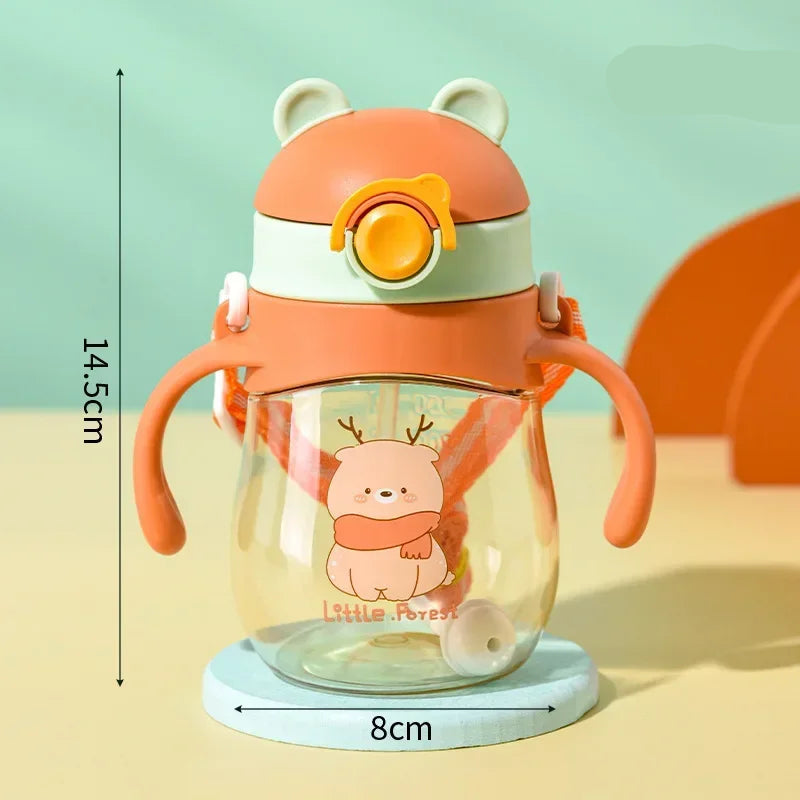
Baby bottle alternatives that reduce spills and support early sipping See it in action
Why Parents Are Exploring Baby Bottle Alternatives
Traditional bottles work well at first, but many parents notice challenges around six months. Babies begin sitting up, grabbing cups, and wanting independence. Leaks, nipple confusion, and prolonged bottle use can make this stage frustrating.
Baby bottle alternatives aim to bridge the gap by offering controlled flow, easier grip, and spill resistance. These features help babies learn new skills while giving parents peace of mind.
Common Types of Baby Bottle Alternatives
Infant Feeding Cup
An infant feeding cup introduces open or semi-open sipping. It supports oral development but may require supervision, especially early on.
Spill Proof Bottle
Spill proof bottles use valves or seals to reduce mess. They’re popular for travel and daycare where tipping is common.
Straw-Based Cups
Straw cups encourage tongue and lip movement. Many parents prefer them as a stepping stone toward open cups.
Side-by-Side Comparison of Popular Options
| Option | Spill Control | Ease for Baby | Best Age |
|---|---|---|---|
| Infant Feeding Cup | Low | Moderate | 6+ months |
| Spill Proof Bottle | High | Easy | 6–12 months |
| Gravity Straw Cup | Very High | Very Easy | 6+ months |
Why Gravity Straw Cups Stand Out
Baby bottle alternatives like gravity straw cups reduce leaking bottle messes by allowing liquid to flow only when sucked. This design supports independent sipping while keeping surfaces dry.
Parents often find these among the best cups for 6 month olds because babies don’t need to tilt the cup, reducing frustration and spills.
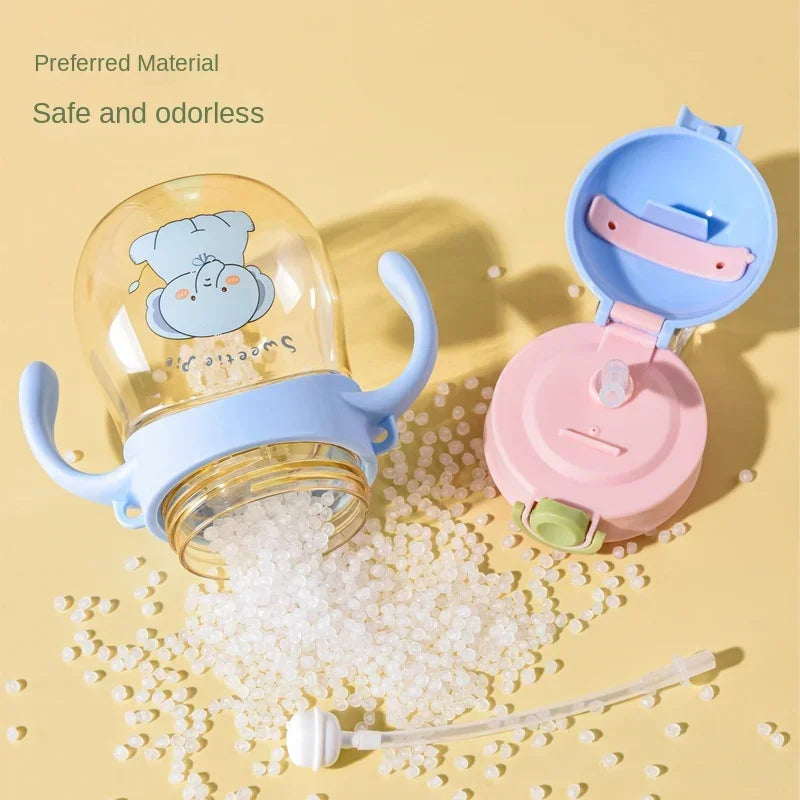
Spill proof straw cups that support independent drinking See it in action
How to Choose the Right Baby Bottle Alternative
- Look for spill resistance to reduce daily cleanup.
- Choose soft, safe materials suitable for teething.
- Consider handle design for small hands.
- Match flow rate to your baby’s age and ability.
Exploring options within Feeding & Nursing can help parents compare styles designed for similar stages.
What Real Parents Notice After Switching
Many parents report fewer outfit changes, calmer mealtimes, and babies who feel proud holding their own cups. One common theme is confidence—babies adapt quickly when spills are minimized.
Products paired with items from Baby Care Essentials often create smoother routines at home and on the go.
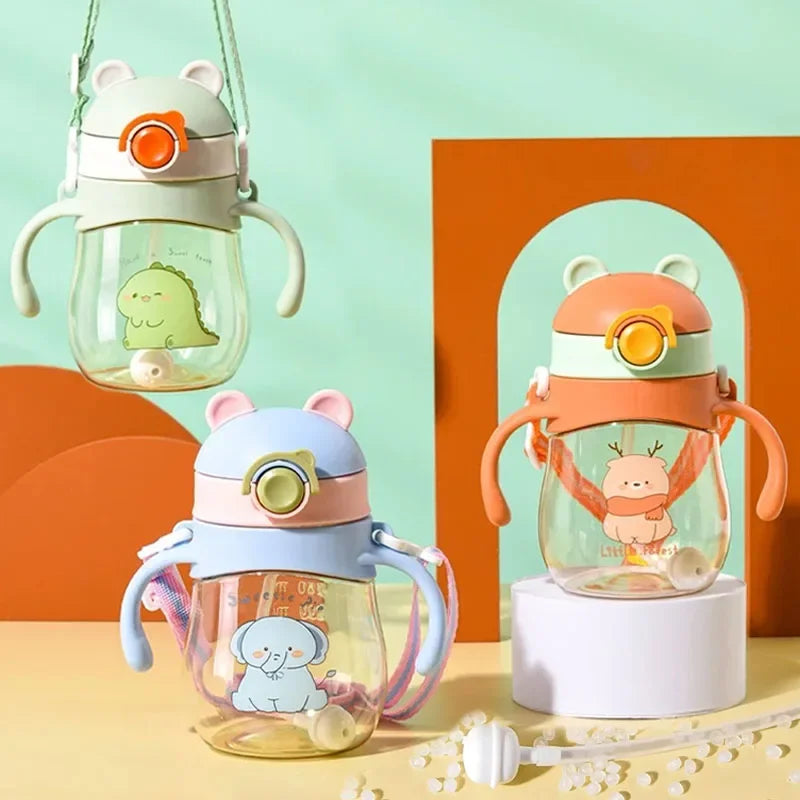
Toddler drinking cups designed for comfort and control See it in action
Quick FAQs
Are baby bottle alternatives safe for six-month-olds?
Yes, many baby bottle alternatives are designed specifically for this stage, using gentle flow and safe materials suitable for developing mouths.
Do spill proof straw cups really prevent leaks?
High-quality spill proof straw cups significantly reduce leaks by using sealed valves that release liquid only when sucked.
Can these cups replace bottles completely?
For many families, baby bottle alternatives gradually replace bottles, helping babies transition comfortably toward open cups.
Related Guide: Best Toddler Drinking Cup Compared for Mess-Free Sipping
UPGRADE PLAN { "outline": [ { "action": "MODIFY", "h2": "Music Activities for Preschoolers: Why They Matter and How to Use This Guide", "h3": [], "focus": [ "Define preschool music activities", "Who the guide is for", "Developmental benefits overview", "How to navigate activities" ], "keywords": [ "music activities for preschoolers", "music activities for preschool", "preschool music activities" ] }, { "action": "ADD", "h2": "Quick Activity Finder", "h3": [], "focus": [ "Age ranges", "Group size", "Prep time", "Learning goals", "Indoor vs outdoor" ], "keywords": [ "preschool music activity ideas", "music ideas for preschoolers" ] }, { "action": "MODIFY", "h2": "Music Activities by Learning Goal", "h3": [ "Music and Movement Activities for Preschoolers", "Rhythm and Beat Activities", "Listening and Sound Discrimination Games", "Singing and Language Development Activities", "Music Games for Preschoolers", "Instrument and Fine Motor Activities" ], "focus": [ "Step-by-step instructions", "Materials needed", "Skills developed", "Difficulty level", "Classroom and home adaptations" ], "keywords": [ "music and movement activities for preschoolers", "music games for preschoolers", "music exercises for preschoolers", "musical activities for preschoolers", "preschool music games" ] }, { "action": "ADD", "h2": "Toddler Music Activities vs Preschool Activities", "h3": [], "focus": [ "Developmental differences", "Simpler activity ideas", "Transition tips", "Safety considerations" ], "keywords": [ "toddler music activities" ] }, { "action": "MODIFY", "h2": "Quick No-Prep Music Activities", "h3": [], "focus": [ "Circle time", "Transitions", "Waiting games", "Rainy day ideas" ], "keywords": [ "preschool music activity ideas", "music ideas for preschoolers" ] }, { "action": "MODIFY", "h2": "Indoor, Outdoor, and Low-Noise Music Activities", "h3": [], "focus": [ "Quiet classroom ideas", "Outdoor movement", "Limited-space adaptations", "Weather alternatives" ], "keywords": [ "music activities for preschool", "music and movement activities for preschoolers" ] }, { "action": "ADD", "h2": "Teaching Tips for Successful Preschool Music Sessions", "h3": [], "focus": [ "Managing attention spans", "Inclusive adaptations", "Mixed-age groups", "Behavior and engagement" ], "keywords": [ "preschool music activities" ] }, { "action": "MODIFY", "h2": "Why Music Supports Preschool Development", "h3": [], "focus": [ "Cognitive skills", "Language development", "Social-emotional learning", "Gross and fine motor development", "Evidence-based benefits" ], "keywords": [ "music activities for preschoolers" ] }, { "action": "MODIFY", "h2": "Free Printable Music Activity Cards", "h3": [], "focus": [ "Printable uses", "Organization tips", "Extension ideas", "Related resources" ], "keywords": [ "preschool music activity ideas" ] }, { "action": "ADD", "h2": "Conclusion", "h3": [], "focus": [ "Choosing activities", "Mixing learning goals", "Consistency", "Encouraging creativity" ], "keywords": [ "music activities for preschoolers" ] } ], "internal_links": [ "Sensory activities for preschoolers", "Fine motor activities for preschoolers", "Gross motor activities for kids", "Circle time activities", "Preschool movement games", "Alphabet activities for preschoolers", "Outdoor activities for preschoolers", "Preschool crafts", "Toddler learning activities", "Preschool lesson plans" ], "faq": [ "What are the best music activities for preschoolers?", "How long should a preschool music activity last?", "What music and movement activities work for small classrooms?", "Can music activities be adapted for toddlers?", "Do preschool music games help language development?", "What instruments are safe for preschoolers?", "How can I keep preschoolers engaged during music time?", "What are good no-prep music activities for preschool?" ], "trim": [ "How to Use This List (Filters & Tags Explained)", "Teacher Tips: Adapting Activities for Any Group Size (merge into Teaching Tips)", "Low-Noise Music Activities for Indoor Classrooms (expand into Indoor, Outdoor, and Low-Noise Music Activities)", "What Are Music Activities for Preschool? (Quick Overview) (merge into introduction)" ] } RULES - Apply every instruction in the Upgrade Plan. - Keep all existing affiliate links unchanged. - Keep all existing internal links unchanged. - Keep all existing image URLs unchanged. - Preserve sections such as Related Articles, Related Posts and Recommended Reading. - Avoid duplicate headings. - Insert new sections only where specified. - Improve clarity, topical coverage, EEAT and readability. - Expand weak sections only when required. - Use natural keyword placement. - Keep semantic HTML clean. YEAR UPDATE If visible article text contains "2005", replace it with "2026". Do not modify years inside: - URLs - href attributes - image filenames OUTPUT REQUIREMENTS Return ONLY the final upgraded HTML article. The output must be valid HTML and ready to publish. Do NOT return: - Markdown - Explanations - Notes - Code fences - JSON - XML Return the HTML beginning with the first HTML element and ending with the last HTML element.





