

Active Play System Features That Turn Screens Into Movement
Does an active play system really get kids moving instead of staring at screens?
An active play system transforms screen-based entertainment into physical movement by combining motion-responsive games with active play toys. Using real-time feedback and interactive challenges, an active play system encourages jumping, throwing, balancing, and coordination, helping children stay active indoors while improving focus, energy levels, and daily physical activity.
Active Play System Features That Turn Screens Into Movement
⏱ 9 min read
An active play system can flip passive screen time into full-body movement without kids even realizing they’re exercising. By blending interactive tech with active play toys, it creates real-world motion through games that feel irresistible. Think active play examples that boost coordination, focus, and energy, all while reducing sedentary habits. Designed like smart active play equipment children naturally gravitate toward, these systems turn living rooms into movement zones. But which features actually make kids get up and move?
Modern parents face a familiar frustration: kids love screens, but bodies need movement. You want learning, fun, and physical growth without constant battles over limits. What if the screen itself became the reason kids jump, run, and play?
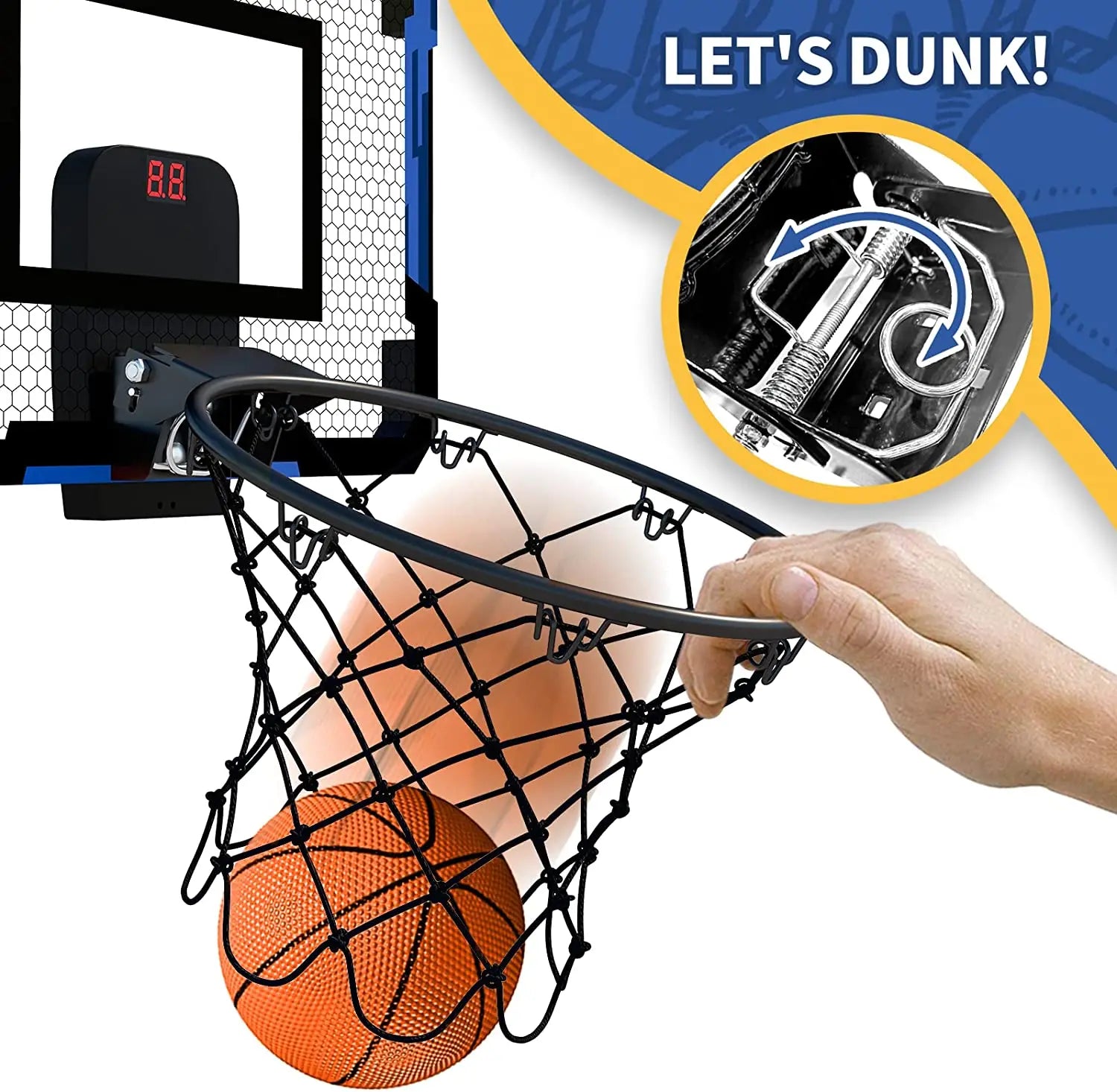
Active play system with active play toys that spark movement indoors — 💡 See it in action
Which indoor play option actually keeps kids moving after the first five minutes? Keep reading to see how the right features change behavior, not just attention.
What Is an Active Play System and Why Does It Matter?
An active play system is an interactive setup that turns digital games into physical challenges using active play toys and responsive sensors. Instead of tapping or swiping, children jump, throw, balance, and move their bodies to control the experience, making movement the main way to play.
Unlike passive entertainment, this approach supports physical development while keeping the excitement kids expect. Many families pair these systems with items from Baby Growth & Learning collections to support whole-child development at home.
Why Traditional Screen Time Fails Active Kids
Screens aren’t the enemy, but passive use creates patterns that are hard to break. Sitting still for long periods affects posture, energy levels, and mood. Parents often notice restlessness, trouble focusing, or bedtime resistance after long inactive sessions.
- Minimal large-muscle engagement
- Short attention spans without physical input
- Overstimulation without energy release
- Limited real-world coordination practice
An active play system solves this by making movement the only way forward. The game doesn’t work unless the body does.
Features That Make Kids Move Instinctively
An active play system succeeds because of specific design choices that naturally trigger motion. These features outperform basic active play equipment children may quickly outgrow.
Motion-Responsive Challenges
Games respond instantly to jumps, throws, or steps. This real-time feedback keeps kids engaged and encourages repeat movement. Children learn cause and effect through their own bodies.
Progressive Difficulty That Grows with Your Child
Levels adapt as skills improve. Younger kids build confidence, while older children stay challenged. This prevents boredom and extends long-term use.
Multi-Skill Physical Engagement
- Gross motor coordination
- Hand-eye accuracy
- Balance and spatial awareness
- Reaction speed and focus
Pairing systems with simple tools like a kids basketball hoop adds variety and reinforces throwing and aiming skills.
The Technology That Makes Active Play Feel Like a Game
Behind the fun is smart design that blends digital feedback with physical action. An active play system uses sensors, visual cues, and audio prompts to guide movement without instructions feeling forced.
Parents often appreciate how this complements products found in Mobility & Training collections, creating a balanced indoor activity setup.
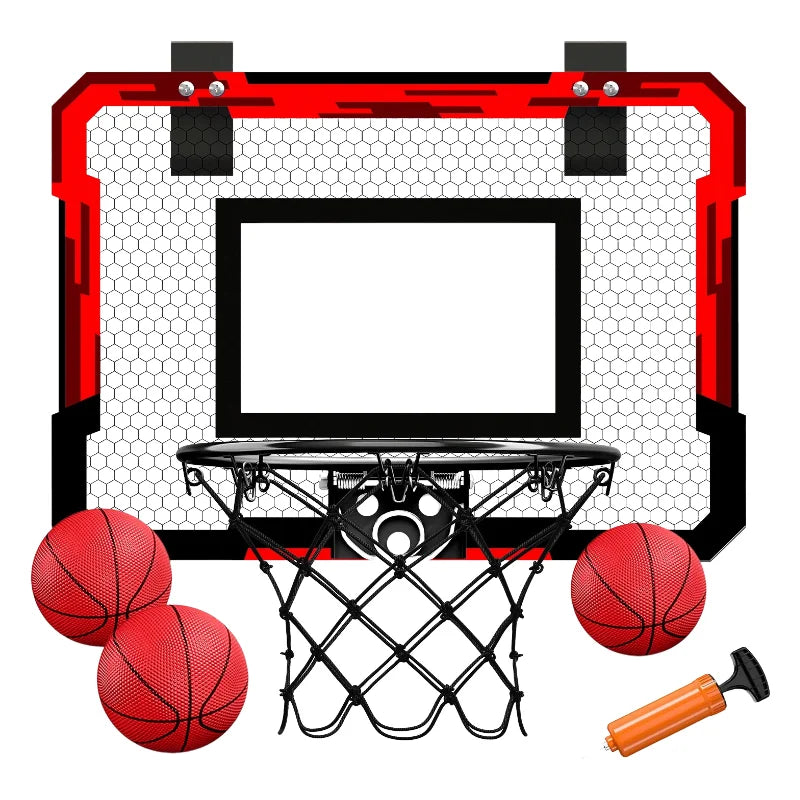
Active play examples that turn living rooms into movement zones — 💡 See it in action
Active Play Examples Kids Actually Stick With
Parents report higher engagement when play feels spontaneous, not instructional. These active play examples show how movement becomes part of daily routines.
- Jump-to-score challenges before homework
- Target tossing games during indoor breaks
- Balance-based races on rainy days
- Family movement competitions on weekends
Many families rotate toys from Sensory Toys alongside an active play system to keep experiences fresh.
How an Active Play System Compares to Other Indoor Options
| Option | Movement Level | Engagement Duration |
|---|---|---|
| Passive video games | Low | Short |
| Basic active play toys | Medium | Medium |
| Active play system | High | Long-term |
This explains why comparison shoppers often see better results when movement is built into the core experience.
Designed for Safety, Confidence, and Indoor Use
Safety matters when kids move indoors. A quality active play system uses soft-touch materials, stable bases, and age-appropriate challenges. Parents often combine setups with items from Health & Safety collections for added peace of mind.
Who Benefits Most from an Active Play System?
- Kids with high energy and limited outdoor time
- Families in apartments or small homes
- Children needing coordination or focus practice
- Parents seeking structured indoor activity
Adding a familiar item like a kids basketball hoop helps children transition smoothly into more active routines.
How to Choose the Right Active Play Setup
Look for systems that balance challenge, safety, and adaptability. Consider room size, age range, and how easily the system fits daily schedules. Many parents explore complementary tools from Smart Baby Gadgets to enhance interactive play.
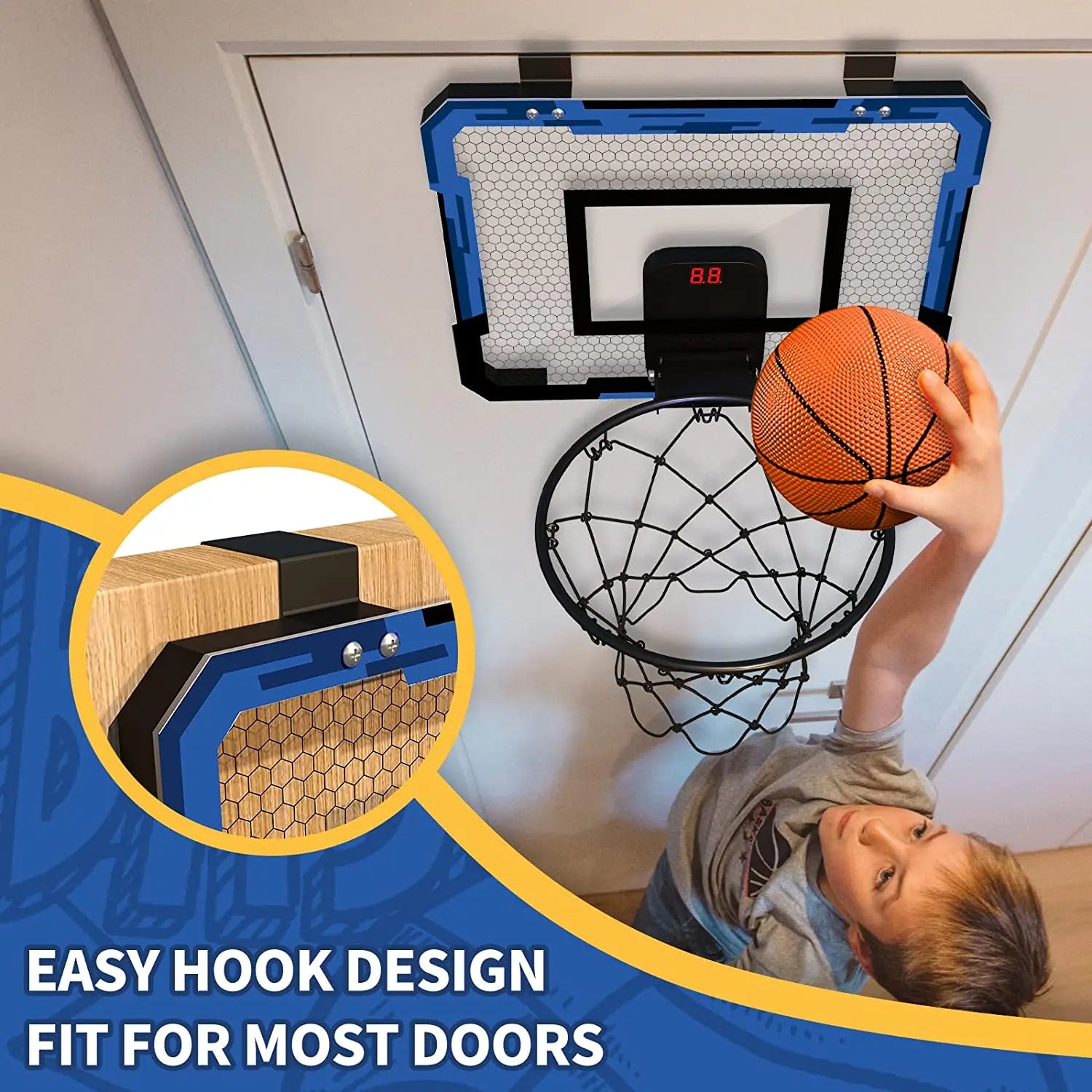
Active play equipment children love for daily movement — 💡 See it in action
Mini FAQ
Is an active play system suitable for small spaces?
Yes. Most systems are designed for compact indoor areas and use vertical or spot-based movement rather than wide running space.
Can younger children use an active play system safely?
Many systems include adjustable difficulty and soft components, making them appropriate for a wide age range when supervised.
How does it support daily physical activity?
By making movement the main way to play, an active play system encourages frequent short bursts of activity that add up throughout the day.





