

Adjustable Baby Carrier Waist Belt: How Tight Is Right?
How tight should an adjustable baby carrier waist belt be?
The adjustable baby carrier waist belt should fit snugly around your natural waist without digging in or restricting breathing. When properly tightened, it supports even weight distribution, maintains a healthy sitting posture for your baby, and follows safe babywearing guidelines to reduce strain on your back and hips.
Adjustable Baby Carrier Waist Belt: How Tight Is Right?
⏱ 7 min read
If you’ve ever finished babywearing with a sore back, slipping carrier, or a fussy baby, the waist belt is often the silent culprit. Getting the adjustable baby carrier waist belt “just right” isn’t guesswork—it’s a skill that transforms daily carrying into something secure, comfortable, and confidence-boosting for both you and your baby.
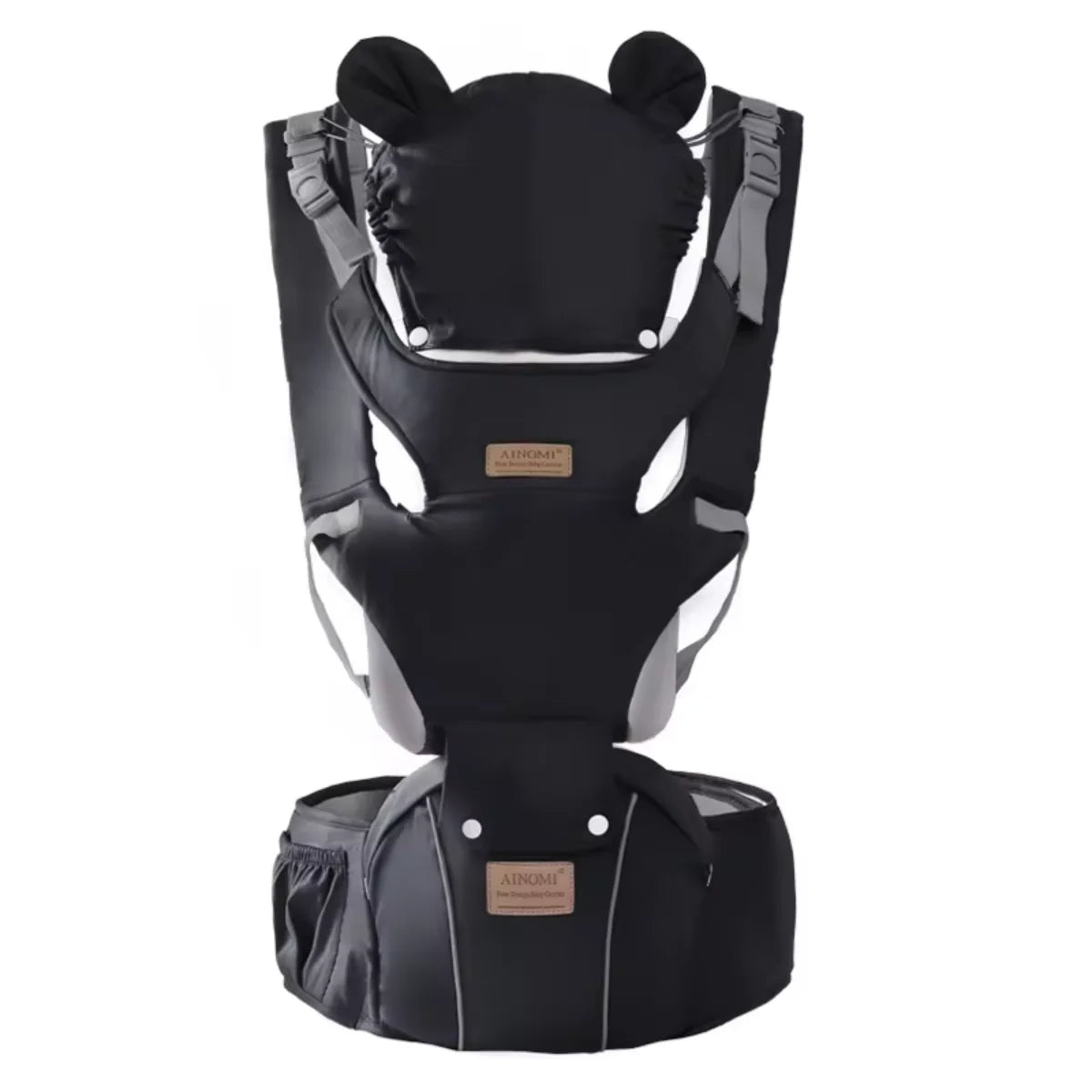
Adjustable baby carrier waist belt for even weight distribution and daily comfort 💡 See it in action
Why the Waist Belt Matters More Than You Think
The waist belt isn’t just a strap—it’s the foundation of safe babywearing. A properly adjusted belt anchors the carrier to your body, allowing even weight distribution across your hips instead of pulling on your shoulders or lower back.
- Reduces pressure on the spine during long carries
- Prevents the carrier from sagging or bouncing
- Supports a healthy sitting posture for your baby
- Improves balance while walking or standing
Parents browsing Baby Care Essentials often focus on fabric or padding, but fit always comes first.
How Tight Is Right for an Adjustable Baby Carrier Waist Belt?
The adjustable baby carrier waist belt should feel firm and supportive, similar to a snug backpack hip belt. You should be able to slide two fingers underneath comfortably, but the belt shouldn’t slide down when you move.
Direct answer: An adjustable baby carrier waist belt is tight enough when it stays in place during movement, supports even weight distribution, and allows natural breathing. If it pinches, rides up, or loosens quickly, it needs readjustment.
Quick self-check
- No sharp pressure points
- No gaps between belt and waist
- Baby stays high and close to your body
- Your core feels supported, not strained
Step-by-Step: How to Fit Your Waist Belt Correctly
- Position it high: Place the belt around your natural waist, not your hips.
- Tighten before lifting baby: Adjust until snug, then secure all fasteners.
- Lift and settle baby: Baby should sit close enough to kiss.
- Re-check tension: Tighten slightly if the belt dips after movement.
This method follows safe babywearing guidelines recommended across Health & Safety resources.
Common Waist Belt Mistakes (and Easy Fixes)
| ❌ Mistake | ✅ Better Approach |
|---|---|
| Wearing the belt on hips | Position on natural waist for support |
| Over-tightening for “security” | Snug fit that allows breathing |
| Ignoring post-carry adjustments | Recheck fit after 5 minutes |
These small fixes dramatically improve comfort, especially for parents exploring Mom Essentials that support recovery and daily movement.
How Waist Belt Fit Affects Baby’s Sitting Posture
A correctly adjusted belt keeps baby’s knees slightly higher than their bottom, forming a natural “M” shape. This healthy sitting posture supports hip development and keeps your baby relaxed.
- Promotes ergonomic alignment
- Reduces pressure on baby’s spine
- Encourages calm, longer carries
- Supports natural growth milestones
Parents interested in physical development often pair babywearing with insights from Baby Growth & Learning.
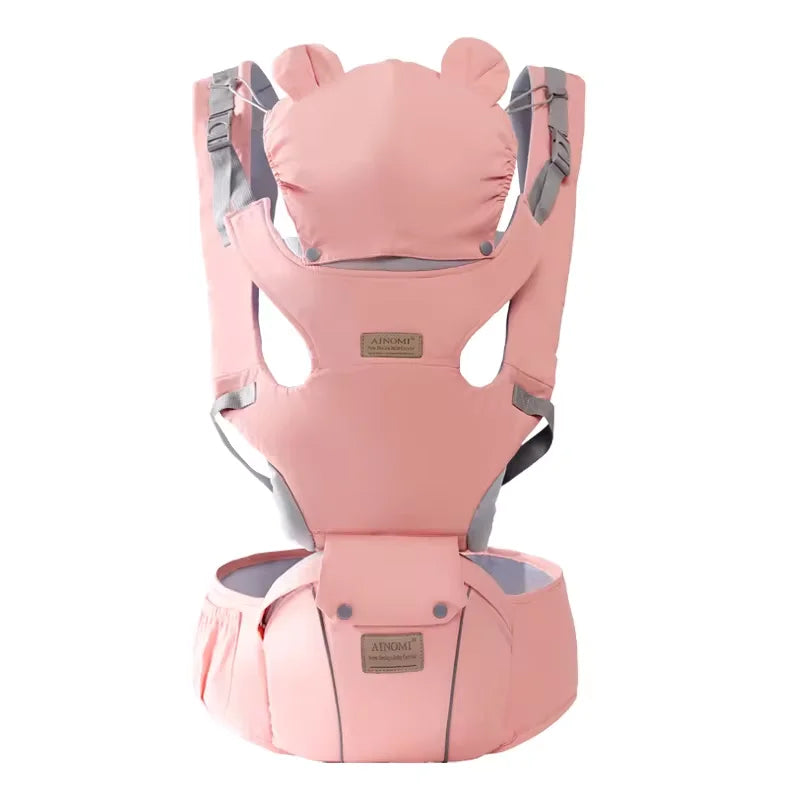
Adjustable baby carrier waist belt supporting healthy sitting posture 💡 See it in action
Wearing Comfort for 10 Minutes vs 2 Hours
Short trips can hide fit issues. During longer wears, an improperly adjusted waist belt causes creeping discomfort. Parents report:
- Less lower back fatigue with even weight distribution
- Improved posture while standing or walking
- Fewer shoulder adjustments mid-carry
- Happier babies who settle faster
This difference becomes obvious during errands, walks, or multitasking at home.
Who Benefits Most From an Adjustable Waist Belt?
An adjustable baby carrier waist belt is especially helpful for:
- Parents with different body shapes sharing one carrier
- Postpartum recovery needing core support
- Caregivers who wear baby for extended periods
- Growing babies needing ongoing fit changes
These needs align closely with comfort-focused finds in Sleep & Comfort collections.
A Smarter Waist Belt Solution for Real Life
The baby hip seat carrier offers an adjustable baby carrier waist belt designed for stability without stiffness. Its wide support panel helps distribute weight evenly, while easy adjustments make switching wearers simple.
Parents often note improved comfort within the first wear, especially during longer outings.
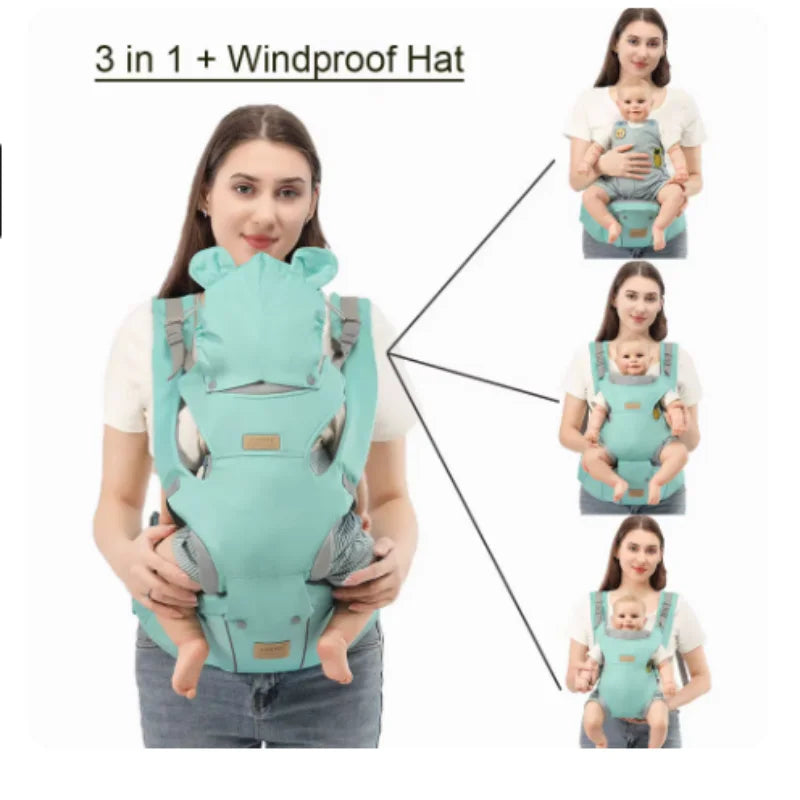
Adjustable baby carrier waist belt for safe babywearing guidelines 💡 See it in action
Quick FAQs Parents Ask
Can a waist belt be too tight?
Yes. Over-tightening restricts movement and breathing. Aim for snug support, not compression.
Should I readjust as my baby grows?
Absolutely. Growth changes weight distribution, so periodic adjustments maintain comfort and posture.
Is waist or hip placement better?
Waist placement offers better support and aligns with safe babywearing guidelines.
Related Guide: How to Carry Baby Comfortably Without Back Pain





