

Hip Seat Carrier Disadvantages: What to Know Before You Buy
Adjustable Baby Hip Seat Carrier Review (2026): Ergonomic Support, Pros, Cons & Comparisons
Caring for a baby or toddler often involves frequent lifting, carrying, and setting your child back down again. Those repetitive movements can place stress on the shoulders, arms, hips, and lower back, especially during errands, travel, or everyday routines. An adjustable baby hip seat carrier is designed to make these short carrying sessions more comfortable by transferring more of your child's weight to your hips instead of relying entirely on your arms.
However, no carrier is ideal for every family or every situation. While an ergonomic hip seat carrier offers practical advantages for quick ups and downs, it also has limitations related to hands-free support, carrying duration, fit, and baby age. This review explains how hip seat carriers work, where they perform well, and where another type of carrier may be a better choice.
What Is a Hip Seat Carrier and How Does It Work?
An adjustable baby hip seat carrier is a structured baby-carrying system that combines a wide supportive waistband with a firm, padded seat resting on the caregiver's hips. Instead of suspending the baby's entire weight from the shoulders, the seat provides a stable platform that allows the pelvis to bear a greater share of the load.
Many modern models combine the hip seat with adjustable shoulder straps and a supportive carrier panel, while others function primarily as a waist-mounted seat. Understanding this distinction is important because not every hip seat carrier provides the same level of support or hands-free convenience.
How the structured seat supports a baby's weight
The seat acts like a small platform beneath the baby's bottom, reducing the amount of lifting force required from the caregiver's arms. A wide waistband helps stabilize the load around the pelvis, which can feel more comfortable during frequent pick-ups and short carrying sessions.
Hip seat carrier versus a full soft-structured carrier
A hip seat carrier and a traditional soft-structured carrier are designed for different purposes. A soft-structured carrier typically secures the baby's torso against the caregiver for longer periods of hands-free carrying. A hip seat carrier prioritizes convenience for children who are frequently picked up and put down, although many models still require one hand to support the child depending on the design and the child's age.
Why design differences affect comfort, support, and limitations
Comfort depends on more than the presence of a hip seat. Waistband width, seat angle, adjustability, padding, and proper fit all influence how weight is distributed. Likewise, the child's age, weight, and developmental stage affect whether a particular design provides adequate support.
Core design components of hip seat carriers
- Wide waist belt designed to distribute weight across the hips and pelvis
- Rigid or semi-rigid hip seat platform for stable support
- Adjustable shoulder straps or carrier panel on compatible models
- Breathable, padded materials for everyday comfort
How adjustable systems improve usability across growth stages
Adjustable waistbands, shoulder straps, and seating positions help many carriers accommodate different caregivers while supporting children through multiple stages of growth. Parents should always follow the manufacturer's recommended age, weight, and positioning guidelines because suitability varies between products.

Ergonomic Baby Hip Seat Carrier Support: The Biomechanics Explained
The main ergonomic principle behind a hip seat carrier is weight redistribution. Rather than concentrating most of the child's weight on the caregiver's shoulders, the carrier shifts more of the load toward the pelvis through the waistband and seat platform.
This approach may improve comfort during short carrying sessions, but the amount of relief varies depending on proper adjustment, the caregiver's posture, the baby's weight, and how long the carrier is used continuously. An ergonomic design can reduce unnecessary strain for some users, but it does not guarantee complete relief from back, hip, or shoulder discomfort.
"Hip seat carriers reduce cumulative lumbar stress by shifting vertical load to the pelvis, which is biomechanically more efficient for short-duration toddler support tasks." — Pediatric Movement & Ergonomics Specialist
Lumbar support biomechanics and pressure redistribution
A properly fitted waistband helps stabilize the lower back while spreading force over a broader area of the hips instead of concentrating pressure on the upper body.
Weight distribution baby carrier principles
When correctly adjusted, the caregiver's hips, core, and lower body share more of the baby's weight. This can reduce the amount of lifting performed by the shoulders and arms during frequent pick-ups.
Impact on parent posture alignment and spinal load reduction
Maintaining an upright posture and keeping the baby close to the body generally promotes more balanced weight distribution. Poor positioning or an improperly fitted waistband can reduce these ergonomic benefits.
How carrying duration influences comfort
Hip seat carriers are generally intended for intermittent carrying rather than prolonged continuous use. As carrying time increases or the child becomes heavier, pressure on the hips and waist may also increase, making breaks and readjustments important for caregiver comfort.
Hip Seat Carrier vs Walking Harness vs Push Walker
Although these products are often compared, they are designed for different purposes and should not be viewed as direct replacements for one another. A hip seat carrier is intended for carrying and transporting a child during frequent pick-ups. A walking harness assists toddlers who are practicing assisted walking, while a push walker encourages independent cruising and balance development. Choosing the right option depends on your child's developmental stage and the activity you plan to do.
| Tool | Primary Purpose | Best For | Main Limitation |
| Hip Seat Carrier | Carrying and transport | Short outings, quick ups and downs, frequent lifting | Not intended for prolonged hands-free carrying |
| Walking Harness | Assisted walking practice | Toddlers learning to take supported steps | Does not replace a carrier for transporting a child |
| Push Walker | Independent mobility practice | Babies ready to cruise and walk on level indoor surfaces | Cannot be used to carry or support a child during transport |
A hip seat carrier for walking support can make it easier to move between locations while allowing a toddler to be picked up and set down frequently. A walking harness is better suited to supervised walking practice, while a push walker is designed for babies who are developmentally ready to practice balance independently. Many families use more than one of these products because each serves a different role.

Baby Hip Seat Carrier – 3-in-1 Ergonomic Support
Real Benefits of Adjustable Baby Hip Seat Carriers
The biggest advantage of an adjustable baby hip seat carrier is convenience during everyday routines that involve frequent lifting. Rather than eliminating effort altogether, a well-fitted ergonomic hip seat carrier can improve comfort for many caregivers by redistributing part of the child's weight and reducing the need to support that weight entirely with the arms.

Baby Carrier Waist Stool – Comfortable Hip Seat Carrier
More comfortable frequent lifting
Parents who regularly pick up and put down active babies or toddlers often find that a hip seat reduces the amount of arm strength needed for each lift. This can make routine activities such as shopping, waiting in lines, or short walks feel more manageable.
Better weight distribution for many caregivers
By directing more of the child's weight toward the hips, a supportive waistband may improve carrying comfort for some caregivers. The amount of benefit depends on correct adjustment, body type, baby weight, and carrying duration, so experiences vary.
Convenient for quick ups and downs
Unlike many full-body carriers, a hip seat allows children who frequently want to walk and then be carried again to move between those activities with minimal adjustment.
Comfortable seating position during short carrying sessions
A stable, padded seat gives toddlers a secure place to sit while being carried for brief periods, reducing the need for caregivers to continuously support the child's weight with their forearms.
Hip Seat Carrier Disadvantages at a Glance
Understanding the main hip seat carrier disadvantages helps set realistic expectations. Some limitations result from the design itself, while others are related to incorrect fit, unsuitable carrying duration, or using the carrier outside its recommended age and weight range.
- Less hands-free support than traditional carriers. Depending on the model, caregivers may still need one hand to stabilize the child.
- Uneven weight distribution can increase caregiver strain. A poorly adjusted waistband or prolonged use may create pressure on the hips or waist.
- Limited suitability for newborns. Some hip seat designs require babies to have sufficient head, neck, and trunk control or an additional carrier attachment.
- Bulk and stability limitations. Hip seat carriers are generally larger than soft wraps and may feel less secure during fast movement or activities requiring maximum stability.
These disadvantages do not necessarily mean a hip seat carrier is a poor choice. Instead, they highlight why selecting the appropriate carrier depends on your child's age, the length of time you expect to carry them, and the type of activity you have planned.
Does a mini washer portable really make small-load laundry easier?
Yes. A mini washer portable makes small-load laundry faster and more practical by using less water, less energy, and less space than a traditional washing machine. It is especially useful for apartments, dorm rooms, RVs, travel, and families who need frequent washing for baby clothes, delicate fabrics, underwear, or workout gear. The right portable mini washing machine can reduce unnecessary full-size laundry cycles while keeping everyday essentials clean and ready.
⏱ 8 min readMini Washer Portable Buying Guide: Top Picks for Efficient Laundry
Choosing the right mini washing machine can make everyday laundry easier when space, time, or access to a full-size washer is limited. Whether you are washing baby clothes between feeds, refreshing activewear after workouts, or managing laundry while traveling, a portable washing machine offers a convenient solution for small loads. This mini washing machine buying guide explains the key features, capacity options, and practical considerations to help you choose the best small portable washing machine for your lifestyle.
See portable mini washer options
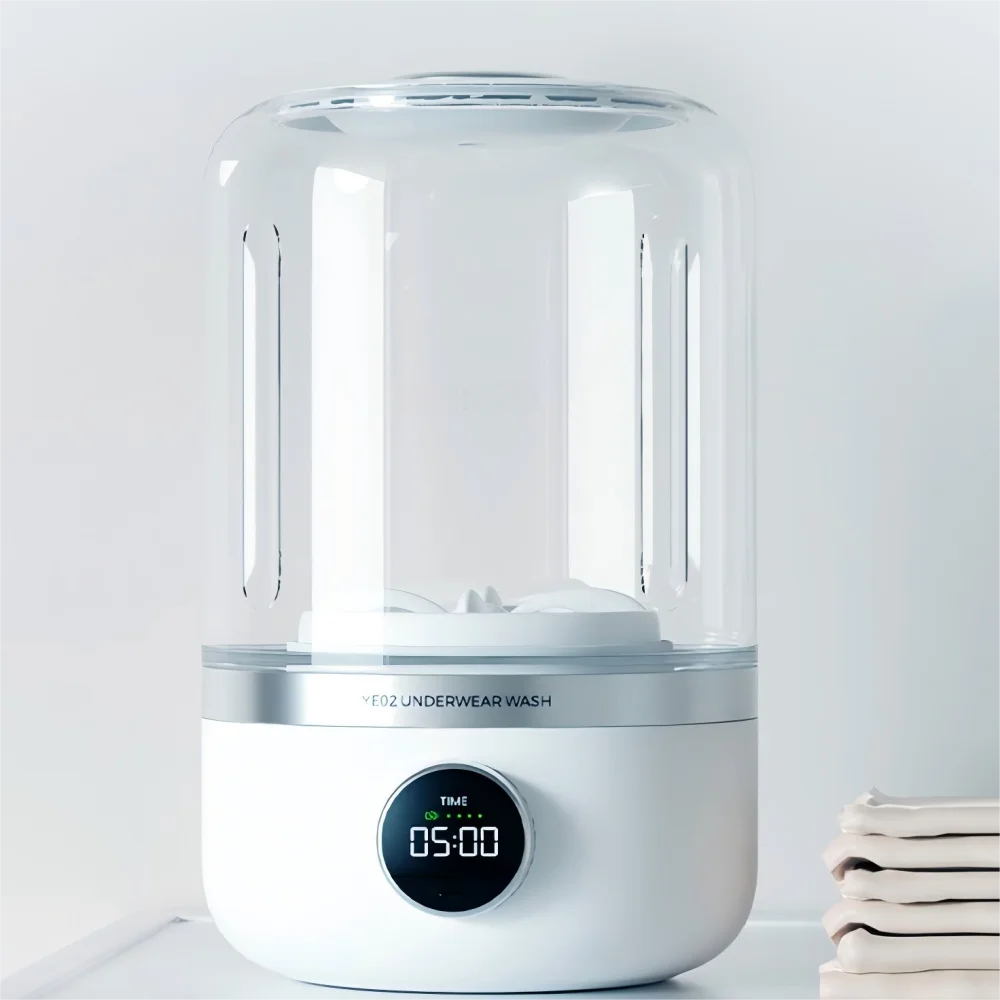
mini washer portable + small load laundry — See it in action.
Quick buyer summary: How to choose the right mini washing machine
A portable washing machine buying guide should start with one question: what type of laundry do you need to handle most often? The best mini washer depends on your available space, load size, cleaning expectations, and how frequently you need quick washes.
- Best for apartments and small homes: Choose an electric mini washer with a 3–5 lb capacity for regular clothing, baby items, and daily small loads.
- Best for dorm rooms and RVs: Look for compact, lightweight models with simple drainage and minimal setup requirements.
- Best for travel and camping: A manual portable clothes washer works well when electricity or plumbing is unavailable.
- Best for baby clothes and delicates: Prioritize gentle washing action, low vibration, and fabric-friendly cycles.
Capacity guide: Most mini washing machines handle approximately 2–7 lbs of laundry, making them ideal for small batches rather than full household loads. Budget-friendly manual models usually cost less, while electric and feature-rich models typically provide more convenience.
A mini washing machine is a smart choice if you frequently wash small amounts of laundry, live in a limited-space home, or want a dedicated washer for delicate items. However, it may not be the best replacement for a full-size washer if you regularly clean large towels, bedding, or family-sized loads.
Who should buy a mini washing machine?
A portable mini washing machine buying guide is most useful for people whose laundry needs do not match a traditional full-size washer. These compact appliances solve specific problems where convenience, portability, and efficiency matter most.
- Apartments and small homes: Mini washers fit into limited spaces and help avoid running large machines for only a few items.
- Dorm rooms: Students can handle underwear, shirts, towels, and personal laundry without depending entirely on shared laundry rooms.
- RVs and travel setups: Portable models provide laundry flexibility during road trips, camping, and extended stays.
- Baby clothes: Parents can quickly wash onesies, bibs, and small garments without waiting for a full laundry load.
- Delicate fabrics: Gentle washing options are useful for items that require more careful handling than standard cycles provide.
Before buying, consider your typical laundry habits. A mini washer is designed for convenience and frequent small loads—not replacing every function of a conventional washing machine.
Types of mini washing machines
The features of portable washing machines vary significantly depending on the design. Choosing the right type depends on whether you prioritize convenience, portability, cleaning power, or the ability to wash without traditional hookups. The main categories include manual, semi-automatic, fully automatic, and foldable ultrasonic models.
Manual portable clothes washer
A manual portable clothes washer uses hand-powered movement to agitate clothing and remove dirt without electricity. These models are popular for camping, RV trips, emergency laundry, and locations where access to power or plumbing is limited.
- How it works: Clothes are placed inside a small drum or container with water and detergent, then rotated or agitated manually.
- Best for: Travelers, campers, outdoor use, and occasional emergency laundry.
- Advantages: Lightweight, affordable, durable, and does not require electricity.
- Limitations: Requires physical effort and usually has smaller capacities than electric models.
- Typical price range: Budget-friendly compared with powered portable washers.
Semi-automatic portable washer
Semi-automatic portable washers combine a washing tub with a separate spin function or require manual movement between wash and drain steps. They offer more cleaning power than basic manual options while remaining compact and easy to store.
- How it works: The user adds water, selects a wash cycle, drains the water, and may transfer clothes for spinning.
- Best for: Apartments, dorm rooms, and households needing regular small-load laundry.
- Advantages: Better cleaning performance, faster cycles, and improved convenience.
- Limitations: Requires more setup and user involvement than fully automatic models.
- Typical price range: Mid-range option balancing cost and performance.
Fully automatic portable washer
A fully automatic portable washer provides the closest experience to a traditional washing machine while using a smaller footprint. These models typically handle washing, rinsing, and spinning with minimal user input.
- How it works: Add clothes, detergent, and water connections if required, then select a programmed cycle.
- Best for: Apartment residents and families who need frequent small-load washing.
- Advantages: Convenient operation, consistent cleaning, and less hands-on work.
- Limitations: Usually heavier, more expensive, and may require drainage access.
- Typical price range: Higher than manual and semi-automatic options due to additional features.
Foldable ultrasonic washer
Foldable ultrasonic washers use high-frequency vibrations to help loosen dirt from small garments and delicate fabrics. Their compact design makes them useful for travel and occasional washing needs.
- How it works: Ultrasonic vibrations create cleaning action in water while minimizing physical stress on fabrics.
- Best for: Baby clothes, underwear, silk, and other delicate items.
- Advantages: Extremely portable, low water usage, and gentle on fabrics.
- Limitations: Limited capacity and not designed for heavily soiled or large items.
- Typical price range: Often affordable due to their simple compact design.
What to compare before buying
A reliable portable washing machine buying guide should compare more than just size. Evaluate capacity, cleaning method, cycle speed, drainage requirements, noise level, portability, and long-term durability before choosing a model.
The most important factors include:
- Capacity: Match the drum size to your regular laundry volume instead of choosing only the smallest or cheapest option.
- Water and power requirements: Check whether the washer needs a faucet connection, electrical outlet, or manual operation.
- Spin performance: Stronger spin cycles remove more water and shorten drying time.
- Portability: Handles, lightweight construction, and compact storage features matter for travel or small homes.
- Fabric care options: Gentle cycles are important for baby clothing and delicate materials.
Comparison table: Which type is best?
| Type | Typical Capacity | Best for | Cleaning Performance | Portability | Main Advantages | Main Limitations |
|---|---|---|---|---|---|---|
| Manual portable clothes washer | 1–4 lbs | Camping, travel, emergency laundry | Basic cleaning for small items | Excellent | No electricity needed; durable; affordable | Requires manual effort and longer wash time |
| Semi-automatic portable washer | 3–7 lbs | Apartments, dorms, frequent small loads | Good everyday cleaning | Good | Balance of price, capacity, and convenience | May require manual draining or transferring |
| Fully automatic portable washer | 5–10 lbs | Small homes and regular laundry | Closest to full-size washer performance | Moderate | Hands-free operation and programmed cycles | Higher cost and larger footprint |
| Foldable ultrasonic washer | 0.5–2 lbs | Delicates and baby items | Gentle cleaning for light soil | Excellent | Compact design; low water use | Not suitable for large or heavily dirty loads |
What features should you look for?
Knowing what features should I look for in a portable washing machine helps prevent buying a model that does not match your laundry habits. The best mini washer should fit your space while providing enough cleaning power for your most common loads.
- Choose the right capacity: For newborn clothing and frequent small washes, a 3–5 lb model is often practical. Larger households may benefit from higher-capacity portable washers.
- Check drainage and hookup options: Some models connect to faucets, while others drain into sinks, buckets, or tubs. Confirm compatibility with your living space before purchase.
- Look for effective wash and spin performance: A stronger wash cycle improves cleaning, while a reliable spin cycle reduces drying time.
- Consider noise and vibration: Apartment users should look for stable designs, quiet motors, and vibration-reducing features.
- Prioritize portability: Lightweight construction, handles, collapsible parts, and compact storage make transportation easier.
- Review build quality and warranty: Durable materials and reliable customer support can improve long-term value.





