

Animal Themed Learning Toy for Kids Who Learn Best Through Play
Does an animal themed learning toy really help kids learn through play?
An animal themed learning toy supports learning by turning play into hands-on exploration. Through sorting, role play, and storytelling, children build early math, language, and problem-solving skills while staying focused and engaged. This playful approach encourages imagination, confidence, and screen-free learning that feels natural and fun.
Animal Themed Learning Toy for Kids Who Learn Best Through Play
Animal themed learning toy play brings curiosity to life by blending movement, stories, and discovery. For children who struggle to sit still or learn best by doing, animal-based play creates meaningful moments that build focus, language, and confidence—without pressure or screens.
⏱ 7 min read
Ever notice how your child remembers animal names, sounds, and stories faster than letters on a page? Many parents worry their child won’t “keep up” if they resist worksheets or structured lessons. What if learning could happen naturally—through play that feels exciting instead of forced?
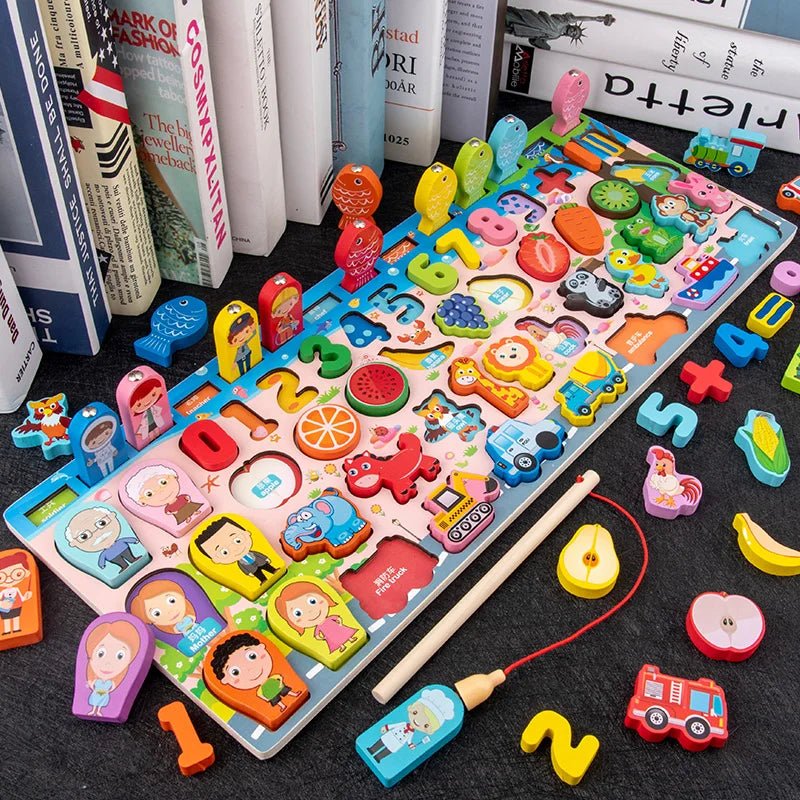
Animal themed learning toy sparks pretend play learning and hands on learning for preschoolers 💡 See it in action
Why Play-Based Learning Works So Well
Young children aren’t wired to learn by sitting still. Movement, imagination, and repetition help information stick. When kids act out animal stories or sort pieces by shape and color, their brains connect ideas faster and with less frustration.
- Encourages longer attention spans through engagement
- Supports emotional development through role play
- Builds early logic and sequencing skills
- Reduces learning resistance and meltdowns
That’s why many families explore options from Baby Growth & Learning to support learning that feels joyful instead of stressful.
What Is an Animal Themed Learning Toy?
An animal themed learning toy combines familiar animals with activities like counting, matching, and pretend scenarios. By using animals children already love, these toys create instant emotional connection while introducing early academic concepts.
Most designs focus on tactile pieces, natural materials, and open-ended play—allowing kids to learn at their own pace while inventing stories and challenges.
How an Animal Themed Learning Toy Supports Preschool Development
An animal themed learning toy helps preschoolers develop core skills through hands-on interaction. By blending pretend play with structured challenges, children practice counting, language, and problem solving in a way that feels exciting and achievable.
- Strengthens fine motor skills through grasping and placement
- Builds early math concepts like sorting and counting
- Encourages language growth through storytelling
- Boosts confidence with independent exploration
Many parents pair learning toys with sensory-rich options from Sensory Toys to support focus and calm during playtime.
Dramatic Play Pretend Play Ideas Using Animals
Children love pretending animals have jobs, families, and adventures. Dramatic play allows them to process emotions, practice communication, and experiment with problem solving.
- Create a mini animal town with roles like farmer or vet
- Act out animal journeys using blocks and household items
- Use animal figures to retell favorite stories
- Sort animals by habitat, size, or sound
These activities naturally support pretend play learning while keeping kids engaged longer than passive toys.
Hands On Learning for Preschoolers Who Need Movement
Hands on learning for preschoolers is essential for children who learn by touching, moving, and experimenting. Animal toys encourage active participation instead of passive observation.
- Let your child freely explore the toy first
- Introduce simple challenges like counting animals
- Encourage storytelling during play
- Gradually add problem-solving tasks
This approach reduces pressure and supports confidence-building, especially for kids who struggle with traditional learning methods.
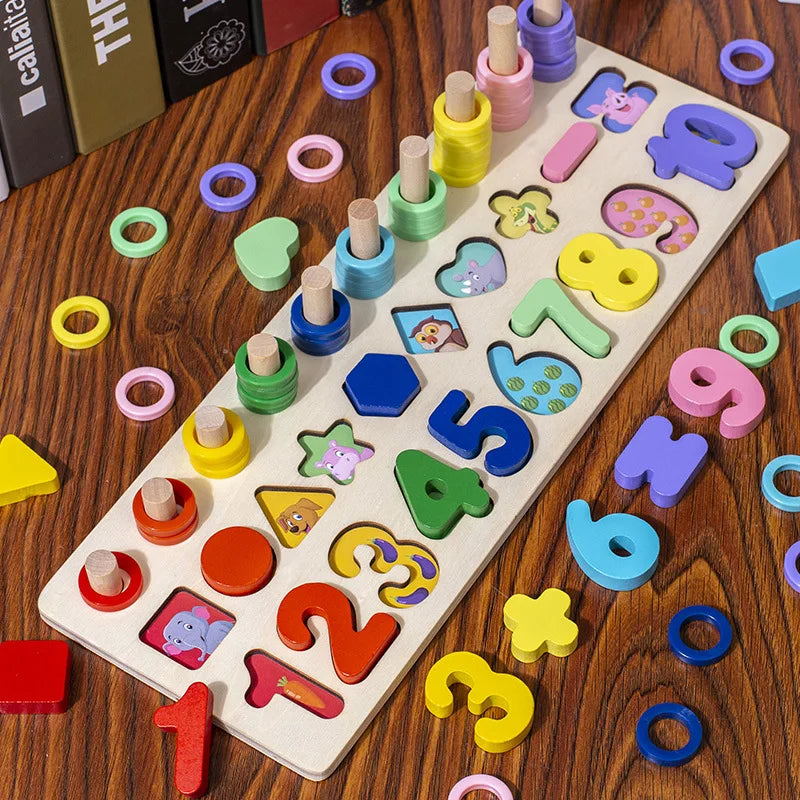
Hands on learning for preschoolers with animal themed learning toy 💡 See it in action
Why It Fits Perfectly into Z Preschool Activities
Z preschool activities focus on flexibility, creativity, and child-led learning. Animal themed toys align perfectly by allowing open-ended play that adapts to each child’s interests and pace.
Instead of rigid outcomes, children explore concepts organically—making learning feel personal and rewarding.
Many families integrate these toys alongside resources from Baby Growth & Learning Tips to support consistent routines at home.
How to Choose the Right Animal Learning Toy for Your Child
Not all learning toys are created equal. When choosing, consider your child’s personality and learning style.
- Look for durable, safe materials
- Choose open-ended designs over single-use toys
- Prioritize tactile and visual variety
- Ensure age-appropriate challenges
For families balancing multiple routines, pairing learning toys with calming options from Sleep & Comfort can support smoother transitions throughout the day.
What Real Parents Notice After Switching to Play-Based Learning
Parents often report noticeable changes within weeks:
- Children stay engaged longer during independent play
- Less resistance to learning-related activities
- Improved language and storytelling skills
- More confidence trying new challenges
One parent shared, “My son finally enjoys learning. He asks to play every day—and I can see him counting and sorting without realizing it.”
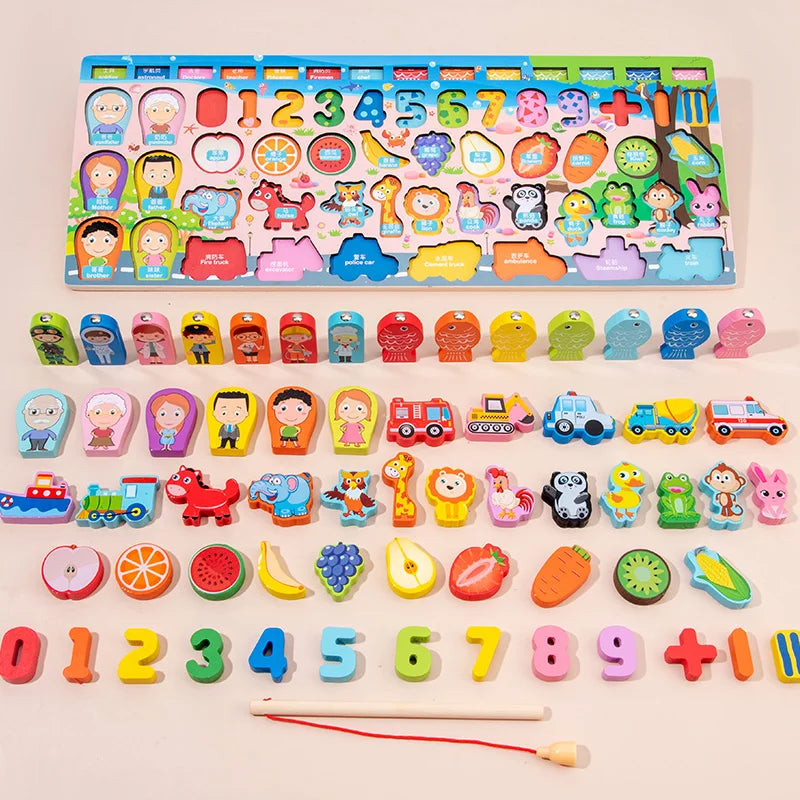
Pretend play learning made joyful with an animal themed learning toy 💡 See it in action
Mini FAQ
What age is an animal themed learning toy best for?
Most designs work well for ages 2–5, adapting to different skill levels as children grow.
Can this replace traditional learning tools?
It complements them by building foundational skills through play, making later learning easier.
Is pretend play really educational?
Yes. Pretend play supports language, emotional development, and early problem-solving skills.
Related Guide: Child Safe Wooden Toys for Different Preschool Learning Needs





