

Kids Orthotic Arch Support Insoles Reviews: Which Fit Best?
Do arch support insoles for kids really help growing feet?
Arch support insoles for kids can help improve foot alignment, reduce daily foot fatigue, and support natural walking patterns during growth. When children experience flat feet, mild overpronation, or foot discomfort during daily activities, flexible orthotic insoles may improve comfort and stability. They should support natural movement rather than force rigid correction, and persistent pain should always be evaluated by a healthcare professional.
Arch Support Insoles for Kids: Reviews Side by Side
Choosing the right arch support insoles for kids can feel overwhelming if your child complains of sore feet, tires quickly during play, or wears shoes unevenly. With dozens of youth arch support insoles promising better comfort, stability, and cushioning, understanding which designs genuinely support growing feet is far more important than choosing the firmest insert available.
⏱ 8 min read
This guide compares common types of children's arch support insoles, explains when they may be beneficial, and outlines the features that matter most for comfort, fit, breathability, and everyday wear. Whether you're shopping for school shoes, sports sneakers, or everyday walking, you'll find practical guidance to help narrow your options.
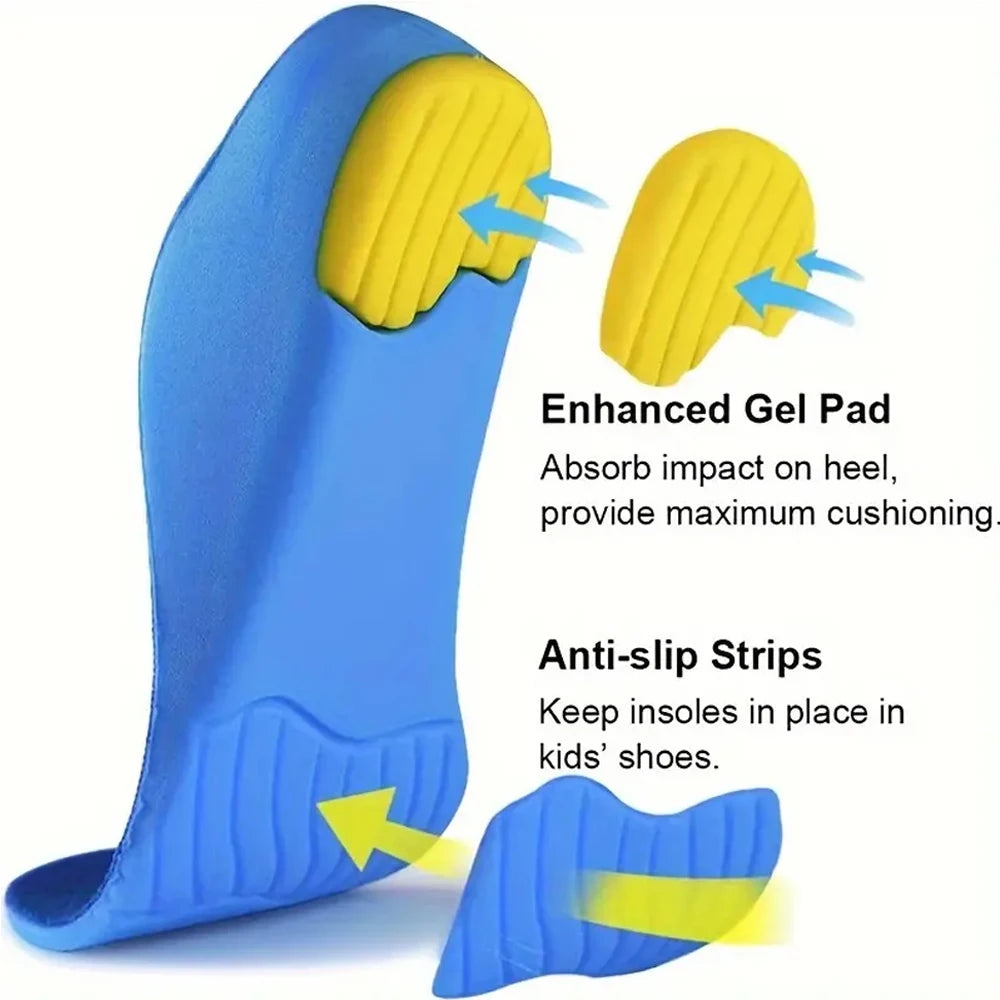
Youth arch support insoles designed for daily comfort and stability. See them in action.
Kids Orthotic Arch Support Insoles Reviews: Top Picks Compared
Reviews of kids arch support insoles consistently show that the best-performing models balance flexibility, cushioning, and moderate arch support. Unlike rigid medical orthotics, everyday children's insoles are designed to improve comfort without restricting natural foot development.
When comparing kids orthotic arch support insoles reviews, consider these evaluation criteria:
- Comfort during all-day school wear
- Support for active walking, running, and playground activities
- Breathability and moisture management
- Trim-to-fit flexibility for multiple shoe styles
- Durability through months of regular use
Children with mild flat feet, overpronation, or recurring foot fatigue often benefit most from flexible support rather than maximum rigidity.
Do Kids Arch Support Insoles Really Help Growing Feet?
How children's arches develop by age
Many young children naturally appear flat-footed because the arch develops gradually throughout childhood. Flexible flat feet are common in toddlers and often improve as muscles, ligaments, and coordination mature.
When orthotics are recommended by experts
Healthcare professionals may recommend orthotic insoles for children who experience recurring pain, excessive fatigue, overpronation, or difficulty participating in normal activities. Insoles are generally intended to improve comfort and function rather than permanently change foot structure.
Flat feet vs normal development
Not every child with low arches requires treatment. If your child walks comfortably without pain and remains active, observation alone may be appropriate. Persistent discomfort, uneven shoe wear, or frequent tripping deserve further evaluation.
Risks of incorrect support level
Support that is too rigid may feel uncomfortable and discourage regular wear, while insoles with little structure may provide minimal benefit. The best arch support for kids typically offers gentle contouring, responsive cushioning, and flexibility that moves naturally with the foot.
Best Arch Support Insoles for Kids by Use Case
Best for flat feet and overpronation
Children showing mild inward ankle rolling often benefit from orthotic insoles for kids with supportive arches, structured heel cups, and balanced cushioning that promotes more stable foot positioning.
Best for sports and active kids
For running, playground activities, and youth sports, choose lightweight children's arch support inserts with excellent shock distribution, breathable top layers, and durable cushioning.
Best for everyday school shoes
Low-profile youth arch support insoles fit easily into school shoes without making footwear feel tight. Trim-to-fit designs also simplify sizing across multiple pairs of shoes.
Best for sensory comfort and soft support
Some children prefer softer cushioning with mild arch guidance rather than firm corrective support. These designs prioritize comfort while still providing improved pressure distribution during daily wear.
Kids Orthotic Insoles Comparison Table
| Feature | Basic Foam Insoles | Flexible Kids Orthotic Insoles | Rigid Medical Orthotics |
|---|---|---|---|
| Arch Height | Minimal | Moderate | High |
| Support Level | Light | Balanced | Maximum |
| Material & Breathability | Basic foam | Breathable multilayer materials | Dense composite materials |
| Shoe Compatibility | Good | Excellent, trim-to-fit | Limited |
| Durability | Moderate | High | Very High |
| Replacement Cycle | 3–6 months | 6–12 months* | As recommended by provider |
| Best For | Extra cushioning | Daily support for growing feet | Specific medical conditions |
*Replacement depends on growth rate, activity level, and visible wear.
What to Look for in Arch Support Insoles for Kids
Correct arch height selection
Choose an arch height that matches your child's natural foot shape instead of selecting the highest support available.
Cushioning vs firm support
Soft cushioning improves comfort, while firmer materials provide more stability. Most children benefit from a balanced combination rather than either extreme.
Fit inside different shoe types
Kids shoe insoles for support should fit sneakers, school shoes, and casual footwear without crowding the toes or lifting the heel excessively.
Breathability and moisture control
Look for breathable insoles with moisture-wicking fabric and ventilation channels that keep feet cooler throughout busy school days and sports activities.
- Flexible arch contour
- Lightweight construction
- Trim-to-fit sizing
- Breathable materials
- Durable heel cushioning
- Secure fit inside multiple shoe styles
Explore supportive wellness solutions in Health & Safety .
Browse our collection of Body Care & Health Devices .
How to Size and Fit Kids Orthotic Insoles Correctly
Trim-to-fit instructions step by step
- Remove the original shoe insole.
- Place it on top of the new insole.
- Trim gradually along the outline.
- Insert and test the fit before additional trimming.
How to test proper arch alignment
Your child should stand comfortably without pressure points. Walking should feel natural without slipping or heel lifting.
Signs the insole is too big or small
- Toe crowding
- Heel movement inside the shoe
- Wrinkling after insertion
- Complaints of pressure beneath the arch
Switching between different shoes
If your child regularly wears different shoe styles, consider purchasing multiple pairs or selecting trim-to-fit insoles that can be transferred easily.
Why Breathable Insoles Matter for Active Kids
Moisture control and odor prevention
Children often spend long hours in closed shoes. Breathable insoles help reduce moisture buildup, which can improve comfort and minimize unpleasant odors.
Best materials for airflow
Mesh fabrics, perforated foam, and moisture-wicking textile layers improve ventilation while maintaining comfortable cushioning.
Impact on long wear comfort
Better airflow keeps feet cooler during sports, playground activities, and full school days, helping many children stay comfortable for longer periods.

Breathable insoles that help keep growing feet cooler throughout active days.
When Should You See a Podiatrist?
Persistent pain or limping
If your child regularly complains of foot pain, avoids activity, or develops a limp, professional evaluation is recommended.
Severe flat feet or uneven wear
Excessive shoe wear on one side, significant ankle rolling, or worsening balance issues may indicate a need for specialist assessment.
When OTC insoles are not enough
Store-bought arch support insoles can improve comfort for many children, but they cannot address every structural foot condition.
Custom orthotics vs store-bought
Custom orthotics are typically reserved for children with specific medical diagnoses, while over-the-counter orthotic insoles often provide sufficient support for mild everyday concerns.
What Parents Are Saying About Kids Arch Support Insoles
Common benefits reported
- Less foot fatigue after school
- Improved comfort during sports
- Reduced complaints of sore heels
- More confident walking and running
Frequent complaints and issues
Parents occasionally mention sizing challenges or shoes feeling tighter after adding insoles. Choosing the correct thickness helps prevent these issues.
Durability feedback
Quality children's insoles generally last several months under regular use, although active children may need replacement sooner due to growth and heavy activity.
Fit and sizing experiences
Trim-to-fit designs tend to receive the highest satisfaction because they adapt more easily to different shoe brands.
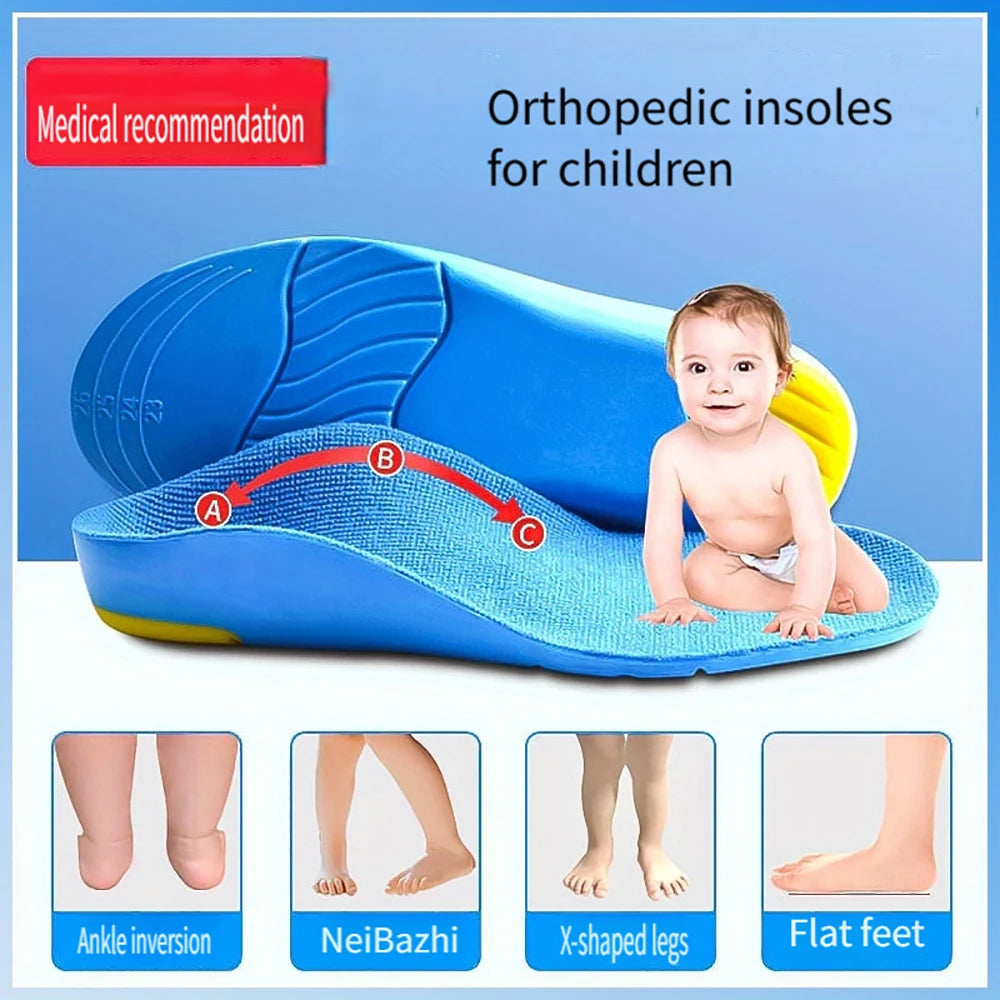
Supportive cushioning designed to improve everyday comfort for growing feet.
View the full details of these insoles here .
Quick FAQ About Kids Orthotic Insoles
At what age can kids use arch support insoles?
Many children can begin using flexible arch support insoles after developing a confident walking pattern, typically around age three, provided the product is designed specifically for growing feet.
Can kids wear arch support insoles every day?
Yes. Properly fitted youth arch support insoles intended for daily use can usually be worn in school shoes, sneakers, and casual footwear throughout the day.
How long should kids wear orthotic insoles?
Children may continue wearing supportive insoles as long as they remain comfortable, fit correctly, and continue meeting their needs. Regularly reassess fit during growth spurts.
When should insoles be replaced?
Replace insoles when they become compressed, lose support, no longer fit because of foot growth, or show significant wear. Many active children require replacement every six to twelve months.
Do kids orthotic arch support insoles really work for flat feet?
For children experiencing discomfort from flexible flat feet or mild overpronation, supportive insoles may improve comfort and walking mechanics. They are not intended to replace medical treatment when significant symptoms are present.
How do I choose the best arch support for my child?
Focus on proper sizing, moderate arch support, breathable materials, and compatibility with your child's most frequently worn shoes.
Can kids wear orthotic insoles all day at school?
Yes, provided the insoles fit correctly and remain comfortable throughout the day without creating pressure points.
What is the difference between cushioning and firm arch support?
Cushioning absorbs impact and improves comfort, while firmer arch support provides greater stability. Many children benefit most from a design that combines both features.
How often should kids arch support insoles be replaced?
Inspect them every few months and replace them when cushioning flattens, support weakens, or your child's shoe size changes.
Related Guide: Best Orthotic Insoles for Kids: Top Picks Compared





