

Are Crib Mobiles Safe? What Parents Need to Know First
Are crib mobiles safe?
Yes, crib mobiles are safe when they are securely installed, kept well out of your baby's reach, and removed once your baby can push up on hands and knees or begins reaching for the mobile. Crib mobile safety depends more on proper installation, regular inspection, and age-appropriate use than on the style of the mobile itself.
Are Crib Mobiles Safe? Top Designs Compared for Peace of Mind
⏱ 6 min read
Are crib mobiles safe for today's nurseries, or can they create hidden hazards? Many parents ask this question while preparing a safe sleep space. The good news is that a well-designed crib mobile can provide gentle visual stimulation and support calming bedtime routines when it is installed correctly and used according to safe sleep guidance. This guide explains crib mobile safety, what pediatric recommendations mean for everyday use, and how to recognize designs that prioritize both development and safety.

Are crib mobiles safe when designs follow crib safety standards? See it in action.
Are crib mobiles safe?
What pediatric safe sleep guidance says
Safe sleep recommendations consistently emphasize keeping the sleep area simple and free from loose bedding, pillows, and soft objects that could create hazards. A crib mobile is different because it is designed to remain suspended above the crib rather than inside the baby's sleep space. When properly attached, positioned beyond your baby's reach, and removed at the appropriate developmental stage, a crib mobile can be used without placing extra items in the crib.
When crib mobiles are considered safe
Crib mobiles are considered safe when they are firmly mounted, made from lightweight materials, and inspected regularly for loose parts or wear. They should never hang low enough for a baby to grab, pull, or become tangled with. While a mobile may help establish a calming bedtime routine before sleep, caregivers should continue following recommended safe sleep practices and monitor developmental milestones that signal when it's time to remove the mobile.
Why parents worry about crib mobiles
Common safety risks explained
It's natural for parents to question whether crib mobiles are safe, especially as babies become stronger and more curious. Common concerns include entanglement from long cords, loose pieces that could detach, unstable mounting arms, and the possibility of a mobile falling into the crib if it is not secured correctly. These risks are largely preventable by choosing a quality design, installing it according to the manufacturer's instructions, and checking the attachment regularly.
Another concern is whether a mobile might overstimulate a baby during sleep. Most infants benefit from gentle movement and soft visual tracking before sleep, but a mobile should not replace healthy sleep habits or remain in use once your baby can reach it.
Myths vs facts about crib mobiles
-
Myth: All crib mobiles are unsafe.
Fact: Properly installed crib mobiles that remain out of reach can be used safely during the appropriate developmental stage. -
Myth: Heavier mobiles are better because they feel sturdier.
Fact: Lightweight, well-balanced designs generally place less strain on the mounting system. -
Myth: Babies can use a crib mobile indefinitely.
Fact: Once babies begin pushing up, sitting, or reaching toward the mobile, it should be removed to eliminate grabbing and pulling risks.
Quick check: Is your mobile securely attached, free of long cords, made from lightweight materials, and positioned well above your baby's reach? If any answer is no, adjust or replace it before continued use.
Official crib mobile safety guidelines
While product requirements may differ between countries, crib mobile safety follows the same core principles everywhere: secure installation, safe positioning, lightweight construction, and regular inspection. A mobile should always enhance the nursery without introducing avoidable risks.
Safe installation checklist
- Attach the mount firmly: Tighten the clamp or bracket according to the manufacturer's instructions and check that it cannot rotate or loosen easily.
- Keep it out of reach: Position the mobile high enough that your baby cannot touch it, even as they become more active.
- Inspect it regularly: Check screws, clamps, moving parts, and hanging elements at least once a week for signs of wear.
- Avoid modifications: Do not add extra toys, ribbons, strings, or decorations that increase weight or create entanglement hazards.
- Monitor developmental milestones: Remove the mobile once your baby begins pushing up, sitting independently, or reaching toward it.
Key crib attachment safety standards to look for
- Secure mounting: Firm clamps or brackets that resist twisting, slipping, and pulling during everyday use.
- Balanced construction: Even weight distribution helps maintain stability and reduces stress on the attachment point.
- No long cords or loops: Hanging components should not create strangulation or entanglement risks.
- Lightweight materials: Felt, fabric, wood, or plastic components should remain light enough to minimize risk if the mobile shifts.
- Child-safe finishes: Materials, paints, and coatings should be suitable for nursery environments and intended infant use.
Choosing a mobile with these features provides a safer foundation for visual stimulation while making routine maintenance easier for caregivers.
For broader guidance on creating a safer nursery environment, many parents explore resources in Health & Safety alongside sleep-focused items.
Crib mobile designs compared side by side
Are crib mobiles recommended for every family? The answer depends on your baby's age, your nursery setup, and the type of mobile you choose. Different designs offer different advantages for safety, developmental engagement, and everyday maintenance.
Decorative vs musical vs motorized mobiles
| Design Type | Safety Considerations | Developmental Benefits | Maintenance | Best For |
|---|---|---|---|---|
| Musical arm-mounted | Secure when mounted correctly and kept out of reach | Combines gentle movement with soothing sounds to support calming routines | Requires occasional battery replacement or winding, plus regular height checks | Newborns and young infants |
| Decorative hanging (no music) | Lightweight designs are generally easy to secure | Encourages visual tracking without added sound stimulation | Minimal upkeep beyond routine safety inspections | Parents who prefer simple visual interest |
| Motorized mobile | Needs secure mounting and periodic inspection of moving parts | Continuous motion may provide longer visual engagement | Requires batteries and occasional mechanical checks | Families seeking automated movement |
| Ceiling-mounted | Eliminates crib attachment but depends on proper ceiling installation | Provides visual stimulation from a fixed overhead position | Little maintenance after secure installation | Parents avoiding crib-mounted systems |
| Plush-heavy designs | Heavier components increase the importance of secure installation | Visual appeal varies, but added weight offers no developmental advantage | Frequent inspection recommended | Best avoided unless specifically designed for safe crib use |
When comparing options, the safest crib mobiles prioritize lightweight construction, reliable mounting hardware, and uncomplicated designs. If you're wondering whether crib mobiles are worth it, models that balance gentle stimulation with easy maintenance are typically the most practical choice for everyday nursery use.
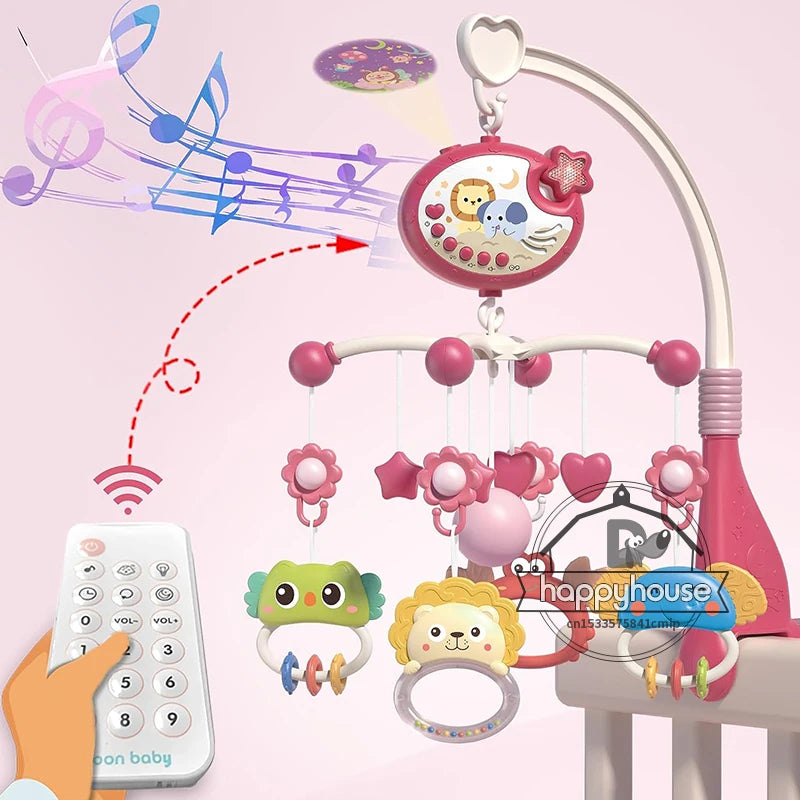
Comparing crib mobile designs helps clarify crib attachment safety standards. See it in action.
Using a crib mobile safely
Even a well-designed crib mobile depends on proper installation and regular maintenance. Building a few simple safety checks into your routine helps reduce potential risks while allowing your baby to enjoy gentle visual stimulation during the early months.
Daily caregiver safety checklist
- Confirm that the mounting bracket or clamp is tight before placing your baby in the crib.
- Keep the mobile positioned well above your baby's reach, typically around 12–16 inches above the mattress, unless the manufacturer specifies otherwise.
- Inspect hanging pieces for loose stitching, cracks, or damaged parts, and stop using the mobile if anything appears worn.
- Never attach additional toys, ribbons, strings, or decorations that could affect balance or create entanglement hazards.
- Use the mobile as intended by the manufacturer and avoid moving it between different crib styles unless compatibility is confirmed.
Signs it's time to remove the mobile
Knowing when to remove a crib mobile is just as important as installing it correctly. Once your baby begins pushing up on hands and knees, sitting independently, or reaching toward hanging objects, the mobile should be taken down. These developmental milestones increase the chance of grabbing or pulling the mobile, making continued use unsafe.
After removal, many families transition to other age-appropriate ways to support bedtime routines, such as consistent lighting, soothing music, or calming sleep environments. Parents often pair these habits with products from the Sleep & Comfort collection to encourage restful sleep without placing additional items above the crib.
Explore the musical crib mobile designed with balance and secure attachment in mind.
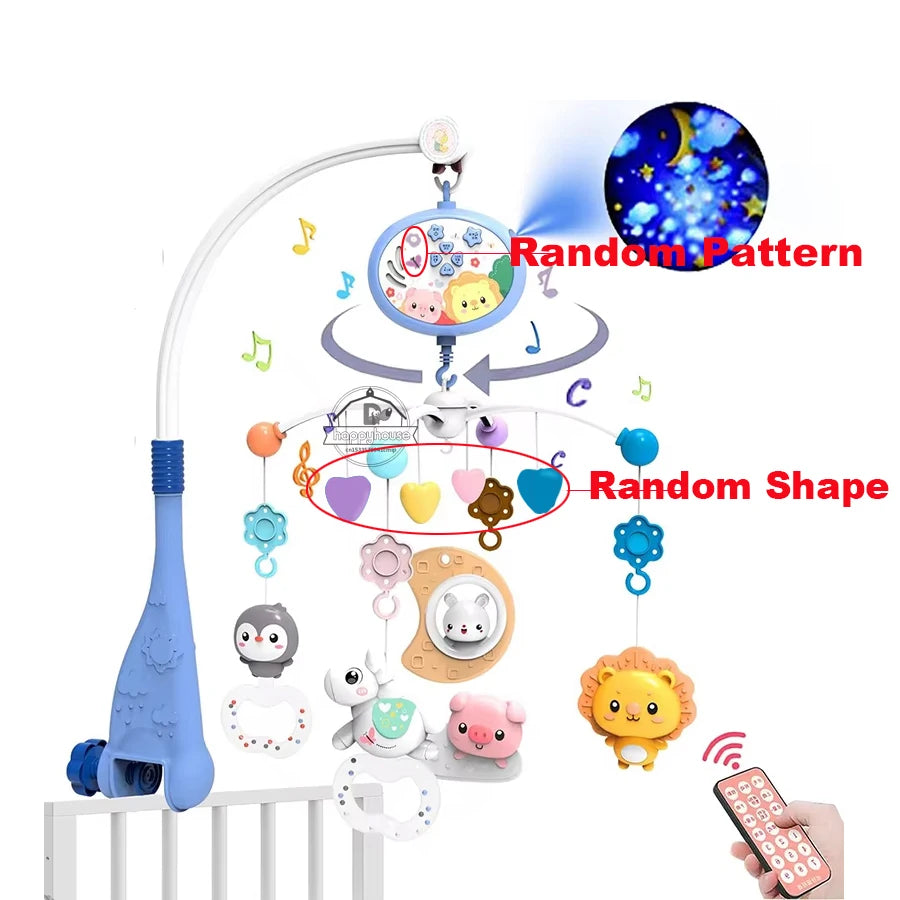
Using a crib mobile safely starts with balanced design, secure installation, and proper positioning. See it in action.
Frequently asked questions
At what age should a crib mobile be removed?
Most experts recommend removing a crib mobile once your baby can push up on hands and knees, sit independently, or reach toward the hanging pieces. For many babies this occurs between 4 and 6 months, but developmental milestones are more important than age alone.
Do musical mobiles help babies sleep better?
Some babies respond well to gentle music and slow movement as part of a consistent bedtime routine. Musical mobiles are most effective when used at a comfortable volume and turned off once your baby has settled to sleep, avoiding unnecessary stimulation.
Are ceiling-mounted mobiles safer than crib-mounted ones?
Ceiling-mounted mobiles eliminate the need for a crib attachment, but they must be securely anchored to the ceiling and positioned well beyond a child's reach. Neither style is automatically safer; proper installation and regular inspection are the most important factors.
Do you need a crib mobile?
No. A crib mobile is optional rather than essential. Many families choose one because it encourages visual tracking, provides gentle sensory stimulation, and helps establish calming bedtime routines during the first few months. If you use one, always follow the manufacturer's instructions and remove it once your baby becomes mobile.
Can a baby sleep with a mobile above the crib?
Yes, provided the mobile is securely installed, remains out of your baby's reach, and is intended for crib use. The mobile should never hang low enough to be grabbed, and it should be removed promptly once developmental milestones indicate your baby can reach or pull on it.
Related Guide: Crib Mobile for Infants: Best Options Compared





