

Arm Fatigue Carrying Baby? Features That Reduce the Strain
Does arm fatigue carrying baby really go away with the right carrier?
Arm fatigue carrying baby often improves when your baby's weight is transferred from your arms to your hips and core. An ergonomic carrier with even weight distribution, a supportive infant hip seat, and adjustable straps helps reduce pressure on the shoulders and wrists while promoting a healthy seated position for your baby. While no carrier eliminates fatigue completely, the right fit and carrying technique can make longer carrying sessions significantly more comfortable.
Arm Fatigue Carrying Baby? Features That Make a Real Difference
⏱ 7 min read
Arm fatigue carrying baby is one of the most common complaints among new parents. Whether you're calming a fussy newborn, walking through the grocery store, or taking a family outing, repeatedly supporting your baby's growing weight can quickly tire your arms, shoulders, and back. In this guide, you'll learn why fatigue happens, how to carry your baby without arm pain, and which ergonomic carrier features provide the greatest everyday relief.
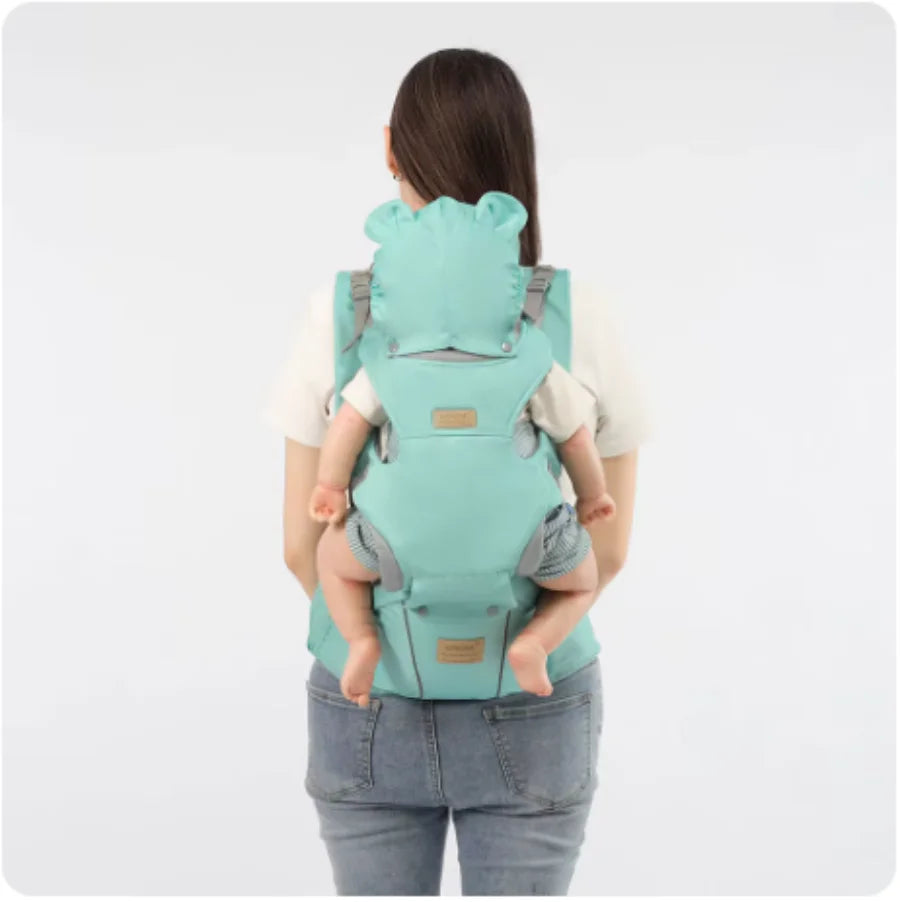
Even weight distribution helps reduce arm fatigue carrying baby — See it in action
Arm Fatigue Carrying Baby: Can the Right Carrier Really Help?
Yes—but with realistic expectations. Feeling tired after carrying your baby is normal because babies gain weight rapidly during their first year. However, persistent arm soreness, shoulder tightness, or wrist discomfort often indicates that your body is supporting more weight than necessary.
When arm fatigue is normal vs. a sign to change your approach
Mild muscle tiredness after a long walk or extended soothing session is expected. If you frequently switch arms every few minutes, experience shoulder pain, numb fingers, or lower back strain, your carrying method or carrier may need adjustment.
Common myths about carrying babies
- Stronger arms alone won't prevent fatigue.
- Holding your baby higher doesn't always improve comfort.
- Good ergonomics matter more than expensive materials.
- A properly adjusted carrier supports both parent and baby.
The remainder of this guide explains how to carry baby without arm pain by improving posture, weight distribution, and carrier selection.
Why Arm Fatigue Happens When Carrying Your Baby
Arm fatigue carrying baby isn't simply about strength—it's largely about biomechanics. When you carry your baby on one hip or support them with your forearms, your shoulders, wrists, and core compensate for an uneven load.
Poor weight distribution
Supporting your baby's full weight with your arms increases stress on smaller muscles that fatigue quickly. Ergonomic carriers shift much of that weight toward your hips and waist, where stronger muscles naturally provide better support.
- Leaning backward to offset your baby's weight
- Elevating one shoulder higher than the other
- Holding your baby too far from your body
- Keeping elbows locked for long periods
How baby age and weight increase strain
As babies become heavier and more active, they shift their weight unexpectedly. Longer wake windows also mean more carrying time throughout the day, increasing cumulative strain on your arms, shoulders, and back.
Symptoms, Causes, and the Best Solutions at a Glance
| Common Symptom | Likely Cause | Recommended Solution |
|---|---|---|
| Tired forearms | Supporting baby's weight with your arms | Use a carrier with hip support |
| Shoulder soreness | Uneven load distribution | Adjust shoulder straps evenly |
| Lower back discomfort | Poor posture while carrying | Engage your core and tighten waist belt |
| Frequent arm switching | Muscle fatigue from one-sided carrying | Alternate carrying positions or use a structured carrier |
How to Carry Your Baby Without Arm Pain
Holding positions that reduce strain
Keep your baby close to your chest instead of extending your arms outward. The closer the load stays to your center of gravity, the less effort your upper body needs to maintain balance.
Baby carrying posture tips
- Stand upright without leaning backward.
- Keep shoulders relaxed.
- Engage your abdominal muscles.
- Distribute weight evenly through both feet.
When to alternate carrying methods
During longer outings, alternating between a hip seat, front carry, or stroller can reduce repetitive muscle fatigue and improve overall comfort.
How Ergonomic Weight Distribution Protects Your Arms, Shoulders, and Back
One of the biggest advantages of ergonomic baby carriers is their ability to transfer load from the arms to the hips, waist, and core. This balanced support reduces pressure points and helps parents maintain a more natural posture.
Why ergonomic design matters
- Less stress on wrists and elbows
- Improved walking balance
- Reduced shoulder tension
- Greater comfort during longer carrying sessions
Signs of balanced weight distribution
A well-adjusted carrier should feel stable without pulling on one shoulder or forcing you to lean. Your baby should remain close to your body while your hips and waist support much of the load.
Parents browsing Mom Essentials often look for designs that combine supportive waist belts with adjustable shoulder straps for better everyday comfort.
Hip Seat, Structured Carrier, Wrap, or Sling: Which Is Best?
Different carrier styles work best for different families and stages of development.
| Carrier Type | Best For | Advantages | Considerations |
|---|---|---|---|
| Hip Seat Carrier | Frequent up-and-down carrying | Excellent weight support and quick access | Slightly bulkier |
| Structured Carrier | Long walks | Excellent support and adjustability | Takes longer to put on |
| Wrap | Young infants | Soft and customizable | Learning curve |
| Sling | Short carries | Compact and portable | Less suitable for extended carrying |
Many families pair hip seat carriers with gear from Baby Care Essentials for convenient everyday routines.
Carrier Features That Make the Biggest Difference
Waist support
A supportive waistband transfers much of your baby's weight onto your hips instead of your shoulders.
Shoulder straps
Wide, padded straps help distribute pressure evenly and reduce shoulder fatigue.
Adjustability
Multiple adjustment points create a personalized fit for different body types and caregivers.
Breathable materials
Mesh panels and lightweight fabrics improve airflow, helping both parent and baby stay comfortable during warm weather or longer outings.
Carrier Features Compared
| Feature | Traditional Hold | Hip Seat Carrier |
|---|---|---|
| Arm fatigue carrying baby | High | Low |
| Even weight distribution | No | Yes |
| Supports healthy hip positioning | Inconsistent | Yes |
| Hands-free mobility | Limited | Improved |
Prevent Arm, Shoulder, and Back Fatigue Before It Starts
Stretching exercises
Gentle stretches for the shoulders, chest, forearms, and neck can reduce muscle tightness after carrying sessions.
Recovery after long carrying sessions
Switch positions regularly, stay hydrated, and give your muscles time to recover between extended carrying periods.
When to seek professional advice
If pain persists despite improving your carrying technique or is accompanied by numbness, weakness, or severe discomfort, consult a qualified healthcare professional for individualized assessment.
Families also explore products from the Sleep & Comfort collection to support more comfortable daily routines.
How to Choose the Right Baby Carrier for Your Family
Lifestyle checklist
- Consider how often you'll carry your baby.
- Choose support appropriate for your baby's size.
- Think about travel, errands, and outdoor use.
Fit testing
Adjust the waist belt first, then tighten shoulder straps until your baby feels secure without pulling on your shoulders.
Safety considerations
Ensure your baby's airway remains clear, follow the manufacturer's weight recommendations, and maintain healthy hip positioning during every carry.
Parents looking for additional parenting resources can also browse Health & Safety collections.
Discover the full details of the baby hip seat carrier and how it supports both you and your baby during everyday routines.
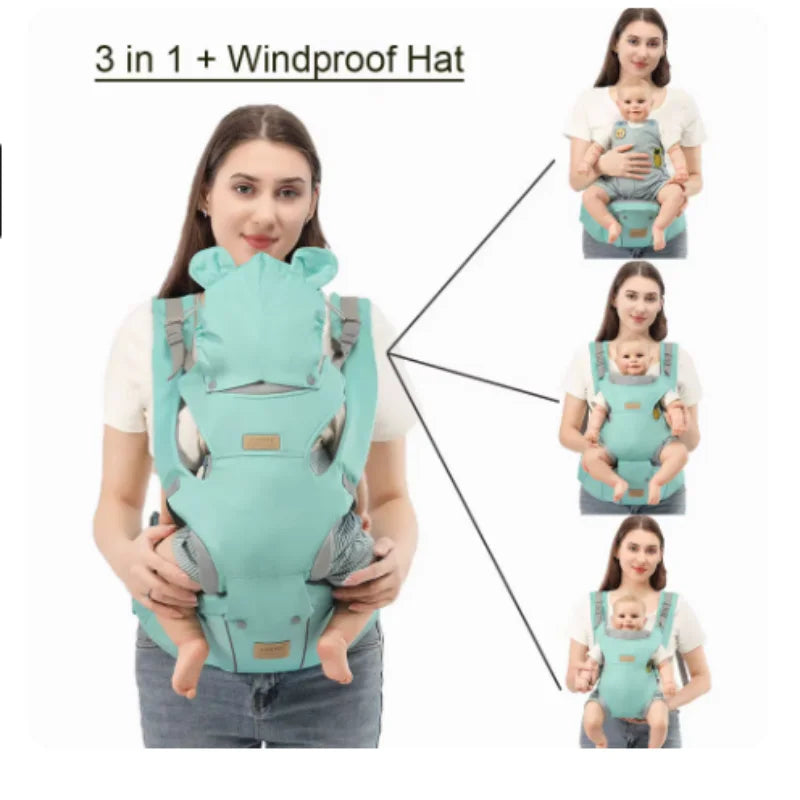
Comfort-focused design helps prevent arm fatigue carrying baby — See it in action
Frequently Asked Questions
Is arm fatigue carrying baby normal?
Yes. Mild fatigue is common because babies grow quickly. However, persistent discomfort often improves with better carrying posture and a supportive ergonomic carrier.
How can I reduce arm fatigue carrying my baby?
Keep your baby close to your body, engage your core, alternate carrying positions, and use a carrier that distributes weight across your hips and shoulders.
Which carrier is best for back pain relief?
Many parents find ergonomic structured carriers and hip seat carriers provide the best balance of weight distribution and lower back support for longer carrying sessions.
Can a hip seat support newborns?
Some hip seat carriers are suitable for younger babies when used according to the manufacturer's age, weight, and positioning recommendations.
Does a carrier really free your hands?
Yes. A properly adjusted carrier allows you to perform light everyday activities while keeping your baby close. Always keep one hand available when needed and avoid hazardous tasks.
When should I stop carrying my baby in my arms?
If your muscles tire quickly or your baby becomes too heavy for comfortable manual carrying, transitioning to an ergonomic carrier can improve comfort while maintaining safe support.
Related Guide: Ergonomic Babywearing Waist Support That Actually Reduces Pain





