

Baby float stability design explained for safer play
What makes baby float stability design safer for infants?
Baby float stability design improves water safety by using wider bases, balanced air chambers, and reinforced support panels to reduce tipping. A well-designed inflatable infant pool float helps keep babies upright, supports natural posture, and increases confidence during infant water play while giving parents peace of mind.
Baby Float Stability Design Explained for Safer Play
Baby float stability design shapes how secure and relaxed water time feels for little ones and parents alike. Smart balance points, wider bases, and supportive panels can dramatically reduce tipping risks during infant water play. If you’ve ever worried about wobbling, slipping, or uneven floats, this guide breaks down exactly which design features matter most—and why.
⏱ 7 min read
Quick question: Have you ever noticed how some baby floats feel steady instantly, while others make you hover with anxiety? That difference almost always comes down to design.
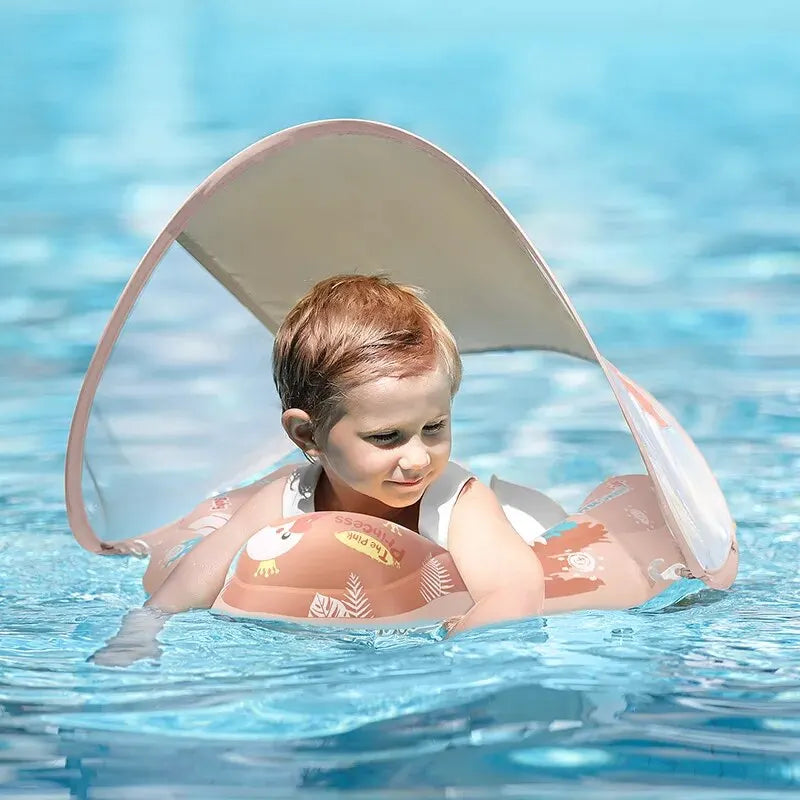
Baby float stability design in action during infant water play 💡 See it in action
Why Baby Float Stability Design Matters for Infant Pool Safety
Baby float stability design directly affects how safely weight is distributed in the water. Infants lack core strength and balance, so even small shifts can cause tipping if the float isn’t engineered correctly. Stable designs reduce sudden movement and help babies remain upright without strain.
Parents often assume all inflatable infant pool floats offer the same support. In reality, differences in base width, air chamber placement, and seat depth create major safety gaps.
For families already focused on safer routines—like bath-time setup or temperature checks—exploring tools from Health & Safety can help create consistency across all water-related activities.
Key Baby Float Stability Design Features That Reduce Risk
Baby float stability design relies on multiple elements working together, not a single feature. The most reliable floats combine structure, balance, and comfort.
Wide Base for Lower Center of Gravity
A wider base spreads buoyancy evenly, lowering the center of gravity. This minimizes side-to-side rocking and helps prevent sudden flips during infant water play.
Multi-Chamber Air Design
Separate air chambers ensure that if one section loses pressure, the float remains upright. This layered approach adds redundancy that improves infant pool safety.
Supportive Seat and Leg Openings
Deep, ergonomic seats with reinforced leg openings help keep babies centered. This prevents sliding forward or leaning dangerously to one side.
- Even weight distribution
- Reduced wobble in shallow pools
- Better posture support
- Increased parent confidence
Many parents pair water play with calming routines using items from Baby Bath Accessories to keep transitions smooth and stress-free.
How to Use an Inflatable Infant Pool Float Safely
Baby float stability design works best when used correctly. Even the most stable float needs proper setup and supervision.
- Inflate all chambers fully to the recommended pressure.
- Place the float in calm, shallow water only.
- Gently seat your baby, ensuring legs rest naturally.
- Keep one hand within reach at all times.
Pairing float use with monitoring tools from Monitoring Devices can further support attentive supervision during infant water play.
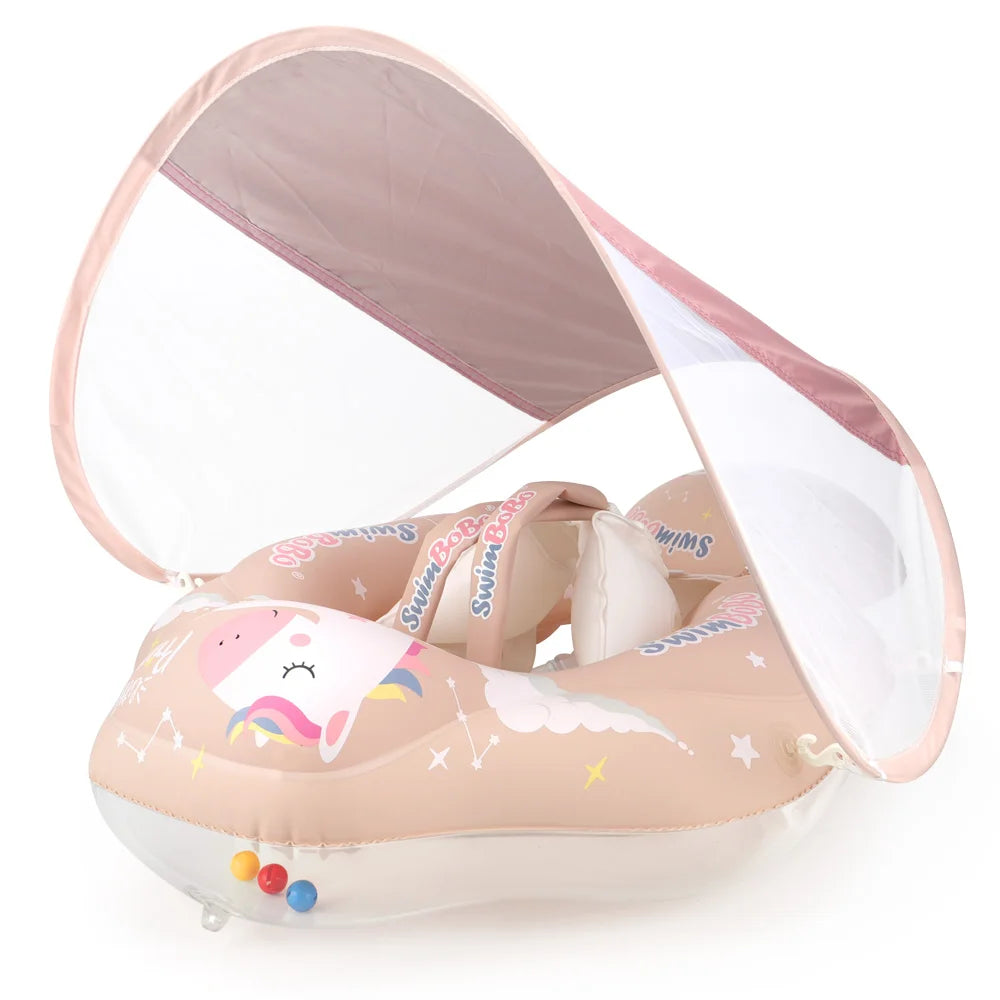
Balanced inflatable infant pool float design improves infant pool safety 💡 See it in action
Stable vs Unstable Baby Float Designs Compared
| Feature | Stable Design | Unstable Design |
|---|---|---|
| Base Width | Wide and balanced | Narrow, prone to tipping |
| Air Chambers | Multiple independent sections | Single chamber |
| Seat Support | Reinforced and ergonomic | Flat or shallow |
What Parents Notice After Switching to Stable Floats
Parents consistently report calmer babies, longer play sessions, and reduced anxiety once they switch to a float with thoughtful baby float stability design.
- “My baby stays upright without wobbling.”
- “I don’t feel the need to hover constantly.”
- “Water play finally feels relaxing.”
Many families who prioritize comfort also explore soothing routines using products from Sleep & Comfort to maintain relaxation before and after pool time.
How to Choose the Right Baby Float for Safer Water Play
When choosing an inflatable infant pool float, focus on stability first, aesthetics second. Look for clear weight limits, wide bases, and reinforced seams.
For parents building a full safety-focused setup, browsing coordinated essentials from Baby Care Essentials helps simplify decision-making.
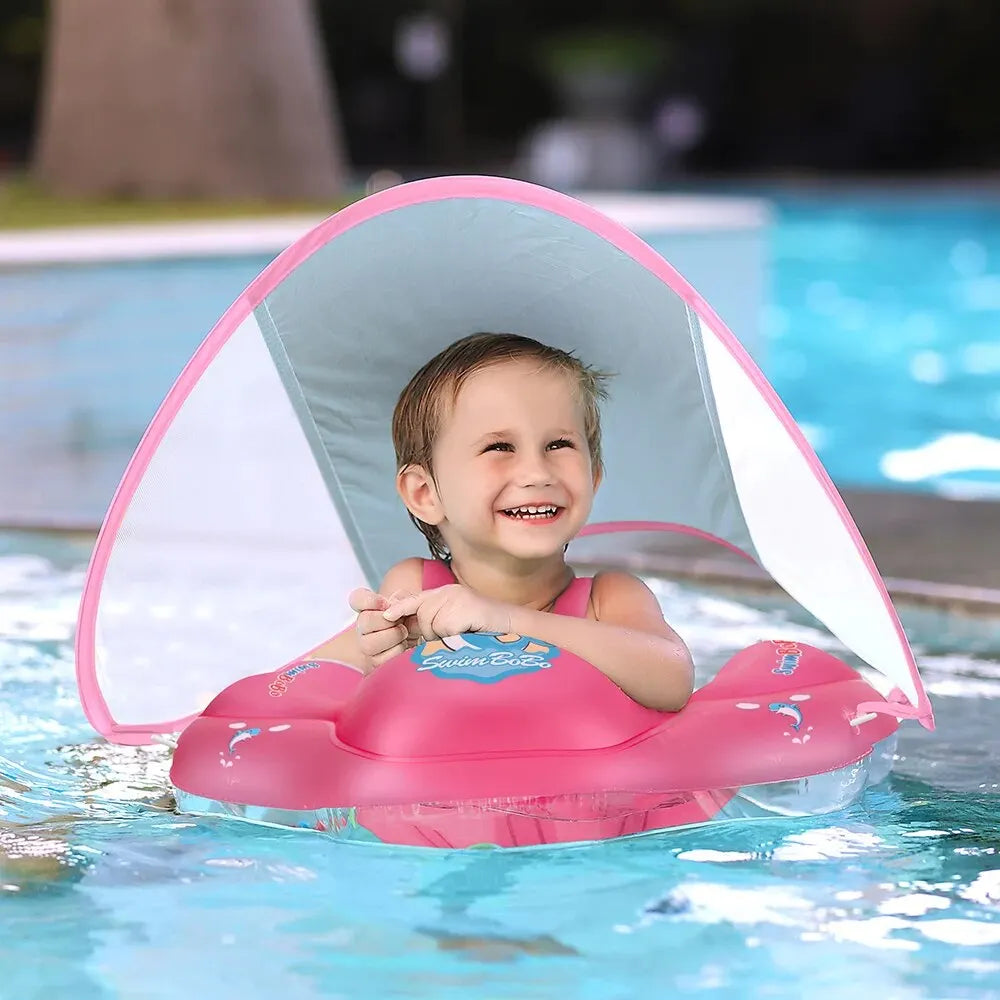
Choosing a stable baby float design supports safer infant water play 💡 See it in action
Mini FAQ
Does baby float stability design really reduce tipping?
Yes. Baby float stability design lowers the center of gravity and balances buoyancy, making tipping far less likely during infant water play.
Are inflatable infant pool floats safe for beginners?
When designed with wide bases and multiple air chambers, inflatable infant pool floats can support safer early water experiences with close supervision.
Can stable baby floats be used in any pool?
Stable floats are best used in calm, shallow pools. Always avoid waves, slopes, or crowded water for optimal infant pool safety.
Related Guide: How to protect baby pool sun safely step by step





