

Baby Hip Seat Carrier 20kg: Strength Features That Matter Most
Does a baby hip seat carrier 20kg really support heavier babies safely?
The baby hip seat carrier 20kg is designed to support growing toddlers by combining a reinforced load-bearing seat with even weight distribution across the waist and core. When used correctly, it reduces toddler carrying back strain, promotes healthy sitting posture, and aligns with safe babywearing guidelines for daily, hands-free carrying.
Baby Hip Seat Carrier 20kg: Strength Features That Matter Most
⏱ 6 min read
Carrying a heavier baby shouldn’t feel like a workout you didn’t sign up for. If your arms ache, your lower back burns, or your posture feels off after just a few minutes, you’re not alone. Many parents struggle with toddler carrying back strain as their child grows. The right baby hip seat carrier 20kg can change that experience completely.
Which carrier features actually matter when your baby is no longer “light”? And how do you know if a hip seat is truly built for long-term use rather than short errands? Let’s break it down clearly.
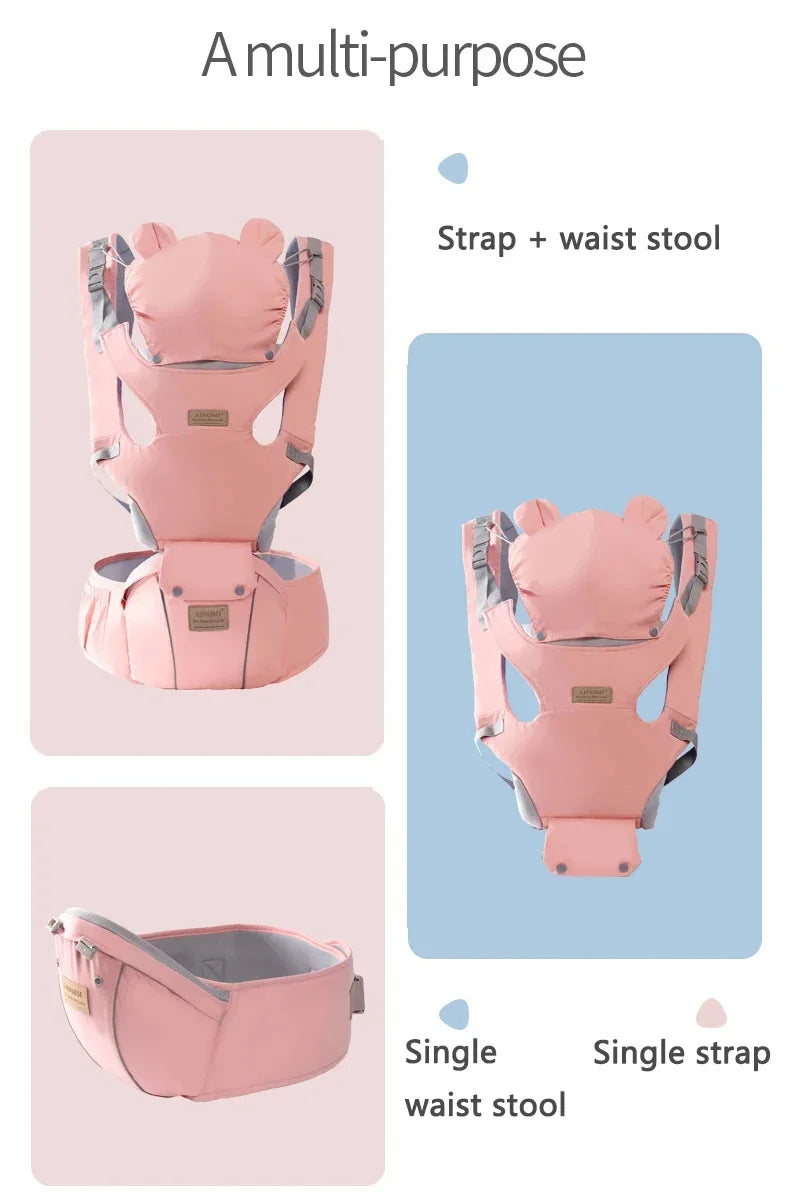
Even weight distribution with a baby hip seat carrier 20kg 💡 See it in action
Explore trusted essentials in Baby Care Essentials.
Why 20kg Load Capacity Matters for Real Parents
The baby hip seat carrier 20kg rating means the structure, stitching, and waist support are engineered for toddlers, not just infants. This capacity ensures stability, reduces pressure points, and maintains balance as your child grows heavier, helping parents carry longer without discomfort.
Many carriers feel fine at first but lose support as babies approach toddler weight. A true 20kg design focuses on:
- Reinforced internal frame
- Dense, shape-retaining foam seat
- Wide waist belt that transfers load to the hips
- Secure anti-slip surface for active toddlers
How Core Strength Design Protects Your Back
Back pain often comes from load imbalance, not weight alone. A well-built hip seat shifts weight from shoulders to your core, letting your hips and legs do the work they’re designed for.
Parents who prioritize Mom Essentials often notice immediate relief because the carrier:
- Stabilizes the lumbar area
- Encourages upright posture
- Reduces arm fatigue during quick carries
- Supports natural movement while walking
Why Even Weight Distribution Changes Everything
Even weight distribution is the single most important feature for heavier babies. Instead of pulling forward, the hip seat centers your child close to your body’s gravity line.
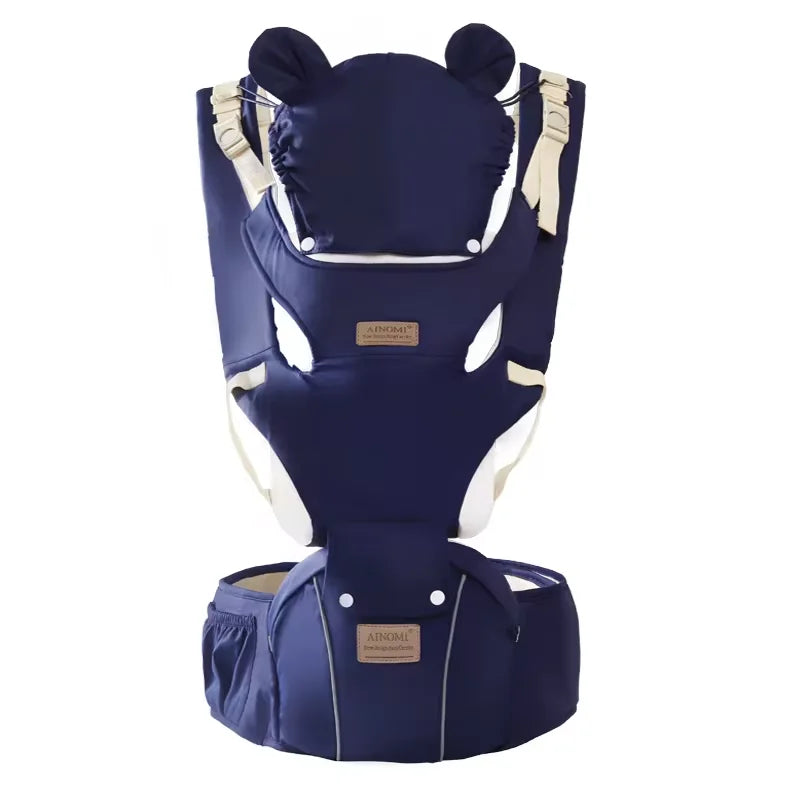
Balanced carry design supports even weight distribution 💡 See it in action
Benefits parents feel right away:
- Less lower-back pressure
- Improved balance when standing or walking
- Reduced shoulder tension
- More confidence carrying longer distances
Browse expert picks in Health & Safety.
Infant Hip Seat Shape and Healthy Sitting Posture
The infant hip seat is not just a platform—it’s shaped to support healthy sitting posture. A slightly angled seat helps keep your child’s hips aligned and legs naturally positioned.
This design supports:
- Natural hip flexion
- Better spinal alignment
- Comfort during longer carries
- Reduced squirming from discomfort
Parents focused on developmental comfort often explore Baby Growth & Learning to complement ergonomic carrying solutions.
Built-In Support for Safe Babywearing Guidelines
Safe babywearing guidelines emphasize airway clearance, hip positioning, and secure attachment. A baby hip seat carrier 20kg supports these principles by keeping babies upright, visible, and well-supported.
Key safety-focused features include:
- Anti-slip seat surface
- Wide, adjustable waist belt
- Stable center of gravity
- Secure buckles tested for load stress
Hip Seat Carrier vs Traditional Carriers
| Feature | Hip Seat Carrier 20kg | Traditional Soft Carrier |
|---|---|---|
| Weight Capacity | Up to 20kg | Often under 15kg |
| Back Support | Hip-based load transfer | Shoulder-focused |
| Quick On/Off | Yes | Less convenient |
| Toddler Comfort | High stability | Varies |
This is why parents dealing with toddler carrying back strain often switch once their child grows heavier.
Real-Life Use: Daily Scenarios Parents Care About
From school drop-offs to grocery runs, the baby hip seat carrier 20kg shines in short, frequent carries.
Parents report:
- Faster transitions in public spaces
- Less arm fatigue at home
- Improved confidence carrying active toddlers
- More willingness to carry without hesitation
Pairing it with comfort-focused items from Sleep & Comfort can further ease daily routines.
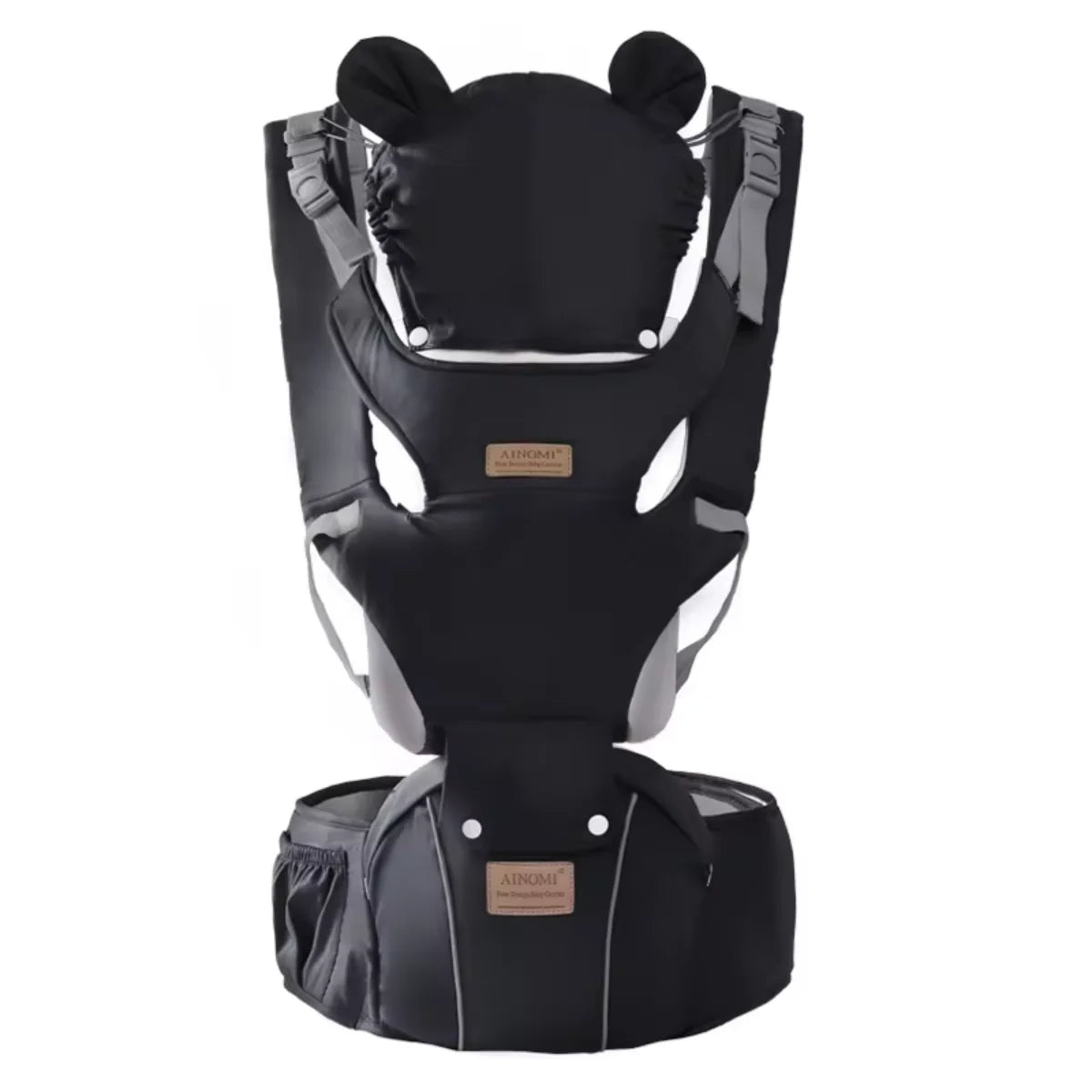
Comfort-focused baby hip seat carrier 20kg 💡 See it in action
Check availability of the baby hip seat carrier today.
Quick Parent FAQs
Is a baby hip seat carrier 20kg suitable for daily use?
Yes. When designed for 20kg capacity, it supports frequent, short carries by reducing strain and maintaining balance.
Does it help with toddler carrying back strain?
It helps by shifting weight to the hips and promoting even weight distribution, which reduces pressure on the lower back.
How does it support safe babywearing guidelines?
The upright position, stable seat, and secure waist belt align with widely recommended safety principles for babywearing.
Related Guide: Ergonomic Babywearing Waist Support That Actually Reduces Pain





