

Play Mat vs Noise Machine: Which Helps Babies Stay Calm?
Does a baby play mat with music calm babies or overstimulate them?
A baby play mat with music can support infant sensory stimulation when sounds are gentle, adjustable, and paired with visual and tactile elements. Used in short, supervised sessions, it encourages sensory play for infants without overwhelm. Poorly designed mats with constant loud music may overstimulate newborns, which is why volume control and age-appropriate use matter.
Baby Play Mat With Music Reviews: Calm or Overstimulate?
⏱ 7 min read
A baby play mat with music can be a soothing space for discovery—or a source of too much sensory input. Many parents use musical activity mats to encourage tummy time, reaching, kicking, and early learning. The key is understanding when music supports development and when it becomes distracting. This guide compares musical play mats with white noise machines, explains how to recognize healthy engagement, and helps you choose the right option for your baby's routine.
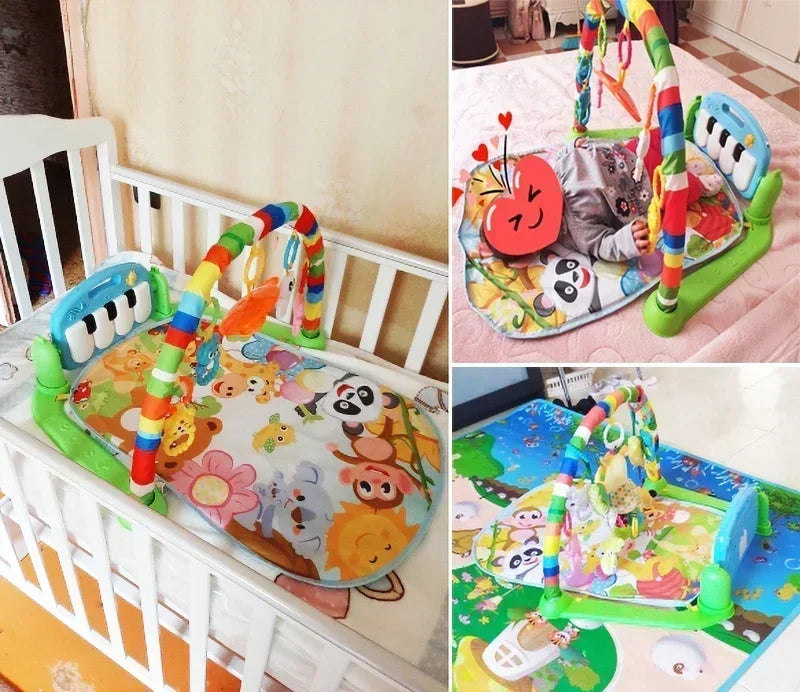
Baby play mat with music supporting sensory play for infants • See it in action
Play mat vs noise machine: Which does your baby need?
Quick verdict by age and situation
Parents often compare a play mat vs noise machine, but these products solve different problems rather than competing with each other.
- Choose a musical play mat during awake periods for tummy time, reaching, kicking, and sensory exploration.
- Choose a white noise machine during naps and bedtime to mask background sounds and create a consistent sleep environment.
- Use both if you want separate tools for daytime development and nighttime sleep support.
Rather than asking noise machine vs play mat, it is more helpful to think about what your baby is doing. Active play calls for stimulation, while sleep routines benefit from calm, predictable sound.
Play mat vs noise machine: Side-by-side comparison
| Feature | Musical Play Mat | White Noise Machine |
|---|---|---|
| Primary purpose | Interactive sensory and motor development | Create a calmer sleep environment |
| Developmental benefits | Encourages reaching, kicking, visual tracking and auditory learning | Supports consistent sleep routines by masking household sounds |
| Best age range | From newborn with supervision through active infancy | Suitable from birth when used safely |
| Best time of day | Wake windows and tummy time | Naps and bedtime |
| Limitations | Not intended for sleep or continuous use | Does not encourage active learning or movement |
How play mats stimulate development while noise machines support sleep
Why sensory stimulation and sleep support serve different needs
A baby play mat with music benefits early development by combining movement, touch, sound, and visual exploration. During supervised play, babies learn that kicking a piano key or pressing a button creates a response, strengthening early cause-and-effect understanding.
A white noise machine serves a different purpose. Instead of encouraging interaction, it provides consistent background sound that may help reduce disruptions from household noise during sleep.
Because these products have different goals, a sensory play mat vs white noise comparison should focus on timing rather than which one is "better." One encourages active brain and motor development, while the other supports rest and recovery.
- Supports visual tracking with hanging toys.
- Encourages tummy time and neck strength.
- Promotes reaching, grasping, and kicking.
- Introduces gentle auditory experiences through music.
- Creates opportunities for parent-child interaction.
Does music overstimulate babies?
Signs of healthy engagement vs overstimulation
Parents often ask, does music overstimulate babies? The answer depends on the volume, duration, and the baby's individual temperament.
Healthy engagement usually looks like:
- Looking toward toys and smiling.
- Reaching or kicking with curiosity.
- Short periods of focused attention.
- Remaining calm after play ends.
Possible signs of overstimulation include:
- Turning the head away repeatedly.
- Arching the back.
- Sudden crying or fussiness.
- Difficulty settling after playtime.
- Yawning, rubbing eyes, or becoming unusually irritable.
If you notice these cues, reduce the volume, switch off the music, or end the session. Most babies benefit from 10–20 minutes of supervised play followed by a quieter activity before naps.
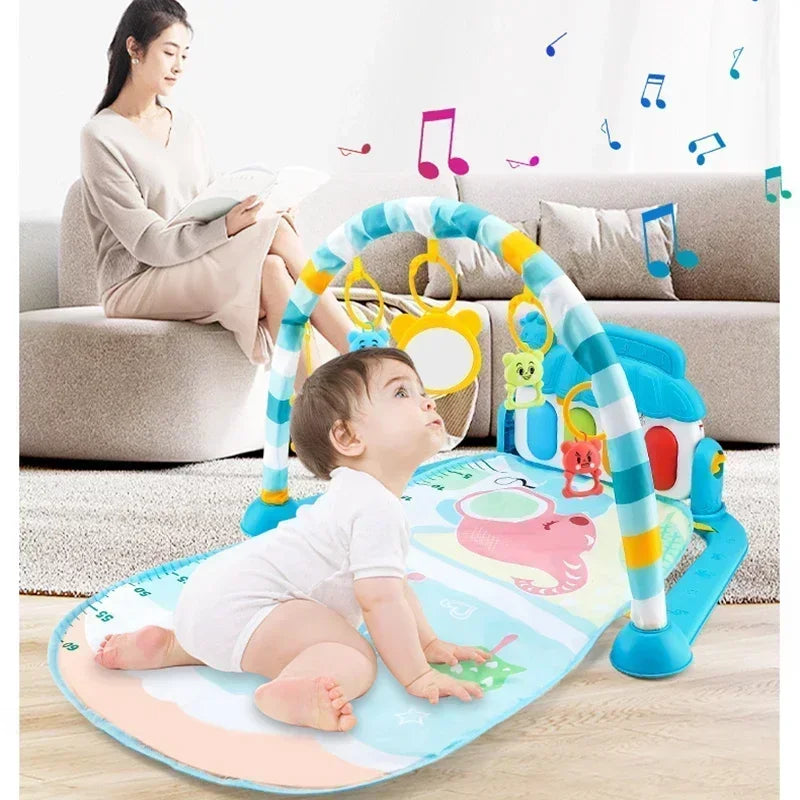
Infant sensory stimulation with balanced sound and texture • See it in action
Play mat with music vs white noise machine: Best use cases
| Situation | Recommended Product | Reason |
|---|---|---|
| Tummy time | Musical play mat | Encourages movement and visual engagement. |
| Independent floor play | Musical play mat | Keeps babies interested through gentle interaction. |
| Naps and bedtime | White noise machine | Supports a consistent sleep environment. |
| Travel or unfamiliar places | White noise machine | Helps mask environmental sounds. |
| Newborn daytime routine | Both | Play mat during wake windows, white noise during sleep. |
Should you choose a play mat, a noise machine, or both?
Your decision depends on your baby's age, available space, and daily routine.
- Limited budget: Start with the product that solves your biggest need. If your baby spends more time awake on the floor, a play mat offers greater developmental value.
- Small homes: Choose compact products that are easy to store and rotate.
- Multiple children: A white noise machine may help create a quieter sleep space while an older sibling is active.
- Balanced routine: Many families use a musical play mat for morning and afternoon play, then transition to white noise before naps and bedtime.
For families looking for an activity center that adapts as babies grow, the baby activity gym combines music, removable toys, and tummy time features while allowing parents to adjust stimulation throughout the day.
Safety considerations for both products
Whether using a musical play mat or a white noise machine, follow a few basic safety practices.
- Keep sound at a comfortable listening level.
- Always supervise babies during floor play.
- Use musical features only during awake periods.
- Choose products appropriate for your baby's developmental stage.
- Inspect toys, arches, and electronic components regularly for wear.
- Wash play mat fabrics according to the manufacturer's instructions.
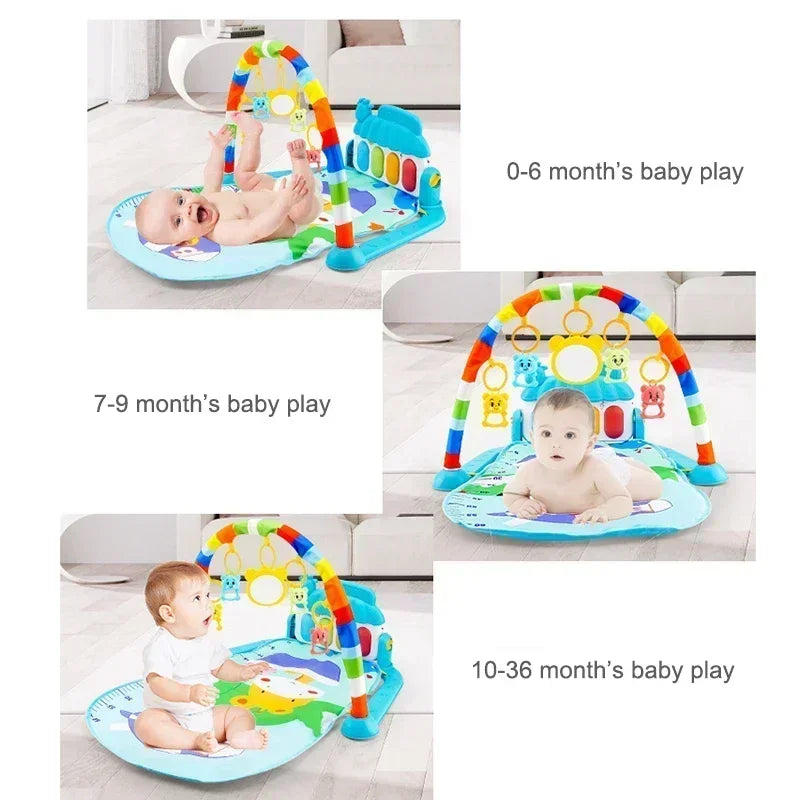
Stimulating activities for newborns with adjustable music • See it in action
Frequently asked questions
Can newborns use a play mat with music?
Yes. Newborns can use a musical play mat during supervised awake time if the volume is gentle and sessions are brief. Look for adjustable volume controls and simple melodies rather than constant loud music.
Is a musical play mat better than a white noise machine?
Neither product is universally better because they serve different purposes. A play mat supports learning and movement, while a white noise machine supports sleep routines.
Can I use both together?
Yes, but not at the same time for the same purpose. Use the play mat during active play and switch to white noise when preparing for naps or bedtime.
When should babies stop using play mats?
Many babies enjoy play mats throughout their first year. As mobility increases, they naturally transition toward crawling, cruising, and more active floor play.
Can white noise be used during playtime?
It can be used as quiet background sound, but it should not replace interactive play. Babies benefit most from responsive conversations, movement, and age-appropriate sensory experiences during wake windows.
Play mat vs noise machine: which is better for newborns?
Newborns often benefit from both. Short supervised play mat sessions encourage early development, while white noise may help establish consistent sleep routines.
Can a baby sleep with a musical play mat on?
No. Musical play mats are designed for supervised play, not sleep. Turn off music and move babies to a safe sleep space for naps and overnight sleep.
Does white noise help babies more than music?
For sleep, many babies respond better to consistent white noise than stimulating music. During awake time, gentle music can encourage exploration and movement.
Can music and white noise be used together?
They generally work best at different times of day. Music supports play, while white noise supports sleep, making each more effective in its intended setting.
At what age is a play mat more beneficial than a noise machine?
Play mats become valuable as soon as babies begin supervised floor play, while white noise is useful whenever families want to reduce environmental noise during sleep. Most households find the two products complement each other rather than compete.
Will a musical play mat overstimulate my baby?
Not usually, provided the music is gentle, the volume is adjustable, and play sessions remain short. Watch your baby's cues and pause if signs of overstimulation appear.
Related Guide: Infant Gym Play Mat Comparison Guide for Smarter Tummy Time





