

How Do I Choose a Safe Pool Float for My Baby?
What is the safest way to use a baby pool float?
The safest way to use a baby pool float is to choose one that matches your baby's age and weight, provides stable buoyancy support, and is used only with constant, arm's-reach adult supervision. A well-designed baby pool float can improve comfort and confidence in the water, but it should never be considered a life-saving device or a substitute for attentive caregiving.
Baby Pool Float Safety Guide: How to Choose and Use the Safest Float for Your Baby
⏱ 9 min read
Choosing a baby pool float can feel overwhelming. Every product claims to be safe and comfortable, yet not every design provides the same level of stability or support. This guide explains how to choose a safe baby pool float, which safety features matter most, common mistakes to avoid, and how to keep your little one safer during every water session.
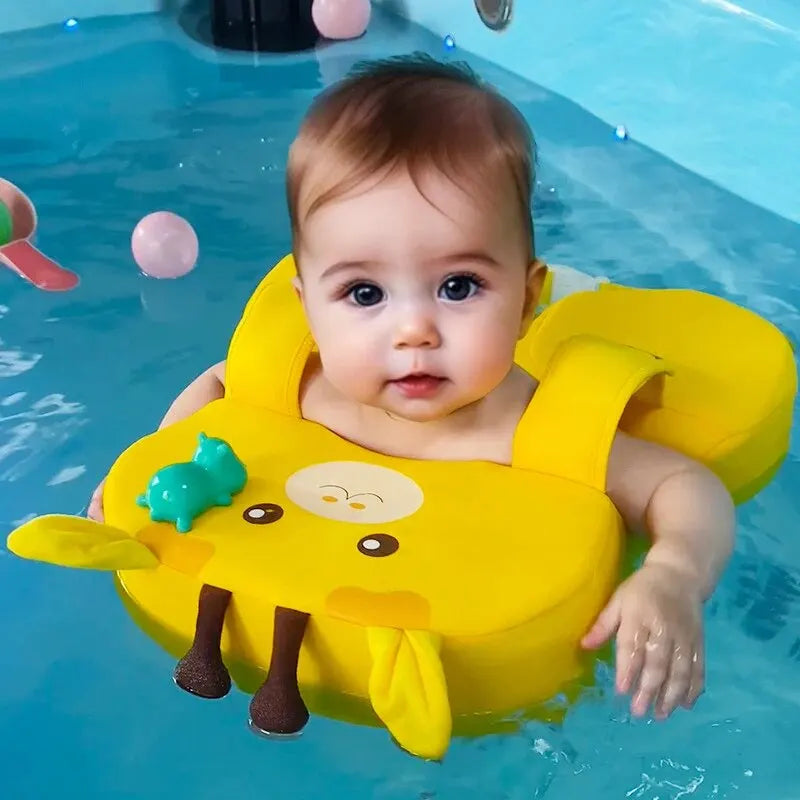
Choosing the right baby pool float starts with stability, proper fit, and active supervision.
Are Baby Floats Safe? What Parents Need to Know
Many parents ask, "Are baby floats safe?" The answer depends on how they are selected and used. A quality baby pool float can support your child's body while introducing them to the water, but it cannot prevent drowning or replace a responsible adult.
What floats can and cannot do
A baby pool float is designed to provide buoyancy and help babies remain comfortably positioned in shallow water. It does not guarantee that your child will stay upright if they lean, reach, or shift unexpectedly.
Even the safest float should only be used with an adult within arm's reach at all times. Children can slip, tip, or become distressed in seconds. Families often combine safe water practices with monitoring solutions from Monitoring Devices for added awareness around the pool, while remembering that no device replaces direct supervision.
Common drowning misconceptions
- Floats are learning aids—not life-saving equipment.
- Babies should never be left unattended, even in shallow water.
- Water wings and inflatable toys are not substitutes for properly fitted infant swim products.
- Early swimming exposure builds confidence but does not create water safety skills.
How Do I Choose a Safe Pool Float for My Baby?
Choosing a safe baby pool float is easier when you evaluate each product using the same decision framework instead of focusing on appearance alone.
Check age and weight limits
Always verify the manufacturer's recommended age and weight range. A float that is too large may allow your baby to slide, while one that is too small can reduce comfort and stability.
Look for stable, supportive designs
Prioritize products with balanced buoyancy, a wide base, secure seating, and comfortable leg openings. These features help keep babies upright while reducing unnecessary pressure on their hips and legs.
Verify safety labeling and quality
Inspect the float for clear safety instructions, durable seams, reliable air valves, and quality materials. Before each use, check for punctures, slow leaks, or worn components that could affect performance.
Parents preparing for their baby's first water experiences may also find helpful guidance in Health & Safety resources alongside topics such as Baby Swim Safety Checklist, How to Introduce a Baby to Water, Choosing Infant Swimwear, Sun Protection for Babies at the Pool, and Pool Safety Rules for Families.

Balanced buoyancy and a supportive design help improve comfort during supervised water play.
Choose the Right Pool Float by Age and Size
Infants under 12 months
Very young babies should only use infant pool floats specifically designed for their developmental stage. Look for excellent head, chest, and torso support while following all manufacturer recommendations.
Best baby swim float 12-18 months
As babies become more active, they benefit from floats with additional freedom of movement while maintaining stable support. Always verify that the product accommodates your child's current weight rather than age alone.
Best float for 1 year old
One-year-olds often enjoy exploring the water more independently. A supportive seat float or infant support float with a wide base may provide better stability than simple inflatable rings.
Best Baby Pool Float Safety Features to Look For
The best baby pool float safety features focus on stability, comfort, and reducing common hazards rather than adding unnecessary accessories.
Wide stable base
A broad base helps resist tipping and improves overall balance when babies move naturally.
Secure seat and leg openings
Reinforced seating and soft leg openings reduce slipping while improving comfort during longer water sessions.
Sun canopy and multi-air chambers
Some premium floats include removable sun canopies for shade and multiple independent air chambers that provide additional redundancy if one chamber loses air.
Durable materials and inflation valves
Choose thick, skin-friendly materials with secure inflation valves that resist accidental air loss.
Compare Baby Pool Float Styles
| Style | Advantages | Best For | Considerations |
|---|---|---|---|
| Seat floats | Good torso support and stability | Young infants | Must fit properly to prevent slipping |
| Ring floats | Lightweight and portable | Older toddlers under supervision | Often provide less body support |
| Canopy floats | Added shade during outdoor swimming | Sunny pool days | Still require sunscreen and supervision |
| Infant support floats | Balanced buoyancy and posture support | First water experiences | Follow age and weight recommendations carefully |
Common Pool Float Mistakes That Increase Risk
Poor fit
A float that is too large or too small can affect stability and increase the chance of slipping.
Underinflation or overinflation
Incorrect inflation changes buoyancy and may reduce overall performance. Inflate according to the manufacturer's instructions before every use.
Using outside recommendations
Do not rely solely on another family's experience. Babies develop at different rates, so always follow the specific age, weight, and sizing guidance for your chosen product.
Leaving babies unattended
The greatest risk comes from assuming a float provides protection. Keep your baby within arm's reach throughout every water activity.
How Can I Keep a Baby Pool Float Clean and Safe to Use?
How to clean baby pool float
Rinse the float with clean water after every use to remove chlorine, salt, sunscreen, and dirt. Wash occasionally with mild soap, then rinse thoroughly.
Drying and storage
Allow the float to dry completely before deflating and storing it in a cool, dry place away from direct sunlight to help prevent mold and material deterioration.
When to replace a float
Replace your baby pool float if you notice cracks, weakened seams, leaking air chambers, damaged valves, or significant material wear. Regular inspection helps maintain safe performance.
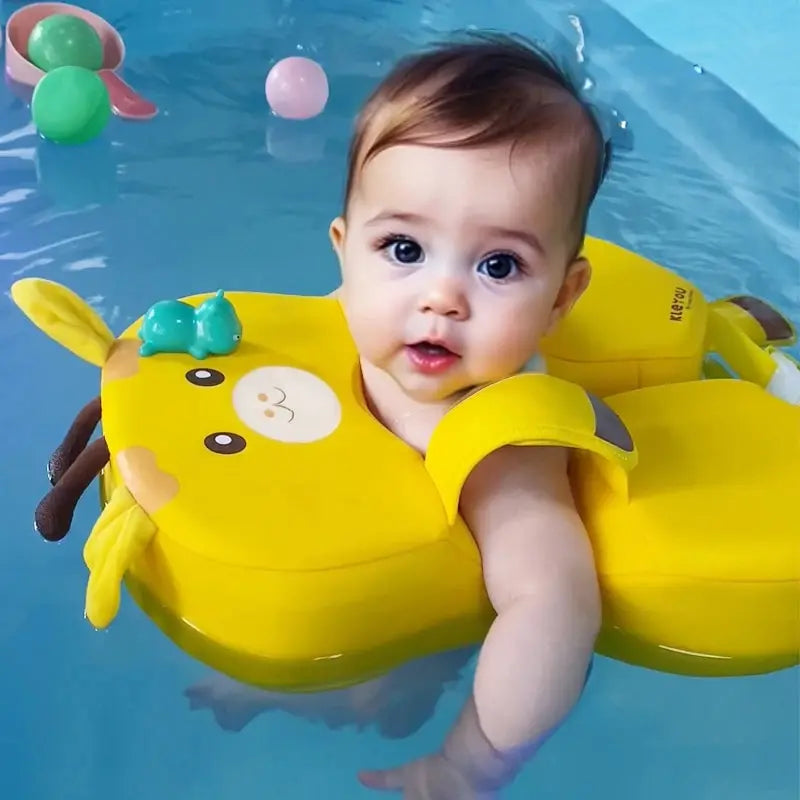
Routine inspection and proper maintenance help extend the life of your baby's pool float.
FAQ: Baby Pool Float Safety
Can a baby pool float replace adult supervision?
No. A baby pool float improves buoyancy but cannot prevent drowning. Constant adult supervision is always essential.
What is the safest type of baby pool float?
The safest baby pool float is one that matches your baby's age and weight, offers a wide stable base, secure seating, balanced buoyancy, and is used according to the manufacturer's instructions.
How do I know if a pool float fits my baby?
Check the recommended age and weight range, ensure your baby sits securely without slipping, and confirm that the float keeps them comfortably supported in an upright position.
How often should I inspect or replace a baby pool float?
Inspect the float before every use. Replace it immediately if you notice leaks, damaged seams, cracked materials, or faulty inflation valves.
Related Guide: Non Inflatable Baby Swim Float Review Parents Trust Most





