

Baby tipping in water explained and how floats prevent it
What causes baby tipping in water, and how can floats prevent it?
Baby tipping in water happens because infants have a top-heavy body, weak core muscles, and limited balance control. Properly designed floats reduce baby tipping in water by supporting the chest, hips, and head at the same time, keeping posture stable while allowing safe movement and confidence-building water play.
Baby tipping in water explained and how floats prevent it
⏱ 7 min read
Baby tipping in water is one of the most common — and frightening — moments parents experience during bath time or early pool play. One second your baby looks fine, the next their body suddenly leans forward or sideways. Understanding why this happens, and how modern float designs correct it, can turn water time into a safer, happier routine for both of you.
Quick question: Why do some babies tip even when you’re right there holding them? The answer isn’t strength — it’s balance physics.
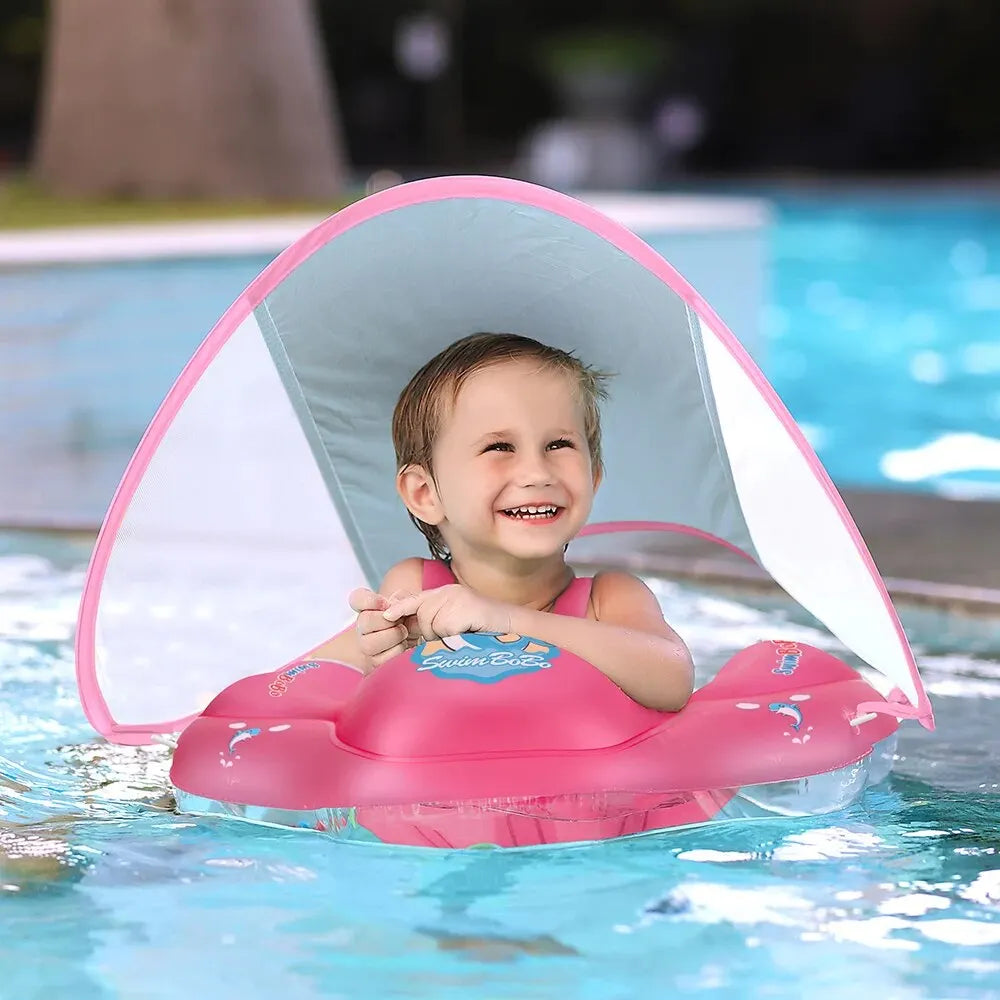
Understanding baby tipping in water helps parents choose safer infant swimming gear 💡 See it in action
Why baby tipping in water happens so suddenly
Baby tipping in water usually occurs without warning because infants are proportioned differently than adults. Their heads are large and heavy, while their core and neck muscles are still developing.
- Head weight shifts center of gravity forward
- Limited core strength can’t self-correct posture
- Water resistance exaggerates small movements
- Slippery surfaces reduce grip and control
This is why even calm babies can tip when they reach for a toy or kick excitedly.
How infant balance develops in water
Infant pool safety improves when parents understand how balance develops. Babies don’t naturally know how to counterbalance in water until much later.
Early water exposure is about support, not independence. Proper infant swimming tips always emphasize assisted posture over “learning to float alone.”
How float design prevents baby tipping in water
Baby tipping in water can be significantly reduced when floats support multiple points of the body instead of just the waist or arms.
Direct answer: Baby tipping in water is prevented when a float stabilizes the chest, hips, and head together. This keeps the baby’s center of gravity aligned, limits forward lean, and allows gentle movement without sudden flips, improving infant pool safety and confidence.
Modern infant swimming gear uses posture-correcting designs that automatically guide the baby into a safer position.
Key design elements that make a difference
- Wide chest support to prevent forward tipping
- Secure leg openings to stabilize hips
- Balanced buoyancy zones instead of single air chambers
- Soft head support to reduce neck strain
Compared to basic rings, these features work together instead of fighting the baby’s natural movement.
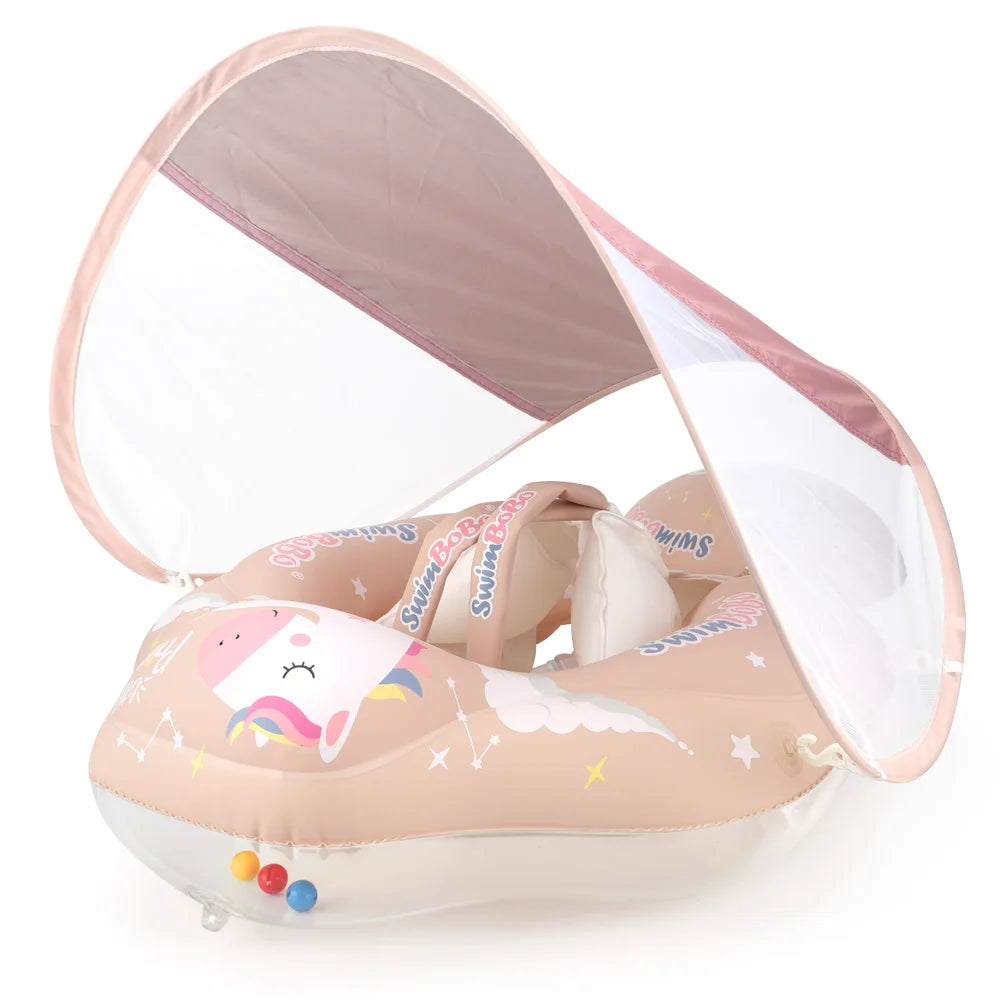
Infant pool safety improves with balanced float design and posture support 💡 See it in action
Which infant swimming gear features matter most?
| Feature | Helps Prevent Tipping? |
|---|---|
| Chest support panel | ✅ Yes |
| Neck-only float | ❌ No |
| Multi-chamber buoyancy | ✅ Yes |
| Loose leg openings | ❌ No |
Parents often assume simpler is safer, but in water, smarter structure usually means better balance.
You can see these features combined in a well-designed option like the baby swimming float with canopy, which supports posture while also adding sun protection.
Real-life moments parents instantly recognize
Picture this: your baby leans forward to splash, and suddenly their head dips faster than you expect. That’s baby tipping in water — not misbehavior, just physics.
Parents who switch to posture-supporting infant swimming gear often report:
- Less white-knuckle gripping during pool time
- More relaxed kicking and arm movement
- Longer, calmer water sessions
- Babies smiling instead of startling
These outcomes aren’t about teaching swimming early — they’re about making water feel safe.
Extra infant pool safety tips that work with floats
Even the best float works best when paired with smart habits.
- Always stay within arm’s reach
- Check fit before every use
- Avoid over-inflation
- Limit sessions to prevent fatigue
For more supportive water-time tools, parents often explore Baby Bath Accessories and Health & Safety collections to build a complete routine.
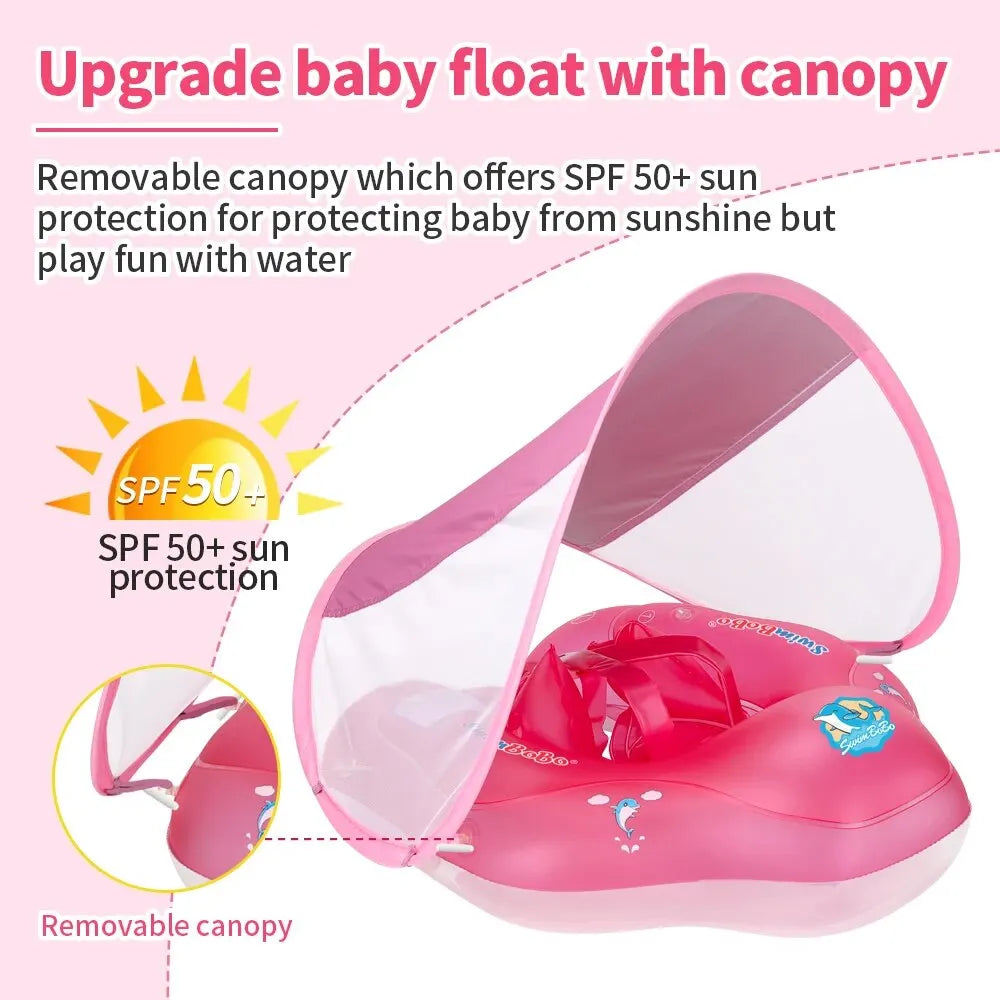
The right infant swimming tips and gear reduce baby tipping in water 💡 See it in action
FAQ: baby tipping in water
Is baby tipping in water normal?
Yes. Baby tipping in water is normal due to body proportions and undeveloped balance. It doesn’t mean your baby is unsafe, but it does mean proper support is essential.
Can floats completely prevent tipping?
Well-designed floats greatly reduce tipping but do not replace supervision. They improve posture and stability, making sudden tilts less likely.
When can babies use infant swimming gear?
Many infants can use supportive swimming gear once they have basic neck control, typically around 3–6 months, depending on the product design.
Related Guide: Infant pool float canopy features that make a real difference





