

Balance Coordination Problems in Toddlers: Finding the Right Ride
Do balance coordination problems affect how toddlers learn to ride?
Balance coordination problems often slow early riding because toddlers struggle to sync posture, steering, and movement. The right ride-on approach can improve balance coordination problems by supporting coordination development and early childhood motor development, helping children gain confidence, stability, and smoother progress in just days.
Balance Coordination Problems in Toddlers: Finding the Right Ride
⏱ 6 min read
Learning to ride frustration toddlers experience is more common than most parents expect. One day your child is excited to ride, the next day they refuse to try. Balance coordination problems often sit at the center of this struggle. The good news is that the right riding setup can gently support coordination development and turn stress into steady progress.
Have you noticed your toddler pushing a bike but freezing when both feet lift? Or wobbling and stepping off after just a few seconds? These moments are not failure. They are signs your child’s early childhood motor development needs the right kind of support.
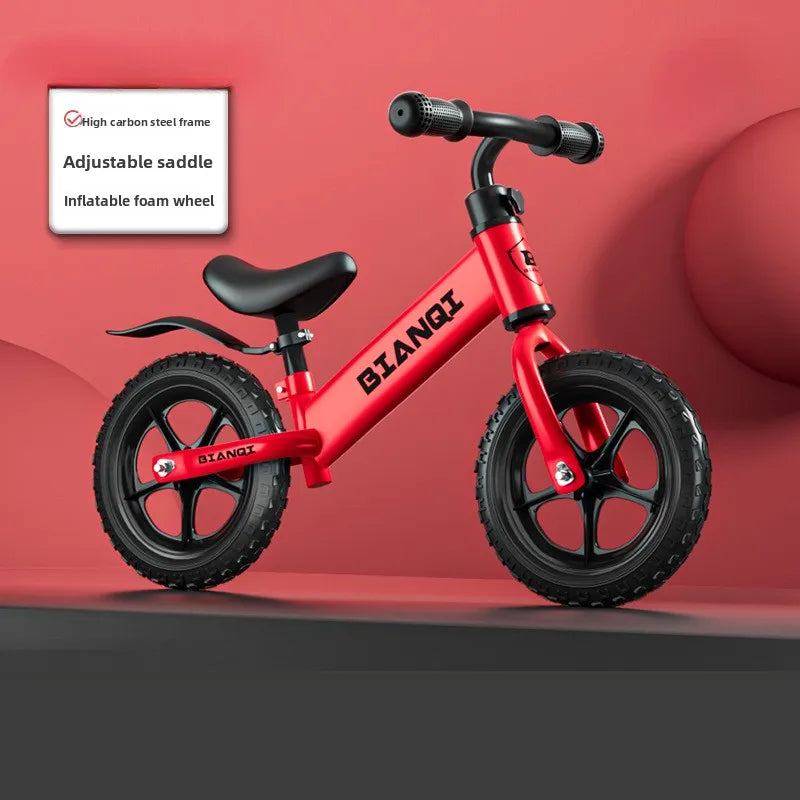
Balance coordination problems and coordination development support in real riding moments 💡 See it in action
What are balance coordination problems?
Balance coordination problems appear when a toddler cannot smoothly control posture, movement, and direction at the same time. These challenges are common during early childhood motor development and usually show up during activities like riding, climbing, or running.
In riding situations, coordination development requires:
- Staying upright while moving forward
- Adjusting weight when turning
- Reacting quickly to loss of balance
- Maintaining focus without panic
When one of these skills lags behind, learning to ride frustration toddlers feel can escalate quickly.
Supporting balance coordination problems early helps children avoid negative associations with movement and builds a stronger foundation for future skills.
Why toddlers struggle with riding
Balance coordination problems rarely come from lack of effort. They usually stem from mismatched equipment, pressure, or developmental timing.
Common struggle triggers include:
- Bikes that are too tall or heavy
- Pedals introduced before balance is ready
- Slippery or uneven riding surfaces
- Adult expectations moving faster than the child
During early childhood motor development, toddlers learn best through gradual challenges. When the challenge is too big, confidence drops before skill can grow.
Many parents find helpful context and developmental guidance inside Baby Growth & Learning resources, especially when unsure whether frustration is normal.
Why the right ride matters for coordination development
The right ride simplifies movement so toddlers can focus on balance first. Instead of multitasking pedals, steering, and speed, children learn one core skill at a time.
This approach aligns with how coordination development naturally unfolds:
- Posture control before propulsion
- Balance before speed
- Confidence before endurance
Parents supporting early mobility often pair riding tools with complementary play items from Mobility & Training to reinforce balance through everyday movement.
How simplified riding reduces meltdowns
Removing pedals reduces cognitive overload. Toddlers feel safer when feet can touch the ground instantly, which lowers fear responses and shortens emotional recovery after slips.
This is why balance-focused riding tools are often recommended for toddlers facing balance coordination problems.
Balance bike ages explained
Balance bike ages typically range from 18 months to 4 years, depending on physical readiness rather than calendar age.
Signs your toddler may be ready include:
- Walking confidently without frequent falls
- Pushing toys while steering
- Climbing onto low furniture independently
- Showing curiosity about riding toys
Children with balance coordination problems may still benefit, but progress should be measured in comfort, not speed.
For families managing safety concerns alongside riding practice, Health & Safety collections often provide helpful protective add-ons.
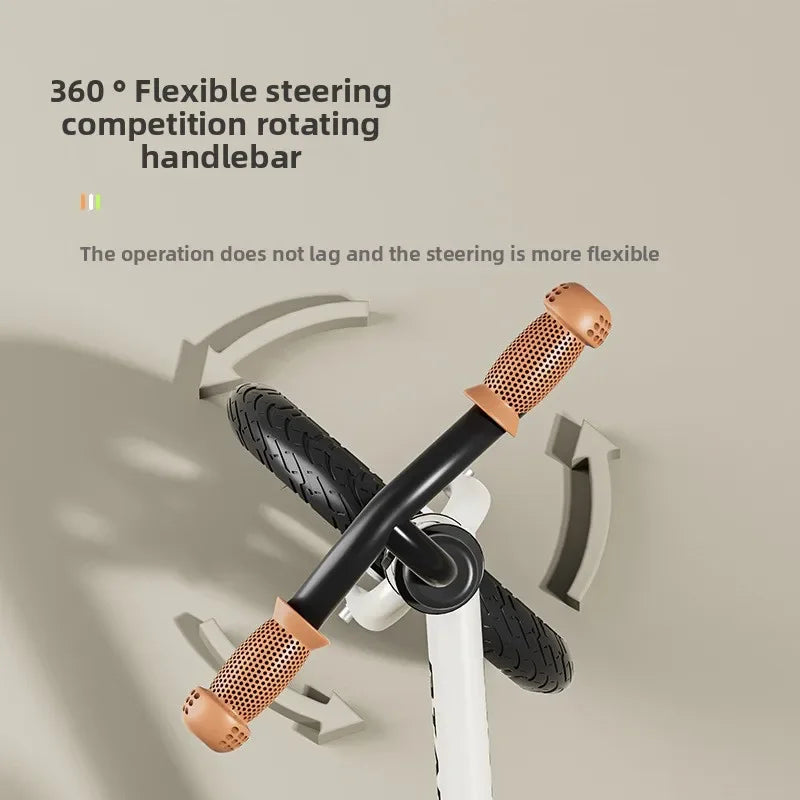
Coordination development in action during balance bike ages 💡 See it in action
Step-by-step balance bike instructions
Balance coordination problems improve fastest when practice feels playful, predictable, and pressure-free.
- Set seat height so both feet rest flat on the ground
- Start on smooth, open surfaces with minimal distractions
- Encourage walking pushes before gliding
- Celebrate short successes, even seconds of balance
- End sessions before fatigue causes frustration
These balance bike instructions help toddlers associate movement with success instead of stress.
Parents often pair riding time with sensory play from Sensory Toys to further reinforce body awareness.
How long should practice last?
Five to ten minutes is often enough. Short sessions respect early childhood motor development limits and reduce learning to ride frustration toddlers experience.
Common mistakes parents make
Even well-meaning support can unintentionally increase balance coordination problems.
- Holding the child upright instead of letting them self-correct
- Comparing progress to siblings or peers
- Extending sessions past the child’s comfort
- Reacting emotionally to falls or stalls
Children learn balance through small, controlled losses of stability. Trusting the process builds resilience.
Parents seeking calmer routines often find helpful insights inside Baby Care Tips & Advice.
Confidence building through movement
Confidence grows when toddlers feel capable. Balance-focused riding allows children to control speed, stop safely, and try again without fear.
Real parent feedback often highlights:
- Fewer meltdowns after switching riding styles
- Improved posture within days
- Longer independent play sessions
- Increased willingness to try new physical challenges
This confidence often carries into other areas of coordination development like climbing, jumping, and running.
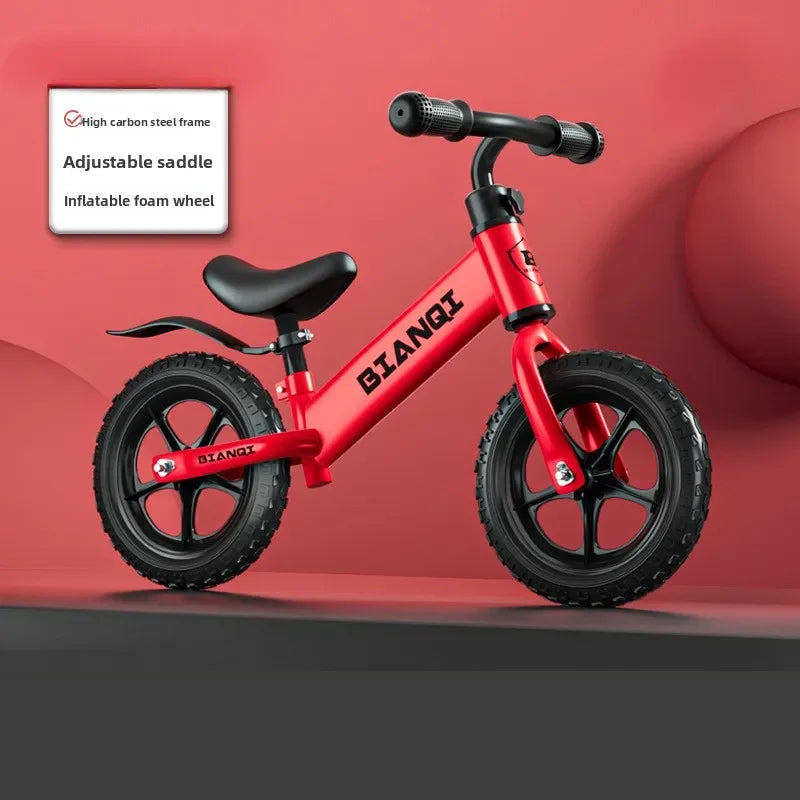
Supporting balance coordination problems with steady progress 💡 See it in action
Explore a riding solution designed to match your child’s needs: Baby Balance Bike Learning Toddler
Mini FAQ
Are balance coordination problems a long-term concern?
Most balance coordination problems are temporary and improve with age-appropriate movement experiences. Supportive riding tools help reinforce coordination development during sensitive growth periods.
What if my toddler refuses to ride?
Refusal often signals fear or fatigue. Shorter sessions, lower expectations, and playful encouragement usually rebuild interest within days.
Do balance bikes replace training wheels?
Balance-focused riding often removes the need for training wheels by teaching core stability first, making later pedal transitions smoother.
When should we stop using a balance bike?
Most children naturally transition once they can glide confidently and show interest in pedaling, typically within recommended balance bike ages.





