

Balance Training for Young Kids at Home Without Pressure
Does balance training for young kids really work at home?
Balance training for young kids works best at home when it feels like play, not practice. Simple daily movements support stability, posture, and confidence while strengthening muscles tied to gross motor development in early childhood. Short, pressure-free activities improve coordination development naturally, without drills or frustration.
Balance Training for Young Kids at Home Without Pressure
⏱ 6 min read
If your child trips easily, avoids climbing, or gets frustrated with movement, you’re not alone. Many parents worry they’re not doing “enough” to support physical skills. The good news? Balance training for young kids doesn’t require lessons, correction, or pressure. With the right approach, everyday play can quietly build strength, confidence, and coordination—right at home.
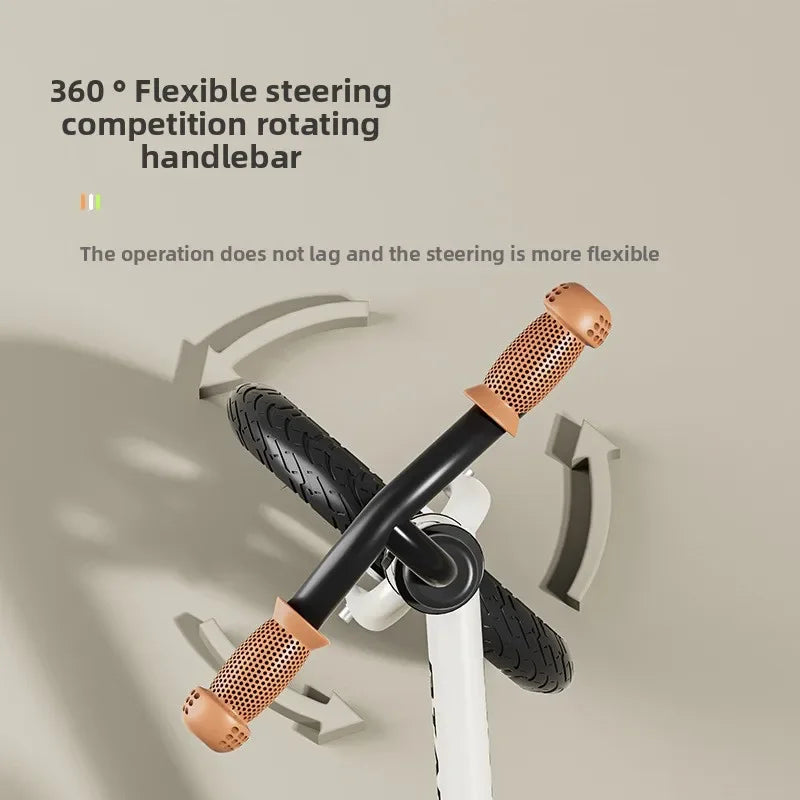
Balance training for young kids through playful movement at home 💡 See it in action
Curious which activities help without pushing too hard? Keep reading to see how small changes can make movement easier and more joyful.
👉 Explore gentle movement tools designed for growing bodies: Mobility & Training
Why Balance Matters in Early Childhood
Balance is the foundation of nearly every movement your child makes. From standing up to running, balance supports control, confidence, and safety. Strong balance skills are closely tied to gross motor development in early childhood and influence how kids explore their environment.
- Helps children move with less effort
- Supports posture and body awareness
- Reduces falls during active play
- Builds confidence in new movements
When balance improves, children often become more willing to try climbing, jumping, and riding—key activities for gross motor skill development.
A Pressure-Free Way to Build Balance
Balance training for young kids works best when it feels optional and fun. Instead of correcting posture or counting seconds, focus on playful exploration. Children learn through repetition they choose themselves, not through instruction they’re forced to follow.
- Let your child lead the activity
- Keep sessions short and flexible
- Celebrate effort, not performance
- Stop before frustration starts
This approach supports coordination development without turning movement into a task.
Simple Balance Activities You Can Do at Home
Balance training for young kids can happen anywhere—living room, hallway, or backyard. These activities require little space and no pressure.
1. Follow-the-Line Walking
Use tape or a rug edge and invite your child to walk along it. Arms out, slow steps, no rules. This strengthens stability and focus.
2. Cushion Stepping Stones
Place pillows on the floor and let your child step or hop between them. Soft surfaces challenge balance safely.
3. Freeze-and-Go Dancing
Play music and pause it randomly. Holding still builds body control and awareness.
4. Push-and-Glide Riding
Ride-on toys that let kids push with their feet naturally train balance and coordination.
👉 Want movement toys that encourage balance naturally? Browse Sensory Toys
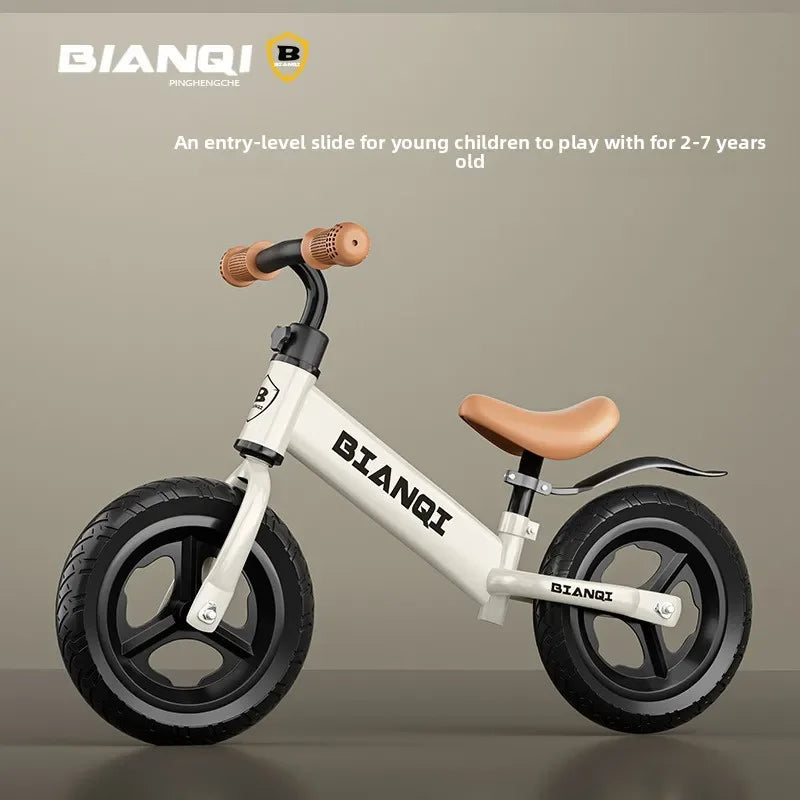
Activities for gross motor skill development that feel like play 💡 See it in action
Using Simple Tools to Support Movement
While free play is powerful, certain tools make balance practice feel easier and safer. One popular option is a toddler balance bike, which allows children to control speed, direction, and stopping with their own bodies.
Parents often notice improvements within weeks:
- Better posture while moving
- More confidence on uneven ground
- Smoother coordination between arms and legs
Try a gentle ride-on designed for beginners: Baby Balance Bike for Toddlers
Many caregivers pair movement tools with learning-focused play from Baby Growth & Learning collections to support development holistically.
How to Fit Balance Play Into Daily Routines
Consistency matters more than duration. Just a few minutes a day can support coordination development over time.
| Routine Moment | Easy Balance Idea |
|---|---|
| Morning | Stretch and stand on one foot while brushing teeth |
| Afternoon | Short ride-on or cushion walk |
| Evening | Slow dancing or yoga poses |
These small moments reduce pressure and fit naturally into busy days.
👉 Learn how to create safer play spaces at home: Health & Safety
Common Mistakes to Avoid
- Correcting every movement
- Comparing progress to other children
- Extending play past your child’s interest
- Turning balance into a “test”
Balance training for young kids should feel supportive, not evaluative.
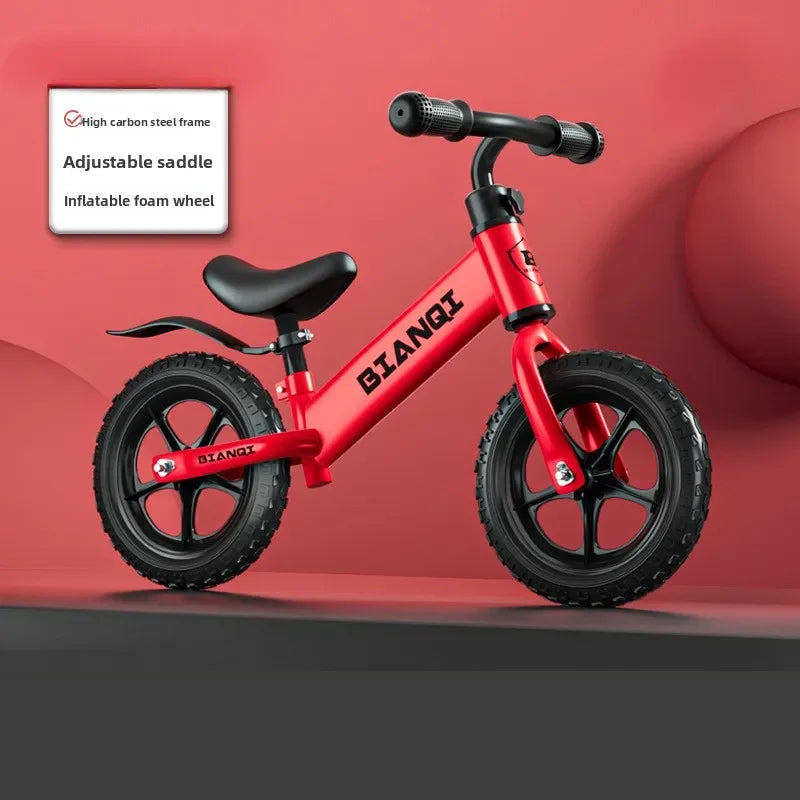
Coordination development grows with confidence and comfort 💡 See it in action
👉 Ready to support confident movement today? Discover tools that make balance feel natural with the Baby Balance Bike for Toddlers.
Mini FAQ
At what age should balance training start?
Many children begin exploring balance as soon as they can walk. Gentle, play-based balance activities are suitable for toddlers and preschoolers.
How long should balance play last?
Five to ten minutes is often enough. Ending early keeps the experience positive and stress-free.
Is equipment necessary?
No, but simple tools like ride-on toys or soft stepping surfaces can make balance practice more engaging and effective.
How do I know it’s working?
Look for smoother movement, fewer falls, and more willingness to try new physical activities.
Related Guide: How Toddlers Learn Bike Balance: Step-by-Step Guide





