

Montessori Dollhouse vs Traditional Dollhouse: Which Fits Your Child?
Benefits of Dollhouse Play vs Other Pretend Play Toys
The benefits of dollhouse play extend beyond decoration and storytelling. A well-designed dollhouse creates a familiar environment where children can explore relationships, daily routines, emotions, and problem-solving through hands-on pretend play. Unlike many toys that encourage short bursts of activity, dollhouses support slower, open-ended experiences that can grow with a child’s imagination.
⏱ 6 min read
A child returning to the same dollhouse scene repeatedly is often practicing important skills through play. Recreating family routines, arranging spaces, and creating conversations helps children process experiences while developing creativity, communication, and independence.
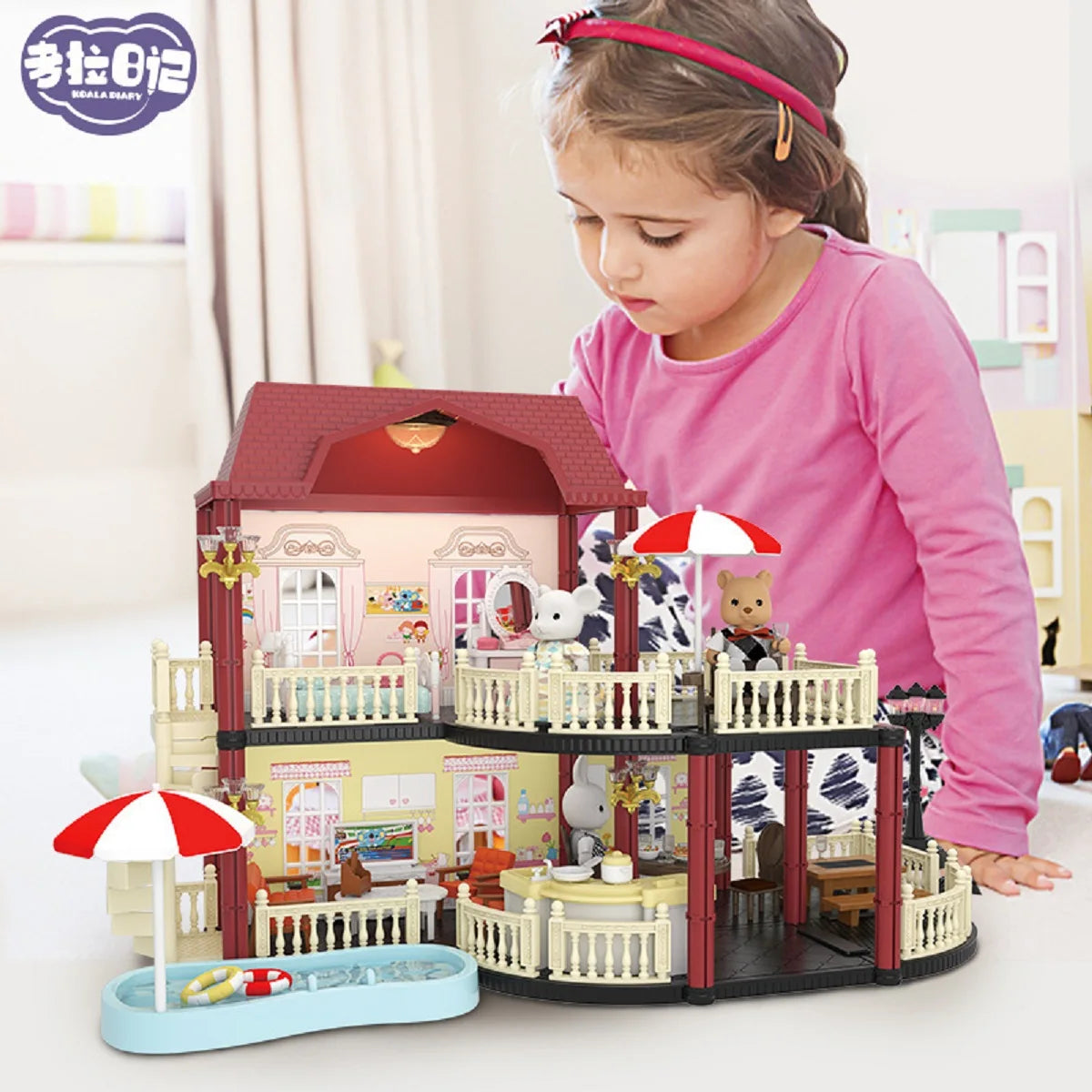
Benefits of dollhouse play shown through imaginative scenes — See it in action
Developmental Benefits Compared by Skill Area
Dollhouse play supports multiple areas of child development by combining imagination with hands-on problem-solving. Instead of focusing on one type of interaction, children use dollhouses to create stories, organize spaces, communicate ideas, and explore emotions through pretend play.
Fine Motor Skills
Moving small furniture pieces, arranging rooms, positioning figures, and creating scenes helps strengthen hand coordination and precision. These actions encourage children to practice controlled movements while naturally engaging with the play environment.
Language and Communication
Dollhouses create opportunities for children to build conversations, describe events, and develop longer narratives. As children assign roles and create dialogue between characters, they practice vocabulary, storytelling, and communication skills through Baby Growth & Learning activities.
Social-Emotional Development
Through dollhouse scenarios, children can explore feelings, relationships, and everyday experiences in a comfortable setting. Pretending to care for family members, solve conflicts, or recreate familiar routines helps children understand different perspectives and emotional responses.
Creativity and Independence
Open-ended dollhouse play allows children to decide how stories unfold without a single correct outcome. Whether creating realistic family scenes or imaginative adventures, children practice decision-making, planning, and independent thinking.
Montessori Dollhouse vs Traditional Dollhouse: Quick Comparison
| Feature | Montessori Dollhouse | Traditional Dollhouse |
|---|---|---|
| Learning approach | Encourages independence, real-life exploration, and child-led discovery | Encourages storytelling, themed play, and imaginative scenarios |
| Design style | Usually simple, realistic, and focused on everyday environments | Often includes decorative details, fantasy themes, and character features |
| Materials | Commonly uses natural materials and minimal finishes | Available in wood, plastic, and mixed materials with varied designs |
| Best suited for | Children who enjoy realistic routines and open-ended exploration | Children who enjoy creative stories, characters, and themed adventures |
Choosing between a Montessori dollhouse and a traditional dollhouse depends less on which style is universally better and more on how your child prefers to play. Both options can support imagination, communication, and developmental growth when they match the child’s interests and age.
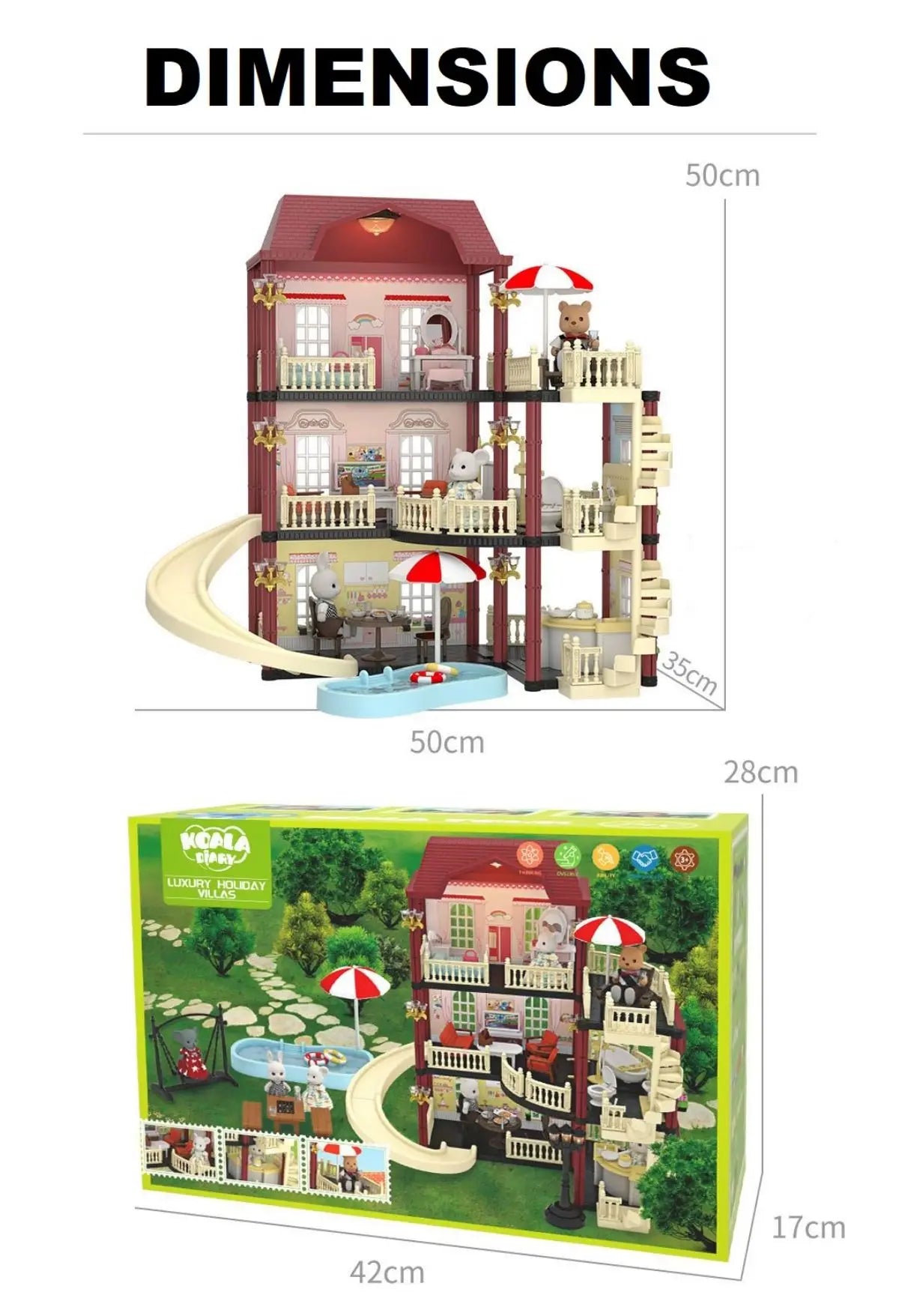
Comparing pretend play styles highlights the benefits of dollhouse play — See it in action
How to Choose Between a Montessori Dollhouse and a Traditional Dollhouse
Choosing the best dollhouse for imaginative play depends on your child’s personality, interests, available space, and how your family prefers to use pretend play toys. A Montessori dollhouse and a traditional dollhouse can both encourage creativity, but they support different styles of learning and storytelling.
Buying Priorities
Start by considering how your child naturally plays. Children who enjoy realistic routines, organizing objects, and repeating familiar activities may prefer a Montessori dollhouse with simple layouts and open-ended features. Children who love characters, themed environments, and fantasy stories may connect more strongly with a traditional dollhouse.
Look for features that encourage active participation rather than passive entertainment, including movable furniture, accessible spaces, durable construction, and designs that allow children to create their own stories.
Budget and Long-Term Value
The right dollhouse is an investment in extended play rather than a short-term activity. Higher-quality materials, sturdy construction, and adaptable designs can help a dollhouse remain useful as children develop new interests and more complex storytelling skills.
Families comparing options may also explore guides related to Sensory Toys and other open-ended play products to create a balanced play environment.
Matching the Dollhouse to Your Child's Interests
A child who enjoys caring for figures, arranging realistic spaces, and copying everyday activities may benefit from a Montessori-inspired setup. A child who prefers princess stories, family adventures, or imaginative worlds may enjoy a traditional design with more decorative details.
For families interested in themed designs, this miniature dollhouse princess castle offers flexible rooms that support creative storytelling and evolving pretend play.
Which Children Benefit Most From Each Style?
Toddlers and Preschoolers
Younger children often benefit from dollhouses that are easy to access, simple to understand, and sized for hands-on exploration. Realistic layouts can help toddlers practice familiar routines, while colorful traditional designs can encourage curiosity and early storytelling.
School-Age Children
Older children often use dollhouses for more complex narratives involving multiple characters, relationships, and problem-solving. Traditional dollhouses with themed rooms can inspire longer stories, while Montessori dollhouses can support independent exploration and realistic role-play.
Different Personalities and Learning Styles
There is no single best dollhouse for every child. Quiet observers may enjoy arranging scenes and creating detailed stories, while social children may use dollhouses as a shared activity with siblings or friends. Matching the play style to the child’s interests helps create more meaningful engagement.
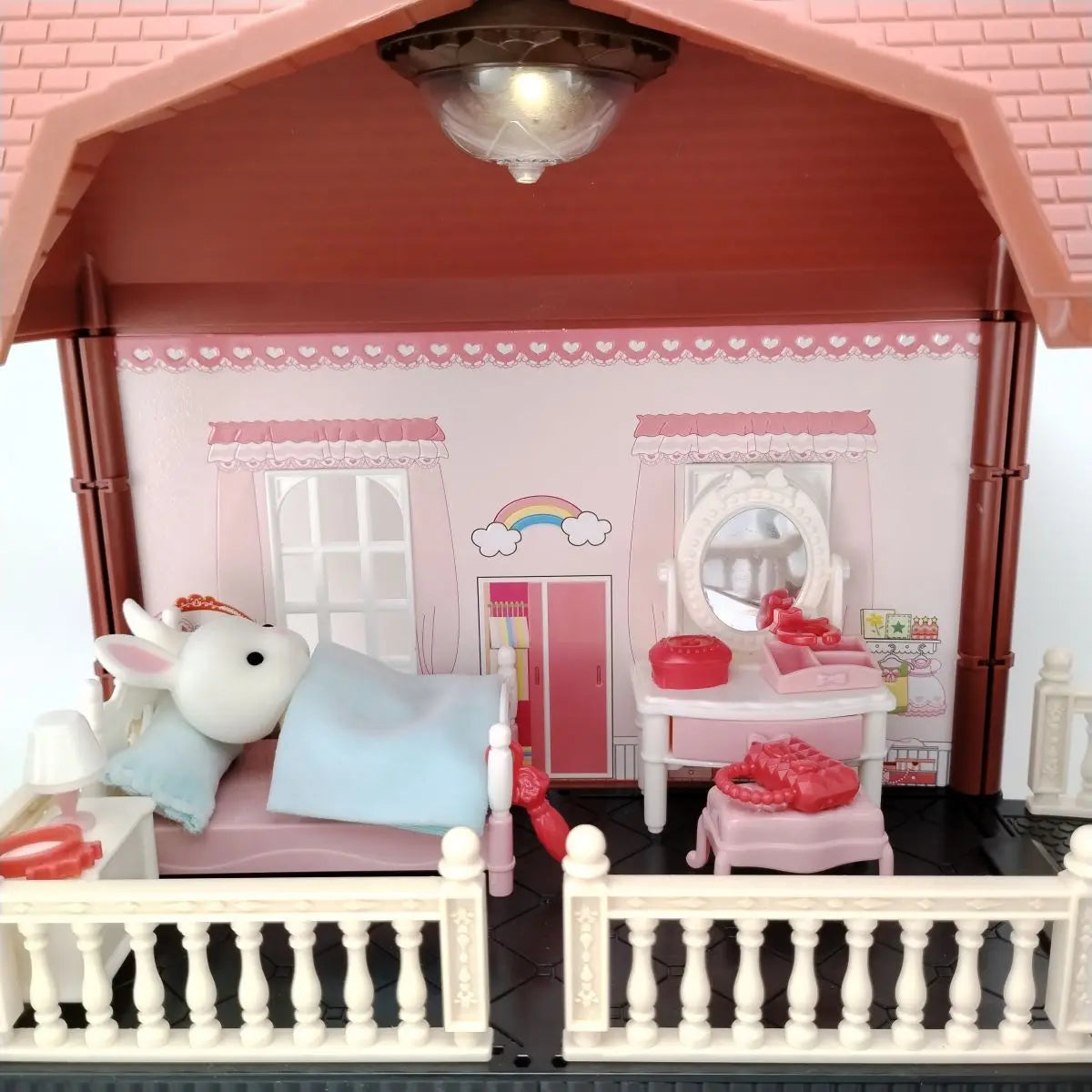
Real-life scenes show benefits of dollhouse play through creative storytelling — See it in action
Safety, Materials, and Quality Considerations
Material choices and construction quality play an important role when selecting a Montessori dollhouse or traditional dollhouse. A well-made design should support safe, repeated play while remaining durable enough for everyday use.
Wood vs Plastic
Wooden dollhouses are often chosen for their natural feel, sturdy construction, and long-term durability. They can provide a warm, tactile experience that fits well with Montessori-inspired play environments. Plastic dollhouses can also offer advantages, including lighter weight, colorful designs, and easy cleaning, depending on the product quality and materials used.
The safest choice depends on more than the material alone. Parents should consider construction quality, age suitability, and whether the dollhouse is designed for regular hands-on play.
Non-Toxic Finishes
For children’s play products, finishes and coatings matter as much as the base material. Look for dollhouses made with child-safe paints, smooth surfaces, and finishes designed to reduce exposure to unwanted chemicals. Non-toxic finishes help create a safer environment while maintaining the appearance and durability of the toy.
Durability and Maintenance
A quality dollhouse should withstand repeated rearranging, handling, and imaginative play. Check for secure joints, stable structures, and furniture pieces that can handle frequent use. Regular cleaning and simple inspections can help extend the life of the dollhouse and keep play areas safer.
Parent Scenarios: Which Dollhouse Makes More Sense?
Minimalist Homes
Families with limited space may prefer a compact Montessori dollhouse or a simple traditional design that offers meaningful play without taking over the room. A versatile dollhouse with fewer fixed features can adapt to different activities and storage needs.
Multiple Siblings
For siblings sharing play spaces, durability and flexibility become especially important. Larger traditional dollhouses can support collaborative storytelling, while open-ended Montessori styles may encourage children to create their own roles and routines together.
Children Who Love Fantasy
Children who enjoy imaginative worlds, themed characters, and creative adventures may connect strongly with traditional dollhouses. Decorative features and unique designs can inspire storytelling that goes beyond everyday scenarios.
Montessori-Inspired Families
Families focused on child-led learning may prefer a Montessori dollhouse that encourages independence, realistic exploration, and practical life connections. The goal is not to limit imagination but to give children space to develop ideas through their own choices.
Expert Perspective on Dollhouse Play
Why Pretend Play Matters
Pretend play toys give children opportunities to practice communication, decision-making, and social understanding. Dollhouses are especially valuable because they combine storytelling with hands-on interaction, allowing children to explore real-life situations at their own pace.
The benefits of dollhouse play are not limited to one specific style. Both Montessori pretend play and traditional pretend play can support creativity when children have freedom to create stories, experiment with ideas, and engage actively with the toy.
Common Misconceptions
A common misconception is that a structured dollhouse reduces creativity. In reality, a familiar setting often gives children a foundation for more complex storytelling. Another misconception is that Montessori and traditional dollhouses cannot provide similar developmental benefits. While their approaches differ, both can encourage imagination, independence, and meaningful play.
Frequently Asked Questions
How is a Montessori dollhouse different from a traditional dollhouse?
A Montessori dollhouse typically focuses on realistic environments, simple designs, and child-led exploration. A traditional dollhouse often emphasizes themed settings, decorative details, and character-based storytelling. Both can support imaginative play in different ways.
Is a Montessori dollhouse better for imaginative play?
Not necessarily. A Montessori dollhouse encourages open-ended exploration, while a traditional dollhouse may inspire fantasy stories and creative scenarios. The best choice depends on the child’s interests and preferred play style.
At what age should children start playing with a dollhouse?
Many children begin enjoying dollhouse play around the preschool years, often between ages 3 and 7. However, older children can continue using dollhouses for more detailed storytelling and creative activities.
Are wooden Montessori dollhouses safer than plastic dollhouses?
Safety depends on construction, materials, finishes, and quality standards rather than wood or plastic alone. A well-made dollhouse with child-safe materials can provide a safe play experience in either category.
Can a traditional dollhouse still support Montessori play?
Yes. Parents can encourage Montessori-style play with many traditional dollhouses by allowing children to lead the activity, use realistic routines, and make their own decisions during play.
Which dollhouse is better for siblings?
The best option depends on the children’s ages, personalities, and shared interests. Larger designs with flexible layouts often work well for collaborative play, while simpler designs may encourage independent exploration.
Related Guide: Best Toys for Role Play Compared for Calm Indoor Play





