

Benefits of Pretend Play That Build Real Skills Through Dollhouses
Does pretend play really build real-life skills?
Benefits of pretend play show up in how children think, speak, and connect with others every day. Through role-based storytelling, problem-solving, and emotional expression, pretend play strengthens language, confidence, and social understanding. With the right environment and tools, playful moments become meaningful learning experiences that support long-term development.
Benefits of Pretend Play That Build Real Skills Through Dollhouses
Benefits of pretend play go far beyond fun, quietly shaping how young minds think, communicate, and solve problems. Through imaginative play activities for preschoolers, children explore real-life roles, emotions, and routines in a safe, creative way. When paired with cognitive social skill toys and miniature dollhouse furniture sets, pretend scenarios become powerful tools for language growth, empathy, and independent thinking.
⏱ 8 min read
Have you ever watched your child talk to dolls, assign roles, or recreate daily routines—and wondered what they’re really learning in those moments? Many parents worry about screen time, early academics, or whether play is “productive enough.” The truth may surprise you.
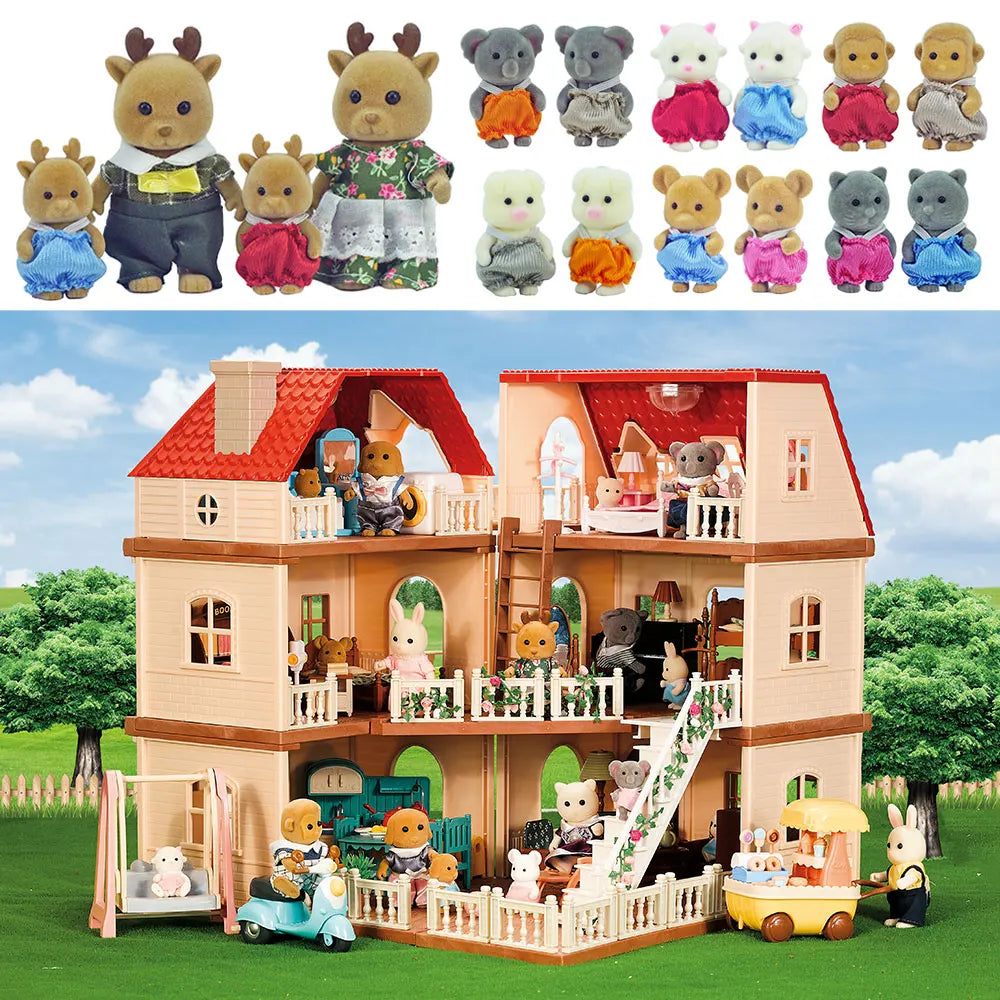
Imaginative play activities for preschoolers begin with familiar spaces — 💡 See it in action
What are the benefits of pretend play?
Benefits of pretend play include stronger language skills, better emotional control, improved social awareness, and creative problem-solving. By acting out real-life scenarios, children practice communication, empathy, and decision-making in low-pressure environments. These skills transfer naturally into school readiness and everyday interactions.
- Encourages expressive language and storytelling
- Builds empathy through role reversal
- Improves focus and independent thinking
- Supports emotional regulation and confidence
How Dollhouses Turn Play Into Real Learning
Dollhouses offer a structured yet flexible setting where children can safely explore routines like meals, bedtime, caregiving, and cooperation. Unlike open-ended toys with no context, dollhouses mirror the real world in child-sized ways, helping kids connect imagination with lived experience.
When paired with detailed, realistic pieces like the Forest Family Dollhouse Furniture Set, children naturally engage longer and create more meaningful stories.
Language and Communication Growth
Pretend dialogue stretches vocabulary and sentence structure. Children narrate actions, assign roles, and respond to imagined conversations—often out loud. This kind of self-directed storytelling strengthens early literacy without pressure.
Parents often notice that kids who play daily with dollhouses begin using more descriptive words and clearer emotional language.
Building Social and Emotional Understanding
Through pretend family scenes or shared play with siblings, children experiment with cooperation, conflict, and caregiving. These moments build empathy—especially when children switch roles between parent, child, or helper.
This makes dollhouses especially valuable among Sensory Toys that support emotional awareness and calm engagement.
Problem Solving and Independent Thinking
What happens when the doll can’t reach the table? Or two characters want the same room? These small challenges spark planning, compromise, and creativity. Children learn to test ideas and adapt outcomes—key early executive skills.
Why Miniature Dollhouse Furniture Makes a Difference
Miniature dollhouse furniture sets provide visual cues that guide richer storytelling. Beds suggest bedtime routines. Kitchens inspire food preparation scenes. The more realistic the setup, the deeper the engagement.
Compared to generic blocks, miniature furniture supports longer attention spans and more structured imaginative play activities for preschoolers.
| Play Option | Engagement Level | Skill Development |
|---|---|---|
| Dollhouse with furniture | High | Language, empathy, routines |
| Open blocks | Medium | Spatial awareness |
| Screens | Low interaction | Passive consumption |
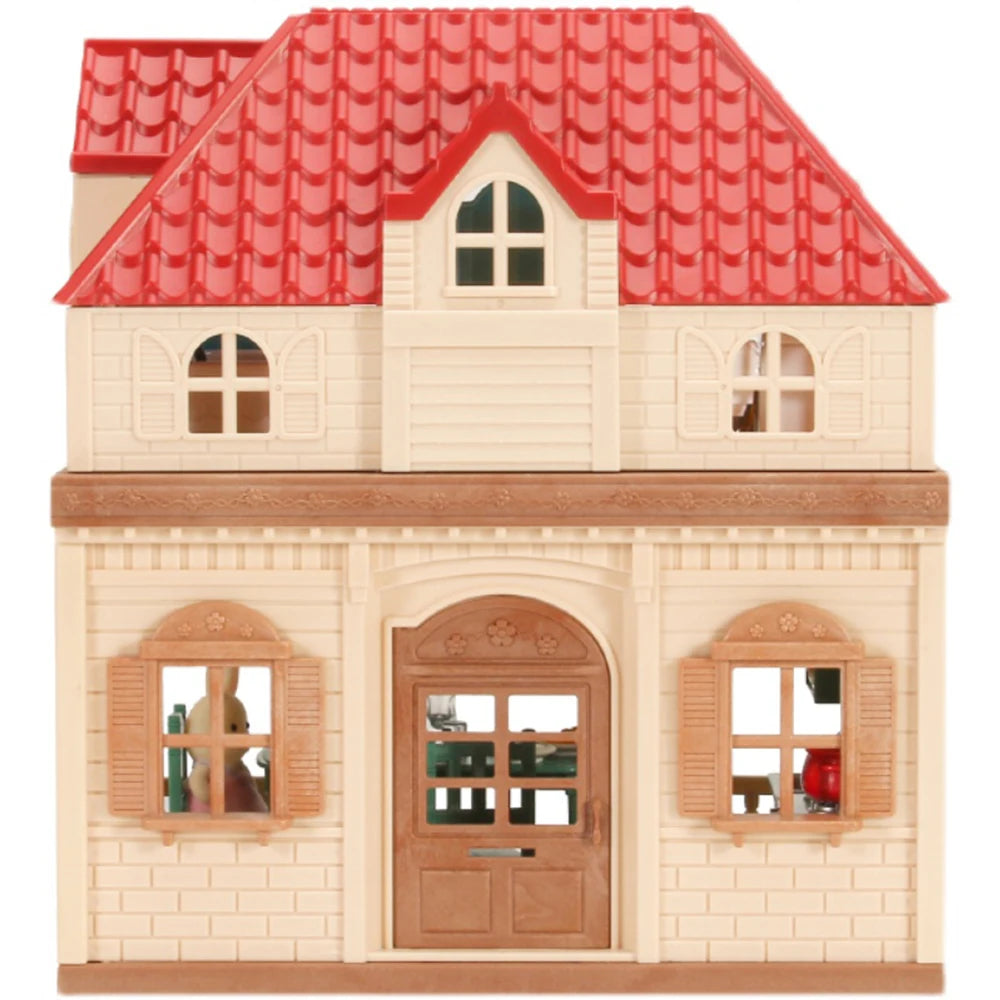
Cognitive social skill toys encourage longer focus — 💡 See it in action
Dollhouse Play vs Screen-Based Play
While educational apps promise learning, they rarely allow children to actively shape outcomes. Dollhouse play requires constant decision-making, language use, and emotional reasoning.
- Active creation instead of passive watching
- Hands-on interaction builds memory retention
- No overstimulation or fast pacing
Many families pair dollhouse time with calming routines supported by Sleep & Comfort items to create predictable, balanced days.
What Parents Are Noticing After Consistent Pretend Play
Parents report improvements in cooperation, longer independent play sessions, and more expressive communication within weeks of introducing structured pretend environments.
“My 4-year-old started talking through feelings instead of melting down. Her dollhouse became her way to process the day.” — Amanda, CA
“We saw fewer power struggles and more creative problem-solving during playtime.” — James, TX
How to Choose a Dollhouse That Grows With Your Child
Look for durable materials, open layouts, and furniture that reflects everyday life. Sets that allow rearranging encourage creativity over time.
- Neutral designs for open-ended storytelling
- Sturdy pieces sized for small hands
- Expandable layouts for growing imaginations
The Forest Family Dollhouse Furniture Set supports long-term engagement without overwhelming younger children.
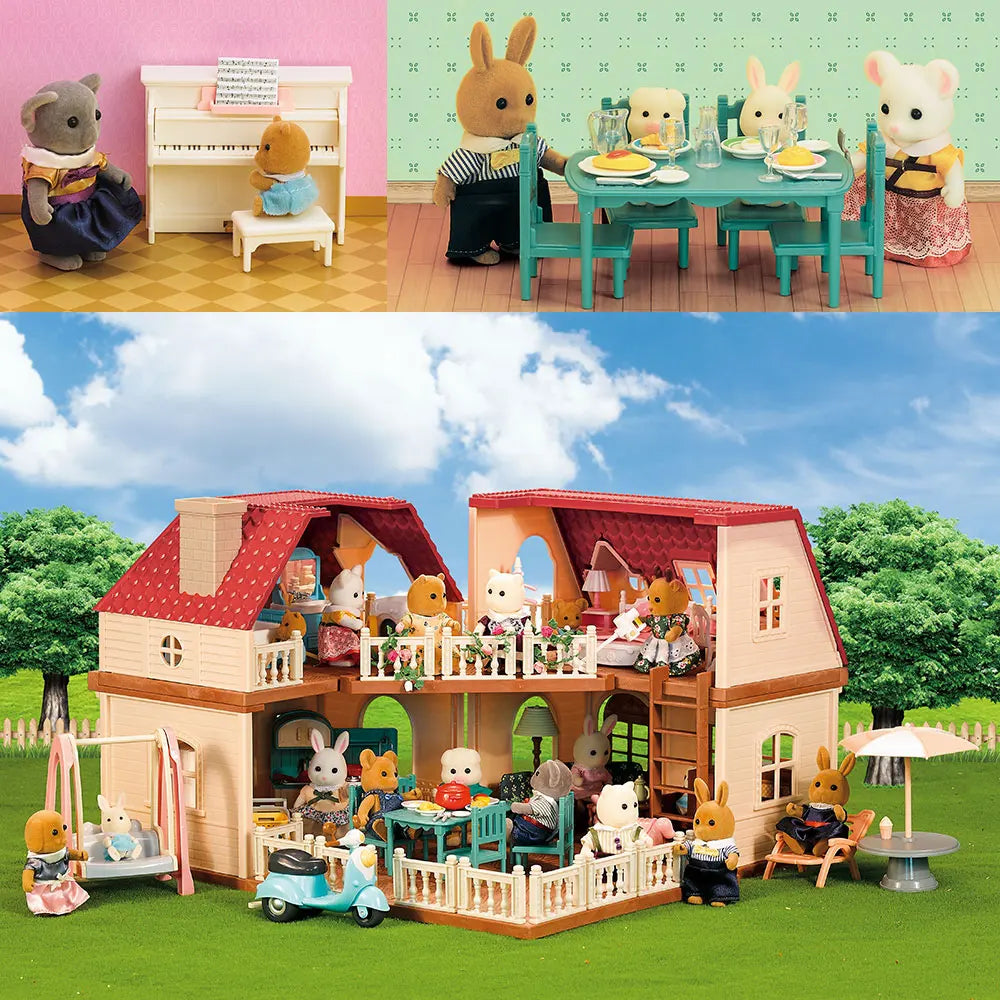
Miniature dollhouse furniture sets bring stories to life — 💡 See it in action
Frequently Asked Questions
At what age do benefits of pretend play begin?
Most children begin engaging in simple pretend play around age 2, with deeper storytelling and role-play developing between ages 3–5.
How long should children engage in pretend play daily?
Even 20–30 minutes of focused imaginative play can support language and emotional development when play is child-led and uninterrupted.
Are dollhouses better than digital games?
Dollhouses encourage active thinking, creativity, and social interaction, while many digital games rely on passive responses and fixed outcomes.





