

How to Motivate Kids to Read: Simple Daily Strategies
Do the best accessories to motivate kids reading really work?
The best accessories to motivate kids reading support healthy reading habits by making books more inviting, comfortable, and rewarding. While accessories alone cannot create lifelong readers, research and educator experience suggest that combining engaging tools with consistent routines, child choice, and family encouragement can significantly improve reading motivation for children and help many kids spend more time enjoying books.
How to Motivate Kids to Read: Strategies That Build Lifelong Reading Habits
If you're searching for the best accessories to motivate kids reading, it's important to remember that successful reading habits are built through more than products alone. Children are more likely to enjoy reading when they have access to books that match their interests, a comfortable environment, supportive adults, and simple tools that make reading feel fun rather than forced. By combining practical accessories with evidence-based reading strategies, parents can help children build confidence, curiosity, and a lasting love of books.
⏱ 7 min read
Why Kids Lose Interest in Reading (And How Small Changes Fix It)
Many children who once enjoyed story time gradually become less interested in reading. This change is common and usually reflects shifts in attention, confidence, interests, or daily routines—not a lack of ability. Understanding these barriers is the first step toward learning how to get kids interested in reading again.
Common Reasons Children Avoid Reading
Several factors can reduce reading motivation for children, especially as they grow older and have more entertainment choices.
- Screen competition: Fast-paced digital entertainment often provides instant rewards that books cannot immediately match.
- Books that don't match interests: Children lose enthusiasm when reading materials feel too difficult, too easy, or unrelated to their hobbies.
- Low reading confidence: Struggling with unfamiliar words or reading aloud can make children avoid books altogether.
- Inconsistent routines: Without regular reading time, books become an occasional task instead of a familiar daily habit.
- Uncomfortable reading spaces: Noise, distractions, or poor lighting can shorten reading sessions.
Signs Your Child Is Losing Motivation
Parents may notice early warning signs before reading habits disappear completely. Watch for behaviors such as:
- Choosing screens over books every day.
- Frequently stopping after only a few minutes of reading.
- Avoiding books that were previously enjoyable.
- Showing frustration when asked to read independently.
- Saying that reading is "boring" or "too hard."
The good news is that these challenges are often temporary. Small changes—such as offering age-appropriate books, creating a welcoming reading environment, and introducing engaging reading accessories—can help children rebuild confidence and view reading as an enjoyable part of everyday life rather than a chore.

Fun ways to encourage kids reading daily begin with a welcoming environment and engaging reading tools.
Tools to Help Kids Enjoy Reading
The right reading accessories create a supportive environment rather than replacing good reading habits. When paired with regular reading time, interesting books, and positive encouragement, these tools can help children stay engaged, improve focus, and make reading feel like an enjoyable daily activity.
Reading Trackers
Visual progress trackers help children see how their efforts add up over time. Whether it's a printable reading log, sticker chart, or simple calendar, tracking progress gives kids a sense of achievement without making reading feel like a competition.
Reading trackers can help children:
- Build consistent daily routines.
- Celebrate completed books and reading milestones.
- Develop confidence through visible progress.
- Stay motivated during longer reading goals.
Bookmarks and Reading Lights
Simple accessories often make the biggest difference because they remove small barriers to reading. A favorite bookmark helps children easily return to their place, while a comfortable reading light makes it easier to enjoy books during quiet evening reading sessions.
For example, the 3D Animal Bookmarks add a playful visual element that many young readers enjoy. Personalized bookmarks can also create excitement around starting the next chapter and encourage children to care for their books.
Benefits include:
- Helping children quickly find where they stopped reading.
- Adding a fun, personal connection to books.
- Encouraging independent reading routines.
- Making reading sessions feel more engaging.
Comfortable Reading Spaces
A welcoming reading environment helps children stay focused for longer periods. Even a small corner with comfortable seating, good lighting, and easy access to books can encourage more frequent reading.
Explore calming products in Sleep & Comfort if you're creating a cozy reading space at home.
Helpful features include:
- Comfortable seating that supports longer reading sessions.
- Minimal distractions from televisions and electronic devices.
- Easy-to-reach bookshelves or baskets.
- Warm lighting that reduces eye strain.
Library and Digital Resources
Physical books remain important, but libraries and age-appropriate digital reading platforms can introduce children to a much wider range of stories. Rotating books regularly keeps reading fresh and allows children to explore new interests without purchasing every title.
Children who benefit from sensory input may also enjoy carefully selected items from Sensory Toys , particularly during independent reading breaks. These tools are most effective when used to support concentration rather than distract from reading.
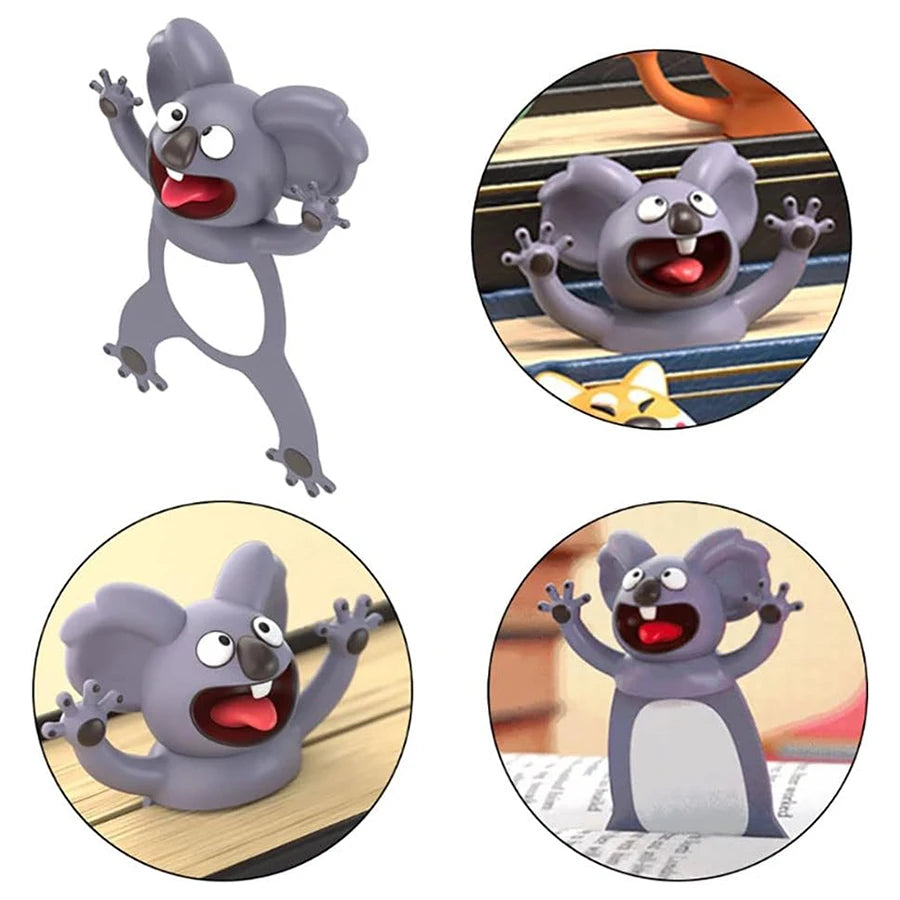
Supportive reading tools and a comfortable environment can help children build enjoyable daily reading routines.
How to Build Reading Habits That Last
Reading success comes from consistency rather than long study sessions. A predictable routine, achievable goals, and positive encouragement help children develop reading habits that continue long after the novelty of new accessories wears off.
Sample Weekly Reading Routine
- Choose a consistent reading time each day, such as before bed or after homework.
- Create a comfortable reading space with minimal distractions.
- Let your child select the book and any reading accessories they would like to use.
- Read together when possible, especially with younger children or reluctant readers.
- Record completed reading sessions in a reading tracker or journal.
- Visit the library or rotate books once a week to keep reading choices fresh.
Setting Achievable Reading Goals
Children are more likely to stay motivated when goals feel realistic and progress is easy to recognize. Focus on building the habit first rather than finishing a certain number of books.
- Start with 10–20 minutes of reading each day.
- Set goals based on consistency instead of speed.
- Celebrate milestones such as completing a chapter or reading every day for a week.
- Gradually increase reading time as confidence grows.
- Allow flexibility if your child has a particularly busy or challenging day.
Small daily routines often have a greater long-term impact than occasional extended reading sessions. Consistency, positive reinforcement, and access to engaging books work together to help children develop lasting reading habits.
Ready to Transform Your Child’s Reading Habit?
Helping children become enthusiastic readers is rarely about finding a single perfect accessory. Lasting reading motivation develops when families combine engaging books, supportive routines, comfortable reading spaces, and positive encouragement. Small, consistent changes often lead to meaningful improvements over time.
If your child enjoys playful reading accessories, the 3D Animal Bookmarks can be a simple addition to an existing reading routine, helping children remember their place and making each reading session a little more enjoyable.
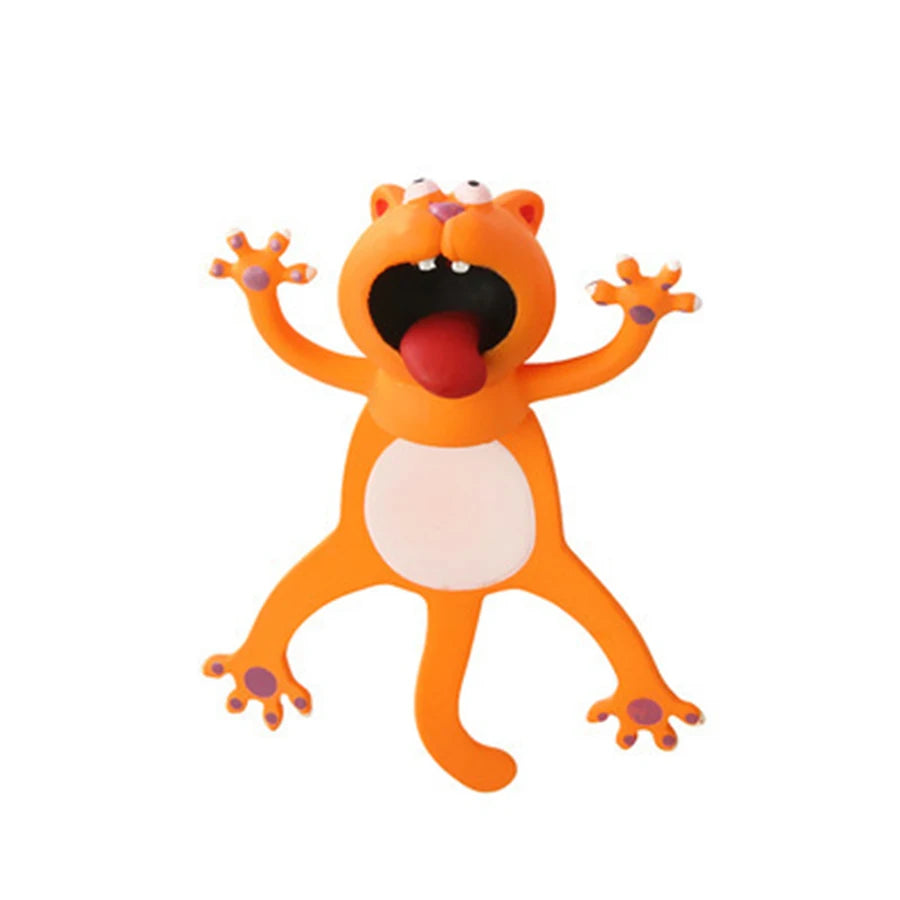
Simple reading tools can support consistent habits when combined with encouraging routines and books children genuinely enjoy.
FAQs
1. How do I motivate a child who says reading is boring?
Start by letting your child choose books that match their interests instead of assigning titles. Reading together, creating a comfortable reading space, and using engaging accessories can also make reading feel more enjoyable and less like homework.
2. How long should children read each day?
Many educators recommend aiming for about 10 to 20 minutes of daily reading, adjusting the time according to your child's age, reading level, and attention span. Consistency is usually more beneficial than occasional long sessions.
3. Should I reward my child for reading?
Small rewards can help establish new habits, but they work best when paired with praise, enjoyable books, and opportunities for children to experience the satisfaction of reading itself. Gradually shift the focus from external rewards to intrinsic enjoyment.
4. What types of books keep reluctant readers engaged?
Graphic novels, humorous stories, nonfiction on favorite topics, illustrated chapter books, and series featuring familiar characters often appeal to reluctant readers. Allowing children to choose their own books is one of the most effective ways to increase engagement.
5. How can I reduce screen time without making reading feel like a punishment?
Instead of replacing screens with mandatory reading, schedule enjoyable reading time before or after regular screen use. Offer attractive books, create a cozy reading corner, and participate in family reading sessions to make books a positive alternative.
6. What if my child struggles with reading confidence?
Select books that match your child's reading level, celebrate small successes, and avoid criticizing mistakes. Reading aloud together, using audiobooks alongside printed books, and seeking guidance from teachers or reading specialists when needed can also build confidence.
Pillar Article: Book Accessories for Readers: Honest Reviews That Matter
Other Related Articles:
Explore More:





