

Postpartum Hip-Seat Carriers Comparison for Back Relief
Does a baby carrier really hurt your back?
Yes. A baby carrier can hurt your back if it concentrates your baby's weight on your shoulders or lower spine, fits incorrectly, or lacks proper waist and lumbar support. A well-designed hip seat carrier helps distribute weight more evenly across your hips and core, encourages a healthy sitting posture for your baby, and can significantly reduce strain during longer carrying sessions.
Baby Carrier Hurts Back? Hip Seat Options Ranked
⏱ 7 min read
Baby carrier hurts back is a common concern among new and experienced parents alike. Whether you're soothing a newborn, running errands, or taking a long walk, carrying your baby for extended periods can place significant stress on your shoulders, neck, and lower back if the carrier doesn't fit properly. Fortunately, the right hip seat carrier can improve weight distribution, promote better posture, and make everyday babywearing more comfortable for both parent and child.
Wondering which carrier provides the best back support—and which designs are more likely to leave you sore? This guide breaks down the key differences to help you choose confidently.
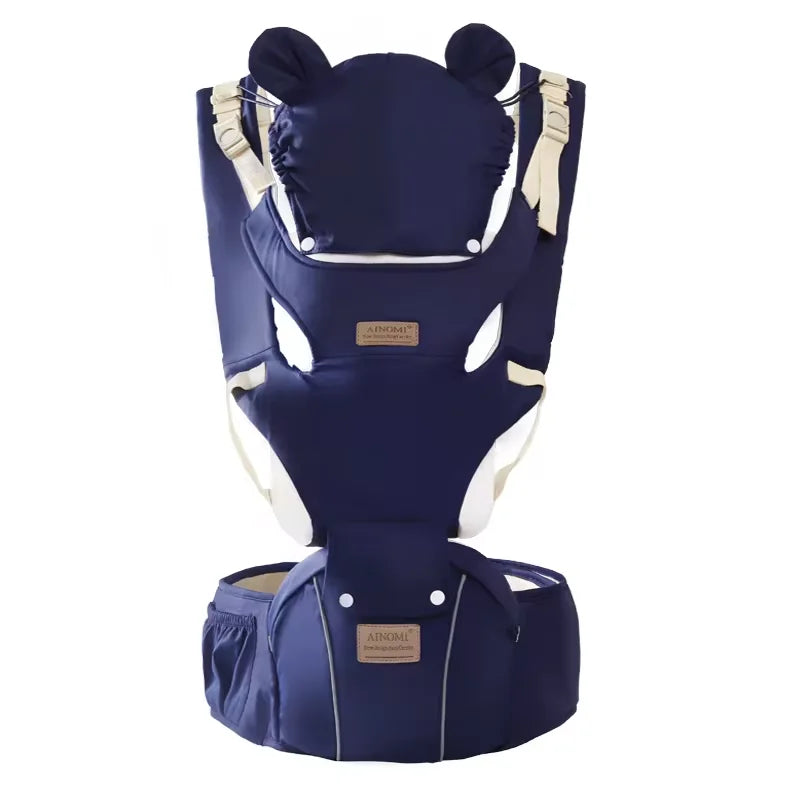
Even weight distribution plays a major role in reducing back strain during babywearing.
Why Baby Carriers Cause Back Pain
Baby carrier hurts back problems usually develop when your baby's weight is not supported by your body's strongest muscles. Instead of transferring the load through your hips and core, many traditional carriers place excessive pressure on your shoulders and lower back. Over time, this can contribute to muscle fatigue, poor posture, and persistent discomfort.
Postpartum parents may notice these issues even more because core muscles and pelvic stability are still recovering after childbirth. A poorly adjusted carrier can amplify existing soreness and make daily babywearing less comfortable.
- Weight shifts forward instead of staying close to your body's natural center of gravity.
- Insufficient lumbar or waist support increases pressure on the lower back.
- Improper baby positioning forces your hips, shoulders, and core to compensate.
- Long carrying sessions without balanced weight distribution accelerate muscle fatigue.
- Loose or incorrectly adjusted straps create uneven loading across the upper body.
Many parents gradually adapt to the discomfort and assume back pain is a normal part of babywearing. In reality, choosing a supportive carrier and adjusting it correctly can dramatically improve comfort while reducing unnecessary strain during everyday use.
What Makes a Hip Seat Better for Your Back?
A hip seat carrier is designed to shift more of your baby's weight from your shoulders to your waist and hips, where your body is naturally better equipped to support heavier loads. Instead of relying primarily on shoulder straps, the seat creates a stable platform that keeps your child closer to your center of gravity, helping reduce fatigue during longer periods of babywearing.
When fitted correctly, a supportive hip seat also promotes a more ergonomic carrying position for both parent and baby, making everyday activities more comfortable.
- More even weight distribution across the waist, hips, and core instead of the shoulders alone.
- Healthy sitting posture that supports your baby's hips and thighs in a comfortable seated position.
- Reduced pressure on the shoulders, neck, and lower back during extended use.
- Greater stability while walking, shopping, traveling, or completing household tasks.
- Adjustable waist belts and shoulder straps for a more personalized fit.
That said, hip seat carrier disadvantages are worth considering. Some models can feel bulky, add extra weight when not in use, or become uncomfortable if the waist belt lacks sufficient padding or adjustability. Choosing the right size and fit is just as important as selecting the right carrier style.
Hip Seat Options Ranked: Which Works Best?
The best carrier depends on your baby's age, how long you typically carry them, and the amount of back support you need. The following options are ranked based on comfort, weight distribution, ease of use, and everyday practicality.
1. Structured Hip Seat Carrier (Best Overall)
A structured hip seat carrier offers the strongest combination of lumbar support, stability, and balanced weight distribution. It is an excellent choice for parents who carry their baby frequently or for longer periods throughout the day.
- ✅ Excellent weight distribution between hips, waist, and shoulders.
- ✅ Supports a natural, hip-friendly seated position for your baby.
- ✅ Adjustable straps accommodate different caregivers.
- ✅ Comfortable for extended daily use.
- ❌ Slightly bulkier than minimalist carrier designs.
Explore the hip seat carrier option here
2. Soft Structured Carrier with Waist Support
Soft structured carriers offer a good balance between support and flexibility. While they generally provide better comfort than shoulder-only designs, they may not relieve pressure as effectively as a dedicated hip seat during extended wear.
- ✅ Better support than basic front carriers.
- ✅ Comfortable for a wide range of body types.
- ✅ Packs more easily for travel.
- ❌ Less effective for prolonged carrying sessions.
3. Sling or Wrap Carrier
Slings and wraps are lightweight and ideal for close newborn cuddling, but they often require careful adjustment to maintain even support. Improper positioning can increase shoulder and back fatigue.
- ✅ Compact and highly portable.
- ✅ Excellent for short carrying sessions with younger babies.
- ❌ Weight is often concentrated on one shoulder or limited contact points.
- ❌ More likely to contribute to back discomfort during longer periods of use.
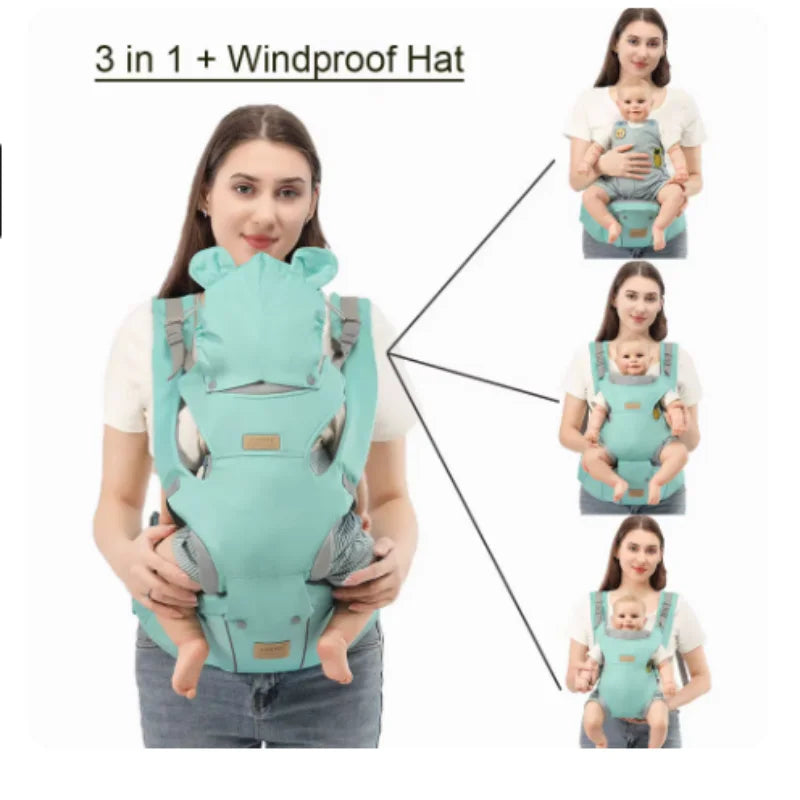
Comparing hip seat carrier designs helps highlight the trade-offs between comfort, support, and long-term wearability.
Quick Comparison: Back Support at a Glance
Each carrier style offers a different balance of support, comfort, and convenience. If your goal is to minimize back pain during everyday babywearing, look beyond portability and consider how effectively the carrier distributes weight across your body.
| Carrier Type | Back Support | Weight Distribution | Best For |
|---|---|---|---|
| Hip Seat Carrier | High | Excellent | Daily use, longer walks, growing babies |
| Soft Structured Carrier | Medium | Good | Short outings and mixed daily activities |
| Sling/Wrap | Low | Limited | Newborn cuddles and brief carrying sessions |
How to Choose Without Making Back Pain Worse
Even the best baby carrier can become uncomfortable if it fits poorly or is worn incorrectly. Selecting a model that supports both you and your baby—and taking a few moments to adjust it each time—can make a noticeable difference in comfort.
- Prioritize a supportive waist belt. A wide, well-padded waistband helps transfer weight from your shoulders to your hips.
- Check your baby's positioning. Your baby's hips should be well supported with their legs in a comfortable, ergonomic seated position.
- Adjust the straps every time. Small fit changes between caregivers or different clothing layers can affect weight distribution.
- Choose the right carrier for the activity. Longer walks and household tasks usually benefit from a hip seat or structured carrier with stronger lumbar support.
- Take regular breaks. If you're carrying your baby for extended periods, alternate positions and give your back and shoulders time to recover.
Parents experiencing muscle fatigue after long carrying sessions often complement good babywearing habits with recovery-focused products from Massage & Relaxation or browse practical parenting tips in Mom Essentials .
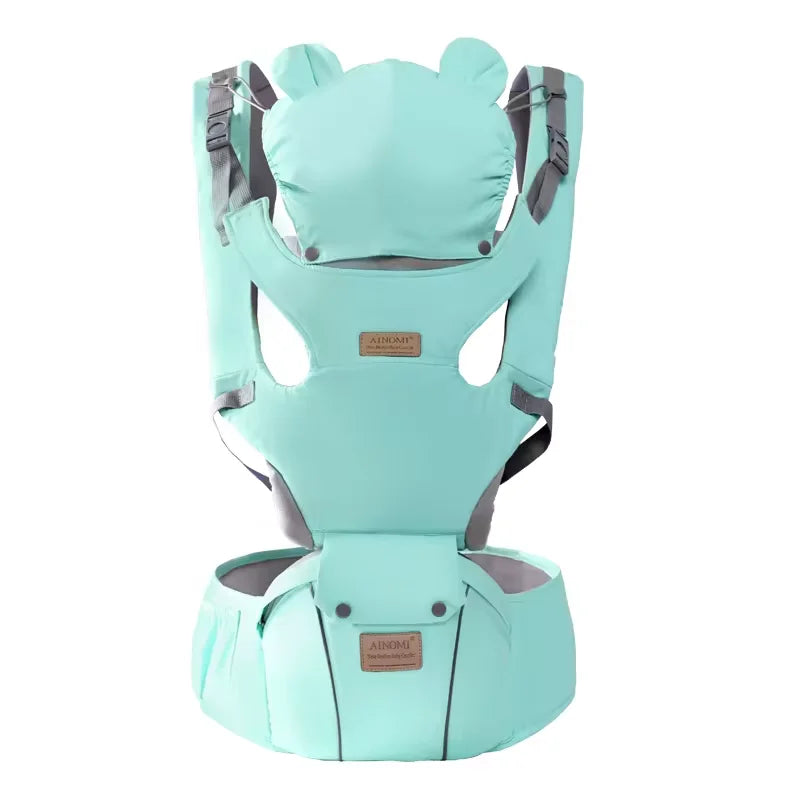
Keeping your baby close to your center of gravity and maintaining healthy sitting posture can help reduce strain on your back during everyday babywearing.
Frequently Asked Questions
Why does a baby carrier hurt my back after about 30 minutes?
Back discomfort usually develops when your baby's weight is concentrated on your shoulders or lower back instead of being distributed across your hips and core. An improperly adjusted carrier, loose straps, or insufficient lumbar support can also increase muscle fatigue during longer carrying sessions.
Which postpartum hip-seat carrier offers the best weight distribution?
Structured hip seat carriers with a wide, padded waist belt and adjustable shoulder straps generally provide the best weight distribution after childbirth. They help shift more of your baby's weight onto your hips, reducing strain on your shoulders and lower back while supporting everyday babywearing.
Are hip-seat carriers safe for newborns?
Many hip-seat carriers can be used with newborns when the manufacturer specifically approves them for that age and weight range. Always follow the recommended minimum age, weight limits, and positioning instructions to ensure your baby's airway remains clear and their hips are properly supported.
What safety certifications should a hip-seat carrier have?
Look for carriers that comply with recognized baby product safety standards and clearly state that they have undergone safety testing. Durable stitching, secure buckles, high-quality materials, and clear weight guidelines are all important indicators of a well-designed carrier.
Are hip seat carrier disadvantages serious?
Not necessarily. Most disadvantages relate to comfort and convenience rather than safety. A bulky design, limited adjustability, or inadequate padding may reduce comfort during long outings, but choosing a properly fitted, high-quality model helps minimize these trade-offs.
Is a hip-seat carrier better than a traditional baby carrier after childbirth?
For many parents, yes. A hip-seat carrier can reduce pressure on the recovering back and core by distributing weight more evenly. However, comfort depends on proper adjustment, your stage of postpartum recovery, and whether your healthcare provider has cleared you for babywearing.
Which hip-seat carrier is best for parents with chronic back pain?
Parents with ongoing back pain often benefit from structured hip seat carriers that provide strong lumbar support, a wide waistband, and multiple adjustment points. If your pain is persistent or severe, consult a healthcare professional before relying on any baby carrier for extended use.
Can hip seat carriers support healthy sitting posture?
Yes. A properly designed hip seat supports your baby's thighs and hips while helping maintain a natural seated position. Keeping your baby close to your center of gravity also contributes to improved comfort for the caregiver.
How long can I comfortably use a hip-seat carrier each day?
There is no universal time limit. Comfort depends on your fitness, your baby's size, and the carrier's design. Taking regular breaks, readjusting the fit, and alternating carrying positions can help reduce fatigue during longer periods of babywearing.
For more parenting resources, browse our Baby Care Essentials collection and practical guidance in our Health & Safety articles.





