

Best Baby Swim Posture Support Features That Improve Water Confidence
Does best baby swim posture support really work?
Best baby swim posture support helps babies stay naturally aligned in water by encouraging balanced buoyancy support and gentle swimming posture correction. Designed to work with an infant swimming instinct, it improves calm floating, reduces tipping, and builds early water confidence without forcing unnatural positions.
Best Baby Swim Posture Support Features That Improve Water Confidence
⏱ 8 min read
Watching your baby meet water for the first time can be both exciting and nerve-wracking. Will they feel safe? Will they panic or relax? The truth is, early water experiences shape how confident babies feel later on. Choosing the best baby swim posture support can transform unsure splashing into calm, balanced floating that helps babies trust the water and their own movements.
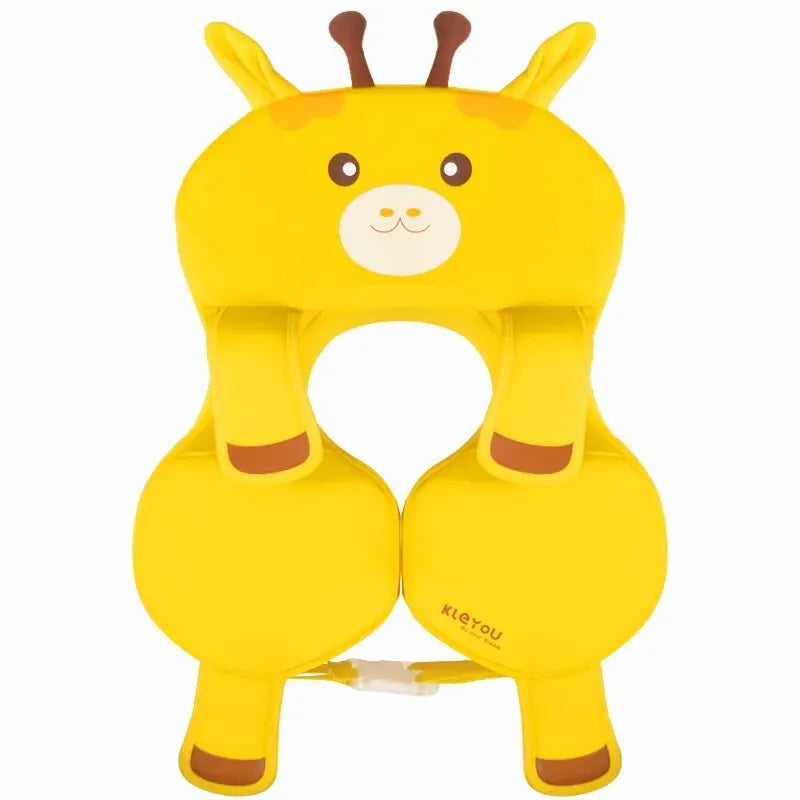
Balanced buoyancy support and swimming posture correction in action 💡 See it in action
Why posture matters for baby water confidence
The best baby swim posture support keeps a baby’s head, chest, and hips aligned so their body feels stable in water. When posture is off, babies tilt forward or backward, triggering fear and stiff movements. Correct alignment supports relaxed floating, allowing babies to focus on gentle kicks and arm movements instead of fighting balance.
Parents often notice that posture-related fear looks like:
- Sudden stiffening of legs and arms
- Clutching or crying when released
- Constant tipping to one side
- Difficulty keeping face above water
With proper swimming posture correction, babies experience water as predictable and supportive. This early sense of control is what builds confidence over time.
Key features of the best baby swim posture support
The best baby swim posture support combines thoughtful design with an understanding of how infants naturally move in water. Rather than forcing positions, it gently guides the body into a balanced float.
1. Ergonomic body alignment zones
Well-designed posture support includes structured zones that cradle the chest and torso. These zones prevent forward tipping while keeping the spine in a neutral position.
2. Distributed buoyancy support
Instead of a single flotation point, balanced buoyancy support spreads lift across the body. This reduces wobbling and helps babies feel secure during movement.
3. Freedom for natural movement
Babies learn through motion. Effective infant swimming gear allows legs to kick and arms to paddle freely, reinforcing positive water experiences.
4. Adjustable fit for growing babies
As babies grow, their center of gravity changes. Adjustable posture support adapts, maintaining consistent balance over time.
How buoyancy support improves calm floating
Best baby swim posture support uses buoyancy support to create a gentle, stable float. When lift is evenly distributed, babies don’t feel sudden drops or tilts that trigger panic.
Key benefits of balanced buoyancy support include:
- Smoother transitions when moving arms and legs
- Reduced startle reflex from uneven floating
- More relaxed breathing and facial expression
- Longer tolerance for water play
This calm floating state allows babies to explore water safely while parents maintain peace of mind.
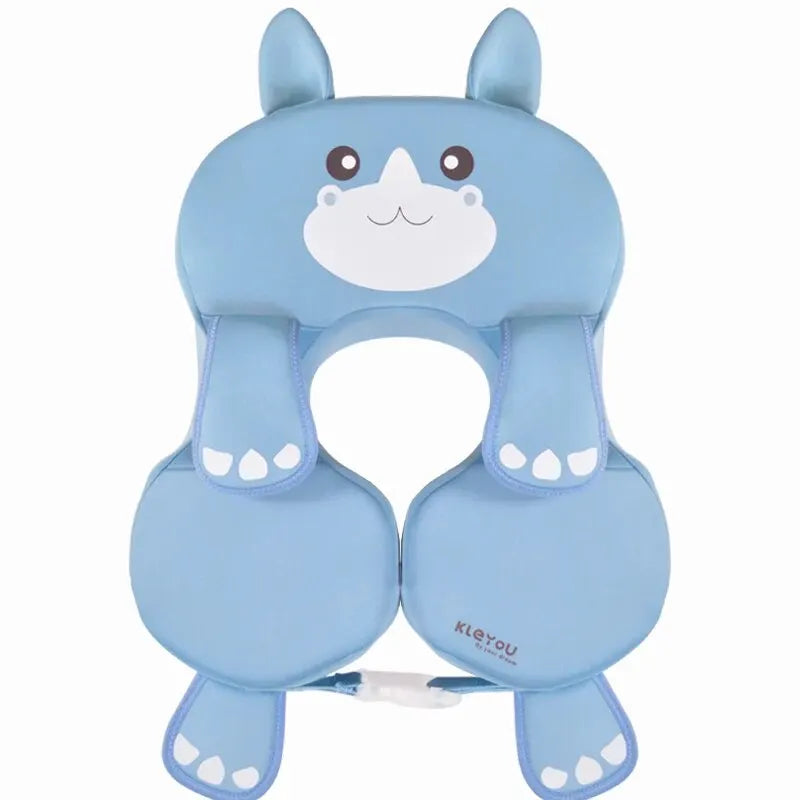
Buoyancy support helping swimming posture correction 💡 See it in action
Working with infant swimming instinct
Infants are born with natural reflexes that help them adapt to water. The best baby swim posture support respects this infant swimming instinct by keeping the face clear, the chest lifted, and limbs free.
When gear works against these instincts, babies become tense. When it works with them, babies relax, float, and begin gentle self-propelled movement. This instinct-aligned design helps babies associate water with comfort instead of stress.
Parents exploring Baby Growth & Learning tools often notice that supportive swim gear mirrors principles used in early movement development.
Posture support vs basic floats
| Feature | Posture Support Design | Basic Float |
|---|---|---|
| Body alignment | Encourages natural alignment | Often uneven |
| Buoyancy distribution | Even, balanced support | Single lift point |
| Movement freedom | Allows kicking and paddling | Restrictive |
| Confidence building | Gradual, calm exposure | Can trigger fear |
This comparison shows why parents seeking better outcomes often move beyond basic floats toward posture-focused designs.
Real-world results parents notice
Parents consistently report noticeable changes within the first few sessions:
- Babies remain calmer when placed in water
- Improved head and torso stability
- Longer, happier water play sessions
- Earlier comfort with gentle submersion practice
These outcomes mirror feedback seen across Health & Safety and Baby Care Essentials categories where comfort and stability reduce stress responses.
How to choose the right posture support
- Check that the support keeps the face comfortably above water.
- Ensure buoyancy is balanced across chest and torso.
- Look for soft, non-restrictive leg openings.
- Confirm adjustability for growth and comfort.
Parents often pair swim posture support with items from Baby Bath Accessories to create consistent water routines.
Safety considerations parents care about
Safety remains the top priority. Best baby swim posture support is designed to assist, not replace, supervision. Parents should always stay within arm’s reach and ensure proper fit before each session.
Many families already familiar with Monitoring Devices appreciate posture support that adds another layer of reassurance without restricting movement.
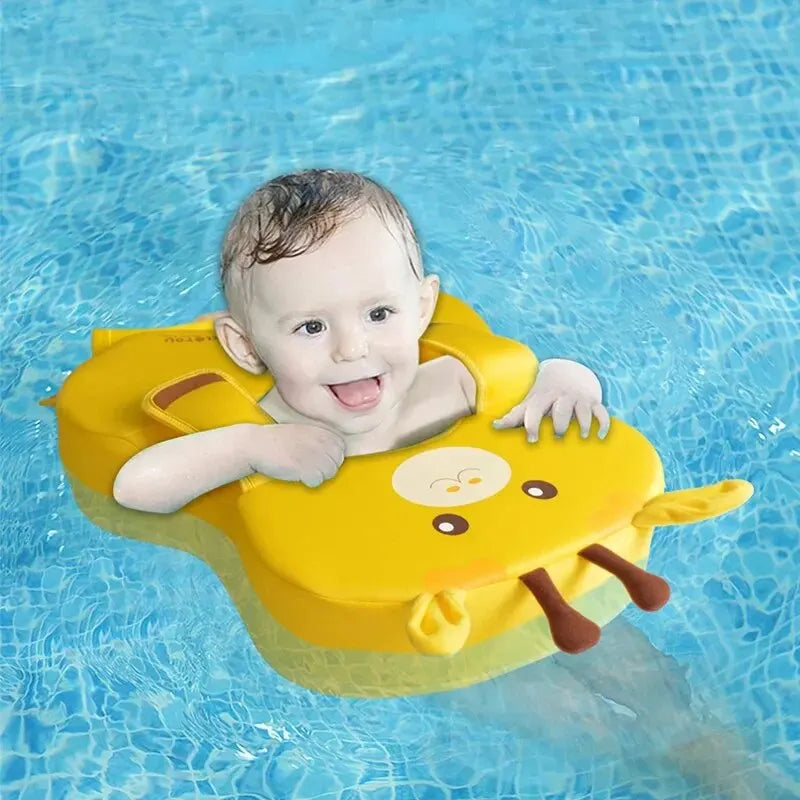
Infant swimming gear that builds water confidence 💡 See it in action
Quick questions parents ask
What age is posture support suitable for?
Most designs suit babies once they have basic head control. Always check fit and comfort before use.
Does posture support replace swim lessons?
No. It supports early comfort and balance, making future instruction easier and more positive.
Can posture support help nervous babies?
Yes. Balanced buoyancy support and natural alignment reduce fear responses and promote calm floating.





