

Best Balance Bike for Toddlers: Side-by-Side Comparison
Does a pedal free balance bike really help kids learn faster?
A pedal free balance bike helps children master balance and steering first, which often leads to quicker confidence and smoother transitions to pedal bikes. By avoiding training wheels uneven support, kids rely on natural movements that strengthen coordination and support healthy childhood motor development.
Pedal Free Balance Bike Comparison: Pros, Cons, and Best Uses
Pedal free balance bike comparisons often reveal surprising differences parents don’t expect. From smoother steering to faster confidence gains, these bikes highlight real pedal free bike benefits while avoiding why training wheels uneven setups can slow progress. More importantly, they support childhood motor development by teaching balance first, not pedaling.
⏱ 7 min read
Is your child hesitant on a bike, or did training wheels seem to hold them back instead of helping? Many parents face confusion when choosing a first bike. Let’s break down the real differences, strengths, and trade-offs so you can choose with confidence.
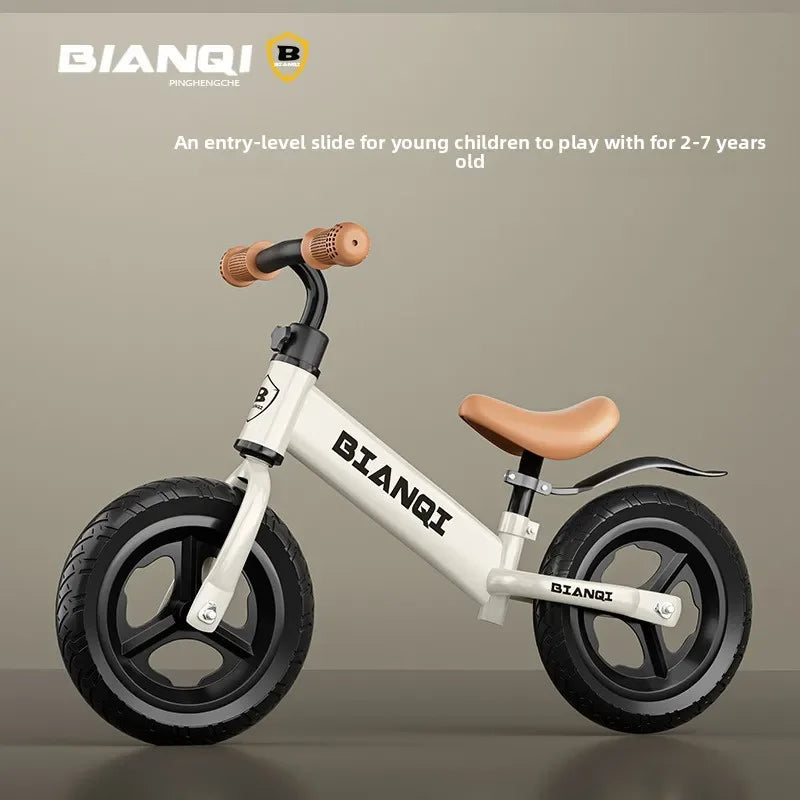
Pedal free balance bike basics that show pedal free bike benefits in action 💡 See it in action
What Is a Pedal Free Balance Bike?
A pedal free balance bike is a lightweight bike without pedals or training wheels. Kids push with their feet, learn to steer, and naturally lift their legs once balance improves.
Unlike traditional bikes, there’s no forced pedaling rhythm. Children progress at their own pace, building confidence through everyday play.
Many families exploring Mobility & Training tools start here because it simplifies learning while keeping kids active.
Pedal Free Balance Bike vs Training Wheels
| Feature | Pedal Free Balance Bike | Training Wheels |
|---|---|---|
| Balance learning | Natural, self-correcting | Delayed due to uneven support |
| Confidence building | Gradual and steady | Often sudden and stressful |
| Weight | Lightweight, easy to handle | Heavier with extra parts |
| Transition to pedals | Smoother, faster | Requires relearning balance |
Parents often notice that training wheels uneven contact with the ground teaches leaning habits that later need correction.
Pros and Cons of Pedal Free Balance Bikes
- ✅ Encourages independent movement
- ✅ Supports childhood motor development
- ✅ Reduces fear of falling
- ❌ Limited use on steep terrain
- ❌ Requires flat, safe spaces initially
When combined with other growth-focused tools from Baby Growth & Learning, balance bikes fit naturally into daily routines.
Best Uses by Age and Skill Level
For Toddlers (2–3 years)
At this stage, the focus is confidence and coordination. Short rides indoors or on smooth paths work best.
For Preschoolers (3–5 years)
Kids begin gliding longer distances, steering confidently, and preparing mentally for pedal bikes.
Many parents pair riding time with sensory play from Sensory Toys to reinforce coordination.
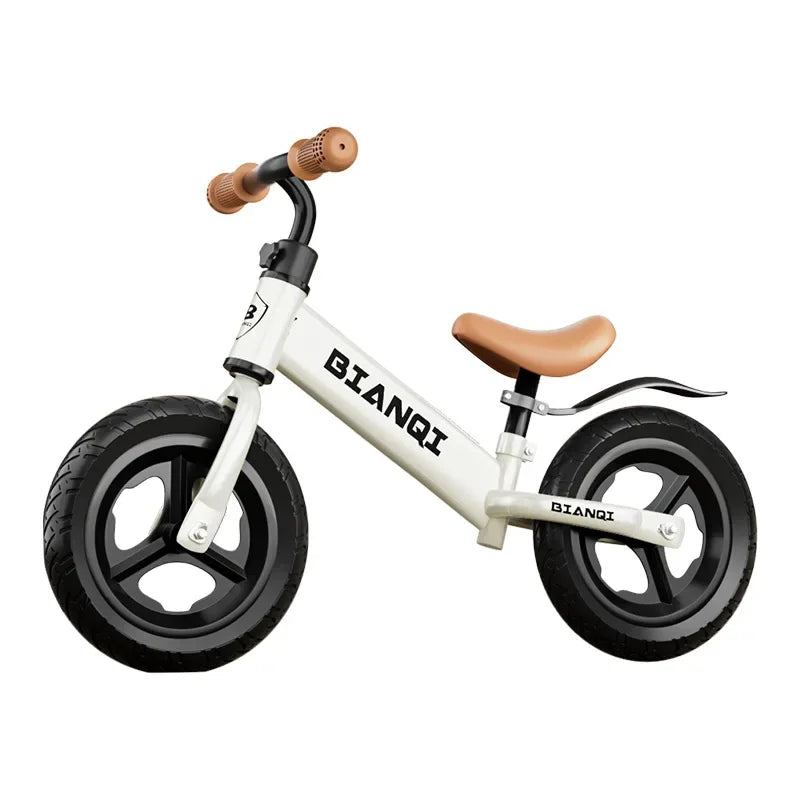
Comparing balance-first riding styles and pedal free bike benefits 💡 See it in action
How Pedal Free Bikes Support Childhood Motor Development
Pedal free balance bikes engage the core, legs, and arms simultaneously. This whole-body movement strengthens coordination and spatial awareness.
Research-backed parenting advice often highlights balance-first learning as a foundation for long-term physical confidence.
Families focused on safety often explore Health & Safety gear like helmets alongside balance bikes.
Transitioning from Balance Bike to Pedals
One of the biggest pedal free bike benefits is skipping training wheels altogether. Once kids can glide and steer, pedaling becomes a simple add-on.
Parents frequently report smoother transitions with fewer tears and less frustration.
Many choose a trusted option like this baby balance bike for early practice due to its size and stability.
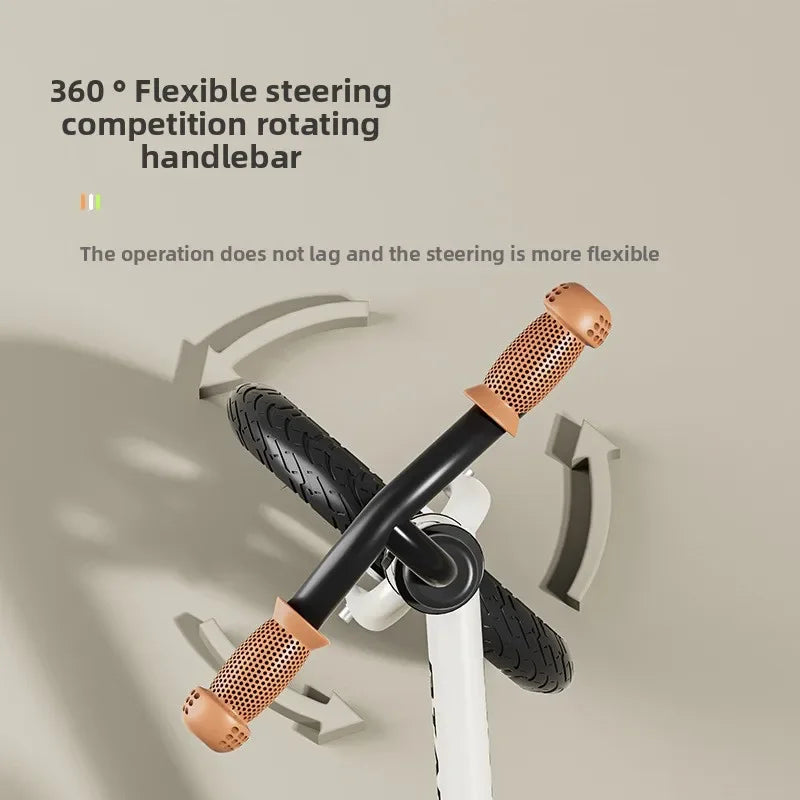
Real-life pedal free balance bike use showing confidence gains 💡 See it in action
Frequently Asked Questions
Are pedal free balance bikes safe for indoor use?
Yes, many models are designed for indoor play on smooth floors. Supervision and clear space are recommended.
Why do training wheels uneven designs slow learning?
They prevent true balance by holding the bike upright, causing children to rely on wheels instead of body control.
When should a child switch to a pedal bike?
Once they can glide confidently and steer without feet touching the ground, most kids are ready.





