

Best Kids Toys With Lights, Sounds & Special Effects
Best Electronic Musical Toy for Kids (2026): Hands-On Comparison & Reviews
Finding the best electronic musical toy for your child isn't just about choosing the one with the most buttons or brightest lights. The right toy should encourage creativity, match your child's developmental stage, offer engaging interactive features, and remain fun long after the excitement of opening the box has passed.
Many electronic and musical toys promise educational benefits, but they vary widely in sound quality, durability, ease of use, and long-term play value. Rather than relying on marketing claims, this guide evaluates the features parents typically consider most important, including age suitability, interactive play, learning opportunities, volume control, build quality, and overall value.
Whether you're shopping for a curious toddler discovering cause and effect or an older child ready to explore rhythm and melody, you'll find practical recommendations to help narrow your choices with confidence.
Quick tip: For most families, a DJ-style keyboard offers one of the best balances of music, creativity, interactive play, and beginner-friendly learning features.
Quick Picks: Best Electronic Musical Toys by Age & Skill (2026)
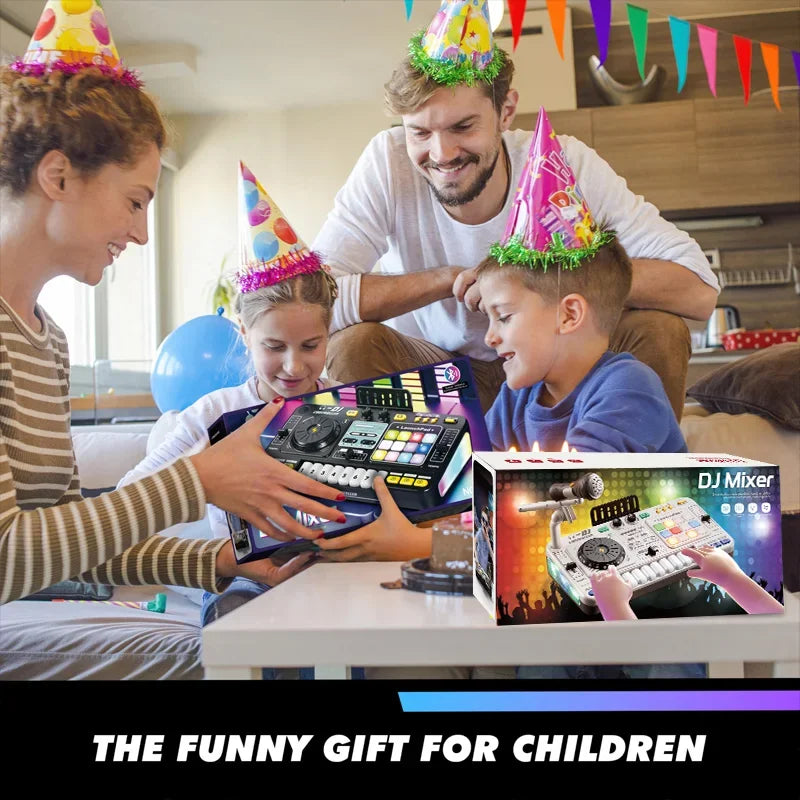
- Best for Ages 2–4 (Sensory Play): Interactive music toys with colorful lights, simple buttons, and gentle sound effects that encourage exploration.
- Best for Ages 3–6 (Creative Play): DJ mixer keyboards with piano keys, music loops, and playful sound effects that inspire experimentation.
- Best for Ages 5–8 (Building Musical Skills): Electronic drum pads and compact synthesizers that develop rhythm, timing, and coordination.
- Best for Ages 7+ (Beginner Musicians): Instrument-style keyboards with multiple tones, practice modes, and realistic key layouts.
Editor's Choice: A multifunction DJ mixer keyboard remains the best overall option for most children ages 3 and up thanks to its combination of piano play, interactive sound effects, creative music mixing, and beginner-friendly controls.
Explore more developmental toys in the Baby Growth & Learning collection .
How to Choose the Right Electronic Musical Toy for Your Child
Age vs Skill Level: What Actually Matters
Manufacturer age recommendations provide a helpful starting point, but they're only one part of the decision. Some preschoolers quickly master multi-function keyboards, while others enjoy simpler cause-and-effect toys for much longer.
When comparing electronic musical toys, consider your child's:
- Hand-eye coordination and fine motor skills
- Attention span during independent play
- Curiosity about music, rhythm, and creative activities
- Comfort using multiple buttons or interactive controls
Choosing a toy that matches both ability and interest often leads to better long-term engagement than selecting solely by the age printed on the box.
Learning Goals: Rhythm, Creativity, or STEM Skills?
Different musical toys encourage different types of play, so identifying your primary goal can make choosing much easier.
- Rhythm development: Electronic drum pads and beat-making toys encourage timing, coordination, and movement.
- Creative expression: DJ mixers, synthesizers, and music keyboards let children experiment with melodies, sound effects, and original compositions.
- Early STEM concepts: Interactive electronic toys introduce sequencing, pattern recognition, memory, and simple cause-and-effect relationships through play.
Sound Quality vs Toy Noise: What Parents Should Know
Not every toy that makes music delivers an enjoyable listening experience. Better-designed electronic musical toys produce clearer sounds, provide multiple musical modes, and include practical features that make everyday use easier for families.
Look for features such as:
- Clear, balanced musical tones instead of distorted or overly loud sounds
- Adjustable volume settings for different environments
- Multiple instruments, rhythms, or sound effects to increase replay value
- Responsive buttons or keys that are easy for children to activate
Durability & Safety for Everyday Play
Children often use electronic toys enthusiastically, so build quality matters just as much as entertainment value. Durable construction helps toys withstand frequent handling while maintaining safe operation over time.
Before purchasing, check for:
- Sturdy ABS plastic with smooth, rounded edges
- Secure battery compartments with child-resistant screws
- Recognized safety certifications such as CE or ASTM compliance where applicable
- Controls sized appropriately for your child's age and hand size
A well-built electronic musical toy should continue providing enjoyable play while standing up to regular everyday use.
Hands-On Comparison Table: Top Electronic Music Toys (2026)
| Toy Category | Recommended Age | Best For | Standout Features | Learning Focus |
|---|---|---|---|---|
| DJ Mixer Keyboard | 3+ years | Overall versatility | Piano keys, DJ sound effects, multiple music modes | Creativity, rhythm, imaginative play |
| Interactive Light-Up Music Toy | 2–4 years | Toddlers | Large buttons, lights, simple melodies | Sensory exploration, cause and effect |
| Electronic Drum Pad | 5–8 years | Active play | Responsive drum pads, rhythm patterns | Timing, coordination, motor skills |
| Beginner Keyboard | 7+ years | Structured music practice | Traditional keyboard layout, multiple tones | Basic keyboard familiarity and musical confidence |
Editor's Recommendation: A DJ mixer keyboard remains the strongest all-around choice because it combines creative music making, interactive sound effects, and beginner-friendly controls in a single toy that appeals to a wide age range.
Best Electronic Musical Toys by Category (Tested & Reviewed)
Best Toy Synthesizers for Creative Play
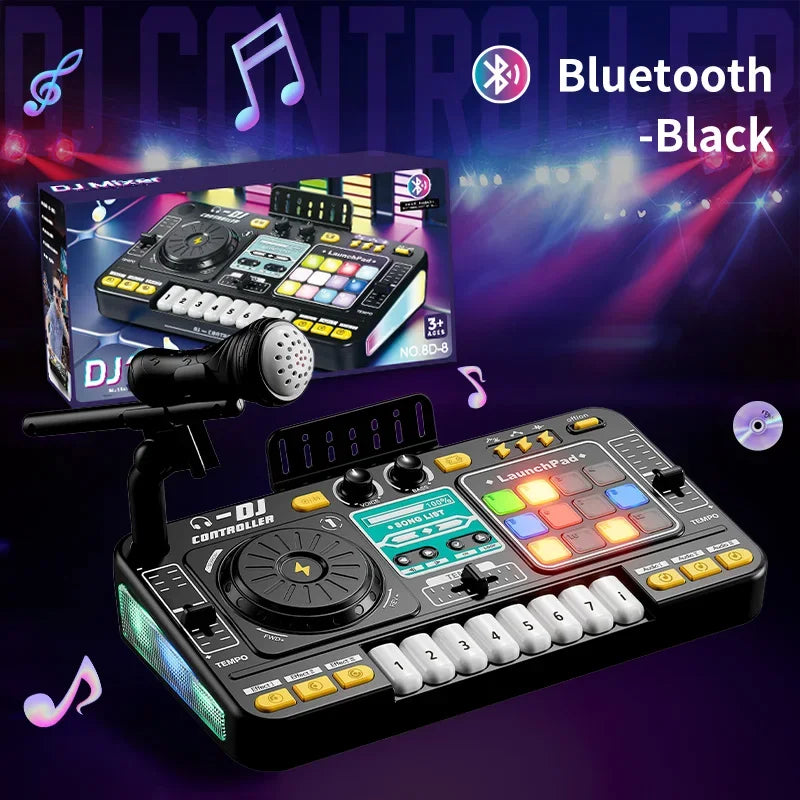
A DJ mixer keyboard stands out for children who enjoy experimenting with sounds instead of simply pressing pre-programmed buttons. Combining piano keys with mixing controls, sound effects, and rhythm functions encourages open-ended play that grows with a child's confidence.
Best for: Children ages 3–6 who enjoy imaginative activities, music exploration, and interactive electronic toys.
Why it stands out:
- Encourages creative experimentation with different sounds and rhythms.
- Combines keyboard play, DJ-style effects, and interactive controls in one compact toy.
- Provides enough variety to maintain interest over repeated play sessions.
- Suitable for both independent play and family music activities.
Pros:
- Multiple play modes increase replay value.
- Simple controls make it approachable for beginners.
- Portable design works well at home or while traveling.
- Supports imaginative, self-directed play.
Cons:
- Battery replacement may be required with frequent use.
- Designed for introductory musical play rather than formal lessons.
Browse similar creative toys in the Sensory Toys collection .
Best Electronic Drum Pads for Rhythm & Coordination
Electronic drum pads are an excellent option for energetic children who enjoy movement and hands-on activities. Their responsive surfaces encourage active participation while helping children develop a stronger sense of rhythm and timing.
Best for: Kids ages 5–8 who enjoy physical play, dancing, or percussion-based activities.
Pros:
- Encourages active movement while playing.
- Helps build rhythm, coordination, and timing.
- Quick to learn with immediate audio feedback.
Cons:
- May produce higher sound levels than keyboard-style toys.
- Offers fewer melody-based activities.
Best Interactive Learning Music Toys for Toddlers
Interactive musical toys designed for toddlers focus on simple cause-and-effect play through colorful lights, cheerful sounds, and oversized buttons. Their uncomplicated layouts allow younger children to participate independently while developing confidence.
Best for: Children ages 2–4 beginning to explore music, sensory play, and interactive learning.
Pros:
- Easy for little hands to operate.
- Bright lights and sounds encourage sensory exploration.
- Durable construction for everyday play.
- Simple controls reduce frustration.
Cons:
- Children may outgrow the simplified activities sooner than multifunction toys.
Best Beginner Instrument-Style Music Toys
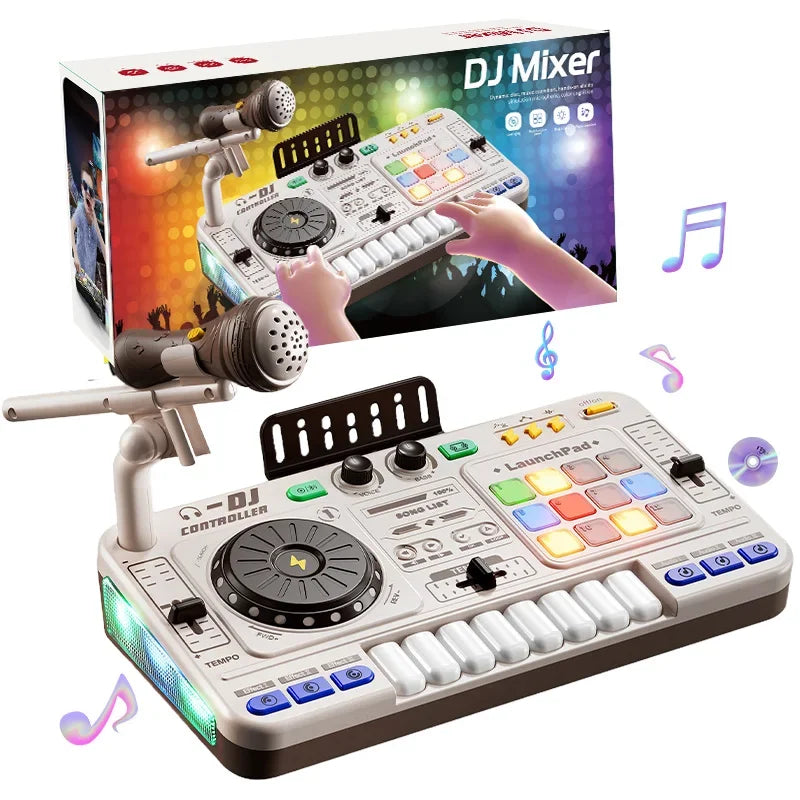
Instrument-style keyboards offer a more traditional playing experience while remaining accessible for children who have developed an ongoing interest in music. Their familiar layouts help older kids become comfortable with keyboard positioning and basic note exploration.
Best for: Children ages 7 and older who want a more realistic keyboard experience.
Pros:
- Keyboard layout resembles larger instruments.
- Supports gradual skill progression.
- Often includes multiple instrument sounds and practice modes.
Cons:
- Interactive features may feel less engaging for younger children.
- Requires greater attention span than simpler musical toys.
When comparing electronic musical toys, the differences between product categories are more useful than broad claims about "hands-on testing." The strongest choice depends on your child's age, interests, and preferred style of play rather than a single universal winner.
| If Your Child... | Recommended Toy | Why It's a Good Fit |
|---|---|---|
| Enjoys creating original sounds and songs | DJ Mixer Keyboard | Offers multiple sound effects, piano keys, and creative mixing features. |
| Loves active movement and rhythm games | Electronic Drum Pad | Encourages coordination, timing, and energetic play. |
| Is just beginning to explore music | Interactive Light-Up Music Toy | Simple controls, engaging lights, and immediate feedback make learning enjoyable. |
| Shows long-term interest in keyboards | Beginner Keyboard | Provides a familiar key layout and room to build confidence over time. |
Rather than choosing the toy with the most features, parents often get better long-term value by selecting one that matches a child's developmental stage, attention span, and favorite play style.
Benefits of Electronic Musical Toys for Child Development
Boosting Creativity and Expression
Electronic musical toys encourage children to experiment with melodies, rhythms, and sound combinations in an enjoyable, low-pressure environment. Features such as piano keys, sound effects, and recording functions invite imaginative play while allowing kids to express themselves through music and storytelling.
Improving Rhythm, Coordination, and Motor Skills
Pressing keys, tapping drum pads, and activating interactive controls help strengthen fine motor skills and hand-eye coordination. Repeating musical patterns also encourages children to develop a basic sense of rhythm, timing, and controlled movement through active play.
Supporting Early STEM and Cognitive Skills
Many electronic musical toys naturally introduce concepts such as sequencing, patterns, memory, and cause-and-effect relationships. Interactive buttons, multiple play modes, and responsive sound feedback encourage problem-solving without making play feel like a structured lesson.
Buying Guide: How to Pick the Best Hands-On Music Toy for Kids
Choose Based on Age, Interests, and Skill Level
Selecting a toy that matches both your child's interests and developmental stage usually provides better long-term value than choosing the model with the most features.
- Toddlers (2–4 years): Look for simple interactive toys with large buttons, gentle sounds, and colorful lights.
- Preschoolers (3–6 years): DJ mixer keyboards and creative music toys offer an excellent balance of fun, exploration, and skill development.
- Older Children (7+ years): Instrument-style keyboards and advanced electronic music toys provide greater challenge and more realistic play.
Check Sound Quality, Safety, and Build Quality
Beyond appearance, evaluate practical features that affect everyday use.
- Adjustable volume controls for quieter play.
- Clear, pleasant sound quality instead of overly harsh effects.
- Rounded edges and durable construction.
- Secure battery compartments and reliable buttons or keys.
Consider Batteries, Maintenance, and Durability
If the toy uses batteries, check expected battery life and how easily they can be replaced. Durable materials, responsive controls, and sturdy construction help electronic musical toys withstand frequent use while maintaining consistent performance.
Common Buying Mistakes to Avoid
- Choosing a toy based only on the recommended age.
- Prioritizing flashy lights over overall play value.
- Ignoring adjustable volume controls.
- Selecting overly complex toys for beginners.
- Overlooking build quality and battery accessibility.
For more parenting insights, visit Baby Growth & Learning Tips .
Frequently Asked Questions About Electronic Musical Toys
What are the best kids toys with lights and sounds in 2026?
Top choices include DJ mixer keyboards, interactive light-up music toys, electronic drum pads, and beginner keyboards. The best option depends on your child's age, interests, and preferred style of play rather than simply choosing the toy with the most features.
Are electronic musical toys good for children's development?
Yes. Well-designed electronic musical toys can encourage creativity, rhythm, hand-eye coordination, fine motor skills, and sensory exploration. They also introduce simple concepts such as patterns, sequencing, and cause-and-effect through interactive play.
What age are light and sound toys suitable for?
Many interactive musical toys are designed for children as young as 2 years old, while more advanced keyboards and synthesizers are better suited for children aged 5 years and older. Always follow the manufacturer's recommended age range and choose a toy that matches your child's abilities.
What are the best music toys for girls who love performing?
DJ mixer keyboards, karaoke-inspired music toys, and beginner electronic keyboards are excellent choices for children who enjoy singing, dancing, and creating their own performances. Toys with multiple sound effects and recording functions often provide the greatest replay value.
Are toys with lights and sounds safe for toddlers?
When selected appropriately, they can be. Look for toys made from durable, child-safe materials with smooth edges, secure battery compartments, and age-appropriate controls. Adjustable volume settings are also helpful for comfortable everyday use.
What should parents look for in electronic toys?
Focus on overall play value instead of flashy features alone. Good electronic musical toys should offer quality sound, durable construction, intuitive controls, appropriate safety certifications, manageable battery requirements, and activities that match your child's interests and developmental stage.
Conclusion: Which Electronic Musical Toy Should You Choose?
The best electronic musical toy is the one that matches your child's age, interests, and developmental stage . While toddlers often benefit most from simple interactive toys with lights and sounds, preschoolers usually enjoy the added creativity of DJ-style keyboards, and older children may appreciate more advanced instrument-style keyboards.
For most families, a multifunction DJ mixer keyboard remains the strongest overall recommendation because it combines creative play, engaging sound effects, beginner-friendly controls, and long-lasting entertainment in a single toy.
Explore more options in the Smart Baby Gadgets collection .
Pillar Article: 25 Cool Toys for 3 Year Olds That Kids Actually Love (2026 Guide)





