

Best Junior Swimming Goggles for Training That Won’t Leak
Do UV protection kids goggles really matter for indoor vs outdoor pools?
Yes. UV protection kids goggles are most important for outdoor swimming, where direct sunlight and reflections from the water expose young eyes to harmful ultraviolet rays. Indoors, quality goggles still improve comfort by reducing glare from overhead lighting, minimizing chlorine irritation, and providing clear vision during swim lessons and training. Choosing the right lens type for the environment helps children swim more comfortably and safely.
UV Protection Kids Goggles Compared for Indoor vs Outdoor Pools
⏱ 6 min read
Finding the right
UV protection kids goggles
is about more than preventing leaks. The best junior swimming goggles for training combine reliable UV protection, effective anti-fog coatings, comfortable seals, and lenses designed for either indoor or outdoor swimming. This swimming goggles review compares the features that matter most so parents can confidently choose the right pair.
Have you ever noticed your child rubbing their eyes after swim class or squinting throughout an outdoor lesson? Not all junior swimming goggles provide the same protection, and the pool environment plays a major role in choosing the right pair.
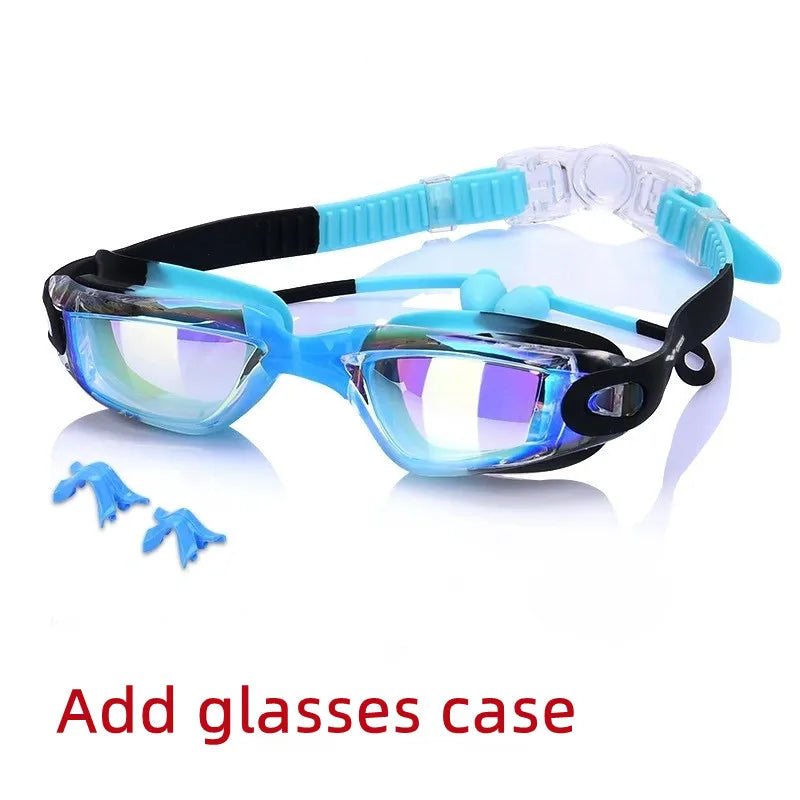
UV protection kids goggles designed for indoor and outdoor pools. See it in action.
Best Junior Swimming Goggles for Training: Top Picks Compared
Quick comparison table
| Use | Recommended Lens | UV Protection | Best For |
|---|---|---|---|
| Indoor lessons | Clear | Basic UV filtering | Daily swim classes |
| Outdoor recreation | Smoke or mirrored | UV400 | Bright sunshine |
| Competitive training | Tinted or mirrored | UV400 | Long training sessions |
| Mixed indoor/outdoor use | Light smoke tint | UV400 | Versatile performance |
How we evaluated each pair
Our swimming goggles review focuses on the features parents and young swimmers notice most during regular use:
- Lens clarity in different lighting conditions
- Anti-fog performance over repeated swim sessions
- Leak resistance during active swimming
- Comfort during 30–60 minute practices
- UV protection for outdoor exposure
- Durability of straps, seals, and lens coatings
Our Top Picks by Use Case
Best overall
A versatile pair with UV400 protection, anti-fog coating, soft silicone gaskets, and adjustable straps offers the best balance for families using both indoor and outdoor pools.
Best for swim lessons
Choose clear-lens goggles with a dependable anti-fog coating and an easy-adjust strap that children can manage independently.
Best for beginners
Beginner swimming goggles should prioritize comfort, wide vision, and soft silicone seals over advanced racing features.
Best for competitive training
Training swim goggles should provide a secure low-profile fit, reliable UV400 protection for outdoor practice, and durable anti-fog performance.
Best budget
Affordable youth swimming goggles can still deliver excellent comfort when they include quality silicone gaskets and adjustable straps.
Best anti-fog
Models with factory-applied anti-fog coatings generally maintain clearer vision throughout longer practices when cared for properly.
Most comfortable
Comfortable swim goggles use flexible silicone cushions that distribute pressure evenly without leaving deep marks around the eyes.
Best for ages 6–12
Children in this age range usually benefit from adjustable nose bridges and dual-head straps that accommodate growing faces while maintaining a secure seal.
Product Comparison: Features That Matter
Lens type
Clear lenses maximize brightness indoors, while tinted and mirrored lenses improve comfort in direct sunlight.
Anti-fog coatings reduce condensation during lessons and competitive training, allowing children to maintain clear vision without repeatedly removing their goggles.
Leak resistance
A properly fitted silicone gasket prevents water intrusion better than overtightening the straps.
Comfort and fit
Comfort depends on gasket softness, balanced strap tension, and a nose bridge that matches your child's facial shape.
UV protection
Outdoor swimmers should look for lenses labeled UV400, which block nearly all UVA and UVB rays.
Durability
Quality junior swimming goggles resist scratches, maintain strap elasticity, and keep their seal after repeated exposure to chlorine.
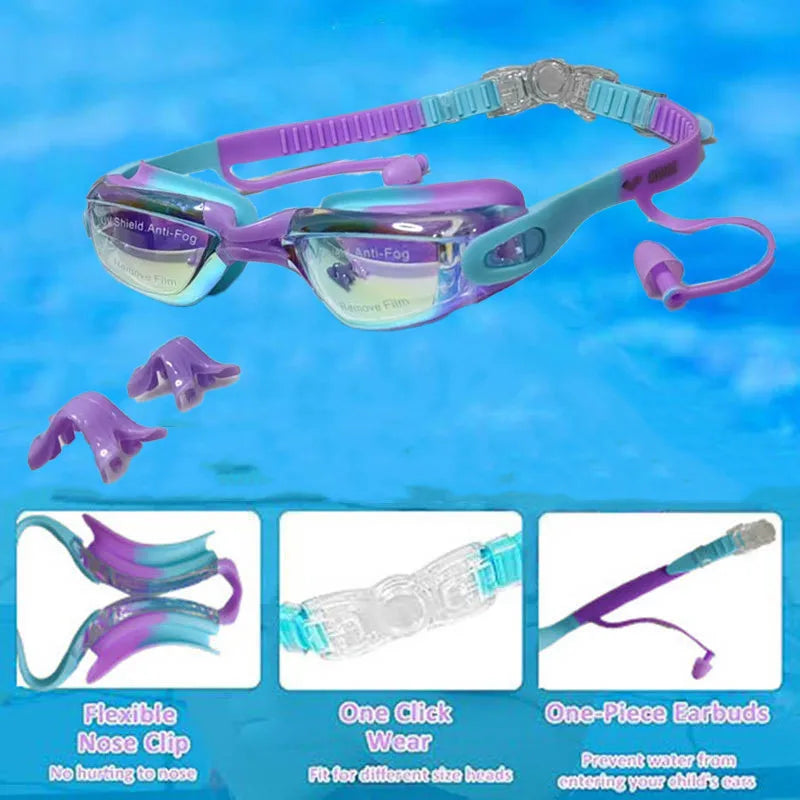
Swimming goggles UV protection compared under bright outdoor light. See it in action.
Lens Types, Tint Colors, and UV Protection Explained
Choosing the correct lens improves both comfort and visibility. The best option depends primarily on where your child swims most often.
Clear vs tinted vs mirrored lenses
- Clear lenses: Ideal for indoor pools and evening practice where maximum brightness is needed.
- Light tinted lenses: Suitable for mixed indoor and outdoor swimming.
- Smoke lenses: Reduce brightness during sunny outdoor sessions.
- Mirrored lenses: Reflect intense sunlight and reduce glare during prolonged outdoor swimming.
- UV400 lenses: Provide the highest level of UV protection regardless of lens color.
Which color goggles are best for swimming?
There isn't a single best lens color for every swimmer.
- Clear: Best for indoor lessons.
- Blue: Comfortable for mixed lighting.
- Smoke: Excellent for bright outdoor pools.
- Mirrored: Best for intense sunlight and competition.
Fit, Comfort, and Leak Prevention
Even premium UV protection swim goggles cannot perform well if they don't fit correctly.
Choosing the right gasket
Soft silicone gaskets create a comfortable seal without excessive pressure. They should sit evenly around the eye socket rather than directly on the eyelids.
Adjustable straps and nose bridges
Dual straps improve stability while adjustable nose bridges help achieve a personalized fit for different face shapes.
Sizing by age
- Ages 3–5: Flexible frames with extra-soft seals.
- Ages 6–12: Adjustable youth swimming goggles with larger lenses.
- Competitive juniors: Low-profile training swim goggles designed for longer practices.
Comfort-focused designs are often paired with supportive routines found in Sleep & Comfort for active kids.
How to Choose Junior Training Goggles
For beginners
Prioritize comfortable swim goggles with simple adjustments and wide peripheral vision.
For swim lessons
Choose anti-fog lenses with secure silicone seals that stay comfortable throughout class.
For competitive swimmers
Competitive swimmers often prefer streamlined goggles with durable UV400 protection, excellent leak resistance, and stable straps.
FINA considerations
Children participating in sanctioned competitions should verify that their equipment complies with the rules required by their governing swim organization.
Many families explore supportive gear across Baby Care Essentials when building safer routines.
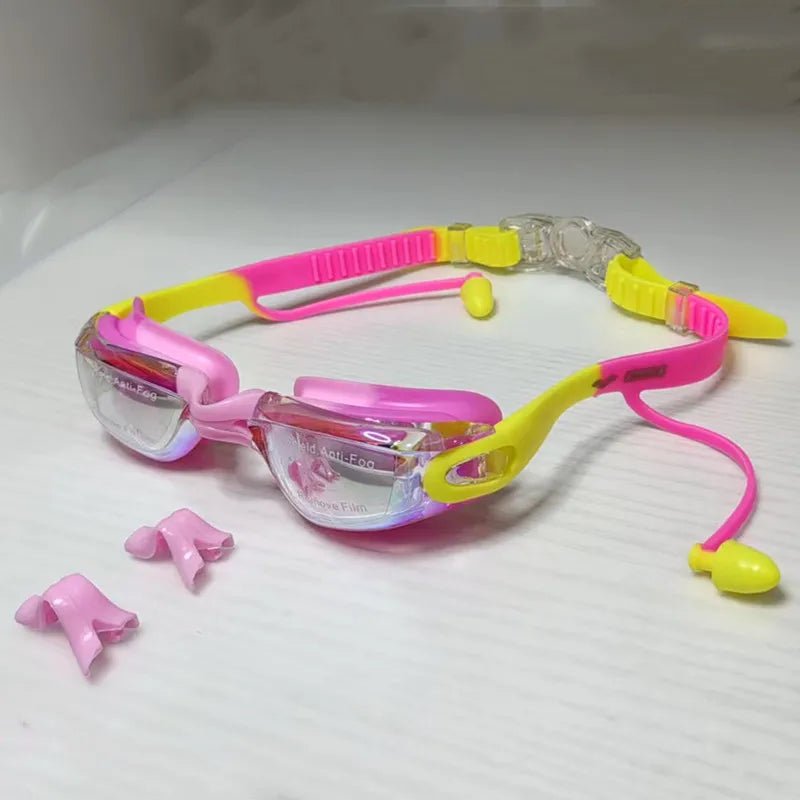
UV protection swim goggles tested for comfort and clarity. See it in action.
Care Tips to Keep Goggles Anti-Fog Longer
- Rinse goggles with fresh water after every swim.
- Allow them to air dry naturally.
- Avoid rubbing the inside of the lenses, which can damage the anti-fog coating.
- Store goggles in a protective case away from direct sunlight.
- Replace heavily scratched or leaking goggles when performance declines.
Frequently Asked Questions
What are the best junior swimming goggles for training?
The best junior swimming goggles for training combine UV400 protection, effective anti-fog coatings, comfortable silicone seals, adjustable straps, and durable construction suitable for frequent swimming.
Which goggles are best for swim lessons?
Clear-lens goggles with strong anti-fog coatings and soft silicone gaskets are typically the best choice for indoor swim lessons because they maximize visibility and comfort.
How should junior swim goggles fit?
The goggles should create a gentle seal around the eyes without requiring overly tight straps. A proper fit prevents leaks while remaining comfortable throughout the swim session.
Which color goggles are best for swimming?
Clear lenses work best indoors, while smoke and mirrored lenses are better for bright outdoor pools where reducing glare improves comfort and visibility.
How long do anti-fog coatings last?
Most factory-applied anti-fog coatings remain effective for several months to one or two swim seasons depending on usage and proper care. Avoid touching the inside of the lenses to maximize longevity.





