

Best Indoor Play Tents for Toddlers That Fit Small Homes
What Is the Best Indoor Play Tent for Toddlers?
The best indoor play tent for toddlers combines a stable frame, breathable fabric, child-safe materials, and enough space for supervised imaginative play. The right choice depends on your child's age, available room, and preferred play style, but a well-designed indoor play tent can encourage independent play, storytelling, and quiet time while fitting neatly into homes, apartments, or dedicated playrooms.
Best Indoor Kids Play Tent Comparison for Imaginative Play and Quiet Time
⏱ 7 min read
Choosing the best indoor play tent is about more than finding a fun place to play. A thoughtfully designed tent gives toddlers a cozy retreat for reading, pretend play, and quiet moments while helping families create organized play spaces without sacrificing valuable floor space.
Whether you're furnishing a nursery, updating a shared bedroom, or looking for a flexible play area in a living room or basement, comparing different indoor play tent styles can help you find one that balances safety, comfort, durability, and imaginative play.
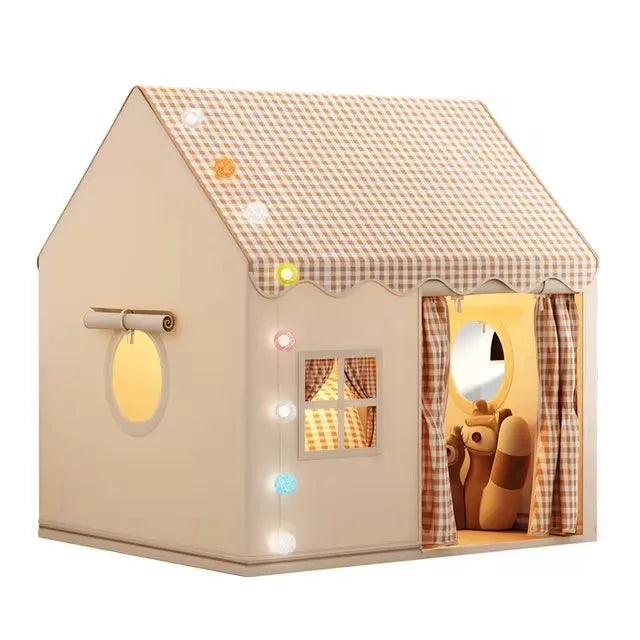
Indoor kids play tent designed for imaginative play, quiet reading, and everyday family use — See it in action
Looking for an indoor play tent that keeps children engaged without overwhelming your home? This guide compares key features, explains what matters most when choosing a tent, and highlights practical considerations for different room sizes and family routines.
What Makes the Best Indoor Play Tent for Toddlers?
The best indoor play tents for toddlers combine safety, comfort, and flexibility. Rather than simply creating a quiet corner, a quality tent provides a dedicated space where children can enjoy pretend play, look through books, build with toys, or simply take a break from busy household activity under adult supervision.
When comparing indoor play tents, look for features that improve everyday usability instead of focusing only on appearance.
- Stable construction that stays upright during active toddler play.
- Breathable fabric panels that promote airflow and allow easy supervision.
- Rounded connectors, smooth seams, and child-friendly materials.
- A size that fits comfortably within your available living space while leaving room to move safely.
No single tent is ideal for every household. Families with compact apartments may prioritize foldable storage, while larger playrooms can accommodate themed tents with additional interior space for imaginative activities.
Many parents pair indoor play tents with soft accessories from Sleep & Comfort collections to create a comfortable reading nook or quiet retreat that children enjoy using every day.
Best Indoor Play Tents for Toddlers: Quick Comparison
| Best For | Tent Type | Typical Size | Material | Setup Time | Age Suitability | Portability | Safety Features |
|---|---|---|---|---|---|---|---|
| Best Overall Indoor Play Tent | Fabric Playhouse | Medium | Breathable polyester or cotton blend | 5–10 minutes | 2–6 years | Medium | Ventilation windows, stable frame, rounded connectors |
| Best for Small Apartments | Pop-Up Tent | Compact | Lightweight polyester | Under 1 minute | 2–4 years | Excellent | Flexible frame, lightweight construction |
| Best Foldable Indoor Play Tent | Collapsible Fabric Tent | Medium | Washable fabric | 2–5 minutes | 2–6 years | High | Easy storage, breathable mesh panels |
| Best Budget Option | Basic Pop-Up Tent | Compact | Polyester | Under 1 minute | 2–5 years | Excellent | Simple enclosed design with mesh openings |
| Best Themed Indoor Play Tent | Castle-Style Tent | Medium–Large | Breathable fabric | 5–10 minutes | 3–7 years | Medium | Stable support poles, multiple ventilation panels |
Comparing tents by everyday use rather than appearance makes it easier to choose a model that fits your available space, your child's age, and how often the tent will be used.
Our Testing Method: How We Compared the Best Kids Indoor Tents
To evaluate different indoor play tent styles, we focused on practical factors that influence long-term family use instead of decorative features alone.
Stability and Tip-Over Resistance
A quality indoor play tent should remain stable during normal toddler activity. We considered frame design, connector strength, and how well each style maintained its shape during everyday play.
Materials, Ventilation, and Child Safety
Breathable fabrics, smooth seams, rounded connectors, and mesh windows improve comfort while allowing parents to supervise children easily. Well-ventilated designs also help prevent the interior from becoming overly warm during longer play sessions.
Setup, Folding, and Storage
Families often assemble and store play tents repeatedly. We compared how quickly different styles could be set up, folded, and stored in homes with limited space.
Durability for Everyday Toddler Play
Frequent opening, closing, crawling, and pretend play place repeated stress on fabrics and support poles. Durable stitching and sturdy construction help extend the usable life of an indoor play tent while reducing maintenance.
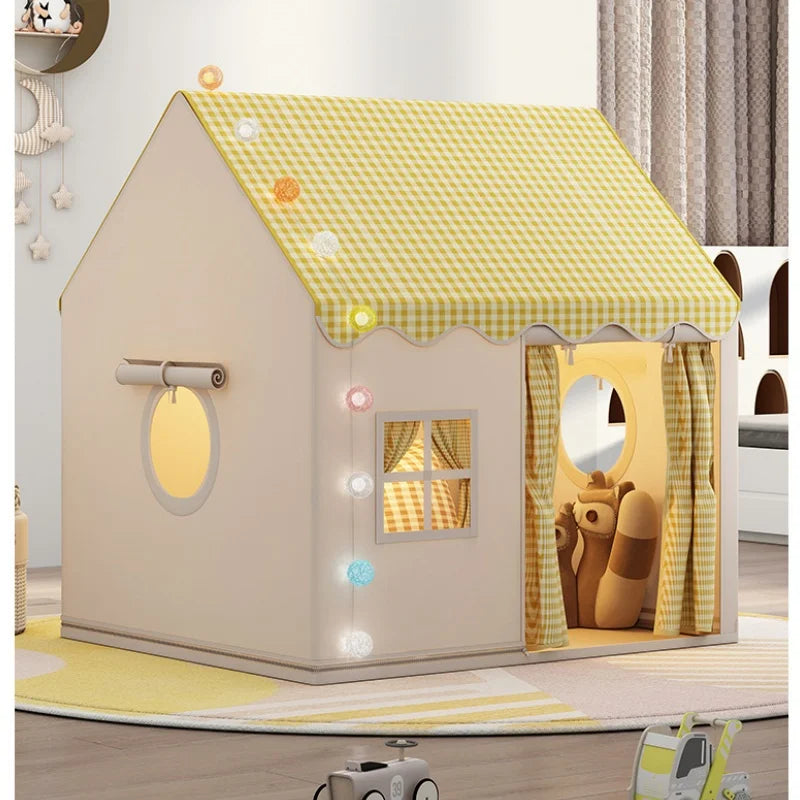
Indoor play tent providing a comfortable space for imaginative play and everyday family routines — See it in action
Adding a few open-ended accessories, such as cushions, books, or gentle sensory items from Sensory Toys , encourages creative play while allowing children to adapt the space for reading, storytelling, or quiet independent activities.
Which Indoor Play Tent Is Best for Small Apartments and Shared Rooms?
Families with limited living space often benefit most from an indoor play tent that is lightweight, easy to move, and simple to store. The best indoor play tents for small apartments provide enough room for imaginative play without permanently taking over a bedroom or living area.
Best Space-Saving Indoor Play Tent Features
- Compact footprint that fits into corners or beside existing furniture
- Lightweight frame for easy repositioning
- Foldable construction for convenient storage
- Mesh panels that improve airflow and visibility
How Much Floor Space Does a Toddler Play Tent Need?
Most toddler play tents fit comfortably within a small play area while leaving enough walking space around the outside. Before purchasing, measure both the assembled dimensions and the surrounding clearance so children can enter and exit safely. In shared bedrooms, choosing a medium-sized tent often provides the best balance between usable play space and everyday practicality.
Foldable and Portable Options for Flexible Storage
Foldable tents are especially useful for apartments, multipurpose family rooms, and basement play areas where furniture serves multiple functions. Quick-fold designs allow parents to pack the tent away after playtime without requiring permanent floor space.
Families often combine flexible play spaces with learning activities from Baby Growth & Learning to encourage both imaginative play and age-appropriate skill development.
Best Themed Indoor Play Tent
For children who enjoy imaginative storytelling, a themed indoor play tent can transform everyday play into creative adventures. Castle-style tents remain popular because they combine decorative appeal with practical features such as enclosed play space, breathable panels, and generous interior room for books, toys, or shared play.
Features that make a themed tent appealing include:
- Encourages imaginative role-playing and storytelling.
- Provides a cozy reading or quiet activity corner.
- Foldable design for convenient storage between play sessions.
- Breathable fabric that keeps the interior comfortable during extended use.
Explore the Princess Castle Kids Play Tent
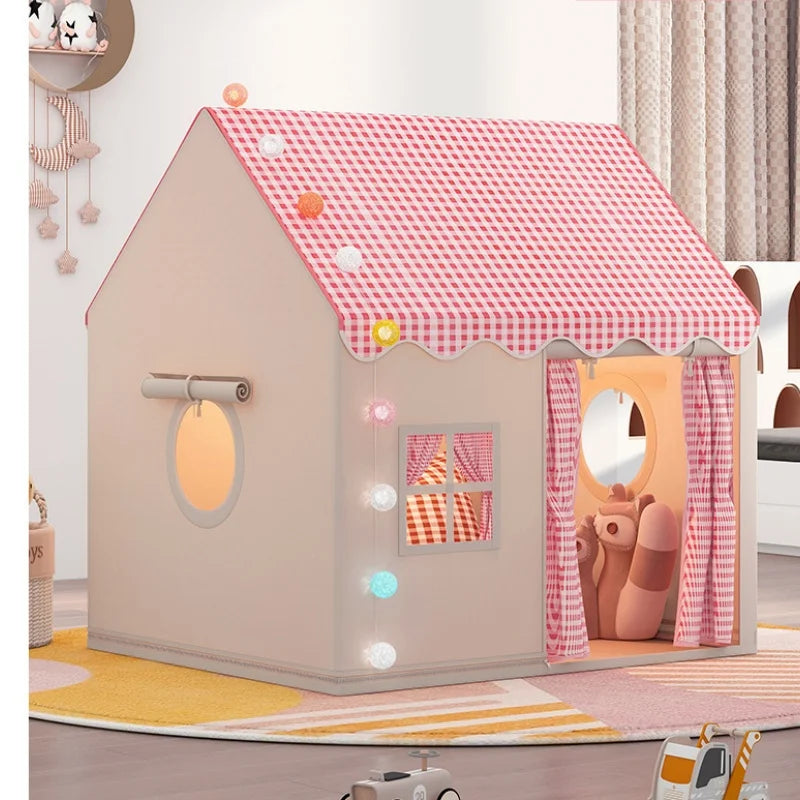
Castle-style indoor play tent designed for imaginative play, reading, and quiet family routines — See it in action
Indoor Play Tent Safety: What Parents Should Check Before Use
Choosing the best indoor play tent involves more than selecting an attractive design. Before every play session, inspect the tent for stability, secure connections, and good ventilation. Following the manufacturer's age recommendations and supervising younger children helps create a safer play environment.
Stability, Anchoring, and Tip-Over Risks
Place the tent on a flat surface and confirm that poles and connectors are fully assembled. Avoid positioning play tents where they can be bumped by doors, furniture, or active play equipment.
Breathability and Visibility
Look for mesh windows or breathable fabric panels that promote airflow while allowing caregivers to see children during play. Good visibility is especially important for toddlers who still require close supervision.
Non-Toxic Materials and Product Safety Information
Review the manufacturer's safety guidance, recommended age range, assembly instructions, and care information. Check fabrics, seams, poles, and detachable parts regularly for signs of wear before allowing children to play.
Safe Placement and Supervision
Keep indoor play tents away from stairs, heaters, fireplaces, electrical cords, and unstable furniture. Active supervision remains important, particularly for younger toddlers who may climb or play energetically inside the tent.
For additional family safety guidance, many parents explore resources in Health & Safety to support safe indoor play routines.
Best Indoor Play Tent FAQs
Are indoor play tents safe for toddlers?
Yes, when used according to the manufacturer's instructions. Choose a stable tent with breathable materials, inspect it regularly for damage, and always supervise young children during play.
What size indoor play tent is best for a small apartment?
Compact or medium-sized foldable tents usually work best in apartments because they provide enough interior space for imaginative play while remaining easy to store when not in use.
What types of play tents are best for toddlers indoors and outdoors?
Pop-up tents are convenient for indoor use and travel, while sturdy fabric playhouses and themed tents are ideal for regular indoor play. Some models are suitable for supervised outdoor use on dry, level surfaces, but always follow the manufacturer's recommendations.
What are the top-rated indoor playhouse options for small spaces?
Lightweight foldable tents, compact fabric playhouses, and quality pop-up models are popular choices for families with limited floor space because they combine portability, simple setup, and comfortable play areas.
How long do toddlers typically use an indoor play tent?
Many children enjoy an indoor play tent from around age two through the early elementary years. Rotating books, toys, and imaginative play themes can help keep the space engaging as children grow.
Ready to create a cozy space for imaginative everyday play?
See how the Princess Castle Kids Play Tent fits into everyday family life





