

Best Kites for Beginners That Make Learning Easy
What is the best beginner single line kite for easy control?
The best beginner single line kite is lightweight, stable, and designed for effortless launches. For most first-time flyers, a delta-style or animal-shaped single line kite offers the easiest control because it provides steady lift, resists spinning, and performs well in light to moderate winds.
Best Beginner Single Line Kite: Which Is Easiest to Control?
⏱ 6 min read
Choosing your first kite should be exciting, not frustrating. The right beginner kite stays balanced in the air, launches smoothly, and helps new flyers build confidence quickly. But with so many shapes and sizes available, how do you know which kite is truly easy to fly?
From family-friendly single line designs to beginner delta kites, this guide compares the best kites for beginners, explains what makes a kite stable, and shows how to choose the right option for kids, adults, parks, and beaches.
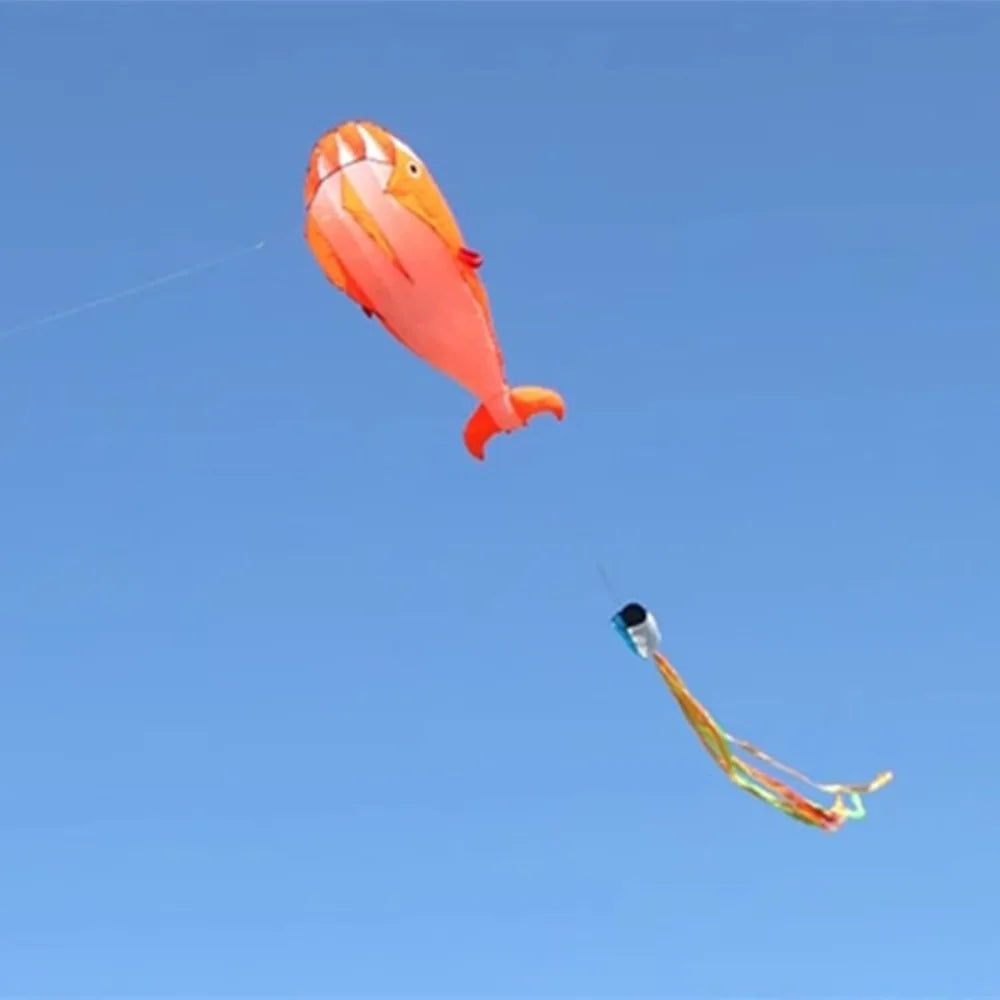
A best beginner single line kite designed for easy to fly kite control — See it in action
Best Kites for Beginners: Top Picks Compared
The best kites for beginners combine simple control, reliable stability, and easy launching. After considering balance, wind performance, durability, and learning curve, these are the most beginner-friendly options:
- Best Overall: Delta-style kites for their excellent stability and forgiving flight behavior.
- Best Single Line Kite: Whale & Dolphin Kite for family flying and easy control.
- Best for Kids: Lightweight animal-shaped kites that make learning fun.
- Best for Adults: Medium-size delta kites with strong wind tracking.
- Best Budget Option: Simple flat kites for casual outdoor use.
A good beginner kite should not require advanced steering skills. Single line designs and stable delta shapes allow new flyers to focus on enjoying the experience instead of constantly correcting crashes.
Quick Comparison Table: Best Beginner Kites at a Glance
| Kite Type | Best User | Wind Range | Skill Level | Key Strength |
|---|---|---|---|---|
| Delta Kite | First-time flyers, families | Light to moderate | Beginner | Excellent stability and easy launch |
| Animal-Shaped Kite | Kids and casual flyers | Light to moderate | Beginner | Fun design with steady flight |
| Diamond Kite | Traditional kite users | Moderate | Beginner–Intermediate | Simple classic design |
| Parafoil Kite | Travel and beach users | Light to strong | Beginner | No rigid frame and easy storage |
| Stunt Kite | Experienced flyers | Moderate to strong | Advanced | Two-line steering control |
For most beginners searching for the best kite to fly, a stable single line delta or animal-shaped kite provides the easiest learning experience.
Why Some Kites Are Easier to Fly Than Others
The easiest kite to fly is usually the one that naturally corrects itself when wind conditions change. Shape, frame design, weight distribution, and tails all affect how smoothly a kite stays in the sky.
Delta vs Diamond vs Parafoil vs Box vs Stunt Kites
- Delta kites: Often considered the easiest kites to fly because their triangular shape creates reliable lift and strong stability.
- Diamond kites: Traditional and simple, but they may need more consistent wind and a longer tail for balance.
- Parafoil kites: Lightweight and portable, making them excellent for travel and beach use.
- Box kites: Very stable once airborne but usually require more setup.
- Stunt kites: Fun for advanced users but not the easiest choice for beginners because they require two-line control.
For children and first-time flyers, single line kites remain the most approachable option because they reduce coordination requirements.
Many families combine outdoor activities with learning experiences similar to those featured in Baby Growth & Learning, where simple play supports confidence and coordination.
What Makes a Kite Truly Easy to Fly?
An easy to fly kite depends on several design factors working together. The best beginner kites balance lightweight construction with enough structure to remain stable.
Key Features That Matter Most
- Frame materials: Flexible fiberglass or lightweight rods help absorb gusts without flipping.
- Sail materials: Durable polyester fabric provides reliable airflow and better resistance to tearing.
- Size and lift: Larger surfaces catch more wind and help beginners maintain altitude.
- Tail and stability: Long tails and stabilizers reduce spinning and improve tracking.
Parents often prefer products that encourage focused, independent play, similar to the benefits offered by Sensory Toys designed for calm engagement.
How to Choose the Best Kite for Beginners
Choose by Age
For young children, lightweight animal-shaped or delta kites are usually the best choice. Adults can choose larger delta or parafoil designs that offer stronger lift and longer flight times.
Choose by Wind Conditions
A beginner kite should match local weather conditions. Lightweight kites work well in gentle breezes, while larger designs handle stronger winds better.
Choose by Flying Location
- Parks: Medium-size delta kites with simple control.
- Beaches: Parafoil and larger kites that handle open wind.
- Backyards: Smaller beginner kites requiring less space.
Budget is also important. A reliable beginner kite does not need to be expensive, but quality materials can make learning much easier.
Best Beginner Kite Reviews
Best Overall
Delta-style beginner kites are the top all-around option because they combine easy launching, stable flight, and broad wind tolerance.
Best Single Line Kite
The Whale & Dolphin Kite is an excellent choice for families looking for a beginner-friendly single line kite. Its balanced shape, lightweight fabric, and visual design make it enjoyable for both children and adults.
You can view an example here: Whale Dolphin Kite
Best Delta Kite
Delta kites are ideal for beginners who want the easiest setup and smoothest learning curve. Their wide wings create consistent lift with minimal adjustment.
Best for Kids
Animal-shaped kites are popular with younger flyers because they combine simple handling with playful designs that keep children interested.
Best for Adult Beginners
Adults learning to fly kites often benefit from medium-size delta or parafoil models that offer better wind performance without complicated controls.
Best Budget Option
Basic flat kites can work well for occasional outdoor fun, especially when flying in predictable wind conditions.
Wind Speed Guide for First-Time Kite Flyers
The easiest kite to fly for beginners performs best when wind conditions match the kite design.
- 3–5 mph: Choose lightweight kites designed for gentle breezes.
- 5–15 mph: Ideal range for most beginner single line kites.
- 15+ mph: Use caution because strong gusts can damage small beginner frames.
Avoid flying during storms, near power lines, or in crowded areas where control may become difficult.
How to Assemble, Launch, and Fly Your First Kite
- Attach the kite line securely according to the instructions.
- Place the kite facing into the wind before launching.
- Allow the wind to lift the kite instead of pulling aggressively.
- Release line gradually while maintaining gentle tension.
- To land, slowly pull the kite downward and avoid sudden movements.
Beginners usually improve quickly when they focus on smooth movements rather than forcing the kite upward.
How to Improve Kite Stability for First-Time Flyers
Even the best beginner kite benefits from proper technique. Small adjustments can prevent common crashes and improve flight time.
Common Beginner Mistakes
- Launching without checking wind direction
- Pulling the line too aggressively
- Flying near trees or buildings
- Using a kite that is too large for the conditions
Simple Troubleshooting Tips
- Move to a more open area if the kite keeps falling.
- Add or adjust the tail if the kite spins.
- Keep steady line tension for better control.
- Try a different kite size if wind conditions change.
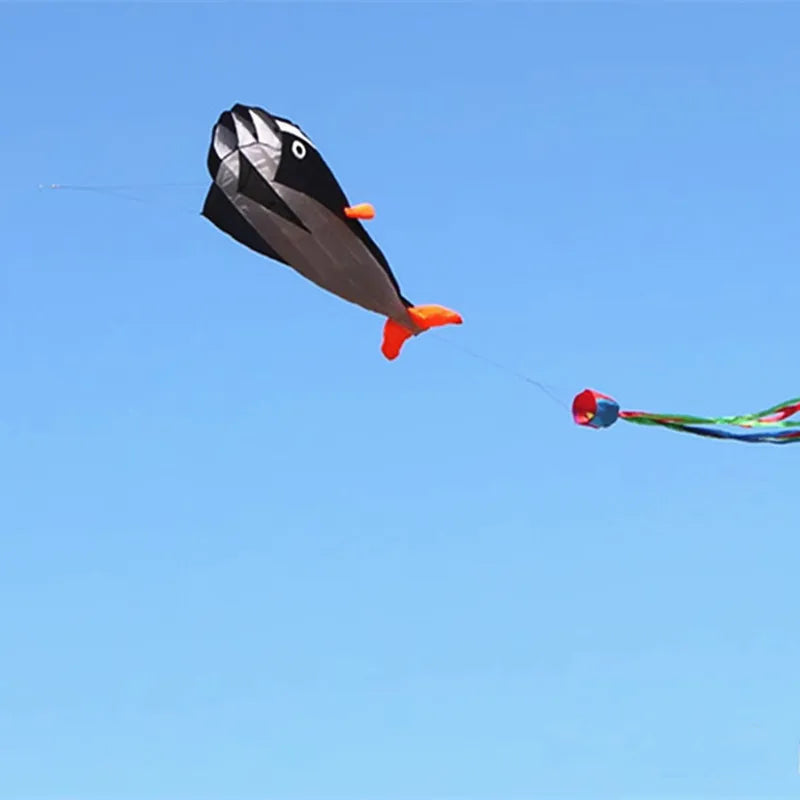
The easiest kite to fly for relaxed recreational kite fun — See it in action
Maintenance, Storage, and Safety Tips
- Clean dirt and sand from the sail after outdoor use.
- Store the kite dry to protect fabric and frame materials.
- Check strings and connectors before each flight.
- Avoid flying near roads, electrical wires, and crowded spaces.
Proper care helps beginner kites last longer and keeps every flying session safer.
Frequently Asked Questions
What is the easiest kite to fly for beginners?
Delta-style and single line animal-shaped kites are usually the easiest kites to fly because they offer natural stability, simple control, and easy launching.
Which kites are best for beginners?
The best beginner kites are lightweight, stable designs such as delta kites, parafoil kites, and single line animal-shaped kites.
Are delta kites better than diamond kites for beginners?
Delta kites are often easier for beginners because they typically provide more lift and better stability across changing wind conditions.
What wind speed is best for beginner kites?
Most beginner kites perform best in steady winds around 5–15 mph.
What size kite should a beginner buy?
A medium-size kite is usually the best starting point because it balances lift, control, and portability.
Are single line kites easier than stunt kites?
Yes. Single line kites are much easier because they require less coordination than two-line stunt kites.
Can adults learn to fly beginner kites easily?
Yes. Adults can learn quickly with a stable beginner kite because basic launching and control skills are simple to develop.
Do beginner kites need a tail?
Many beginner kites benefit from tails because they improve balance and reduce spinning.
Where is the safest place to fly a kite?
Open parks, beaches, and large fields away from obstacles are the safest locations for kite flying.
How do I keep my kite from crashing?
Choose steady wind, maintain gentle line tension, avoid over-pulling, and use a stable beginner design.





