

Best Kite for Beginners: Top Picks Compared for Easy Flying
What is the best beginner single line kite for easy control?
The best beginner single line kite is lightweight, well-balanced, and designed for steady lift in light winds. A truly easy to fly kite offers excellent kite stability, resists spinning, and launches smoothly, making it the easiest kite to fly for first-timers who want relaxed, frustration-free outdoor fun.
Best Beginner Single Line Kite: Which Is Easiest to Control?
⏱ 6 min read
Flying a kite should feel joyful, not stressful. If you’ve ever watched a kite crash repeatedly or spin out of control, you know how quickly excitement turns into frustration. So what makes the best beginner single line kite truly easy to control, stable in the air, and fun for all ages?
Which beginner kite actually stays up without constant tugging or tangled lines? Let’s break it down and help you choose with confidence.
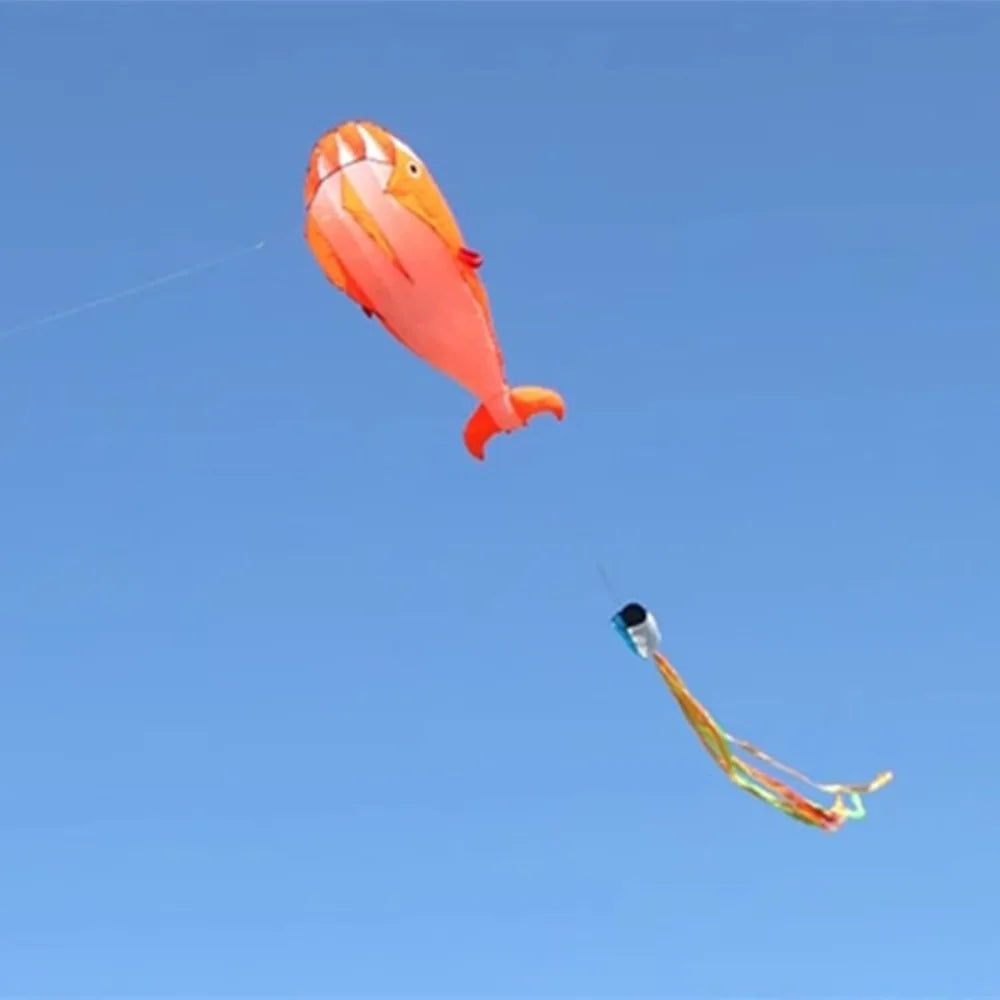
A best beginner single line kite designed for easy to fly kite control — 💡 See it in action
Why Single Line Kites Are Easiest for Beginners
Single line kites remove complexity. With just one line to manage, beginners can focus on enjoying the breeze instead of coordinating hand movements. This simplicity is why most recreational kites for families and kids use single line designs.
- Less setup time and fewer tangles
- Natural wind tracking improves kite stability
- Ideal for parks, beaches, and open fields
- Great shared activity for parents and kids
Many families pair outdoor play with learning moments, similar to activities found in Baby Growth & Learning, where simple experiences build confidence and coordination.
What Makes a Kite Truly Easy to Fly?
An easy to fly kite isn’t about size alone. It’s about balance, materials, and aerodynamic shape working together.
Key Features That Matter Most
- Wide wingspan: Improves lift and reduces sudden dives
- Lightweight fabric: Launches easily in low wind
- Flexible frame: Absorbs gusts instead of flipping
- Tail or stabilizers: Prevents spinning and wobble
Parents often appreciate products that “just work,” whether it’s outdoor toys or everyday helpers from Sensory Toys that encourage calm, focused play.
Beginner Kite Comparison: What to Look For Side by Side
| Feature | Basic Flat Kite | Delta-Style Kite | Animal-Shaped Kite |
|---|---|---|---|
| Ease of Launch | Medium | Very Easy | Easy |
| Kite Stability | Low–Medium | High | High |
| Wind Range | Narrow | Wide | Wide |
| Visual Appeal | Simple | Sporty | Fun & Engaging |
For first-time flyers, animal-shaped delta kites often strike the best balance between control and fun.
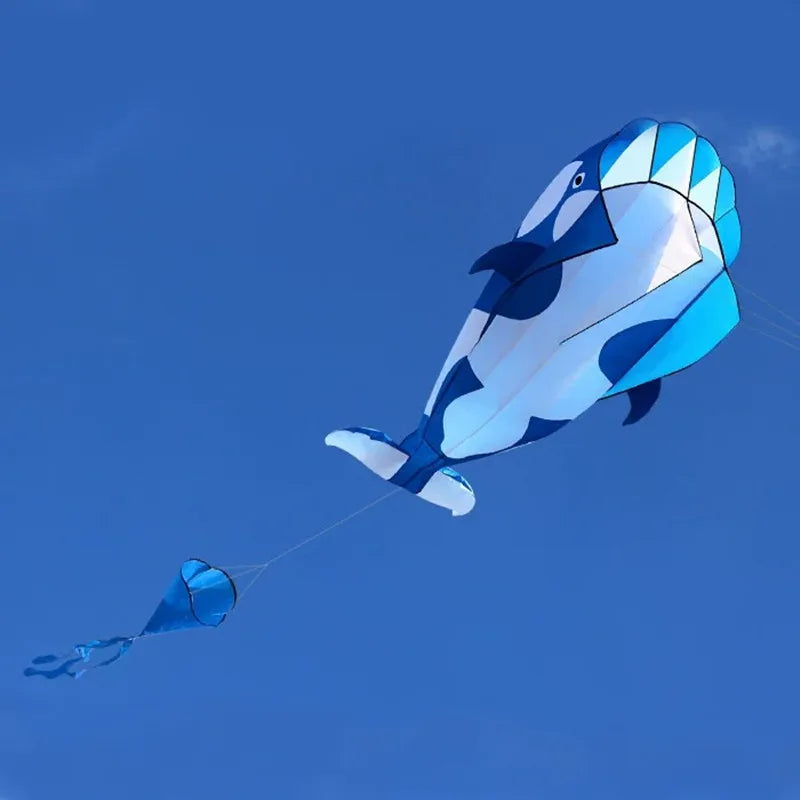
An easy to fly kite with excellent kite stability — 💡 See it in action
Top Pick for the Best Beginner Single Line Kite
The best beginner single line kite combines forgiving control with visual charm. Designs like the Whale & Dolphin Kite stand out for their balanced wings, soft fabric, and natural wind tracking.
This type of kite is often considered the easiest kite to fly because it self-corrects in gusts and stays aloft without constant pulling.
- Consistent lift in light to moderate wind
- Minimal spinning thanks to wide stabilizers
- Engaging design kids love to watch
You can view an example here: Whale Dolphin Kite
Parents report longer flight times and fewer crashes, making it a relaxing shared activity—much like winding down routines supported by Sleep & Comfort products.
How to Improve Kite Stability for First-Time Flyers
Even the most stable kites benefit from good technique. A few simple habits can make your experience smoother.
- Choose open areas away from trees and buildings
- Fly in steady wind (5–15 mph is ideal)
- Let the line out gradually after launch
- Keep a relaxed grip to allow natural movement
Think of it like learning balance skills—small adjustments create big improvements over time.
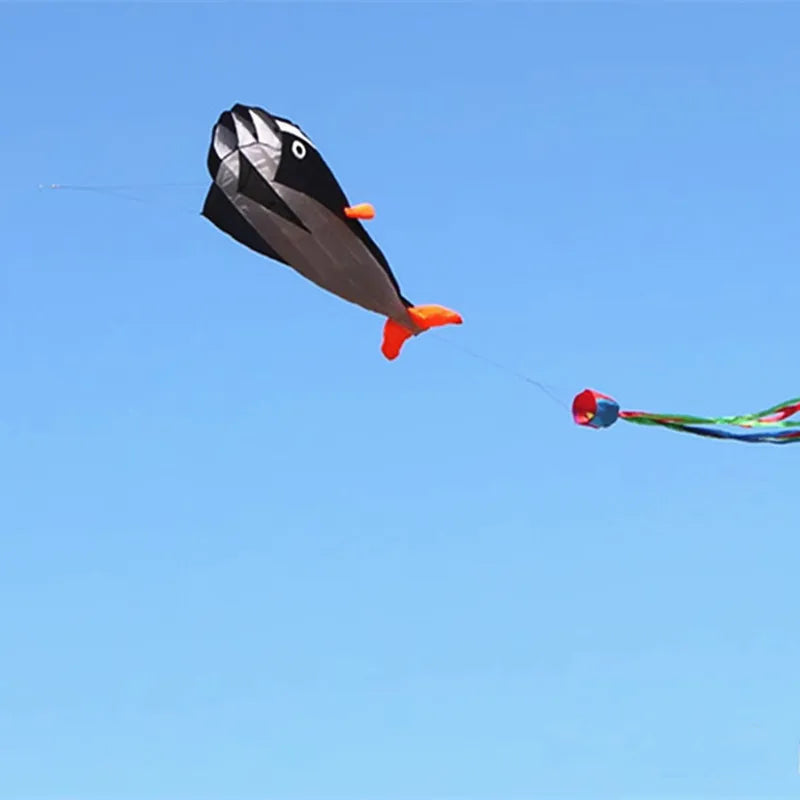
The easiest kite to fly for relaxed recreational kites fun — 💡 See it in action
Frequently Asked Questions
Is a single line kite better for kids?
Yes. Single line kites are simpler to control, making them ideal for kids and beginners. They reduce coordination demands and improve confidence quickly.
What wind speed is best for beginner kites?
Most beginner and recreational kites perform best in light to moderate wind, around 5–15 mph. Too much wind can overpower lightweight frames.
Do stable kites still need tails?
Many stable kites include tails or built-in stabilizers. These features help prevent spinning and improve overall kite stability.
How long does it take to learn to fly a kite?
With the best beginner single line kite, most people get the hang of it within minutes. Consistent lift and forgiving design make learning fast and enjoyable.





