

Best Educational Toys for 2 Year Olds 2026 That Build Real Skills
Best Learning Toys for 2 Year Olds (2026): Top Picks by Skill & Milestone
Best learning toys for 2 year olds help toddlers build essential skills through hands-on play rather than passive entertainment. At this age, children are developing language, problem-solving abilities, fine motor coordination, and confidence with everyday tasks, making the right educational toy a valuable investment.
With hundreds of products marketed as "educational," choosing the right one can be overwhelming. Some toys encourage creativity and independent exploration, while others rely mainly on lights and sounds with limited long-term learning value.
This guide highlights the best educational toys for 2 year olds in 2026 , organized by developmental goal. You'll discover expert buying tips, milestone-based recommendations, and practical advice to help you choose toys your toddler will enjoy now and continue learning from over the coming months.
Looking for more curated picks? Explore our Baby Growth & Learning collection for parent-approved educational toys.
Quick Answer: Best Educational Toys for 2 Year Olds (2026)
If you're short on time, these toy categories consistently deliver the greatest developmental value for most toddlers.
- Best for Fine Motor Skills: Shape sorters, stacking rings, peg boards, and nesting cups.
- Best for Language Development: Interactive books, musical keyboards, talking toys, and picture cards.
- Best for Cognitive Skills: Simple puzzles, sorting games, matching activities, and cause-and-effect toys.
- Best for Sensory Play: Musical instruments, textured toys, water play sets, and sensory bins.
- Best for Gross Motor Skills: Push walkers, ride-on toys, balance toys, and soft climbing equipment.
Quick buying shortcut: If you can purchase only one educational toy, choose an interactive toy that combines music, movement, and hands-on play. It supports multiple developmental milestones while keeping most 2-year-olds engaged for longer.
How We Chose the Best Educational Toys
Evaluation Criteria
Every recommendation in this guide was selected using the same practical standards parents use when shopping for toddler toys. We prioritized products that:
- Support age-appropriate developmental milestones.
- Encourage active, hands-on learning instead of passive screen-like play.
- Offer long-term value through multiple ways to play.
- Are durable enough for everyday toddler use.
- Remain engaging as children develop new skills.
Real-World Parent & Toddler Testing
The strongest educational toys are those children willingly return to. We favored toy categories known for promoting repeated independent play, caregiver interaction, creativity, and problem-solving rather than short-lived novelty.
Safety & Age-Appropriateness Standards
For 2-year-olds, safety is just as important as educational value. Look for toys with smooth edges, durable construction, non-toxic materials, securely attached components, and recommendations that match your child's age. Products that comply with recognized safety standards such as ASTM and CPSC guidelines provide additional peace of mind.
How to Choose the Right Educational Toy for Your 2-Year-Old
Match Toys to Developmental Milestones
Most toddlers between 24 and 36 months are strengthening several key developmental skills simultaneously. Choosing toys that align with these milestones helps children learn naturally through play.
- Fine motor control: Stacking blocks, turning knobs, threading large pieces, and pressing buttons.
- Language development: Naming familiar objects, following simple instructions, and speaking in short phrases.
- Problem-solving: Completing beginner puzzles, sorting by color or shape, and understanding cause and effect.
- Physical coordination: Walking confidently, climbing safely, pushing, pulling, and balancing.
The best learning toys for 2 year olds provide just enough challenge to build confidence without causing frustration.
Choose Toys That Encourage Independent Play
High-quality educational toys invite toddlers to explore, experiment, and repeat activities on their own. Open-ended toys such as stacking sets, building blocks, pretend play accessories, and simple musical instruments often remain useful longer because children discover new ways to play as their skills grow.
Key Buying Factors: Safety, Durability, Value
- Safety: Choose non-toxic materials, rounded edges, and age-appropriate designs that meet ASTM/CPSC safety expectations.
- Durability: Wooden toys and high-quality plastics typically withstand years of active toddler play.
- Learning value: Prioritize toys that develop multiple skills rather than offering only lights or sounds.
- Noise level: Adjustable volume or quieter toys are often better suited for everyday home use.
- Price: A versatile toy that supports several developmental milestones often delivers better long-term value than multiple single-purpose toys.
Best Educational Toys for 2 Year Olds by Learning Goal (2026 Picks)
Best Fine Motor Skills Toy
Top Recommendation: Shape Sorters & Stacking Toys
- Shape Sorters: Build hand-eye coordination, spatial awareness, and early problem-solving.
- Stacking Toys: Improve finger control, balance, and precision while introducing size and sequencing concepts.
- Bead Mazes: Strengthen finger dexterity and bilateral hand coordination.
Best for: Toddlers learning to grasp, stack, rotate, and manipulate objects with increasing accuracy.
Skills developed: Fine motor control, concentration, visual perception, and early logical thinking.
Why it's a top pick: Repetitive hands-on activities strengthen the small muscles used for future skills such as drawing, using utensils, and dressing independently while keeping play screen-free.
Pros:
- Excellent long-term developmental value.
- Encourages independent, self-paced play.
- Suitable for repeated daily practice.
Cons:
- Children may outgrow simpler sets without added challenges.
Best Language & Vocabulary Toy
Top Recommendation: Interactive Books & Music Toys
- Interactive Books: Encourage word recognition, listening skills, and storytelling.
- Talking Toys: Reinforce vocabulary through repetition and simple conversations.
- Music Toys: Introduce rhythm, sound patterns, and verbal imitation.
Featured Pick:
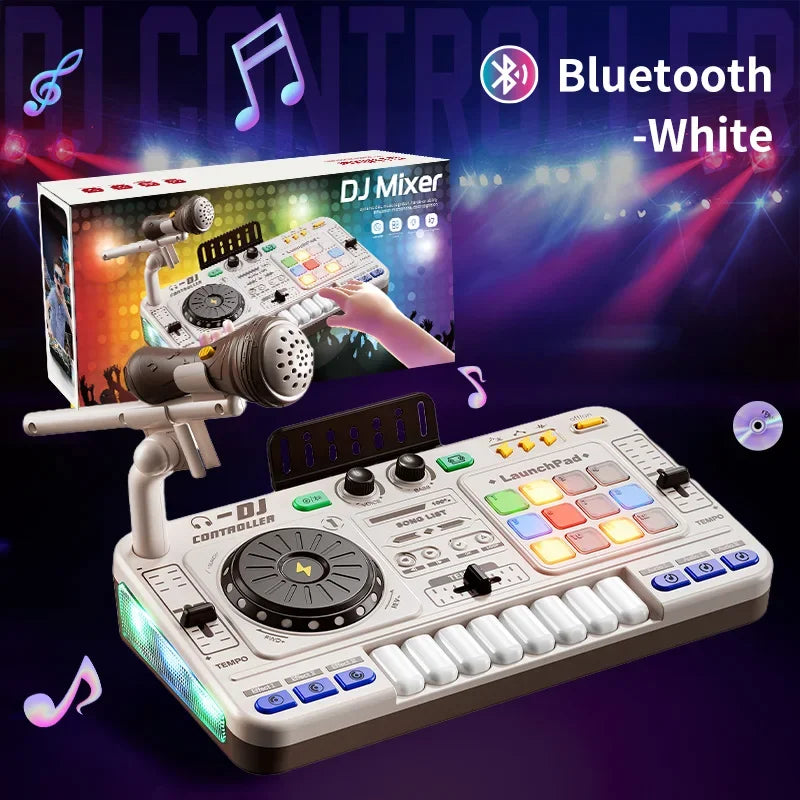
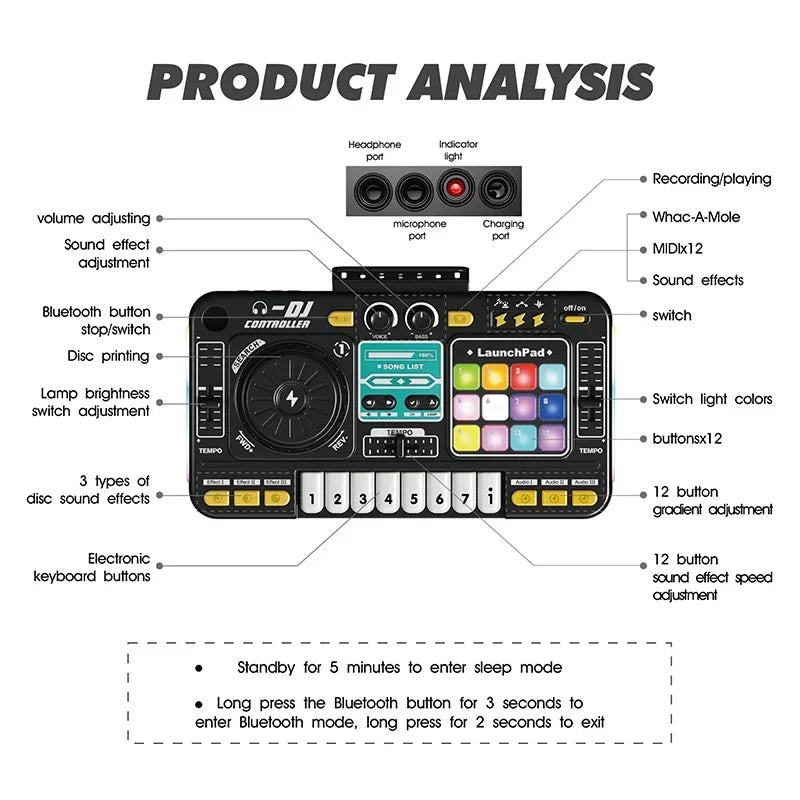
Kids DJ Mixer Toy Keyboard – Fun Music Learning Play
This interactive music toy combines hands-on play, rhythm, and sound exploration , making it an excellent option for supporting language development, creativity, and sensory learning in toddlers.
- DJ sound effects encourage auditory discrimination.
- Piano keys improve coordination while introducing rhythm.
- Interactive play promotes memory, imagination, and self-expression.
- Shared play with caregivers naturally builds vocabulary and communication.
Best for: Children who enjoy music, imitation, singing, and interactive play.
Why it's a top pick: Musical activities activate multiple areas of the brain simultaneously, helping toddlers associate sounds with words while improving listening skills and communication.
Explore more sensory and sound-based toys: Sensory Toys Collection
Pros:
- Supports language, sensory, and creative development together.
- Keeps toddlers engaged through interactive play.
Cons:
- Electronic features may be louder than traditional toys.
Best Cognitive & Problem-Solving Toy
Top Recommendation: Simple Puzzles & Sorting Toys
- Simple Puzzles: Introduce sequencing, shape recognition, and logical thinking.
- Sorting Toys: Teach colors, sizes, categories, and matching skills.
- Matching Games: Improve memory, attention, and visual discrimination.
Best for: Curious toddlers beginning to solve simple challenges independently.
Skills developed: Critical thinking, concentration, memory, and early reasoning.
Why it's a top pick: Completing puzzles and sorting activities encourages children to recognize patterns, understand cause and effect, and persist through small challenges.
Pros:
- Develops early problem-solving abilities.
- Improves focus and patience.
- Provides opportunities for parent-child interaction.
Cons:
- Some toddlers benefit from caregiver guidance during initial play sessions.
Best Sensory Play Toy
Top Recommendation: Musical & Textured Toys
- Musical Instruments: Stimulate hearing, rhythm, and creative expression.
- Textured Toys: Encourage tactile exploration and sensory awareness.
- Water Play Sets: Promote curiosity and hands-on experimentation.
Best for: Toddlers who enjoy exploring different sounds, textures, and movement.
Skills developed: Sensory processing, creativity, emotional regulation, and early scientific exploration.
Why it's a top pick: Rich sensory experiences help strengthen neural pathways while encouraging open-ended, imaginative play.
Pros:
- Highly engaging across multiple developmental areas.
- Encourages creativity and exploration.
Cons:
- Some sensory activities require additional cleanup.
Best Gross Motor Skills Toy
Top Recommendation: Push Toys & Ride-On Toys
- Push Toys: Improve balance, stability, and walking confidence.
- Ride-On Toys: Strengthen coordination, leg muscles, and steering skills.
- Climbing Toys: Develop strength, balance, and body awareness.
Best for: Active toddlers who enjoy moving, climbing, and exploring their surroundings.
Skills developed: Gross motor coordination, balance, muscle strength, and confidence.
Why it's a top pick: Daily active play supports healthy physical development while helping children build coordination through enjoyable movement.
Browse active play essentials: Mobility & Training Collection
Pros:
- Encourages healthy physical activity.
- Supports balance and whole-body coordination.
Cons:
- Many options require adequate indoor or outdoor play space.
Comparison Table: Best Educational Toys for 2 Year Olds
| Toy Type | Skills Taught | Recommended Age | Price Range | Best Use Case |
|---|---|---|---|---|
| Shape Sorter | Fine motor skills, hand-eye coordination | 24+ months | $ | Independent learning |
| Music Keyboard | Language, sensory development, creativity | 24+ months | $$ | Interactive play |
| Puzzle Set | Problem-solving, memory, logic | 24+ months | $ | Quiet learning time |
| Ride-On Toy | Balance, coordination, gross motor skills | 24-36 months | $$$ | Active indoor or outdoor play |
Still deciding? Explore more options in our Baby Growth & Learning Tips .
Best Educational Toys by Parent Need
Best Montessori Toy
Montessori-inspired toys focus on purposeful, hands-on learning using simple designs instead of flashing lights or complicated features. They encourage toddlers to explore independently and practice everyday skills at their own pace.
Recommended options:
- Wooden stacking toys for coordination and sequencing.
- Open-ended building blocks for creativity and problem-solving.
- Simple practical life toys that encourage everyday independence.
Best for: Families looking for screen-free, self-directed learning experiences that grow with their child.
Best STEM Toy
STEM learning for 2-year-olds should focus on exploration rather than formal science or mathematics. The best introductory STEM toys encourage toddlers to experiment with shapes, movement, balance, sorting, and simple cause-and-effect relationships.
- Building blocks and construction sets.
- Sorting and matching toys.
- Simple engineering-style stacking activities.
Best for: Curious toddlers who enjoy experimenting and discovering how objects work together.
Best Budget Toy
You don't need an expensive electronic toy to support early learning. Many affordable classics provide outstanding developmental value while remaining engaging for months.
- Shape sorters.
- Stacking cups.
- Wooden puzzles.
- Large building blocks.
Best for: Parents seeking maximum educational value at an affordable price.
Best Toy for Independent Play
Independent play helps toddlers build confidence, concentration, and problem-solving skills while giving caregivers opportunities to step back and observe.
Look for toys that have no single "correct" way to play and encourage repeated exploration.
- Shape sorters.
- Wooden blocks.
- Large peg boards.
- Simple puzzles.
Best Gift for a 2-Year-Old
If you're shopping for birthdays or holidays, choose gifts that combine entertainment with long-term developmental benefits.
- Interactive music toys.
- Ride-on toys.
- Wooden activity cubes.
- Multi-function learning centers.
These gifts typically remain engaging well beyond a child's second birthday because they support multiple developmental milestones as new skills emerge.
Montessori vs Electronic Educational Toys
Benefits of Montessori Toys
Montessori-style toys emphasize active learning, concentration, and independence. Rather than entertaining children through flashing lights or automatic sounds, they encourage toddlers to manipulate objects, solve problems, and explore at their own pace.
- Simple, distraction-free designs.
- Encourage independent exploration.
- Support practical, real-world skill development.
- Promote creativity through open-ended play.
When Electronic Learning Toys Make Sense
Electronic learning toys can be valuable when they encourage interaction instead of passive button pressing. Features such as music, guided language activities, and responsive sound effects can reinforce vocabulary, listening skills, and sensory development when used in moderation.
Choose electronic toys that allow children to remain active participants rather than simply watching or listening.
Which Option Fits Your Child?
Most families benefit from a balanced toy collection. Montessori-inspired toys are ideal for daily independent play, while carefully selected electronic toys can add variety, introduce music, and encourage language practice.
Combining both approaches gives toddlers opportunities to develop creativity, physical coordination, communication skills, and problem-solving through different types of play.
Discover minimalist play tools: Baby Care Essentials
Educational Toys for Different Lifestyles
Best Quiet Toys
Quiet toys are ideal for independent play, bedtime routines, apartments, shared living spaces, or focused learning sessions. They help toddlers build concentration without excessive noise or overstimulation.
- Wooden puzzles.
- Board books and interactive picture books.
- Stacking toys and nesting cups.
- Large building blocks.
These toys encourage longer attention spans while supporting language, fine motor skills, and problem-solving.
Best Travel Toys
Travel-friendly learning toys should be lightweight, compact, and easy to carry while keeping toddlers entertained during car rides, flights, or restaurant visits.
- Compact puzzles with large pieces.
- Reusable sticker or activity books.
- Small musical toys with adjustable volume.
- Stacking cups that nest together for storage.
Look for toys with minimal loose pieces to make packing and cleanup easier.
Best Toys for Small Spaces
If space is limited, prioritize versatile toys that provide multiple learning opportunities without taking over the room.
- Multi-functional activity cubes.
- Foldable activity centers.
- Stacking toys with compact storage.
- Convertible learning toys that support multiple stages of development.
Choosing fewer, higher-quality toys often keeps play areas more organized while encouraging deeper engagement.
Explore compact solutions: Smart Baby Gadgets
Safety, Cleaning & Toy Rotation Tips
Toy Safety Checklist
Educational toys should always match your child's age, abilities, and stage of development. Before purchasing or introducing a new toy, check that it:
- Uses non-toxic, child-safe materials.
- Has smooth edges and durable construction.
- Contains securely attached parts without small choking hazards.
- Matches the manufacturer's recommended age range.
- Is regularly inspected for wear, cracks, or loose pieces.
Cleaning Different Toy Materials
Keeping toys clean helps reduce the spread of germs while extending their lifespan.
- Plastic toys: Wash with warm soapy water or wipe with a child-safe disinfectant.
- Wooden toys: Wipe using a damp cloth and dry immediately to prevent moisture damage.
- Fabric toys: Follow the manufacturer's washing instructions and air dry thoroughly.
- Electronic toys: Remove batteries if recommended and clean exterior surfaces with a lightly damp cloth.
Regular cleaning is especially helpful for toys that toddlers frequently place in their mouths.
How Many Toys Should a 2-Year-Old Have?
More toys do not necessarily create better learning opportunities. Many child development specialists recommend rotating a smaller selection of toys every one to two weeks rather than leaving everything available at once.
Toy rotation offers several benefits:
- Maintains interest without buying new toys.
- Reduces overstimulation and clutter.
- Encourages deeper, more focused play.
- Helps toddlers rediscover familiar toys with new skills and abilities.
A thoughtfully selected collection of educational toys often provides greater developmental value than a large number of rarely used toys.
Conclusion: Which Educational Toy Is Best for Your Child?
The best educational toys for 2 year olds in 2026 are the ones that match your toddler's current abilities while encouraging the next stage of development. Instead of choosing toys based on popularity alone, focus on options that inspire active exploration, independent play, creativity, and everyday learning.
If you're unsure where to begin, these categories offer excellent long-term value:
- Fine motor development: Shape sorters, stacking toys, and peg boards.
- Language growth: Interactive books and music-based learning toys.
- Cognitive development: Simple puzzles, sorting toys, and matching games.
- Sensory exploration: Musical instruments and textured play materials.
- Gross motor skills: Push toys, ride-on toys, and climbing equipment.
Rotating a small collection of high-quality educational toys keeps playtime fresh while helping toddlers build confidence through repeated practice and discovery.
Ready to choose? Browse our full learning toy collection to find the perfect fit for your toddler.
Frequently Asked Questions
What are the best educational toys for 2 year olds in 2026?
The best educational toys include shape sorters, stacking toys, beginner puzzles, interactive books, musical keyboards, ride-on toys, and open-ended building blocks. These toys support multiple developmental milestones while remaining engaging as toddlers grow.
What toys help a 2-year-old learn the most?
Toys that encourage active participation typically provide the greatest educational value. Shape sorters, puzzles, pretend play toys, music toys, and building blocks help develop language, fine motor skills, cognitive abilities, creativity, and problem-solving.
Are Montessori toys better than electronic learning toys?
Neither category is universally better. Montessori-inspired toys encourage independent, screen-free exploration, while thoughtfully designed electronic toys can reinforce language, music, and sensory learning. A balanced mix of both often provides the greatest variety of learning experiences.
How many toys should a 2-year-old have?
Quality matters more than quantity. Maintaining a smaller collection and rotating toys every one or two weeks helps reduce clutter, sustain interest, and encourage deeper, more focused play.
What skills should educational toys develop at age 2?
Educational toys should primarily support fine motor coordination, gross motor development, language growth, early problem-solving, creativity, sensory exploration, and social interaction through play.
Are STEM toys suitable for 2-year-olds?
Yes. Age-appropriate STEM toys introduce simple concepts through stacking, sorting, building, and cause-and-effect activities rather than formal science or mathematics instruction.
What is the safest material for toddler toys?
Look for toys made from durable, non-toxic materials with smooth edges and securely attached parts. High-quality wood and BPA-free plastics from reputable manufacturers are common choices for toddlers.
What makes a toy developmentally appropriate for a 2-year-old?
A developmentally appropriate toy matches a toddler's current abilities while providing a manageable challenge that encourages new skills. The best toys promote hands-on exploration, repeated practice, creativity, and independent play without causing frustration.
Pillar Article: 25 Cool Toys for 3 Year Olds That Kids Actually Love (2026 Guide)





