

Educational Toys for 4–5 Year Olds That Build Real Skills
15 Best Learning Toys for Four Year Olds (Ages 4–5) That Actually Build Skills
Choosing the best learning toys for four year olds can be challenging. While many products claim to be educational, the most valuable toys encourage active play and help children develop skills they'll use in preschool and kindergarten, including problem-solving, early literacy, creativity, communication, and fine motor coordination.
This guide highlights carefully selected learning toys for ages 4–5 based on the developmental skills they support. Whether you're shopping for a birthday gift, classroom resource, or everyday educational play, you'll find recommendations organized by learning goal to make choosing easier.
Inside this guide: top picks by skill, key developmental benefits, age suitability, advantages and drawbacks, and practical buying advice to help you choose toys that offer lasting educational value.
Quick Picks: Best Learning Toys for 4–5 Year Olds by Skill
- Best STEM Toy: Magnetic Building Tiles – encourages engineering thinking, spatial awareness, and open-ended construction.
- Best Literacy Toy: Phonics Letter Board – strengthens letter recognition, vocabulary, and early reading confidence.
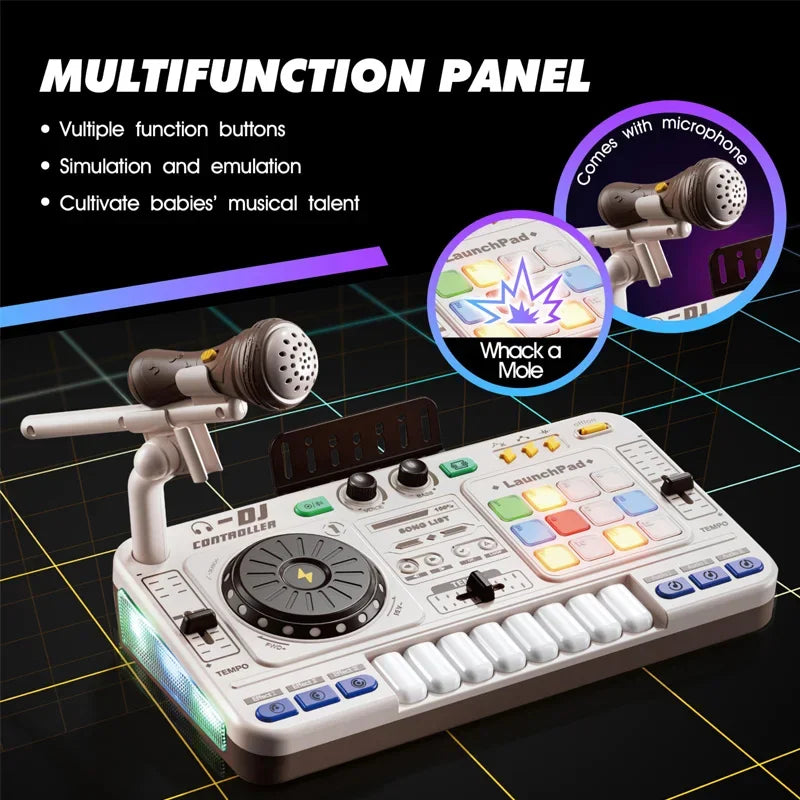
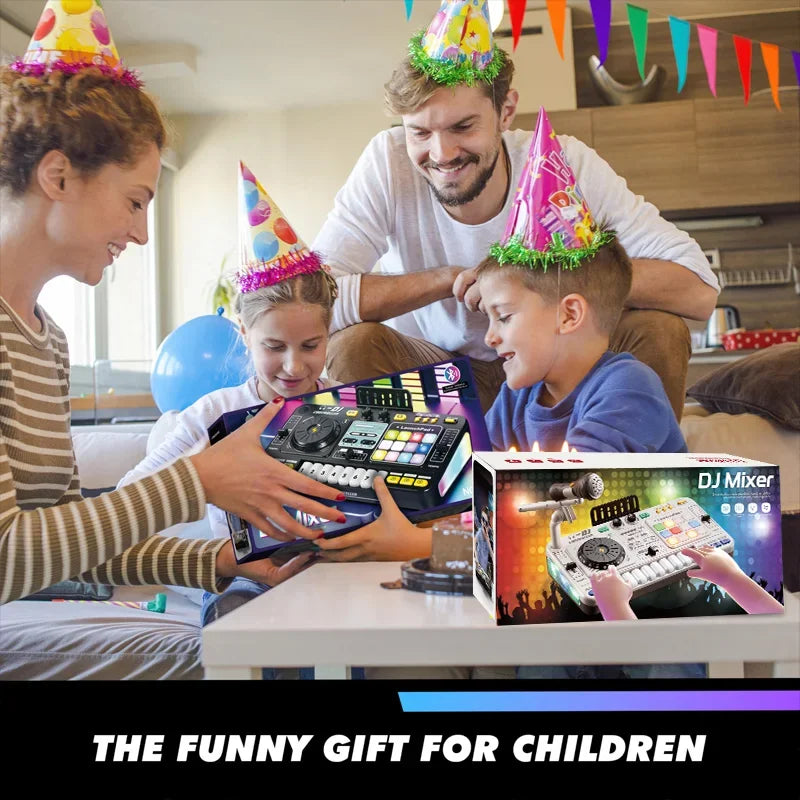
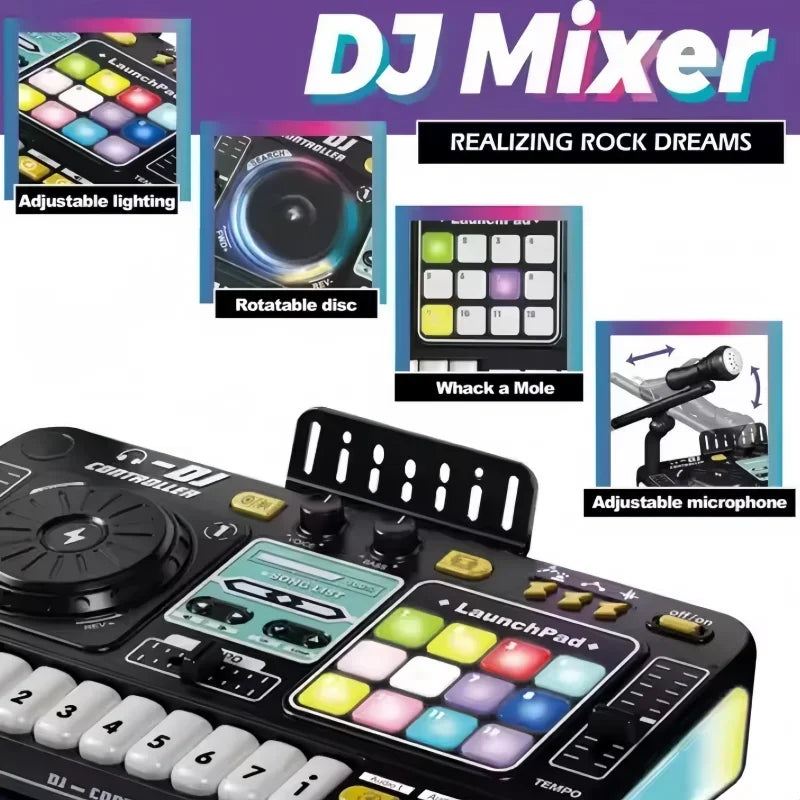
- Best Creative Toy: Kids DJ Mixer Keyboard – inspires musical exploration, creativity, and sensory engagement.
- Best Fine Motor Toy: Lacing Beads Set – develops hand-eye coordination, dexterity, and concentration.
How to Choose the Right Learning Toy for Ages 4–5
Match Toys to Developmental Milestones
Children between four and five years old make rapid progress across multiple developmental areas. Selecting toys that match these milestones helps keep play engaging while supporting meaningful learning.
- Cognitive development: solving problems, recognizing patterns, planning, and logical thinking.
- Language development: expanding vocabulary, storytelling, phonics awareness, and listening skills.
- Fine motor development: drawing, cutting, tracing, buttoning, and manipulating small objects.
- Social and emotional development: cooperative play, communication, confidence, and imaginative role play.
The most effective educational toys encourage children to experiment, make decisions, and learn through hands-on exploration rather than passive entertainment.
Skill-Based Buying: What Does Your Child Need Most?
Choosing toys based on a child's current interests and learning goals often provides better long-term value than simply buying the newest trend.
- STEM toys: Build critical thinking, reasoning, engineering concepts, and early math readiness.
- Literacy toys: Support letter recognition, phonics, vocabulary growth, and confidence with reading.
- Creative toys: Encourage imagination, music, storytelling, and emotional expression.
- Fine motor toys: Improve coordination, finger strength, precision, and independence during everyday tasks.
Play Style Filters: Quiet, Travel, or Independent Play
Consider how and where the toy will be used. Quiet activities like puzzles, letter boards, and logic games work well during independent play. Compact flashcards and travel-sized games are convenient for road trips or waiting rooms, while open-ended construction toys and creative sets provide longer play sessions at home.
Best STEM Learning Toys for Problem-Solving and Logic
Why STEM Toys Work at Ages 4–5
STEM toys introduce children to cause-and-effect thinking through building, testing, experimenting, and improving their ideas. These experiences strengthen problem-solving skills, persistence, spatial reasoning, and confidence while making learning enjoyable.
-
Magnetic Building Tiles
- Create countless structures while developing engineering concepts and spatial awareness.
- Encourage experimentation through open-ended building challenges.
- Pros: Highly versatile, durable, encourages years of creative play.
- Cons: Premium sets can be relatively expensive.
-
Simple Coding Robot Toy
- Introduces sequencing, logical thinking, and basic coding concepts without requiring advanced reading skills.
- Pros: Makes technology approachable through interactive play.
- Cons: Younger children may benefit from initial adult guidance.
-
Puzzle Logic Games
- Develop concentration, planning, memory, and step-by-step reasoning.
- Pros: Excellent for screen-free independent learning.
- Cons: Individual puzzle sets may eventually be mastered.
Soft CTA: Explore more skill-building toys in our Baby Growth & Learning collection .
Best Literacy Toys to Build Early Reading and Language Skills
How These Toys Support School Readiness
Strong literacy skills begin long before children read independently. The best literacy toys encourage children to recognize letters, connect sounds with words, build vocabulary, and practice storytelling through interactive play. These activities lay an excellent foundation for kindergarten reading and writing.
-
Phonics Flashcards
- Reinforce letter recognition, beginning sounds, and simple word building.
- Pros: Budget-friendly, portable, and easy to incorporate into short daily practice sessions.
- Cons: Most effective when used with a parent or caregiver.
-
Interactive Storybooks
- Develop listening comprehension, vocabulary, and reading confidence through engaging stories and sound features.
- Pros: Keeps children engaged while introducing new words and concepts.
- Cons: Electronic versions require batteries.
-
Alphabet Puzzle Boards
- Combine tactile letter recognition with fine motor practice as children match letters to their correct positions.
- Pros: Supports both literacy and hand-eye coordination.
- Cons: May become less challenging once the alphabet is mastered.
Best Creative Play Toys for Imagination and Expression
Creative play helps preschoolers develop imagination, communication, confidence, and emotional expression. Open-ended toys encourage children to invent stories, experiment with music, and express ideas without worrying about finding a single "correct" answer.
-
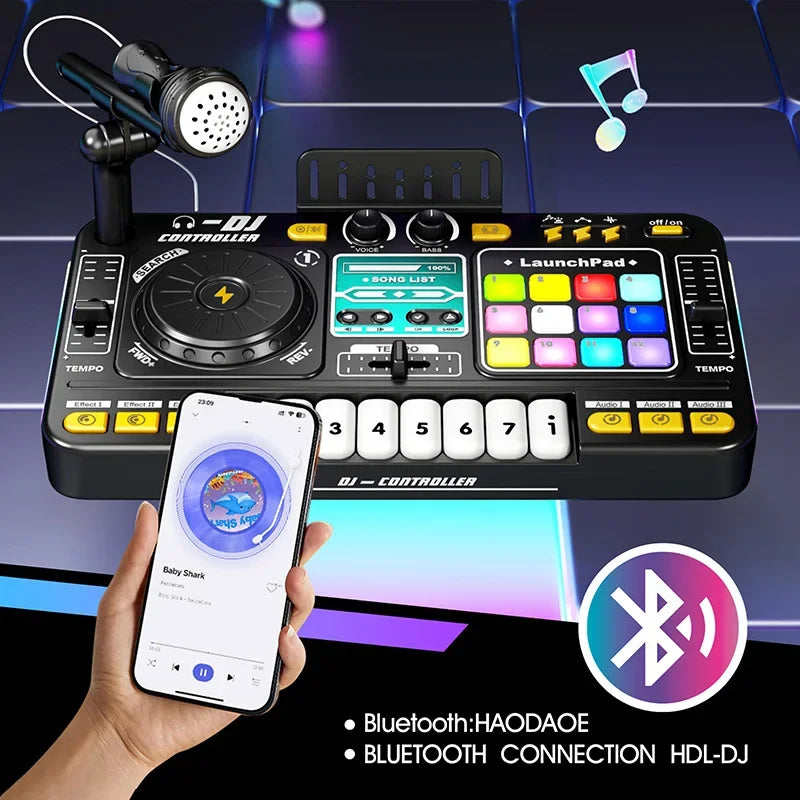
Kids DJ Mixer Toy Keyboard
This interactive music toy encourages children to explore rhythm, melodies, and sound effects while creating their own musical experiences. Instead of simply pressing buttons, children actively experiment with different combinations, supporting creativity and confidence.
- Why this works: Musical play stimulates multiple areas of the brain involved in memory, listening, coordination, and creative thinking.
-
Pros:
- Encourages imaginative and sensory-rich play.
- Keeps children engaged with interactive music activities.
- Portable design makes it suitable for home or travel.
-
Cons:
- Requires batteries for operation.
- Volume may not be ideal during quiet activities.
-
Art & Craft Kits
- Encourage creativity while strengthening drawing, cutting, coloring, and fine motor skills.
- Pros: Endless opportunities for imaginative projects.
- Cons: Some activities require supervision and cleanup.
-
Pretend Play Sets
- Support storytelling, language development, empathy, and cooperative play through role-playing.
- Pros: Excellent for social interaction and imaginative thinking.
- Cons: Larger sets can require additional storage space.
Best Toys for Fine Motor Skills and Hands-On Learning
Fine motor development is essential for preschoolers preparing to write, use scissors, fasten clothing, and complete everyday classroom tasks. Toys that involve grasping, threading, stacking, or molding help strengthen the small muscles of the hands while improving coordination and concentration.
-
Lacing Beads Set
- Improves hand-eye coordination, bilateral coordination, and finger control.
- Pros: Excellent for building focus, patience, and precision.
- Cons: Small pieces should always be used under adult supervision.
-
Building Blocks
- Develop grip strength, spatial reasoning, creativity, and problem-solving through open-ended construction.
- Pros: Durable, versatile, and suitable for years of play.
- Cons: Pieces require organization and cleanup after playtime.
-
Play Dough Kits
- Strengthen finger muscles while encouraging creativity, sensory exploration, and early shape recognition.
- Pros: Hands-on, engaging, and highly adaptable for different activities.
- Cons: Dough can dry out if not stored properly.
Comparison Table: Best Learning Toys by Skill, Price, and Difficulty
| Toy | Primary Skill | Difficulty | Best For |
|---|---|---|---|
| Magnetic Building Tiles | STEM & Spatial Reasoning | Medium | Creative problem-solving and engineering play |
| Phonics Flashcards | Early Literacy | Easy | Letter recognition and beginning reading |
| Kids DJ Mixer Keyboard | Creativity & Music | Easy | Self-expression, rhythm, and sensory exploration |
| Lacing Beads Set | Fine Motor Skills | Medium | Hand-eye coordination and concentration |
This comparison makes it easier to match a toy with your child's current developmental goals. Many families find that combining one creative toy with one STEM or literacy activity provides a balanced learning experience throughout the week.
Soft CTA: Browse more curated toys in our Sensory Toys collection for hands-on learning ideas.
Why These Learning Toys Actually Work (Backed by Development Science)
Educational toys are most effective when children actively participate in discovering, building, experimenting, and creating. Rather than simply watching or pressing buttons, preschoolers strengthen important cognitive, language, motor, and social skills through repeated hands-on experiences.
Research in early childhood education consistently shows that playful learning supports brain development because children remain motivated, curious, and willing to solve new challenges. Open-ended activities also encourage children to practice skills repeatedly without feeling like they're completing formal lessons.
Key characteristics shared by high-quality learning toys include:
- Active engagement: Children learn by manipulating objects, making choices, and experimenting with different solutions.
- Repetition with variety: Repeating similar challenges in new ways helps strengthen memory and build lasting skills.
- Open-ended play: Toys with multiple ways to play encourage creativity, independent thinking, and flexible problem-solving.
- Multi-sensory experiences: Combining movement, touch, sound, and visual exploration improves understanding and retention.
- Age-appropriate challenges: Toys that are neither too easy nor too difficult help children stay engaged while building confidence.
Parents can maximize learning by joining play occasionally, asking open-ended questions, encouraging children to explain their ideas, and allowing them time to solve problems independently before offering help.
Toy Safety and Buying Tips for Ages 4–5
When shopping for educational toys for 4 and 5 year olds, learning value should always go hand in hand with safety and durability. A well-designed toy can support years of skill development while giving parents peace of mind.
- Choose age-appropriate toys: Follow the manufacturer's recommended age range to ensure activities match your child's developmental abilities.
- Watch for small parts: Although many four- and five-year-olds can safely use smaller pieces, adult supervision is still recommended for toys containing beads, magnets, or detachable components.
- Look for durable materials: High-quality wood, BPA-free plastics, and sturdy construction withstand frequent use and repeated play.
- Check safety certifications: Purchase toys that meet recognized safety standards and are free from sharp edges or loose components.
- Consider easy storage: Toys with storage containers or reusable boxes help keep pieces together and encourage children to clean up independently.
- Prioritize open-ended play: Toys that can be used in multiple ways often provide greater long-term educational value than single-purpose activities.
Soft CTA: Explore our full range of learning toys designed for real development .
Conclusion: The Right Toy Makes a Real Difference
The best learning toys for four year olds combine fun with meaningful skill development. Whether your child enjoys building, reading, creating music, solving puzzles, or imaginative play, choosing toys that match their interests helps build confidence while supporting cognitive, language, motor, and social development.
Rather than filling a playroom with dozens of products, focus on a small collection of high-quality educational toys that encourage repeated, open-ended play. These experiences help children develop problem-solving abilities, creativity, independence, and a lifelong love of learning.
Final CTA: Start with one or two skill-focused toys and gradually expand your collection as your child's interests and abilities grow.
Pillar Article: 25 Cool Toys for 3 Year Olds That Kids Actually Love (2026 Guide)





