

Baby Crawling Socks Worth Buying for Better Grip & Comfort
What are the best baby crawling socks?
Best baby crawling socks combine soft materials, secure fit, and reliable grip to help little ones move confidently during early mobility stages. The ideal crawling socks for babies provide traction on slippery surfaces, stay comfortable during active play, and support safe exploration without restricting natural foot movement.
Best Non Slip Baby Socks Compared for Safer Crawling
⏱ 8 min read
Choosing the best non slip baby socks can help babies feel more stable as they learn to crawl, pull forward, and explore new spaces. The right baby crawling socks provide grip on hardwood floors, tile, and other smooth surfaces while keeping tiny feet comfortable with breathable materials. From silicone traction patterns to secure cuffs and soft fabrics, the best socks for crawling babies should balance safety, comfort, and durability. Which features actually make a difference during everyday crawling?
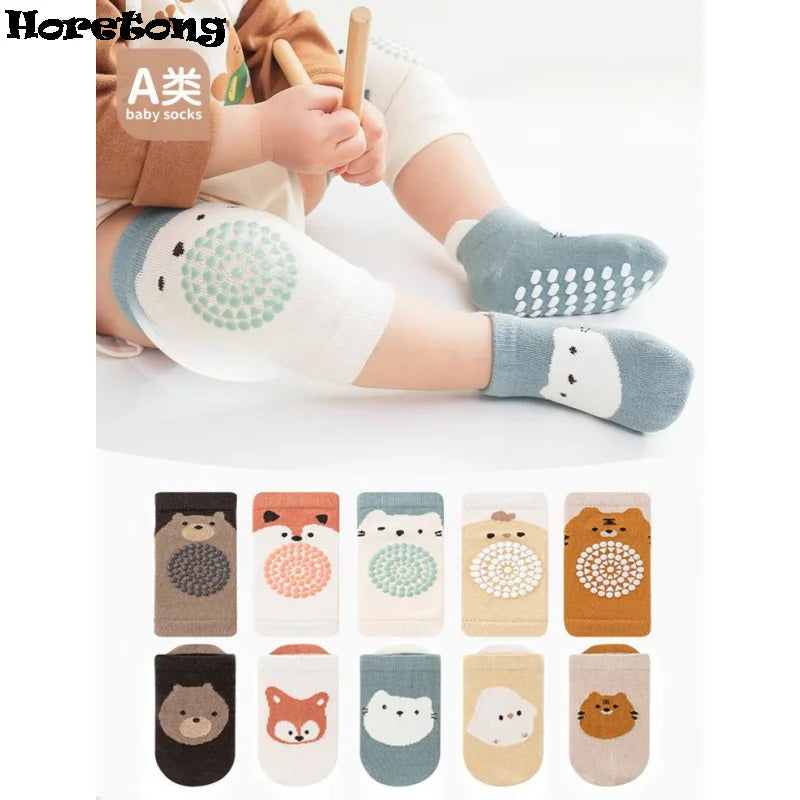
Best non slip baby socks improve crawling safety on hardwood floors
Why Baby Crawling Socks Matter
When babies begin crawling, their feet become an important part of balance, pushing, and coordination. Smooth surfaces such as hardwood floors and tile can make movement more difficult because regular socks often slide instead of gripping.
Baby crawling socks with non slip soles help reduce unwanted movement by adding traction between the foot and floor. This allows babies to focus on developing crawling skills instead of repeatedly losing balance.
- Helps reduce slipping during early crawling attempts
- Supports confidence while learning new movements
- Provides comfort during longer play sessions
- Improves stability on smooth indoor floors
How Grip Improves Traction
Grip socks for babies usually feature silicone or rubberized patterns on the sole. These textured areas create friction between the sock and the floor, helping babies push forward instead of sliding backward.
When Babies Benefit Most
Socks for babies learning to crawl are most useful when infants start spending more time on the floor, practicing crawling, pulling up, or cruising along furniture. They are especially helpful in homes with hardwood, laminate, or tile flooring.
Barefoot vs Grip Socks
Barefoot crawling can provide excellent sensory feedback in safe environments. However, baby grip socks for crawling offer extra protection and traction when floors are cold, slippery, or require additional comfort.
Parents often combine crawling essentials with other safety resources from Health & Safety collections to create a more secure play environment.
How Anti Slip Baby Socks Work
Not every pair of baby socks provides effective traction. The best non slip baby socks are designed around grip performance, breathable materials, and a secure fit that stays comfortable throughout daily movement.
Grip Pattern Technology
High-quality anti slip baby socks use silicone grip designs across key contact areas of the sole. Full-sole coverage generally performs better than small heel-only patterns because crawling involves toes, midfoot, and heel movement.
Material and Breathability
Soft cotton infant socks help regulate temperature and keep feet comfortable during active play. Breathable fabrics reduce moisture buildup while maintaining a gentle feel against sensitive baby skin.
Stretch, Fit, and Cuff Security
The right crawling socks should stay in place without feeling restrictive. A flexible stretch design and soft elastic cuff help prevent socks from slipping off while allowing natural foot movement.
Grip Durability
Durable silicone grips should maintain traction after repeated washing. Poor-quality grip materials may crack, peel, or lose effectiveness over time.
Side-by-Side Comparison Table
| Feature | Standard Baby Socks | Basic Grip Socks | Best Non Slip Baby Socks |
|---|---|---|---|
| Grip strength | ❌ Minimal traction | ⚠️ Moderate grip | ✅ Strong silicone traction |
| Material comfort | ⚠️ Varies | ⚠️ Mixed fabrics | ✅ Soft breathable cotton blend |
| Age suitability | Newborn to toddler use | Early walkers and crawlers | Ideal for crawling stages |
| Best floor type | Carpet and soft surfaces | Lightly smooth floors | Hardwood, tile, laminate |
| Crawling support | ❌ May slide | ⚠️ Improved stability | ✅ Designed for active crawling |
For parents building a safer crawling setup, pairing grip socks with supportive items from Baby Growth & Learning can encourage healthy movement habits.
Best Baby Crawling Socks Reviewed
The best socks for crawling babies should deliver reliable grip, comfortable materials, and everyday durability. After comparing traction, comfort, fit, and value, one option stands out for families looking for additional support during crawling.
Best Overall: Best Non Slip Baby Socks with Knee Protection
The Best Non Slip Baby Socks with Knee Protection combine crawling support with protective knee coverage. The design helps improve traction while adding comfort for babies spending more time exploring floors.
Pros:
- Provides grip support for hardwood floors
- Combines socks and knee protection in one design
- Comfortable for extended crawling sessions
- Helps reduce friction on knees during movement
Cons:
- May not be necessary for babies who mainly crawl on carpet
- Parents should still choose the correct size for best performance
Best for Hardwood Floors
For homes with slippery flooring, baby socks for hardwood floors should prioritize full-sole traction. Silicone grip coverage and secure sizing help prevent backward sliding during crawling attempts.
Best Breathable Option
Lightweight cotton infant crawling socks are ideal for warmer climates or babies who tend to have warmer feet. Breathability helps maintain comfort during active play.
Best Value
Parents looking for everyday use should choose crawling socks with washable materials, durable grips, and designs that remain comfortable after frequent wear.
Best for Early Crawlers
Early crawlers benefit from soft, flexible socks that provide traction without limiting natural foot movement while they learn balance and coordination.
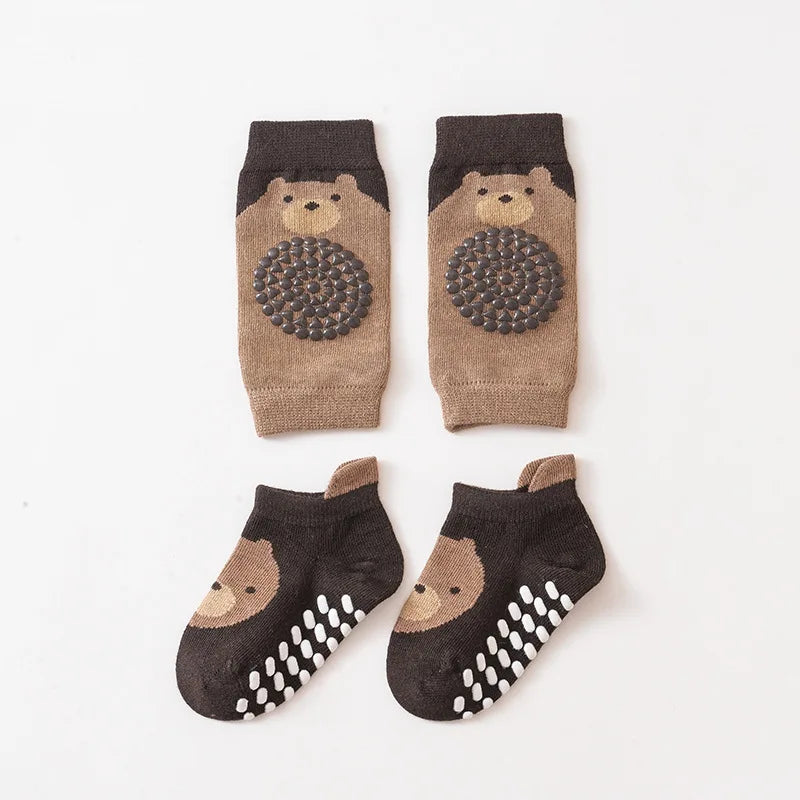
Cotton infant socks designed for crawling safety on hardwood floors
How to Choose the Right Crawling Socks
Selecting baby crawling socks becomes easier when you focus on your baby's age, foot size, environment, and activity level.
Sizing by Age and Foot Length
Age ranges are helpful, but foot length provides a more accurate fit. Socks that are too loose may fall off, while overly tight socks can restrict movement.
Floor-Type Performance
Hardwood floors, tile, and laminate require stronger traction compared with carpet. Choose socks with reliable grip patterns if your baby spends most playtime on smooth surfaces.
Material Guide
Cotton blends are popular because they combine softness, breathability, and stretch. Avoid overly thick fabrics that may cause overheating.
Seasonal Considerations
Warmer months may require lightweight breathable socks, while cooler seasons may benefit from slightly thicker materials that keep feet comfortable.
Common Buying Mistakes
- Choosing the wrong size: Loose socks can slide off and reduce grip effectiveness.
- Ignoring grip quality: Small or weak patterns may not provide enough traction.
- Selecting poor materials: Non-breathable fabrics can make babies uncomfortable.
- Ignoring floor type: Different surfaces require different grip performance.
Care, Washing, and Grip Durability
Proper care helps non slip baby socks maintain softness and traction over time. Washing habits can directly affect silicone grip performance.
How to Wash
Turn socks inside out before washing when possible. Use gentle cycles and avoid harsh chemicals that may weaken fabric fibers or grip materials.
When to Replace
Replace crawling socks when the silicone grip becomes worn, the fabric loses elasticity, or the socks no longer stay securely on your baby's feet.
Maintaining Grip
Avoid high heat drying because excessive temperatures may reduce grip durability. Air drying helps preserve both fabric quality and traction.
Who Should Skip Crawling Socks?
While baby crawling socks are useful in many situations, they are not required for every environment.
- Babies crawling safely on clean, warm surfaces may prefer barefoot movement.
- Medical concerns involving feet or circulation should be discussed with a healthcare professional.
- Very warm environments may require lighter options to prevent overheating.
- Soft carpeted areas may not require additional grip.
Frequently Asked Questions
What are the best baby crawling socks?
The best baby crawling socks combine secure sizing, breathable materials, and strong non slip grips. Options with silicone traction and comfortable fabrics are ideal for active crawlers.
Are non slip baby socks safe for everyday use?
Yes. Non slip baby socks are generally safe for everyday use when they fit properly, allow natural foot movement, and are made from comfortable breathable materials.
Do grip socks help babies crawl on hardwood floors?
Yes. Baby socks for hardwood floors can improve traction by reducing sliding and helping babies push forward with more stability.
Should babies crawl barefoot or wear grip socks?
Barefoot crawling can support natural sensory development, while grip socks are helpful when floors are cold, slippery, or require extra protection.
How do I measure my baby's feet for crawling socks?
Measure your baby's foot length from heel to longest toe and compare it with the manufacturer's sizing guide for the best fit.
How often should anti slip baby socks be replaced?
Replace anti slip baby socks when grips wear down, fabric becomes stretched, or the socks no longer stay securely in place during movement.





