

Physics Circuit Learning Kit Students Need for STEM Skills
Best Physics Circuit Learning Kit Students Can Use for Hands-On Experiments
Learning electricity and circuits becomes much easier when students can test ideas through real experiments. A physics circuit learning kit for students turns concepts like voltage, current, resistance, and electromagnetism into practical activities where learners build, measure, and observe how electrical systems work.
Unlike textbook-only lessons, a hands-on physics learning kit allows students to create working circuits, troubleshoot problems, and understand the relationship between electrical components. These kits are valuable tools for STEM classrooms, homeschool science programs, and young learners exploring engineering concepts.
This guide covers the best physics circuit learning kits for students, including beginner options, school-ready experiment kits, and advanced physics lab kits. You will also find experiment ideas, buying criteria, safety tips, and guidance for choosing the right kit based on age and learning goals.
What Is a Physics Circuit Learning Kit for Students?
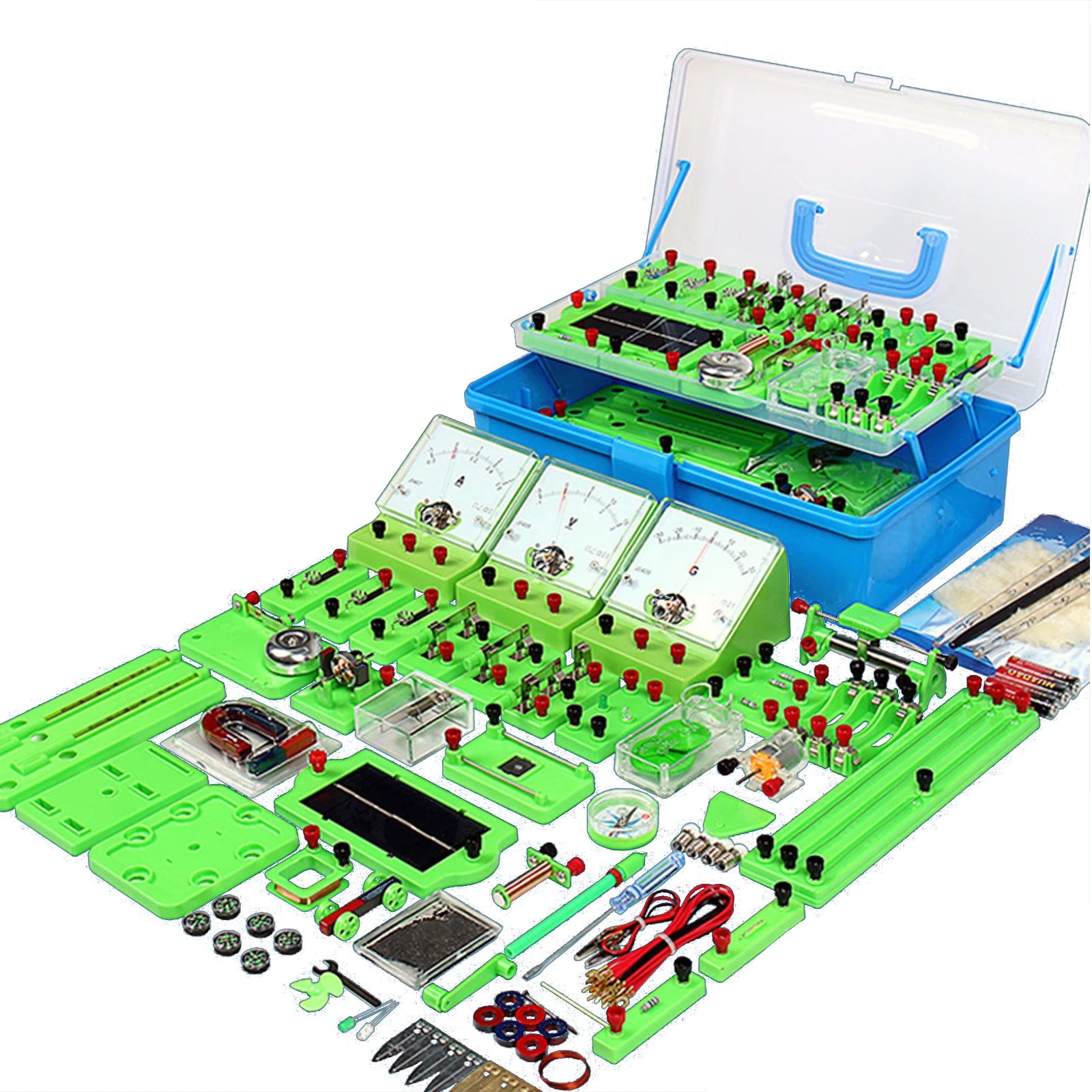
A physics circuit learning kit for students is an educational set of electrical and magnetic components designed to teach physics through direct experimentation. Instead of only reading circuit diagrams, students physically connect components, observe results, and test how electricity behaves.
These physics kits for students are commonly used in STEM education because they combine science theory with engineering practice. Students can explore electricity, magnetism, energy transfer, and circuit design by completing structured experiments.
Key Components Found in Most Student Circuit Kits
A quality electrical circuit kit for students typically includes reusable components that support multiple projects. Common parts include:
- Batteries or low-voltage power supplies
- Connecting wires and circuit boards
- LED lights or bulbs
- Switches
- Resistors
- Motors and buzzers
- Magnets and electromagnetic coils
- Solar panels or energy conversion components
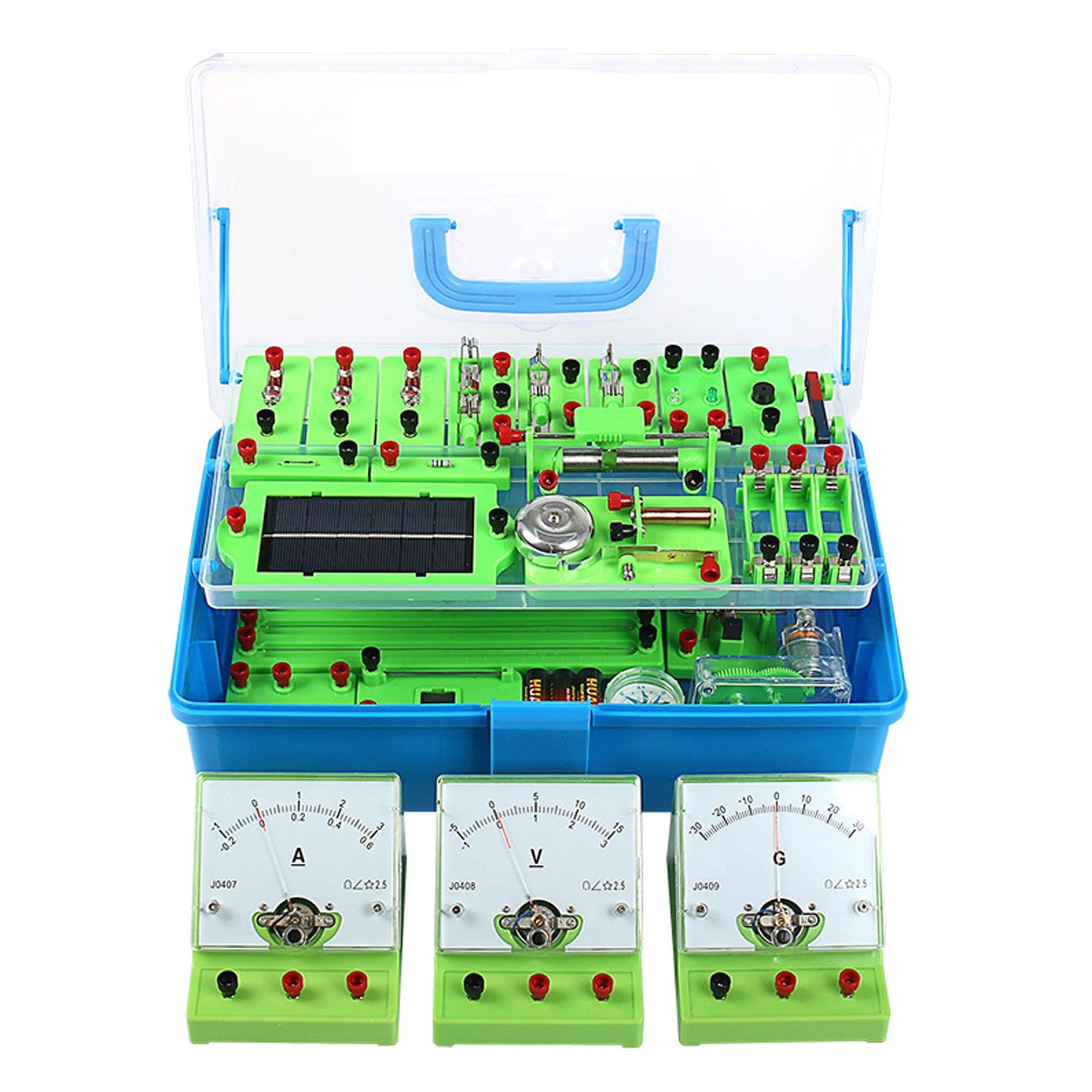
- Measurement tools such as voltmeters and ammeters
These components allow learners to build circuits, compare electrical designs, measure changes, and investigate how electricity interacts with magnetic fields.
How Circuit Kits Support STEM and Physics Learning
Hands-on physics learning kits help students move from memorizing formulas to understanding how scientific principles work in practice.
Circuit experiments help learners:
- Visualize current flow through real components
- Understand voltage, resistance, and electrical relationships
- Practice engineering problem-solving
- Develop testing and observation skills
- Learn through experimentation and discovery
By building and modifying circuits, students develop the same investigation skills used in science and engineering fields.
Who Should Use a Physics Circuit Learning Kit?
Physics circuit kits are suitable for a wide range of learners, including:
- Elementary students: Learning basic electricity through simple visual experiments
- Middle school students: Exploring circuits, resistance, and electromagnetism
- High school students: Performing physics laboratory experiments
- Teachers: Creating interactive classroom demonstrations
- Homeschool families: Building structured STEM learning activities
Quick Comparison Table: Best Physics Circuit Learning Kits
| Kit Type | Best Age Range | Skill Level | Included Components | Best Use Case |
| Beginner Snap Circuit Kit | Elementary students | Beginner | Snap modules, lights, switches, motors | Introduction to electricity |
| Intermediate STEM Circuit Kit | Middle school students | Intermediate | Resistors, coils, switches, motors | Hands-on electricity experiments |
| Electromagnetism Experiment Kit | Middle–High school | Advanced | Voltmeters, ammeters, magnets, coils | Physics and electromagnetism lessons |
| Physics Lab Circuit Kit | High school | Advanced | Measurement tools and laboratory components | Formal science experiments |
Best Physics Circuit Learning Kits for Students (Top Picks)
The best circuit learning kit depends on student age, learning objectives, and whether it will be used at home or in a classroom. Some kits focus on easy exploration, while others provide advanced tools for physics investigations.
Best Beginner Circuit Kit for Elementary Students
Beginner circuit kits are designed for younger learners who are discovering electricity for the first time. They usually feature simple connections, visual components, and safety-focused designs.
Students can learn through projects such as:
- Lighting a bulb with a battery
- Creating simple switch circuits
- Powering small motors
- Exploring electrical pathways
Pros
- Easy for beginners to assemble
- Encourages curiosity and experimentation
- Uses child-friendly components
Cons
- Limited advanced physics experiments
- Usually lacks measurement tools
Best Hands-On Electricity Kit for Middle School
Middle school students benefit from kits that introduce real electrical components and allow them to explore more complex concepts.
A strong middle school kit should support experiments involving:
- Series and parallel circuits
- Electrical resistance
- Current measurement
- Basic electromagnetism
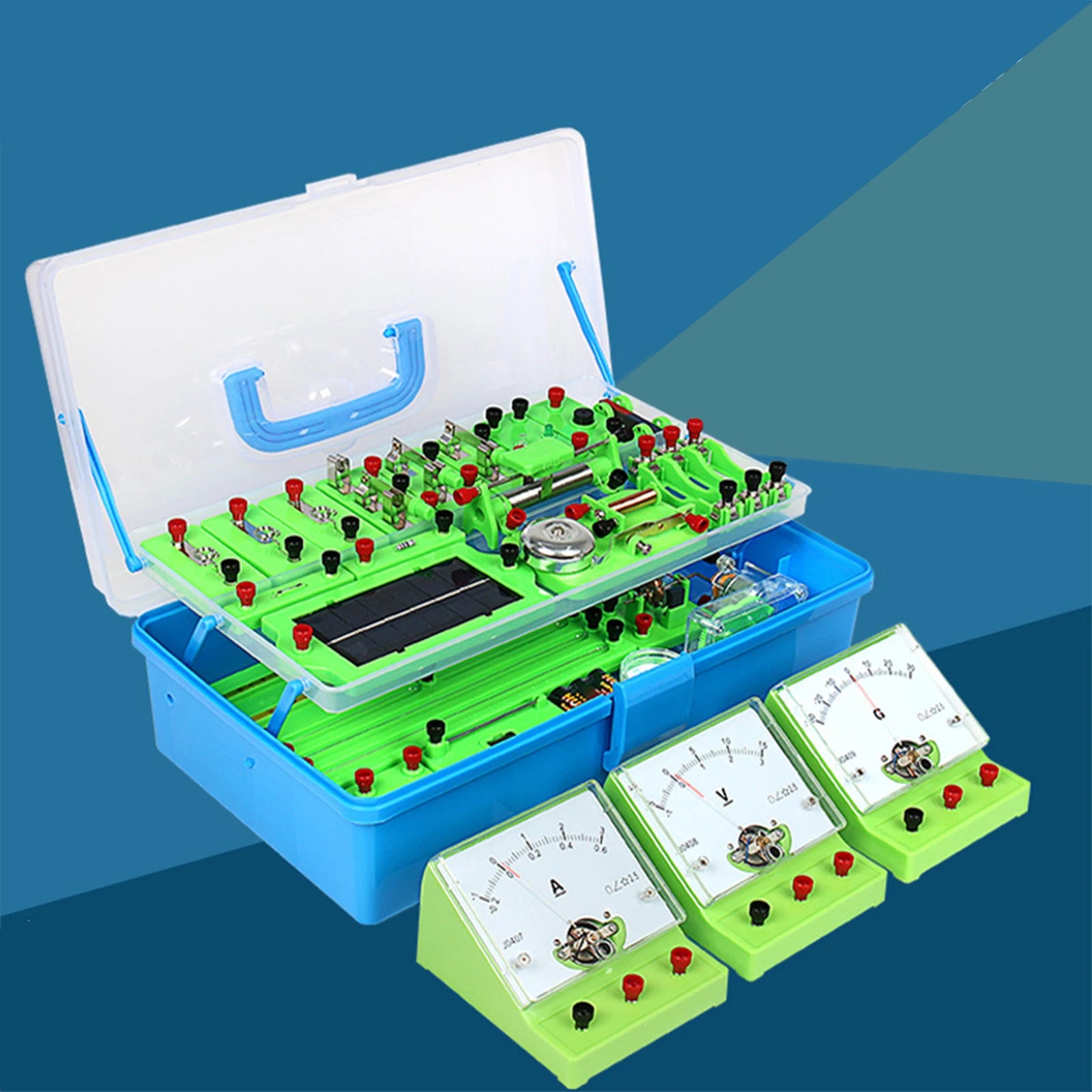
The Electromagnetism Experiment Kit for Students – 40+ Lab Tools is designed for deeper physics exploration with components such as voltmeters, ammeters, motors, and coils.
Pros
- Supports multiple physics experiments
- Includes scientific measuring tools
- Works well for STEM learning
Cons
- May require teacher guidance
- More complex than beginner kits
Best Physics Lab Kit for High School Students
High school learners need more advanced equipment that allows them to test physics principles instead of only demonstrating simple electrical connections.
A suitable physics lab kit for students can support:
- Ohm's law investigations
- Electromagnetic force experiments
- Electric motor demonstrations
- Energy conversion studies
Advanced kits are especially useful when students need experience with measurement instruments and laboratory-style procedures.
Best Classroom Circuit Kit for Schools
Schools often need durable kits that can support repeated student use and group activities.
The best electrical circuit kits for schools usually include:
- Multiple experiment options
- Large demonstration components
- Reusable parts
- Teacher-friendly instructions
Classroom-ready physics kits help teachers combine lectures with practical activities that reinforce scientific concepts.
Best Budget Circuit Kit for Home Learning
For homeschool families, the ideal kit balances affordability, experiment variety, and ease of use.
Look for:
- Reusable components
- Clear experiment guides
- Expandable projects
- Multiple science topics
A versatile kit allows students to continue learning beyond their first successful circuit.
Physics Experiments Students Can Build with Circuit Kits
A major advantage of a hands-on physics learning kit is that students can progress from basic activities to more advanced experiments.
Build a Simple Electric Circuit
This beginner experiment demonstrates how electricity moves through a complete pathway.
Students connect:
- Battery
- Wire
- Light bulb or LED
- Switch
Learning outcome: Students understand that electrical current requires a closed circuit to operate.
Compare Series and Parallel Circuits
This experiment helps students understand how circuit design affects electrical performance.
- Series circuits create one current path
- Parallel circuits create multiple current paths
- Component behavior changes depending on arrangement
Build an Electromagnet
Students can explore the connection between electricity and magnetism by wrapping wire around an iron core and connecting it to a battery.
Learning outcome: Learners discover how electric current can create magnetic fields used in motors and generators.
Create a Switch-Controlled Circuit
A switch experiment demonstrates how electrical systems control power flow.
Learning outcome: Students understand the basic operation behind household electronics and automated devices.
Measure Conductors and Insulators
Students can test different materials to determine whether they allow electricity to pass through.
Learning outcome: Learners understand why metals are commonly used for wires while other materials provide insulation.
Safety reminder: Students should only use low-voltage educational kits and follow experiment instructions carefully.
Curriculum Alignment and STEM Learning Outcomes
Skills Students Develop
Circuit kits support more than science knowledge. They also develop practical STEM skills, including:
- Problem solving
- Engineering design thinking
- Data collection and analysis
- Creative experimentation
- Technical confidence
How Circuit Kits Support Classroom Standards
School physics experiment kits connect directly with common STEM learning goals by helping students apply concepts such as:
- Electricity and energy transfer
- Forces and electromagnetic fields
- Scientific investigation methods
- Engineering design processes
Teachers can use these kits alongside science lessons, laboratory activities, and engineering projects.
How to Choose the Best Physics Circuit Learning Kit for Students
Choose by Age and Grade Level
- Elementary: Beginner kits with simple connections and visual feedback
- Middle school: Kits with resistors, coils, and measurement tools
- High school: Physics lab kits with advanced experiments
Components That Matter Most
A reliable electrical circuit kit for students should include:
- Safe power sources
- Switches and resistors
- Motors and coils
- Magnets
- Measurement devices
- Experiment instructions
Safety Features to Look For
When choosing a physics toy kit, consider:
- Low-voltage operation
- Durable connectors
- Clear safety instructions
- Age-appropriate components
Classroom vs Homeschool Kits
Classroom kits prioritize durability, group activities, and teacher demonstrations.
Homeschool kits usually focus on flexible learning, guided experiments, and independent exploration.
Parents looking for additional educational resources may also explore learning resources available in the Baby Growth & Learning Tips section.
Circuit Learning Kits for Schools and Homeschool
Best Kits for Teachers
Teachers often choose physics kits that allow several students to participate at the same time.
Important features include:
- Reusable components
- Structured experiment guides
- Demonstration-friendly tools
- Easy classroom storage
Best Kits for Homeschool Families
Homeschool families benefit from kits that combine science education with independent projects.
- Self-guided activities
- Progressive difficulty levels
- Multiple experiment types
Buying One Kit vs Classroom Sets
A single kit works well for individual learners, while classroom sets provide enough components for group experiments. Schools should consider student numbers, storage space, and lesson frequency before purchasing.
Families building broader learning environments can also explore educational products in the Baby Growth & Learning collection.
Safety Tips and Maintenance
Safe Battery Use
- Use only recommended batteries or power sources
- Avoid connecting circuits incorrectly for extended periods
- Supervise younger students during experiments
- Keep liquids away from electrical components
Organizing and Storing Components
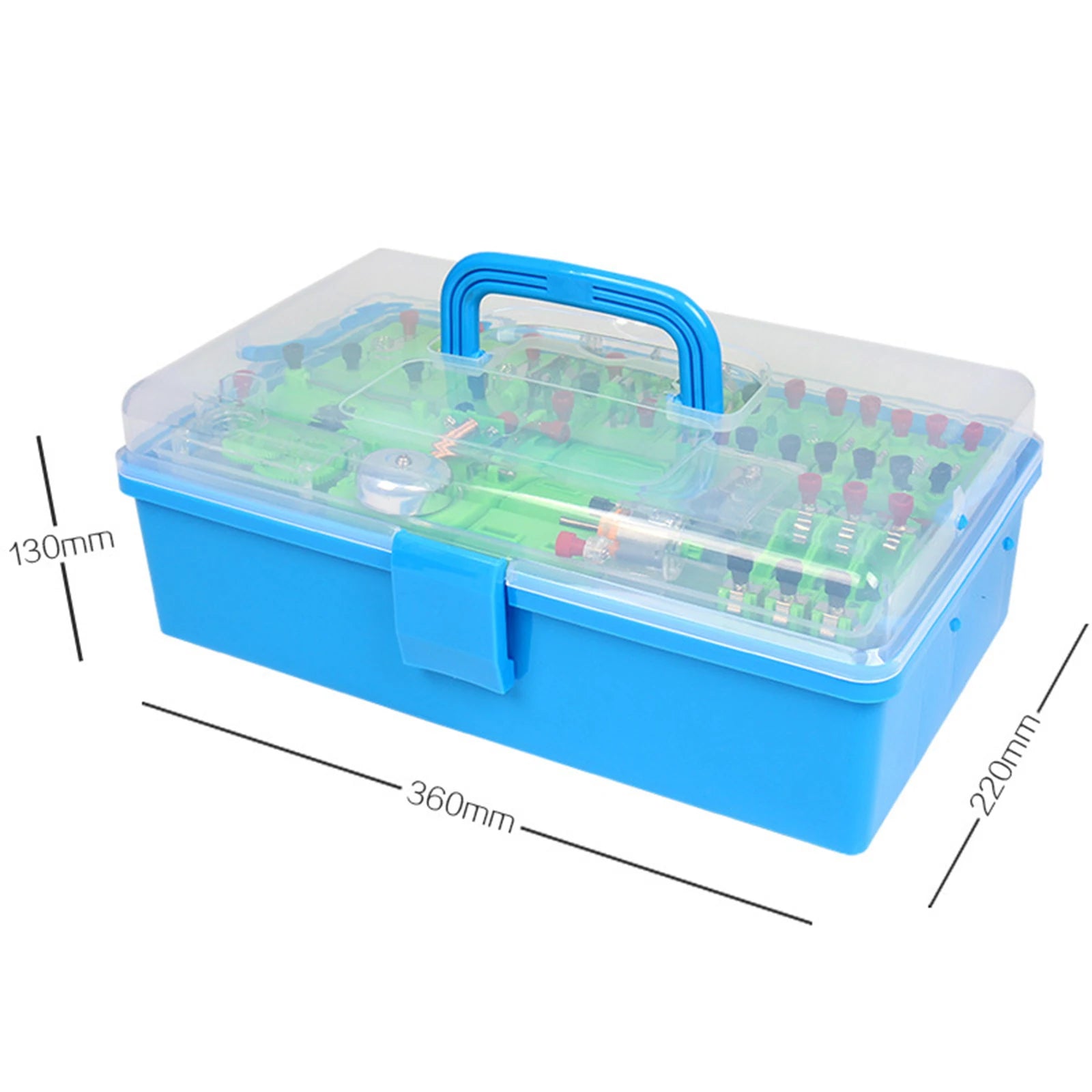
Proper storage helps educational kits last longer.
- Keep small components in labeled containers
- Store wires without bending or damage
- Check parts regularly for wear
- Return components after each experiment
Conclusion
The best physics circuit learning kits for students help transform electricity lessons into interactive STEM experiences. By building circuits, measuring electrical properties, and exploring electromagnetism, students develop a stronger understanding of physics principles.
For beginners, simple circuit kits provide an engaging introduction. For classrooms and advanced learners, a complete physics lab kit with measurement tools and experiment options offers greater educational value.
Choosing the right physics kit for students depends on age, learning goals, safety features, and experiment variety. A well-designed kit can inspire curiosity and support science learning for years.
Pillar Article: Beginner Physics Experiment Kit Electricity: Best STEM Kits for Easy Circuits





