

Big Wind Kites That Stay Stable When Gusts Get Strong
Big Wind Kites: The Right Choice for Strong, Gusty Conditions
Big wind kites are designed to deliver better control, stability, and confidence when flying in strong winds. With reinforced materials, balanced frames, and aerodynamic shapes, a high wind kite can maintain lift through changing conditions while reducing sudden drops, spins, and tangles. Discover how to choose the best kite for strong winds, understand wind ranges, and find the most stable kite design for your outdoor adventures.
⏱ 8 min read
Explore playful learning ideas inside Baby Growth & Learning to inspire creative family activities

big wind kites built for flying in strong winds — See it in action
Best Big Wind Kites for Strong Winds (Top Picks Compared)
Choosing the right kite for windy conditions depends on stability, construction quality, flying experience, and the type of outdoor activity you enjoy. The best big wind kites balance strong lift with predictable handling, making them suitable for families, beginners, and experienced flyers.
Quick Comparison Table
| Kite Type | Wind Range | Main Strength | Best For |
|---|---|---|---|
| Whale Dolphin Kite | Moderate to strong winds | Fun design with stable handling | Families and beginners |
| Delta Kite | 10–25 mph | Excellent lift and balance | General outdoor flying |
| Parafoil Kite | 15–30 mph | Flexible structure handles gusts | Frequent windy conditions |
| Box Kite | 12–25 mph | Strong aerodynamic stability | Display flying |
| Stunt Kite | 10–30 mph | Directional control | Experienced flyers |
Best Overall
The Whale Dolphin Kite is a strong everyday option for families who want a balance of appearance, durability, and easy handling. Its lightweight structure and stability-focused design make it approachable for beginners while still performing well when breezes become stronger.
Best for Beginners
Delta kites are often considered one of the easiest choices for new flyers. Their wide wing shape creates reliable lift and helps maintain balance, allowing beginners to learn control without constant crashes.
Best for Gusty Winds
Parafoil kites are excellent high wind kite choices because their flexible fabric design absorbs changing airflow. They are especially useful in locations where wind conditions shift frequently.
Best Giant Display Kite
Box kites and large display kites create impressive visuals while maintaining strong aerodynamic performance. They are ideal for open spaces where visibility and presentation matter.
Best Stunt Kite
Stunt kites provide advanced control through dual-line or multi-line systems. They allow experienced flyers to perform turns, loops, and precision movements but require more practice.
Wind Speed vs Kite Type and Size Guide
Flying in strong winds requires matching kite design and size to actual weather conditions. A larger kite is not always better because excessive surface area can create too much pulling force during strong gusts.
Recommended Wind Range Chart
| Wind Speed | Recommended Kite Type | Flying Conditions |
|---|---|---|
| 5–10 mph | Lightweight diamond or delta kite | Gentle breezes |
| 10–20 mph | Delta, parafoil, family kites | Ideal recreational flying |
| 20–30 mph | Strong parafoil or reinforced high wind kite | Experienced flying recommended |
| 30+ mph | Specialized equipment only | Higher risk of damage and loss of control |
Choosing the Right Kite Size
For windy conditions, medium-sized kites often provide the best combination of lift and control. Oversized kites can become difficult to manage because strong winds increase line tension and pulling force.
- Choose smaller designs for stronger wind speeds
- Select larger kites for lighter, consistent breezes
- Consider the flyer’s strength and experience level
- Always leave extra space for unexpected gusts
Are Big Wind Kites Good for Strong, Gusty Conditions?
Big wind kites are a good choice for strong, gusty conditions when they are built with stable frames, durable fabrics, and balanced aerodynamic designs. A stable kite helps distribute wind pressure evenly, allowing flyers to maintain lift and control during changing weather.
The ideal conditions for big wind kites include open fields, beaches, and parks with steady airflow. They perform best when the wind is strong enough to create lift but not so extreme that controlling the kite becomes unsafe.
- Reinforced materials improve durability during gusts
- Balanced shapes reduce spinning and sudden drops
- Stable designs improve confidence for beginners
- Strong lines help manage increased wind pressure
However, no kite is completely immune to extreme weather. Very strong gusts, storms, and unpredictable wind changes can damage equipment or make flying unsafe.
Why Some Kite Designs Perform Better in Strong Winds
The most stable kite design depends on how effectively the structure manages airflow, pressure, and movement. Different kite shapes provide unique advantages for kite wind resistance.
Delta Kites
Delta kites are popular because their triangular shape creates dependable lift and excellent balance. They are among the best kite for strong winds options for families and beginners.
Parafoil Kites
Parafoil designs use air-filled chambers instead of rigid frames. This allows them to flex naturally, making them a stable kite for gusty winds.
Sled Kites
Sled kites provide simple setup and strong pulling power. Their lightweight design makes them practical for recreational flying.
Box Kites
Box kites use three-dimensional structures to create aerodynamic stability. They perform well when steady lift and visual impact are important.
Stunt Kites
Stunt kites offer advanced maneuverability but require more skill. They are better suited for hobbyists who want precision control.
How to Choose the Best Kite for Strong Winds
Selecting the best kite for strong winds requires evaluating skill level, weather conditions, and construction quality.
Choose by Skill Level
- Beginners should choose stable, easy-control designs
- Families benefit from durable recreational kites
- Experienced flyers can choose performance stunt models
Choose by Wind Conditions
- Check average wind speeds in your area
- Avoid oversized kites during heavy gusts
- Select flexible designs for changing conditions
Choose by Materials
- Look for reinforced stitching
- Choose ripstop fabrics for durability
- Select strong yet flexible frames
Learn step-by-step how to choose family-supportive essentials through Baby Care Tips & Advice
How to Fly a Kite in Strong Winds Safely
Pre-Flight Checklist
- Choose a wide open flying area
- Inspect the frame and line before use
- Avoid trees, roads, and power lines
- Check weather conditions before launching
Launching Tips
- Position the kite facing the wind
- Allow airflow to fill the sail gradually
- Release line slowly while maintaining control
Handling Gusts
- Do not pull aggressively during sudden wind increases
- Adjust line tension smoothly
- Lower the kite if conditions become unsafe
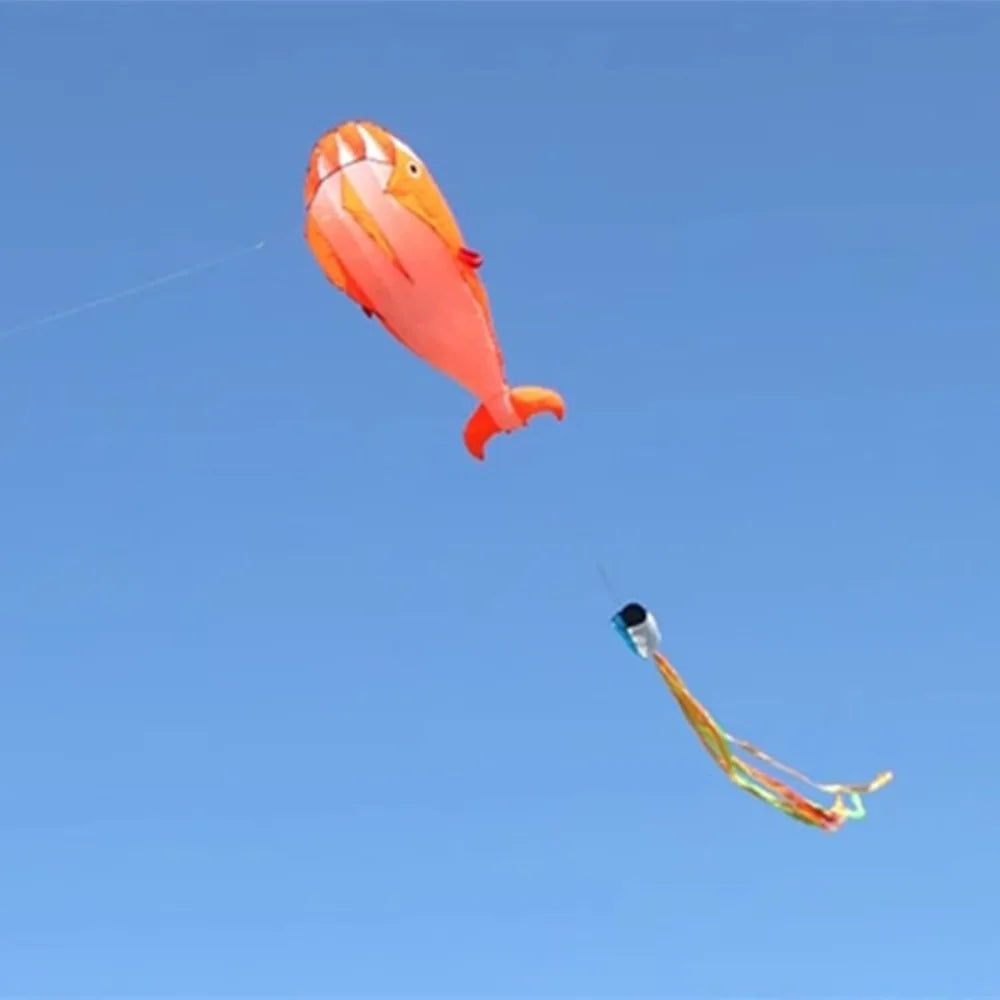
stable kite confidence during flying in strong winds — See it in action
Best Kite Recommendations by Skill Level
Beginners
Beginners should prioritize stability over advanced features. Delta and family-friendly designs help new flyers understand wind movement while reducing frustration.
Families
Families should choose durable, visually engaging kites that encourage children to participate. The Whale Dolphin Kite combines playful design with reliable outdoor performance.
Experienced Flyers
Advanced hobbyists may prefer stunt kites or specialized high wind kite models that provide greater control and performance.
Materials and Build Quality That Improve Wind Performance
Strong materials directly influence kite wind resistance, durability, and long-term performance.
Frames
Fiberglass and flexible composite spars can absorb pressure from gusts while reducing the chance of sudden breaks.
Sail Fabrics
Ripstop nylon and reinforced fabrics resist tearing while maintaining lightweight performance.
Lines
Strong kite lines help manage increased pulling force. Regular inspection prevents unexpected failures during flying.
Care, Storage, and Maintenance
Proper maintenance helps extend the life of a high wind kite.
- Dry the kite completely before storage
- Remove dirt and sand from fabric surfaces
- Inspect lines for fraying
- Check frame connections regularly
- Store in a cool, dry location
Complement outdoor planning with resources from Mom Essentials and Monitoring Devices for well-rounded preparedness.
FAQs
What is the best kite for strong winds?
The best kite for strong winds depends on experience and conditions. Parafoil and delta kites are popular because they provide strong lift, stability, and easier control.
How much wind is too much for a kite?
Many recreational kites perform well up to around 25–30 mph, but extreme gusts can make flying unsafe. Always follow manufacturer recommendations.
Which kite design is the most stable?
Parafoil and delta designs are often considered among the most stable kite design options because they distribute airflow effectively.
What size kite should I use in high winds?
Smaller and medium-sized kites are usually easier to control in high winds because they reduce excessive pulling force.
Are parafoil kites better than delta kites in gusty weather?
Parafoil kites often handle unpredictable gusts well because their flexible structure absorbs airflow changes, while delta kites provide excellent balance and beginner-friendly control.
How do I prevent kite damage in strong winds?
Use the correct kite size, avoid extreme weather, inspect materials regularly, and store the kite properly after each use.





