

Blind Box Rarity: Odds, Tiers & How to Spot Secrets
Blind Box Figures Review: Quality, Rarity, and Value
Blind box figures turn surprise into strategy for collectors who understand quality, rarity, and long-term value. Whether you're buying your first mini blind box or building a complete display, learning how blind box rarity systems work helps you make smarter purchasing decisions and avoid hype-driven spending. This guide explains build quality, rarity odds, resale factors, and practical collecting strategies in clear, beginner-friendly language.
⏱ 8 min read
Opening a blind box is exciting, but experienced collectors know the real challenge begins after the reveal. Understanding materials, probability labels, artist reputation, and market demand helps you separate collectible blind box toys with lasting appeal from short-lived trends.
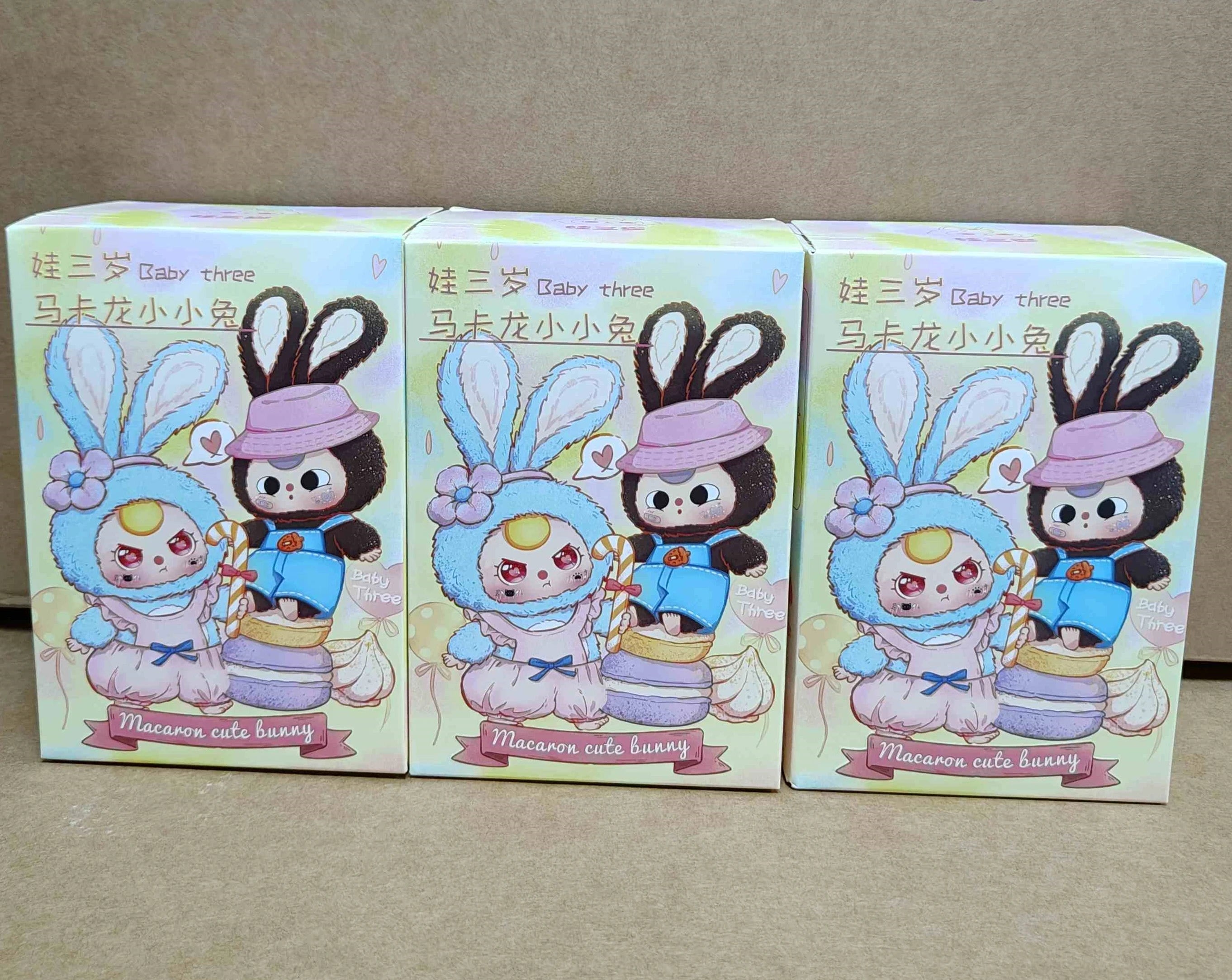
Blind box figures with clean sculpt lines, balanced proportions, and consistent paint application often indicate better long-term collectible quality.
What is blind box rarity?
Blind box rarity describes how frequently a particular figure appears within a production run. Manufacturers intentionally produce some designs in much smaller quantities than others, creating different rarity tiers that encourage collecting, trading, and completing sets.
What are blind box toys?
Blind box toys are collectible figures sold inside sealed packaging so buyers cannot see which character is inside before opening. This surprise element makes every purchase feel unique while encouraging collectors to complete themed series.
What is a blind box toy?
A blind box toy is typically a small vinyl, PVC, or ABS figure featuring original artwork, licensed characters, or designer collectibles. Most modern collectible blind box toys are intended primarily for display rather than active play.
Why rarity matters to collectors
Blind box rarity influences collecting goals but should not be confused with guaranteed value. Rare figures are harder to obtain, yet demand, character popularity, condition, and overall series quality ultimately determine whether collectors continue seeking them years later.
Families interested in display-friendly collectibles sometimes browse Sensory Toys alongside figures to find visually engaging products made with child-friendly materials.
How to identify high-quality blind box figures
Before considering rarity, evaluate the figure itself. Strong manufacturing quality makes blind box figures more enjoyable to display and helps them retain their appearance over time.
Material and weight
Premium blind box figures generally use dense PVC or ABS plastic with solid construction. Better materials reduce warping, improve durability, and give figures a substantial feel.
Sculpt detail and proportions
Inspect facial expressions, clothing textures, accessories, and symmetry. High-quality molds produce crisp details without rough edges, visible seams, or distorted proportions.
Paint accuracy
Even premium designs lose appeal if paint quality is inconsistent. Look for:
- Sharp color boundaries
- Minimal paint bleed
- Consistent matte or satin finish
- Accurate facial details
- Clean application on small accessories
How do blind box rarity systems work?
Every manufacturer organizes blind box figures using a rarity system. Although terminology varies between brands, the underlying concept remains similar: common figures appear frequently, while secret editions are intentionally limited.
Common, rare, secret, and hidden figures
Most collections include several common figures, one or two rare designs, and occasionally a secret or hidden edition replacing a standard figure in selected production cases.
Probability labels estimate average production frequency rather than guaranteeing individual results.
- 1/12 — roughly one figure per twelve produced
- 1/72 — significantly harder to obtain
- 1/144 — typically reserved for secret or chase figures
These ratios represent manufacturing averages. Buying several boxes never guarantees receiving a specific design.
How complete cases are distributed
Many manufacturers package blind boxes in factory cases designed to reduce duplicates, but complete cases are not always guaranteed to include every standard design. Secret figures may replace a regular figure instead of being added on top, meaning duplicates can still occur.
Blind box rarity tiers at a glance
| Rarity Tier | Typical Odds | Availability | Collector Expectations |
|---|---|---|---|
| Common | 1/6 to 1/12 | Easy to find | Foundation of most collections |
| Rare | 1/24 to 1/72 | Moderately limited | Frequently traded |
| Secret or Chase | 1/72 to 1/144 | Very limited | High collector interest |
| Super Secret or Hidden | Varies by brand | Extremely limited | Often commands premium resale prices if demand remains strong |
Why are blind boxes so expensive?
The price of blind box figures reflects much more than the amount of plastic inside the package.
Manufacturing and licensing
Detailed sculpting, multi-stage paint application, premium packaging, and licensing agreements all increase production costs compared with mass-market toys.
Limited production
Designer toy companies frequently manufacture limited production runs rather than continuously producing the same figures. Smaller production volumes generally increase per-unit costs.
Collector demand vs. rarity
Demand often pushes prices higher than rarity alone. A popular character from a well-loved artist may become expensive even if its official rarity is relatively modest.
Does rarity always increase blind box value?
No. Blind box value depends on the combination of rarity, popularity, condition, and long-term collector interest.
Rarity vs. market demand
A rare figure with little fan interest may sell for less than a common character from a highly sought-after collection. Market demand changes over time, making popularity just as important as production numbers.
Condition and packaging
Collectors typically pay more for figures that remain free from scratches, discoloration, or missing accessories. Original packaging also increases buyer confidence during resale.
Complete sets and resale
Complete themed collections generally attract stronger resale interest than individual figures because buyers can display an entire series immediately without hunting for missing characters.
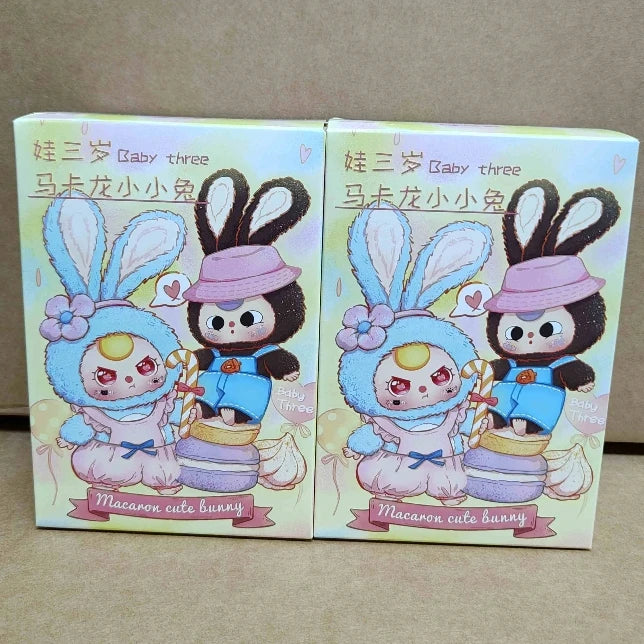
Comparing sculpt quality, paint consistency, and overall finish side by side helps collectors evaluate long-term display and resale potential.
Common myths about blind box rarity
Can you weigh blind boxes?
Some collectors claim weighing boxes reveals rare figures, but manufacturers increasingly use packaging methods that minimize noticeable weight differences.
Do shake tests work?
Shake tests are unreliable. Protective inserts, accessories, and packaging designs vary between figures, making movement an inconsistent indicator.
Are secret figures guaranteed in every case?
No. Some brands include secret figures only in selected production cases, while others replace a standard figure when a secret appears. Always review official product information rather than relying on online rumors.
Collector tips for smarter blind box collecting
Successful collectors focus on planning instead of chasing every release.
Understanding odds before buying
Study official series checklists and rarity information so your expectations match the published distribution.
Trading duplicates
Trading shortly after new releases often provides the best opportunity to complete a collection without purchasing additional blind boxes.
Setting a collecting budget
Choose a monthly budget before shopping. Responsible collecting keeps the hobby enjoyable while reducing impulse purchases driven by rare chase figures.
- Research complete set images before purchasing.
- Compare blind box reviews from experienced collectors.
- Buy factory cases only if you genuinely want most designs.
- Protect figures from direct sunlight and excessive heat.
- Keep packaging if resale matters to you.
Collectors also use storage ideas from Beauty & Wellness products to organize shelves and keep dust away from displayed figures.
Featured pick worth exploring
The Little Rabbit Blind Box Toy offers charming sculpt details, consistent paint quality, and balanced proportions, making it an appealing option for collectors who prioritize display quality over chasing the rarest figures.
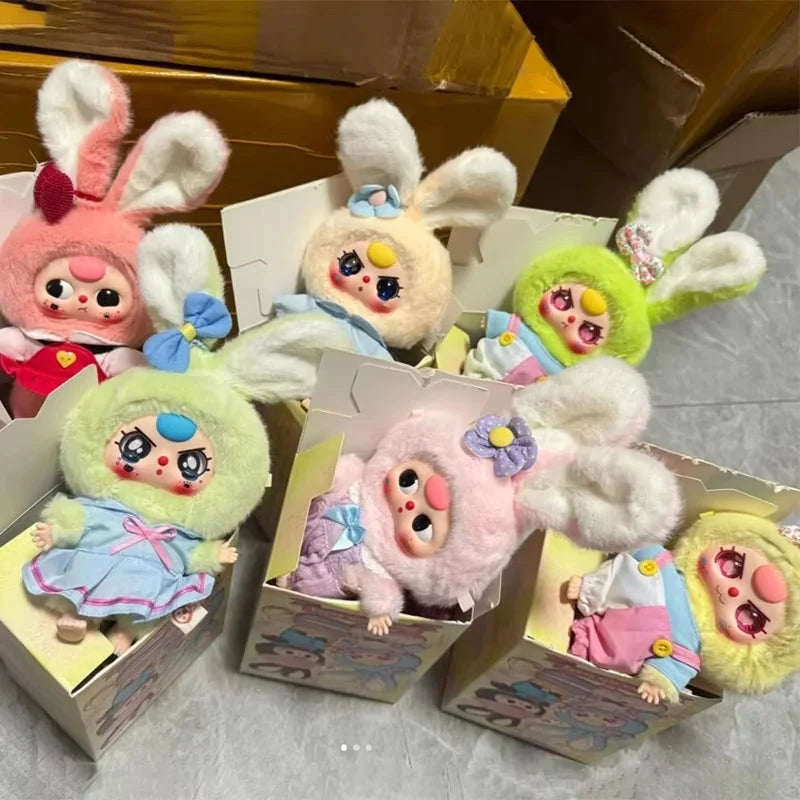
Well-crafted blind box figures often remain display favorites because of their consistent sculpt quality and timeless character design.
Examples of blind box rarity systems from popular brands
Although every company uses its own terminology, most designer toy brands follow similar distribution patterns.
| Brand Style | Typical Standard Figures | Secret Figure Approach | Notes |
|---|---|---|---|
| POP MART | Usually 12 regular figures | Secret figure replaces one regular figure | Clearly published odds |
| 52TOYS | Series varies | Occasional chase editions | Character-focused collections |
| TOP TOY | Mixed licensed collections | Hidden editions in selected releases | Distribution varies by series |
Studying official probability charts before purchasing helps collectors understand how different brands balance rarity, collectability, and completion rates.
Mini FAQ: blind box figures
What does 1/72 mean in blind box rarity?
It means the figure appears, on average, once for every seventy-two figures produced. It is a production estimate rather than a guarantee for individual purchases.
Are secret figures guaranteed in a full case?
No. Some brands include secret figures only in selected factory cases, while others substitute them for a regular figure when they appear.
Does a rarer blind box always have higher resale value?
No. Collector demand, character popularity, condition, and series reputation often influence resale prices more than rarity alone.
Why are blind boxes so expensive?
Detailed sculpting, quality paintwork, licensing fees, limited production runs, and collector demand all contribute to pricing.
Can you increase your chances of pulling a secret figure?
There is no reliable method. Purchasing factory cases may improve overall distribution for regular figures, but secret editions remain intentionally unpredictable.
Are duplicate figures common in blind boxes?
Yes. Duplicates are a normal part of blind box collecting, particularly when buying individual boxes rather than complete factory cases.
Related Guide: Toy Blind Box Comparisons: Top Series Ranked for Collectors





