

Breathable Cotton Baby Socks Features That Improve Crawling
Do breathable cotton baby socks really help crawling?
Breathable cotton baby socks support safer crawling by keeping feet cool, flexible, and lightly gripped on smooth floors. The natural airflow of cotton infant socks reduces sweat buildup, while soft traction helps prevent slips, improving infant mobility and crawling safety during daily play.
Breathable Cotton Baby Socks Features That Improve Crawling
⏱ 6 min read
Breathable cotton baby socks can quietly change how confidently little ones move. Parents often worry about slipping, cold floors, or irritated skin when babies start crawling. The right socks offer airflow, comfort, and gentle grip, helping babies explore freely while giving parents peace of mind.
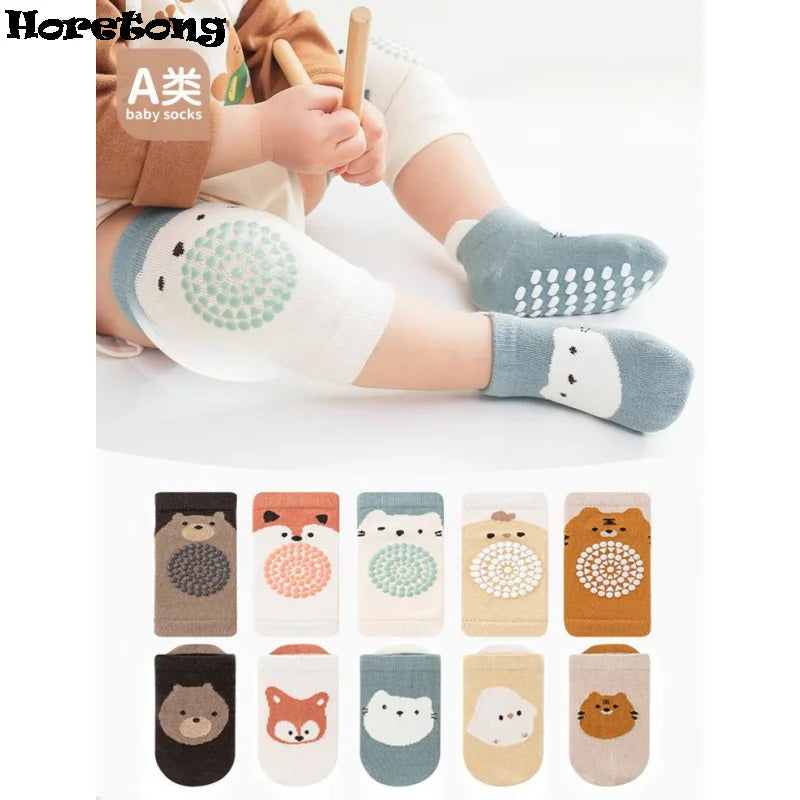
Breathable cotton baby socks support infant mobility and crawling safety. 💡 See it in action
Curious how something as simple as socks can change crawling confidence? Let’s break it down.
Why Crawling Needs the Right Socks
Crawling is more than movement. It builds coordination, balance, and muscle strength. Bare feet can slip on tile or hardwood, while heavy shoes restrict movement. Breathable cotton baby socks sit in the middle, offering protection without limiting natural motion.
- Babies test traction with every push forward.
- Skin temperature affects comfort and focus.
- Soft protection reduces floor friction and irritation.
- Freedom of movement supports confidence.
For families exploring early movement tools, collections like Mobility & Training and Baby Growth & Learning often focus on the same goal: safe, confident exploration.
How Do Breathable Cotton Baby Socks Improve Crawling?
Breathable cotton baby socks improve crawling by balancing airflow, flexibility, and gentle grip. Cotton fibers allow heat to escape, keeping feet dry, while soft knit structures move naturally with each crawl. Added traction supports crawling safety without stiff soles or bulk.
This balance is what makes cotton infant socks different from thick booties or synthetic blends. Babies feel the floor, adjust their movement, and build confidence step by step.
Airflow Keeps Little Feet Comfortable
Cotton naturally breathes. When babies crawl, their feet press against floors repeatedly. Breathable fabric reduces sweat, lowering the risk of irritation or slipping caused by damp skin.
Flexibility Encourages Natural Motion
Unlike rigid footwear, cotton infant socks stretch gently. Toes can spread, grip, and release, helping babies learn how their bodies move through space.
Soft Traction Without Bulk
Light non-slip elements add friction where needed. Babies stay stable without feeling weighed down.
Key Features That Improve Infant Mobility
1. Natural Cotton Weave
Soft cotton fibers reduce friction against sensitive skin. This matters during long floor sessions when babies crawl, pause, and crawl again.
2. Temperature Regulation
Breathable cotton baby socks help maintain a comfortable foot temperature, supporting longer play sessions without fussiness.
3. Gentle Non-Slip Zones
Strategically placed grips help babies push forward confidently on smooth surfaces.
4. Lightweight Protection
Thin soles protect from cold floors while preserving tactile feedback.
Parents often pair socks with other comfort-focused essentials from Sleep & Comfort or hygiene-friendly items in Baby Care Essentials to create a safer play environment.
Breathable Cotton vs Synthetic Socks
| Feature | Breathable Cotton Baby Socks | Synthetic Socks |
|---|---|---|
| Airflow | High, keeps feet cool | Limited, traps heat |
| Flexibility | Soft, natural stretch | Often stiff |
| Crawling Safety | Gentle traction | May slip when damp |
| Skin Comfort | Low irritation risk | Higher irritation risk |
This comparison helps many parents justify choosing breathable cotton baby socks over cheaper alternatives.
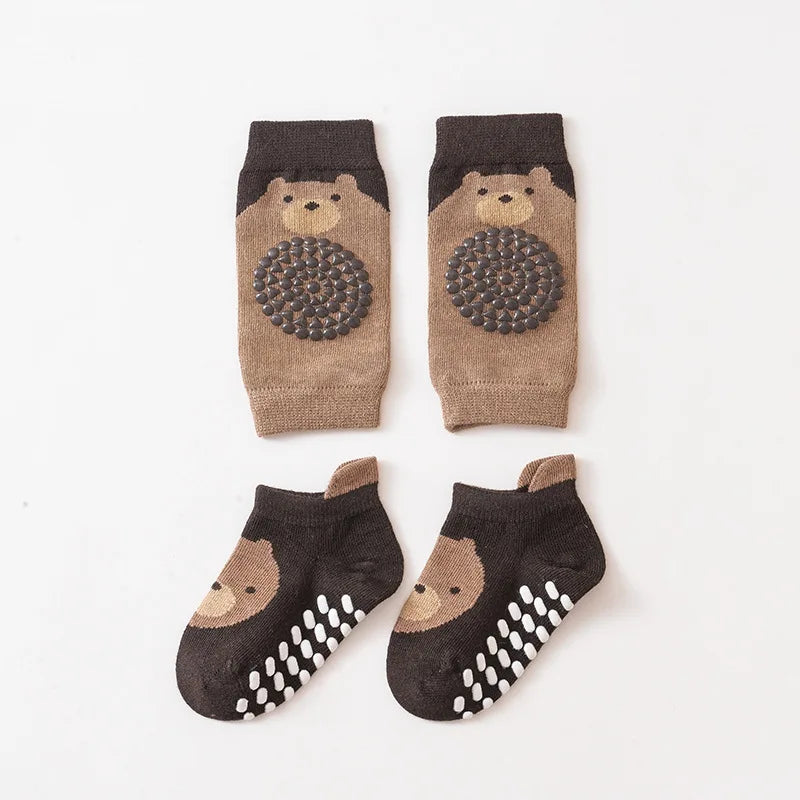
Cotton infant socks improve infant mobility during daily play. 💡 See it in action
Real-Life Parent Experiences
Parents often notice changes within days:
- Babies crawl longer without slipping.
- Less fussing due to sweaty or cold feet.
- More confident movement on tile or wood floors.
One parent shared that switching to breathable cotton baby socks helped their baby crawl across the living room without hesitation for the first time.
How to Choose the Right Size and Fit
- Measure foot length while baby is relaxed.
- Choose snug but flexible fits.
- Avoid thick seams that may press into skin.
- Look for stretch cuffs that stay put without squeezing.
When building a full crawling setup, families often explore supportive accessories in Health & Safety or playful floor options from Sensory Toys.
Care Tips for Cotton Infant Socks
- Wash in gentle cycles with mild detergent.
- Avoid high heat drying.
- Check grip areas regularly.
- Rotate pairs to maintain elasticity.
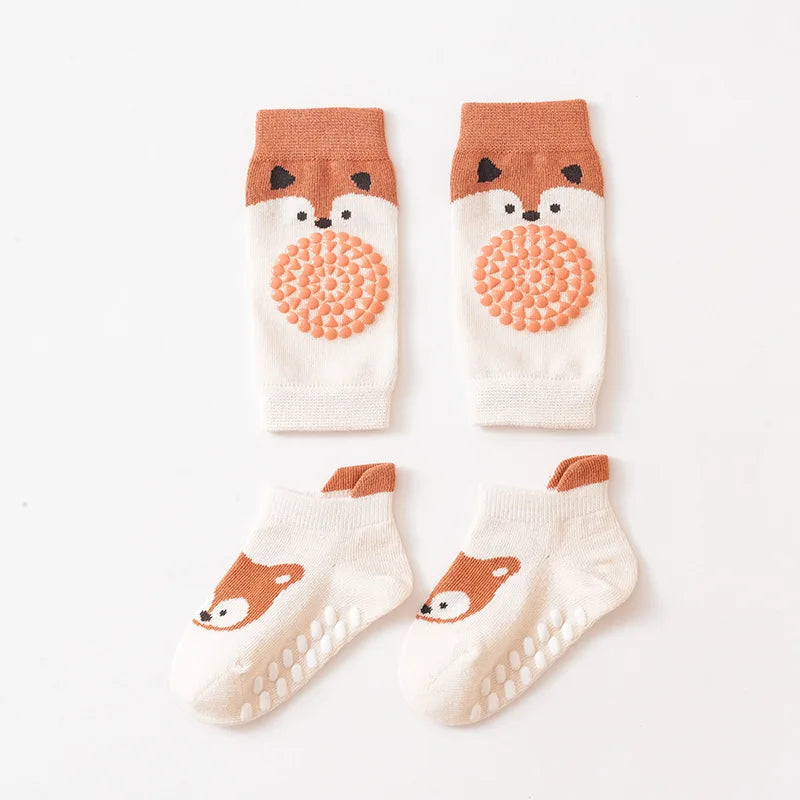
Breathable cotton baby socks designed for crawling safety and comfort. 💡 See it in action
Mini FAQ
Are breathable cotton baby socks safe for daily crawling?
Yes. They provide airflow, flexibility, and light traction, supporting crawling safety without restricting natural movement.
Do cotton infant socks work on hardwood floors?
They help reduce slipping on smooth surfaces while keeping feet comfortable.
When should babies start wearing crawling socks?
Many parents introduce them when babies begin pushing up or crawling to improve stability.
Product recommendation: Explore the featured option at this product page for combined protection and traction.





