

Breathable Insoles for Children: Why Airflow Improves Comfort
Do breathable insoles really help children stay comfortable all day?
Breathable insoles for children help reduce heat, moisture, and pressure by improving airflow inside shoes. Better ventilation keeps feet drier, lowers odor, and improves comfort during school and play. When combined with youth arch support insoles, they also support growing feet and reduce fatigue.
Breathable Insoles for Children: Why Airflow Improves Comfort
Breathable insoles for children may seem like a small upgrade, but they can make a big difference in how kids feel from morning drop-off to bedtime play. Airflow, cushioning, and proper arch support work together to keep feet cooler, drier, and more comfortable—especially during long school days and active routines.
⏱ 5 min read
Have you ever picked up your child after school and noticed warm, damp shoes—or complaints about sore feet? Many parents focus on shoe style or size but overlook what’s happening inside the shoe. That’s where breathable insoles for children quietly step in as a comfort game-changer.
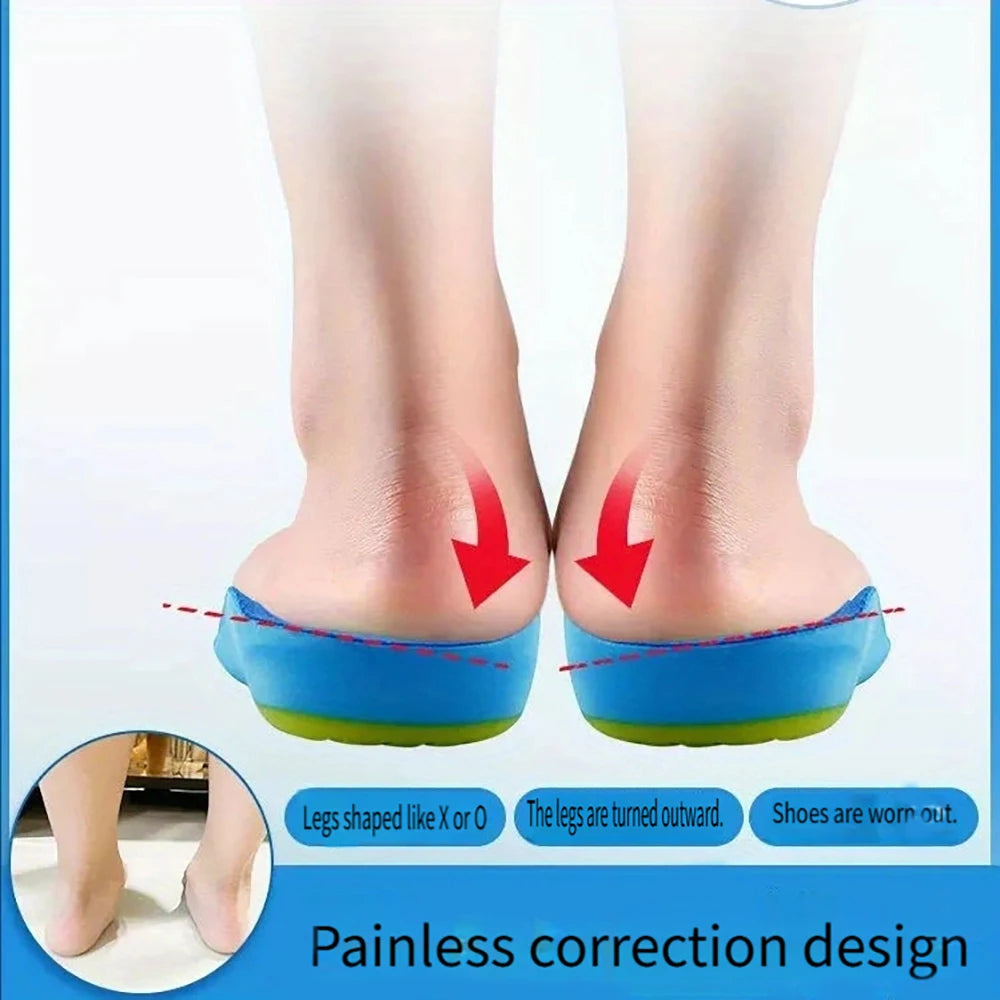
Breathable insoles for children improve airflow and daily comfort 💡 See it in action
Why Airflow Matters in Kids’ Shoes
Children’s feet sweat more than adults’. Combine that with long hours in enclosed shoes, and it’s easy to see why discomfort builds fast. Without proper airflow, heat and moisture get trapped, leading to irritation and fatigue.
- Reduced moisture buildup helps prevent slipping inside shoes
- Cooler feet stay comfortable for longer periods
- Better airflow keeps shoes feeling fresher throughout the day
- Less distraction means kids stay focused on learning and play
Parents already prioritize comfort in areas like sleep and hygiene—collections such as Sleep & Comfort show how small adjustments can dramatically improve daily routines. Foot comfort works the same way.
How Do Breathable Insoles for Children Improve Daily Comfort?
Breathable insoles for children use perforated layers, moisture-wicking materials, and lightweight cushioning to allow air to circulate with every step. This airflow reduces heat buildup while maintaining softness and stability, helping kids stay comfortable during school, sports, and play.
Unlike flat inserts, breathable insoles are engineered to move air as children walk or run. Each step gently pushes warm air out and draws cooler air in.
- Ventilated top layers reduce sweat accumulation
- Lightweight foam cushions impact without trapping heat
- Flexible structure adapts to natural foot movement
- Durable materials hold shape through daily wear
For families already focused on health and prevention, tools found in Health & Safety collections reflect the same principle: proactive comfort leads to better outcomes.
Why Youth Arch Support Insoles Support Growing Feet Better
Youth arch support insoles help guide natural foot development while easing pressure on heels and midfoot areas. When paired with breathable insoles, they balance airflow and structure—supporting posture, reducing strain, and keeping children comfortable during long periods of standing or walking.
As arches develop, uneven pressure can cause tired legs or reluctance to stay active. Supportive insoles help distribute weight more evenly.
- Encourage healthy alignment as feet grow
- Reduce stress on ankles and knees
- Improve balance during movement-heavy activities
- Increase endurance during long school days
Many parents exploring Mobility & Training solutions recognize that stability and comfort go hand in hand—even from the ground up.
Breathable Insoles vs Standard Insoles: What’s the Difference?
| Feature | Breathable Insoles | Standard Insoles |
|---|---|---|
| Airflow | Designed for continuous ventilation | Minimal to none |
| Moisture Control | Wicks sweat away efficiently | Traps moisture |
| All-Day Comfort | Supports extended wear | Comfort declines over time |
| Arch Support | Often integrated with youth arch support insoles | Flat or inconsistent support |
Parents comparing options often notice that breathable insoles outperform standard inserts during hot days, sports seasons, or long school schedules.
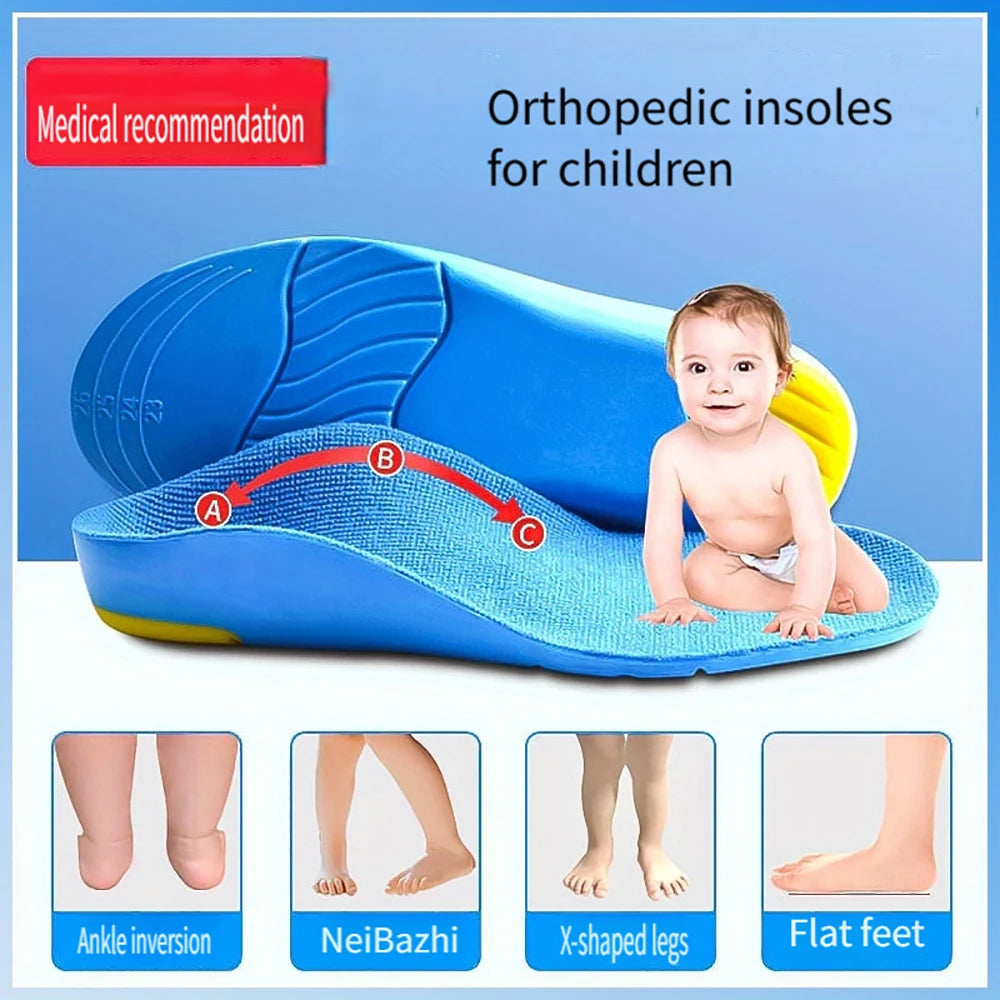
Breathable insoles and youth arch support insoles working together 💡 See it in action
Real-Life Comfort Scenarios for Active Kids
At school: Sitting, standing, walking between classes—feet stay cooler and less distracted.
During sports: Reduced sweat helps prevent slipping and discomfort mid-game.
After school play: Less foot fatigue means kids stay active longer.
Parents often share that once breathable insoles are added, complaints about “hot shoes” or sore feet noticeably decrease within days.
Just like choosing sensory-friendly play options from Sensory Toys, selecting the right insole supports comfort without kids even noticing the change.
How to Choose the Right Breathable Insoles for Children
- Match the insole size closely to your child’s shoe size
- Look for ventilation holes or breathable fabric layers
- Choose youth arch support insoles if your child stands or walks a lot
- Ensure flexibility so movement feels natural
For children with flat feet or frequent discomfort, supportive breathable options such as kids orthotic insoles can offer both airflow and stability in one solution.
Families who already value daily-care upgrades—from bath routines to footwear—often explore complementary items in Baby Care Essentials to simplify comfort-focused decisions.

Breathable insoles for children that support airflow and arches 💡 See it in action
Frequently Asked Questions
Are breathable insoles for children suitable for everyday school shoes?
Yes. They’re designed for daily wear and fit easily into most school shoes, helping reduce heat and moisture during long hours.
Do youth arch support insoles make shoes feel stiff?
Quality designs balance support and flexibility, so kids get stability without feeling restricted.
How often should children’s insoles be replaced?
Most parents replace them every 6–12 months, depending on growth and activity level.
Related Guide: Orthopedic Support for Growing Feet: Features That Matter





